Vaccines work
"Anne Bercie Olga received Albendazole that prevents intestinal worms and vitamin A that helps prevent diseases that affect eyesight in children," Triffine Niyonsaba, 38 years old.
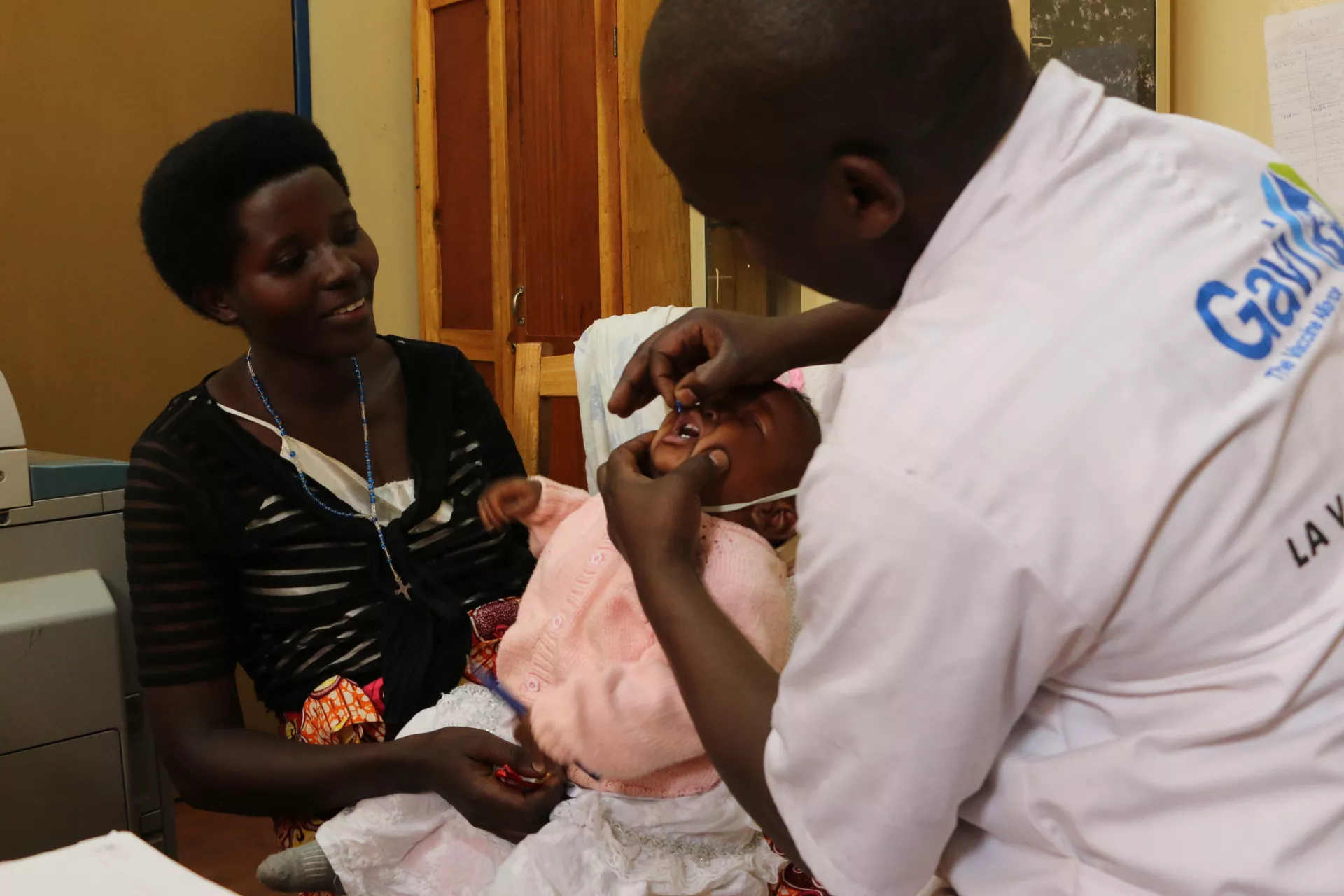
"Anne Bercie Olga received Albendazole that prevents intestinal worms and vitamin A that helps prevent diseases that affect eyesight in children," Triffine Niyonsaba, 38 years old.
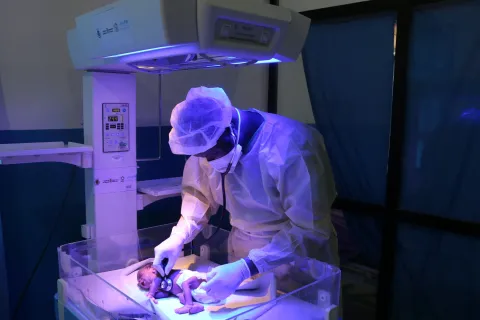
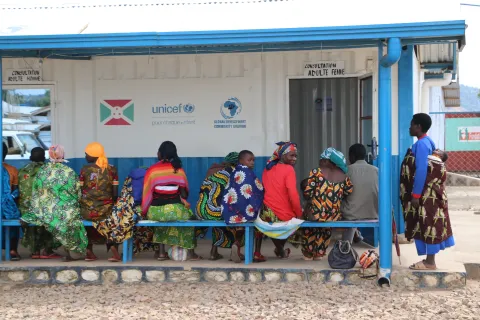
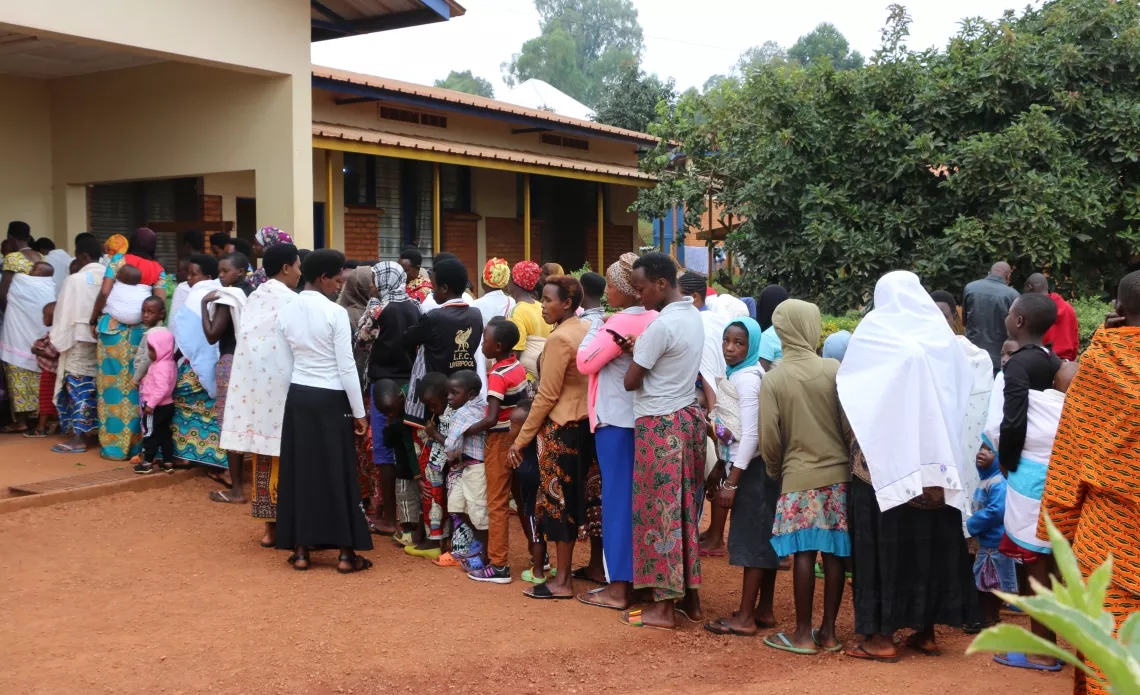
Ngozi, Burundi – It is a morning during the vaccination campaign. About thirty women are already at the Ngozi Health Centre. They have lined up facing towards the entrance of the clinic. There, nurses prepare the vaccines and are getting ready to start the day. As more and more women arrive, the line gradually grows. Women are bringing their children to get vaccinated.
"It was through the radio that I heard the news," says Triffine Niyonsaba, a 38-year-old woman, farmer, married to Mr. Ciza, a high school teacher. She brought her 9 and a 1/2-month-old baby, Anne Bercie Olga, who had missed one of her previous vaccinations. "I came to catch up on one of the vaccines for my child", she confides.
Triffine’s second child is a boy, Arakaza Don Eulaclyde who is 4 years old. "When I had my first child," she recalls, "I always came to the awareness sessions here at the health centre. My first child received all the vaccines without delay”. She says, he has grown up well and is in very good health.
Triffine believes that vaccines are important and protect children from many diseases. She remembers her uncle who had caught tuberculosis. "He suffered a lot," she says with tears in her eyes. "At birth, she adds, children are now being vaccinated against tuberculosis. Today, I am happy that all my children are being vaccinated. They are protected against many diseases, including tuberculosis”.
Triffine's family and friends are aware of the benefits of vaccination. She encourages other mothers around her. "Where I live, she says, we are aware of vaccines. I advise other mothers to take their children to the health centre. It is necessary". Good health is an essential component of good nutrition. UNICEF supports the Government of Burundi through the Expanded Programme on Immunization (EPI) in the provision of routine vaccines. In 2018, The EPI routine programme vaccinated 418,000 infants to help provide them with a better and healthier future.
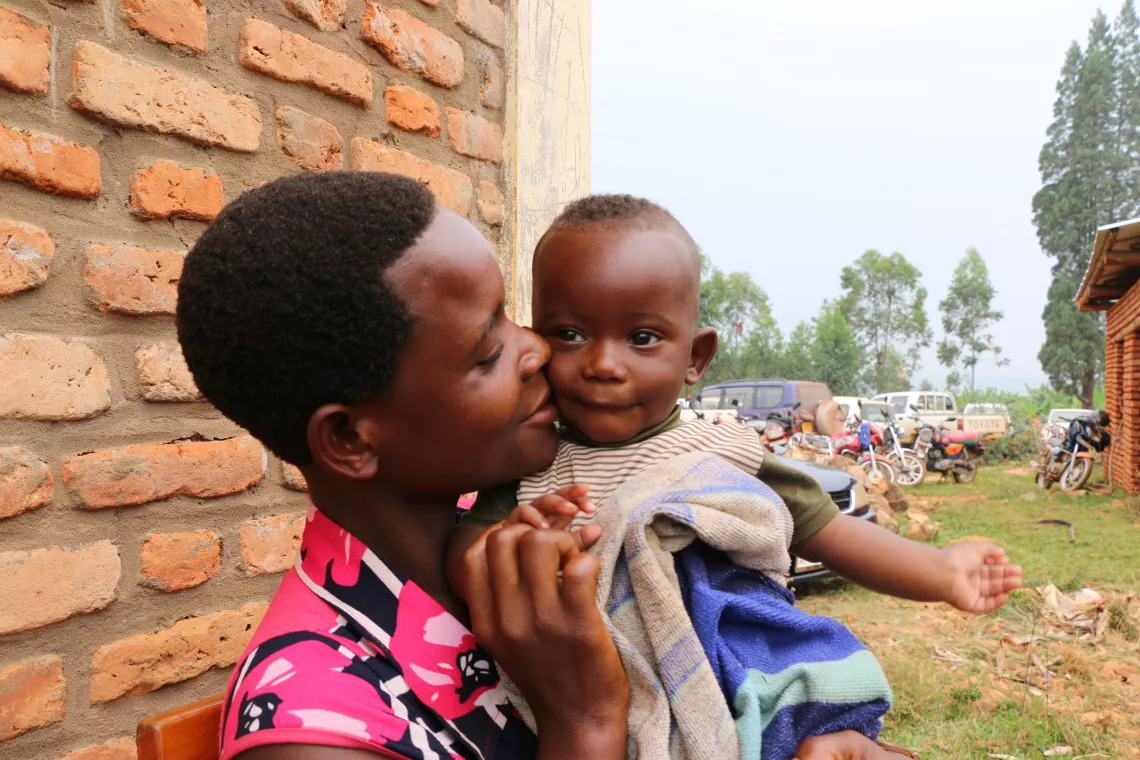
"Thanks to the survey to identify children who missed the vaccine last year, I was able to catch up on the vaccinations for my child," said Habonimana Chantal, 26 years-old.
Karusi, Burundi - "I can't read. I forgot the dates for the vaccination", says Chantal Habonimana, 26 years old. She is the mother of Masezeranoyimana Jonathan, a very small baby almost 6 months old. The baby was 3 months late for 3 important vaccines. "If my husband doesn't help me read the notebook, I can't remember," she explains with a little regret. Chantal is one of many women in Burundi who have not had the opportunity to attend school.
On the Bwandagaro hill, Nyabikere commune, Karusi province, the vaccination campaign has begun. "This year, we conducted, with all community health workers, a survey assessment to identify children who missed the vaccine during the last campaign," says Aron Ndengakumana, head of the Nyabikere Health District Office.
A few days before the start of this campaign, Chantal received a visit from the community health worker. "He reminded me that I was late. Thanks to him, I now have the vaccines for my child ", she says with relief.
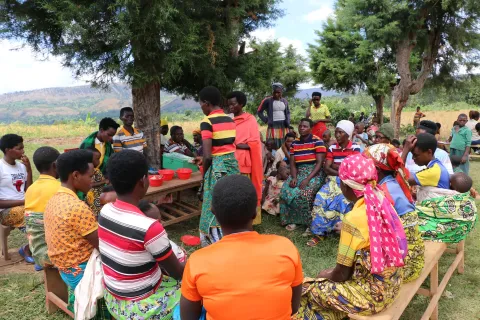
Baby Jonathan also received his dose of vitamin A, which strengthens the immune system by supporting cell growth, immune function and vision, plus an albendazole pill, which is used for deworming. Her mother was also able to attend hand-washing awareness sessions, an integral part of the nation-wide campaign which helps avoid diarrhea and promote good nutrition.