USAID-Funded UNICEF Project Brings New Hope to Trafficked Children in Burundi
Since 2019, UNICEF, with funding from the US government through USAID, has been supporting a program to strengthen the monitoring system for trafficking and other child rights violations in Burundi

- English
- Français
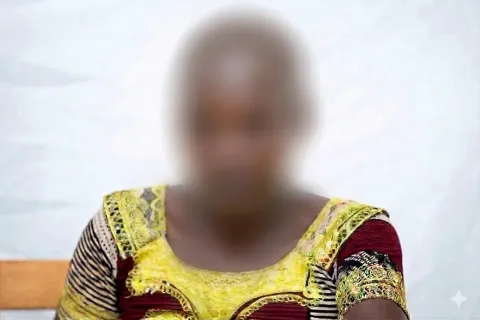
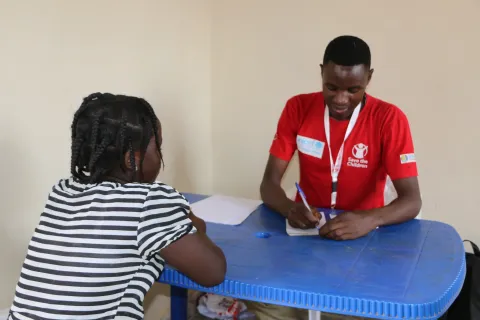
Robert, an 11-year-old victim of trafficking from Cankuzo province who was trafficked to Tanzania, shares his harrowing story: “I was returning to school when I was approached by a man who offered me a well-paid job in Tanzania. He enticed me with the possibility of earning a lot of money, and I naively accepted his offer. Once there, I was forced to work tirelessly in the fields without pay and was mistreated by my employers.” Thanks to his courage, Robert managed to escape, spending two days on the streets before being rescued by the NGO Social Action for Development (SAD) at the Burundian-Tanzanian border.
Unfortunately, Robert’s story is not unique. He is one of the thousands of children in the provinces of Cankuzo and Ruyigi who have suffered various forms of trafficking-related violence. Many of them have been reintegrated into their families and returned to school, thanks to the actions of the project to strengthen the system for monitoring trafficking and other violations of children's rights, established by UNICEF with financial support from USAID.
To assess the impact of this project, a joint mission of USAID, UNICEF, and partners including the Fédération Nationale des Associations engagées dans le Domaine de l'Enfance au Burundi (FENADEB), SAD, the Plateforme des intervenants en Psychosocial et Santé Mentale (PPSM), and the STAMM Foundation visited the provinces of Ruyigi and Cankuzo from December 13 to 15. Visits to the juvenile rehabilitation center in Ruyigi and the Munzenze transit center in Cankuzo revealed tangible successes.
The Governor of Ruyigi, Emérentienne Tabu, praised UNICEF's efforts, particularly for its essential role in improving the living conditions of children. “UNICEF’s contribution, through its partners, is significant for the rehabilitation center for minors in conflict with the law. The living conditions of these children have improved considerably. From what I have seen, they benefit from necessary legal, medical, and psychosocial assistance, as well as family, educational, and socio-professional reintegration services. What touched me most was that these minors consider the director of the center to be their father. In his absence, they ask where ‘our father’ has gone, which shows that they are well looked after,” she said.
At the Ruyigi Re-education Centre for Minors in Conflict with the Law, director Jean Bosco Hitimana mentioned the vocational training offered to the children, including welding, sewing, carpentry, ecological briquette making, art, agriculture, and animal husbandry. "I do everything I can to alleviate their suffering because most of the children who grow up on the streets or are orphans have suffered a lot," he said. The center also educates children from vulnerable families, ensuring that minors do not feel like they are in prison.
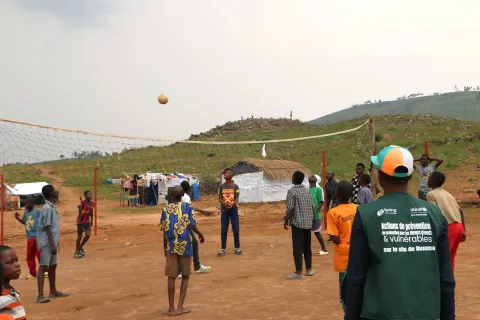
The cooperation with the local administration and FENADEB lawyers ensures effective care and rapid rehabilitation of the children. The delegation visited the Munzenze Transit Centre, where activities to raise awareness about the prevention of child and adult trafficking were conducted.


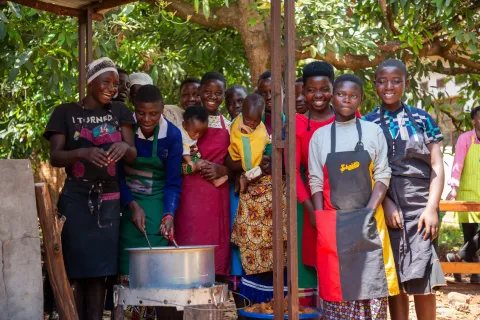
The delegation also visited two solidarity groups for victims of trafficking, led by SAD, in the provinces of Cankuzo and Ruyigi. "We are proud of the progress we have made. We received a loan of 500,000 francs and started our project. We now have five beehives that allow us to harvest honey and earn money. With this income, we were able to buy six rabbits, which we are now raising," said Domitien, the leader of the Ruyigi solidarity group, expressing confidence in the group's sustainability even after the project ends.
In addition to the economic aspect, these solidarity groups also promote empowerment and social cohesion among members. "By working together and sharing experiences, we develop a sense of belonging and mutual support. This increases our confidence and ability to assert ourselves, helping us overcome the trauma of trafficking and rebuild our lives independently," Domitien explained.
The USAID representative expressed satisfaction with the actions taken and the results achieved, highlighting the priority given to child protection and the fight against trafficking. "This initiative offers tangible hope for these young people and underscores the need to continue investing in similar projects for lasting change," he concluded.