Finding a home, reclaiming childhood
In Musenyi, a project implemented by Save the Children, with support from UNICEF and funding from the Global Humanitarian Fund, provides protection, care, and hope to Congolese refugee children separated from their families.
- English
- Français
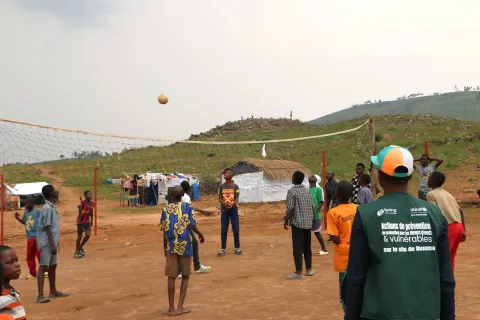
It is around 10 a.m. in Musenyi. Under a calm sky, makeshift shelters stretch across the dusty ground, bustling with the movements of refugee families and humanitarian workers. The site bears the scars of the violence people fled in eastern Democratic Republic of the Congo (DRC), intertwined with hopes for a fresh start.
At the heart of this reality are separated and unaccompanied children, among the most vulnerable. Having arrived alone or become separated from their families along the journey, they carry the uncertainty and trauma of family separation.
To address their needs, Save the Children, with support from UNICEF and funding from the Global Humanitarian Fund, has established a system to identify, care for, and monitor these children until durable solutions can be found. A key component of this mechanism is a network of foster families within the site, providing alternative care and a protective environment for children without parental or family support.
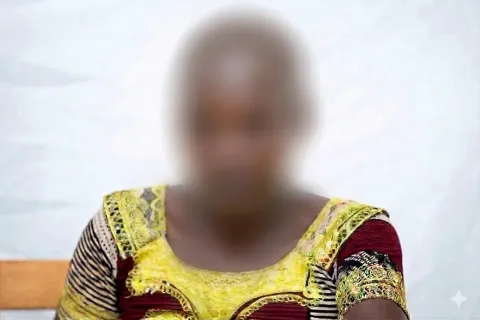
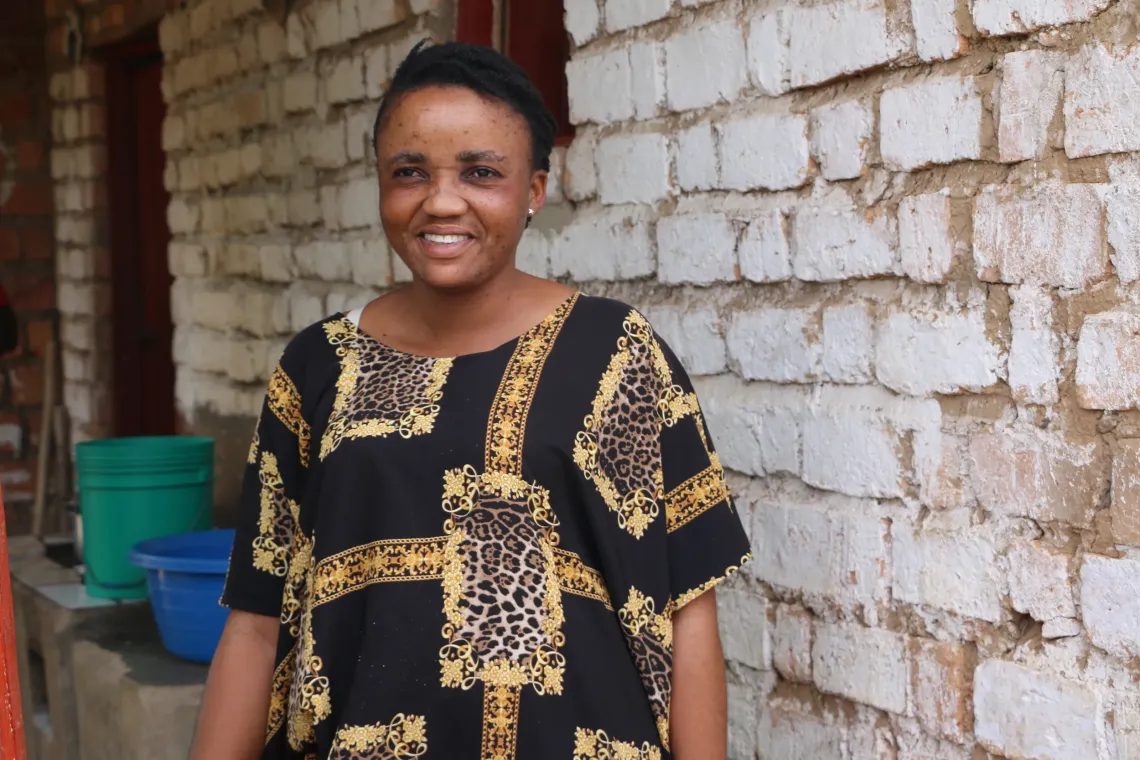
Kahindo Gertrude Ange, a Congolese refugee herself, is one of these foster caregivers. A widow and mother of five, she sees welcoming these children as more than a responsibility, it is a commitment driven by solidarity and maternal instinct. When a 15-year-old girl was placed in her care, she did not hesitate. The teenager had fled the violence in eastern DRC and, like thousands of other refugees, found safety in Burundi. Unlike most, however, she arrived alone, without her parents and with no news of her family.
“As a mother, I could not leave a young girl alone and without support. I welcomed her as my own daughter, as a member of my family,” says Gertrude.
In her modest home, where daily life remains challenging and resources are limited, Gertrude has embraced this responsibility without regret. “Life is difficult in the camp, but I am proud to have welcomed her. I care for her deeply and do everything I can to make her feel comfortable. She is a blessing to me,” she says with a smile.
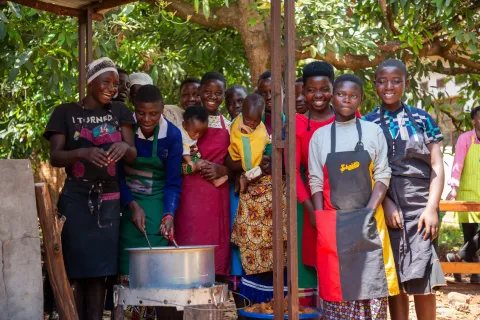
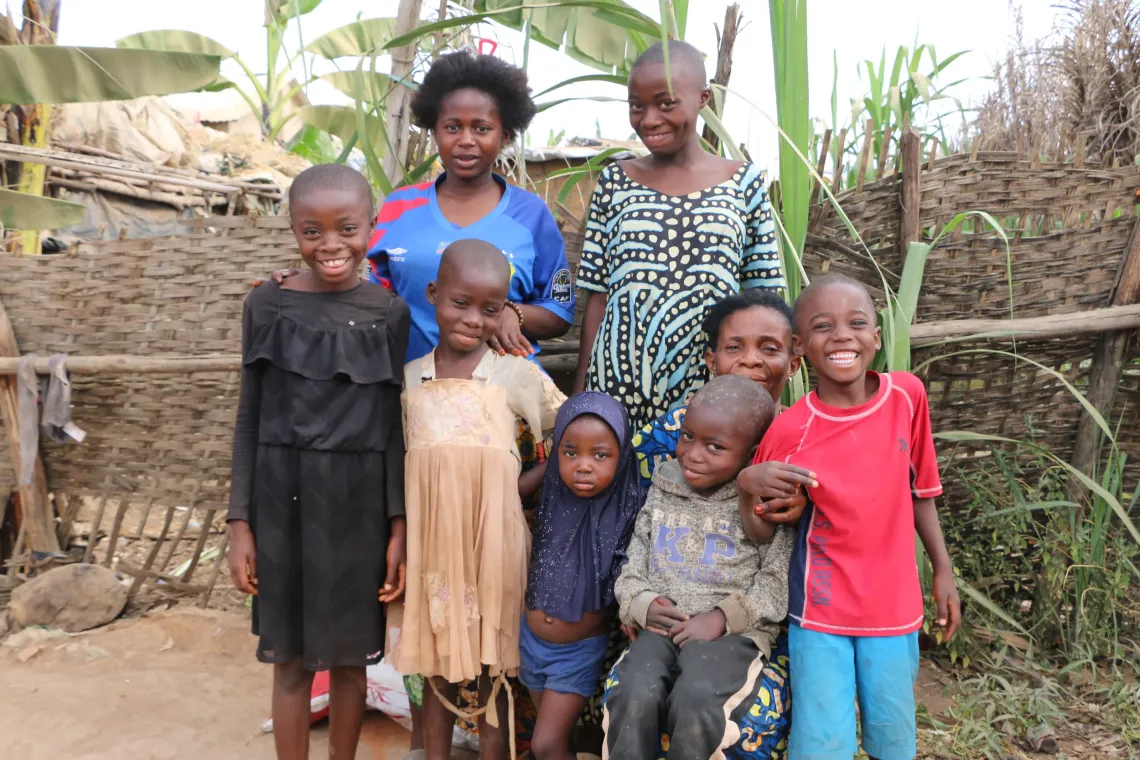
A few streets away, Jacqueline embodies the same spirit of generosity. Also a widow, she was already the mother of eight children when she agreed to take in a sibling group of four whose mother had died in the camp after an illness. Today, twelve children live under her roof. “From the very beginning, I prepared my children to welcome these four children as their brothers and sisters. Today, they live together as one family,” she explains.
Despite difficult living conditions and limited resources, Jacqueline remains proud of having opened her home to these four children. She hopes to receive support to develop an income-generating activity that would help her better provide for the needs of her expanded family.
Since the beginning of 2025, more than 70,000 people fleeing conflict in eastern Democratic Republic of the Congo (DRC) have sought refuge in Burundi. Among them are many children who were separated from their parents during the journey or crossed the border unaccompanied. The resurgence of fighting in South Kivu has further intensified protection needs.
Behind these figures, stories marked by loss, waiting, and uncertainty are unfolding in Musenyi. Some children do not know whether their loved ones are still alive, while others cling to the hope of receiving news from their families each day.
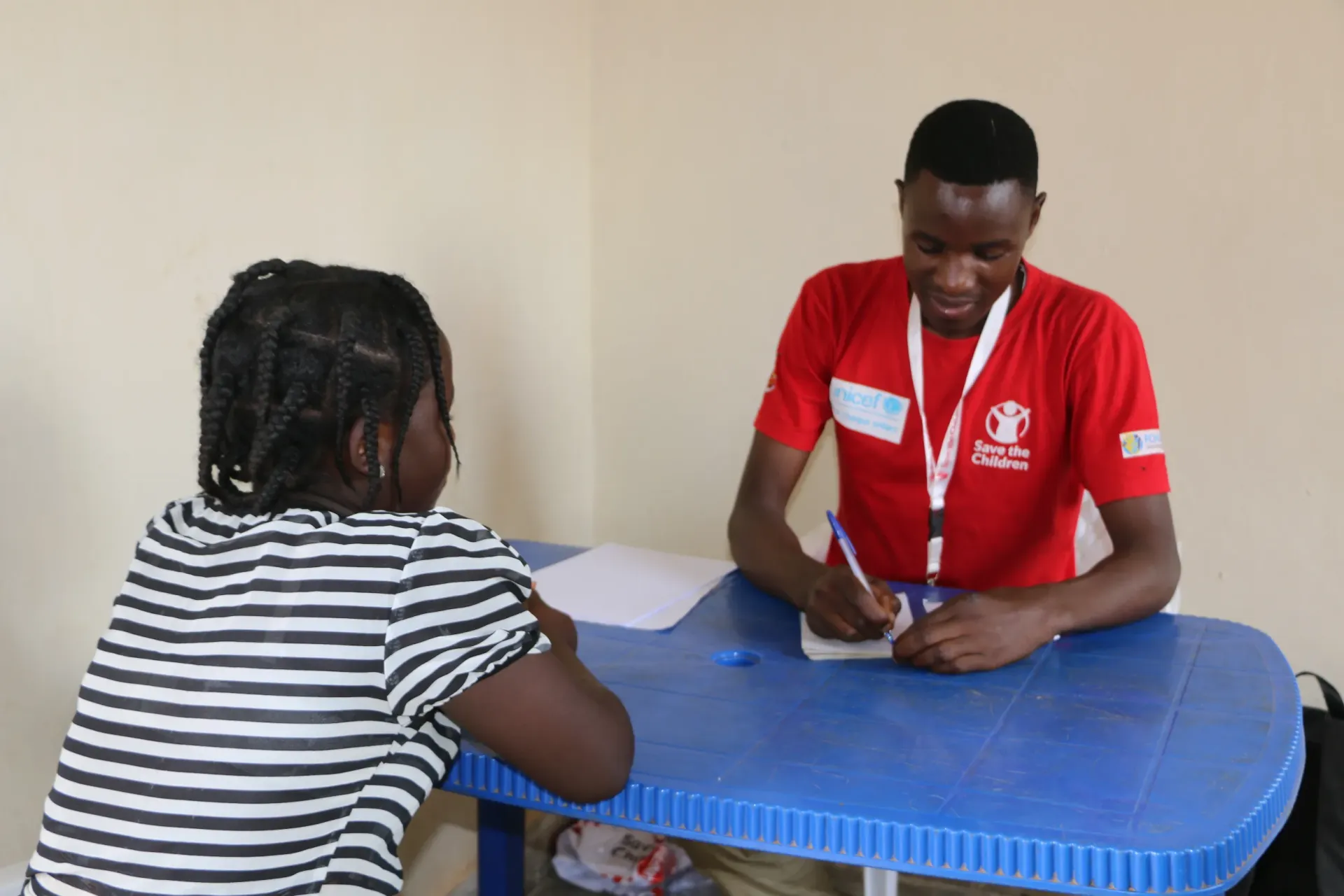
To respond to this emergency, Save the Children, in partnership with UNICEF and with funding from the Global Humanitarian Fund, is implementing a project aimed at strengthening protection for the most vulnerable refugee children. Through a structured child protection case management approach, the intervention identifies, supports, and follows up on unaccompanied and separated children, as well as children who have experienced violence, exploitation, abuse, discrimination, or neglect.
“When an unaccompanied child is identified, our first priority is to understand their journey: the circumstances of their separation, the conditions under which they traveled to Burundi, and their most urgent needs,” explains Yahya Nderagakura, Project Officer.
Each child undergoes a comprehensive assessment and receives individualized support. Whenever possible, the teams work with partners to trace parents or other family members.
“We carry out what is known as a Best Interests Determination (BID). When a child wishes to be reunited with their family, we collaborate with the ICRC on family tracing and possible reunification,” he explains.
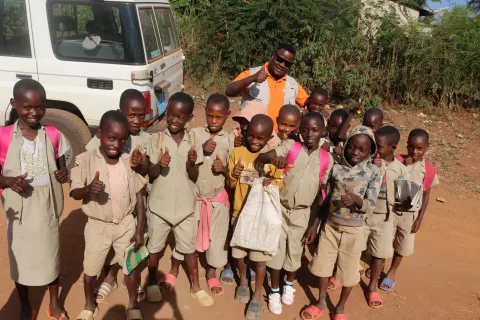
Today, 242 unaccompanied children, including 134 boys and 108 girls, are being supported in Musenyi. In addition, more than 1,061 separated children, including 538 boys and 523 girls, receive regular follow-up and support. Fortunately, some stories have happy endings.
“Thanks to family tracing and reunification efforts, two children were recently reunited with their biological parents at the Busuma refugee site. Four others have had their parents located in the DRC, and procedures are underway to facilitate their reunification,” Yahya says with satisfaction.
When family tracing efforts take time or when no relatives can be located, foster families are identified within the camp to provide children with a safe and protective environment. This is how the teenage girl welcomed by Gertrude and the four siblings taken in by Jacqueline each found a new home.
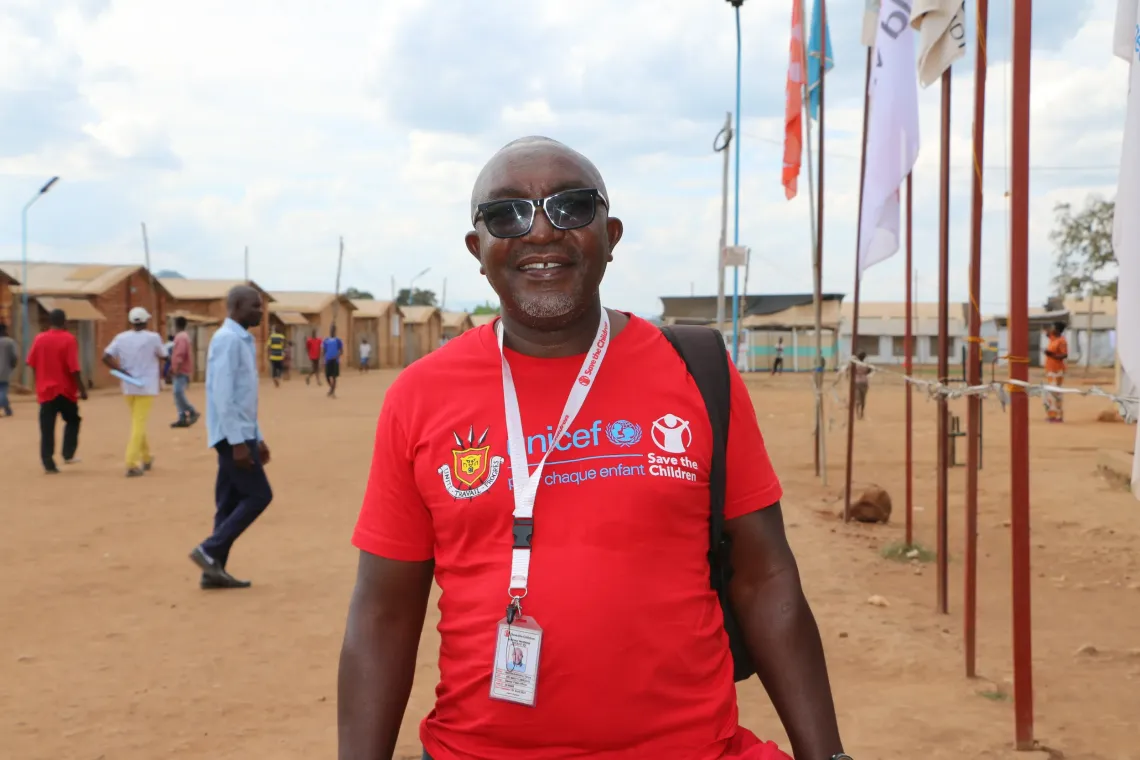
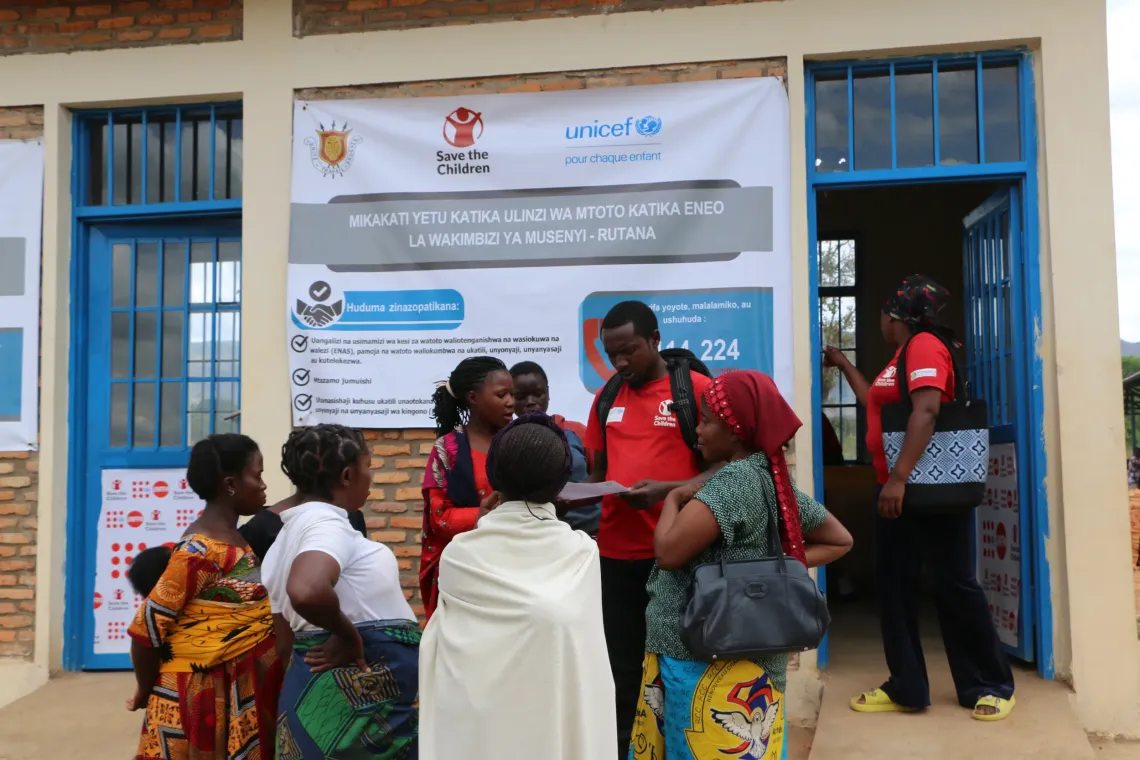
To ensure the well-being of children placed in foster care, community volunteers conduct regular follow-up visits.
Every week, Ishara Vainqueur Miyamura visits foster families, speaks with the children, and identifies any new cases that may require assistance. “We visit the children placed in foster families to see how they are doing. We check that they are being treated well, that they are safe and healthy, and that their needs are being met,” he explains.
His work also involves raising children's awareness of their rights, preventing sexual exploitation and abuse, and supporting the most vulnerable children in their daily challenges. “During food distributions for example, some children who come on their own can sometimes be overlooked. We step in to make sure they receive the assistance they are entitled to,” he says.
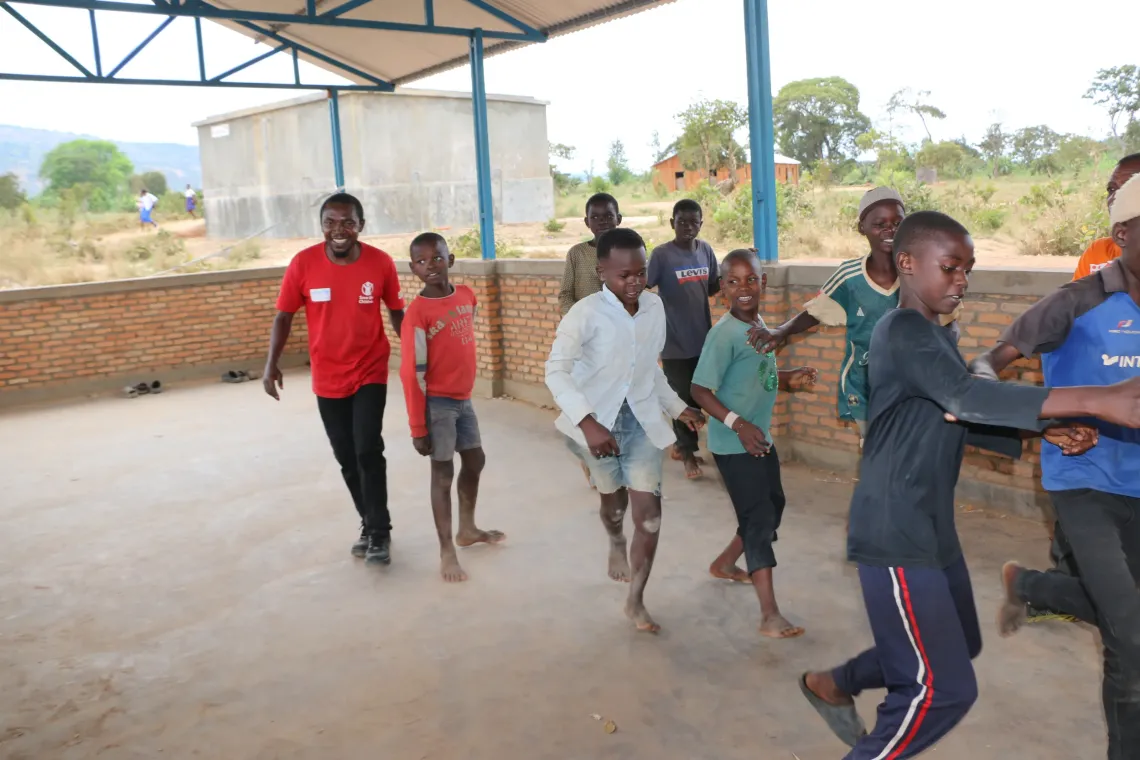
In total, fifty foster families have been identified in Musenyi, and thirty are already caring for children.
Based on the children's needs and feedback, protection teams may also decide to place a child with a different foster family to ensure their safety, well-being, and best interests.
Despite the progress achieved, significant challenges remain. Humanitarian funding is declining while needs continue to grow. Foster families often struggle to cover the costs of food, clothing, and education, and family tracing efforts can take months, leaving some children waiting for news of their loved ones.
Yet every successful reunification and every child welcomed into a safe and caring environment is a victory. In Musenyi, women like Gertrude and Jacqueline demonstrate every day that beyond blood ties, solidarity can provide a child with what they need most: protection, care, and hope.