UNICEF installs solar refrigerators to strengthen Burundi’s immunization cold chain
As part of its partnership with the Government of Burundi to support immunization, UNICEF has strengthened the cold chain by supplying solar refrigerators to several health facilities.
- English
- Français
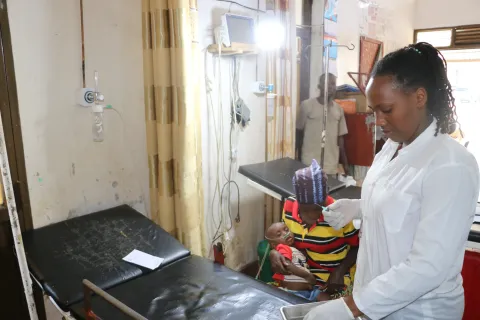
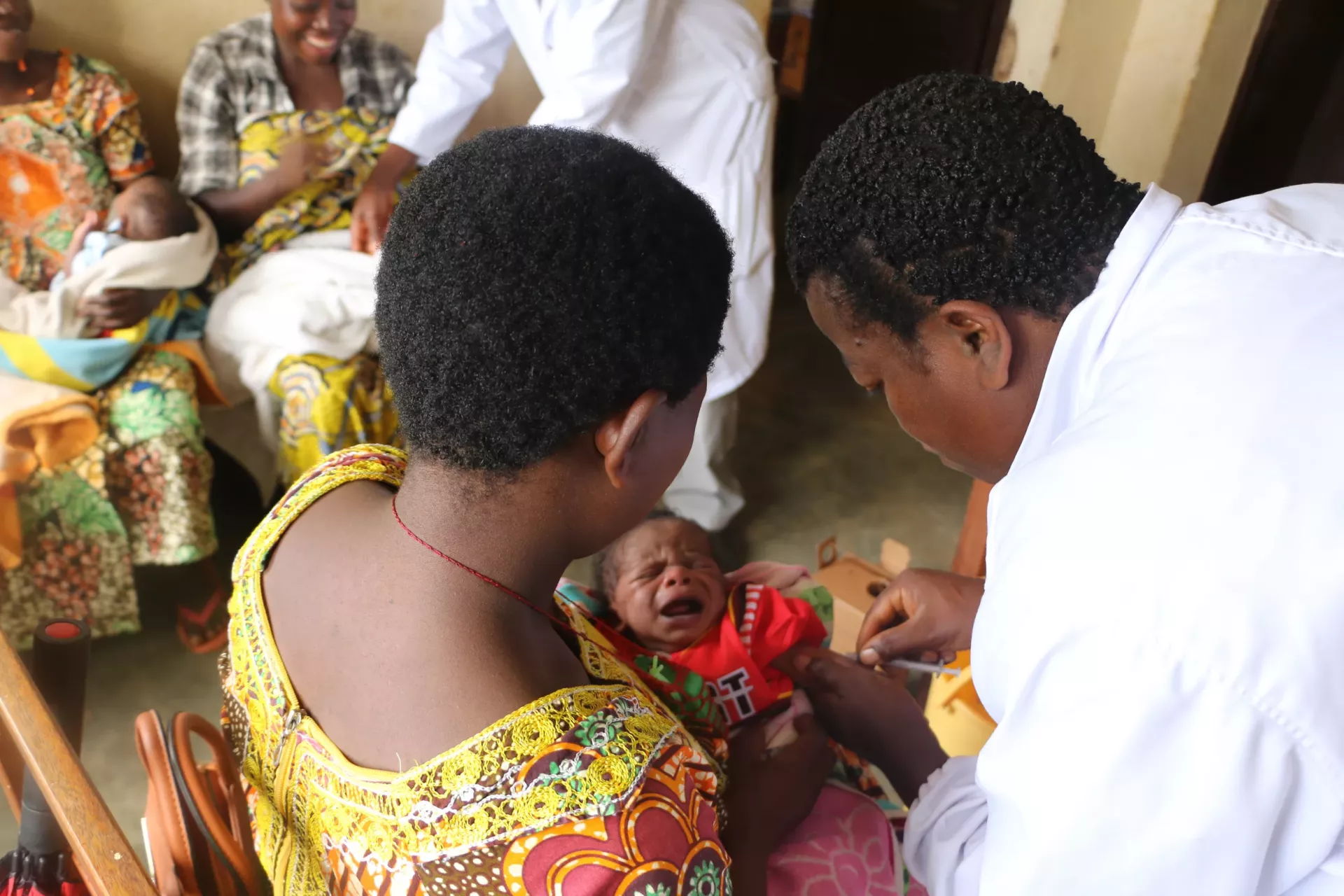
Next to the hills, surrounded by green fields and adjacent to a lively market, the Rutoke Health Center in the province wakes up to the rhythm of consultations, children laughing and crying.
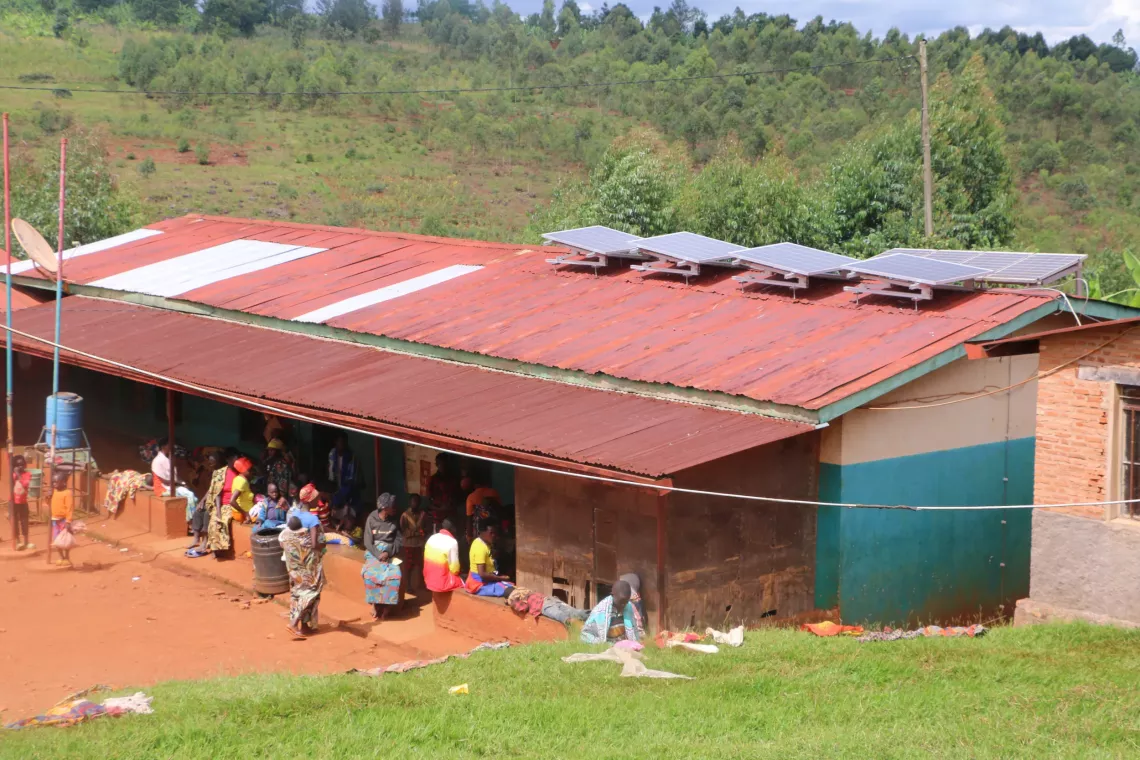
By mid-morning, the aisles of the health center are already bustling with patients. However, beyond this familiar activity, a notable change catches the eye: solar panels are now glistening on the roof of the building. This installation powers a new refrigerator for storing vaccines.
Thanks to financial support from the World Bank, UNICEF is currently equipping 80 health facilities across Burundi with solar-powered refrigerators. These units ensure that vaccines are stored in optimum conditions, guaranteeing their effectiveness and safety, even in areas with limited access to electricity. To date, 28 centers, including Rutoke, have already benefited. This distribution aims to strengthen the cold chain, a crucial link in ensuring the effectiveness of vaccines administered to children, young people, teenagers, and pregnant women.
"Before this fridge was installed, we were often faced with stock-outs. We had a small fridge and had to make frequent trips back and forth between our center and the hospital in Gitega. Some mothers would leave without having had their children vaccinated," explains Havyarimana Rubéni, Chief of the Rutoke Health Center.
The new solar refrigerator offers considerably increased storage capacity. Thanks to this equipment, the center can now store a larger volume of vaccines, eliminating the need for costly trips to provincial hospitals. This improvement not only guarantees the continued availability of vaccines but also ensures more effective care for children and pregnant women.
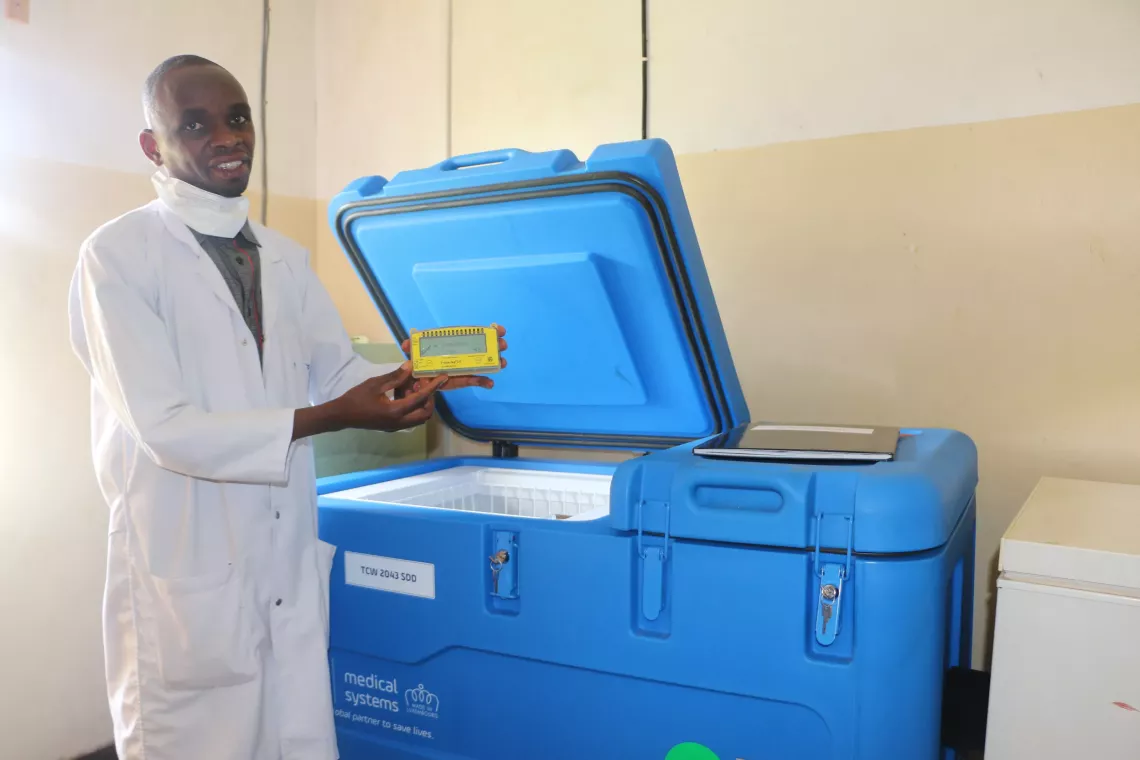
Bigirimana Mélanie, a care assistant for 13 years in Rutoke, remembers the constraints of the past: "Before, our small fridge ran on electricity, but with the frequent power cuts, we sometimes lost control of the temperature. Sometimes the vaccines froze, and at other times, they got too hot... They became unusable. Today, thanks to solar energy, this problem has been solved. The temperature is stable!” This testimonial provides a concrete example of the positive impact of sustainable solutions implemented to secure the cold chain, particularly in areas where access to electricity remains limited or unstable.
In the courtyard of the center, Jeanine Niyungeko, a young mother, is waiting for her turn. With her baby in her arms, she shares what she has heard: "I've never had this problem, but I have neighbors who have had to go home without vaccinating their children because of a lack of stock. Today, that's no longer the case.”
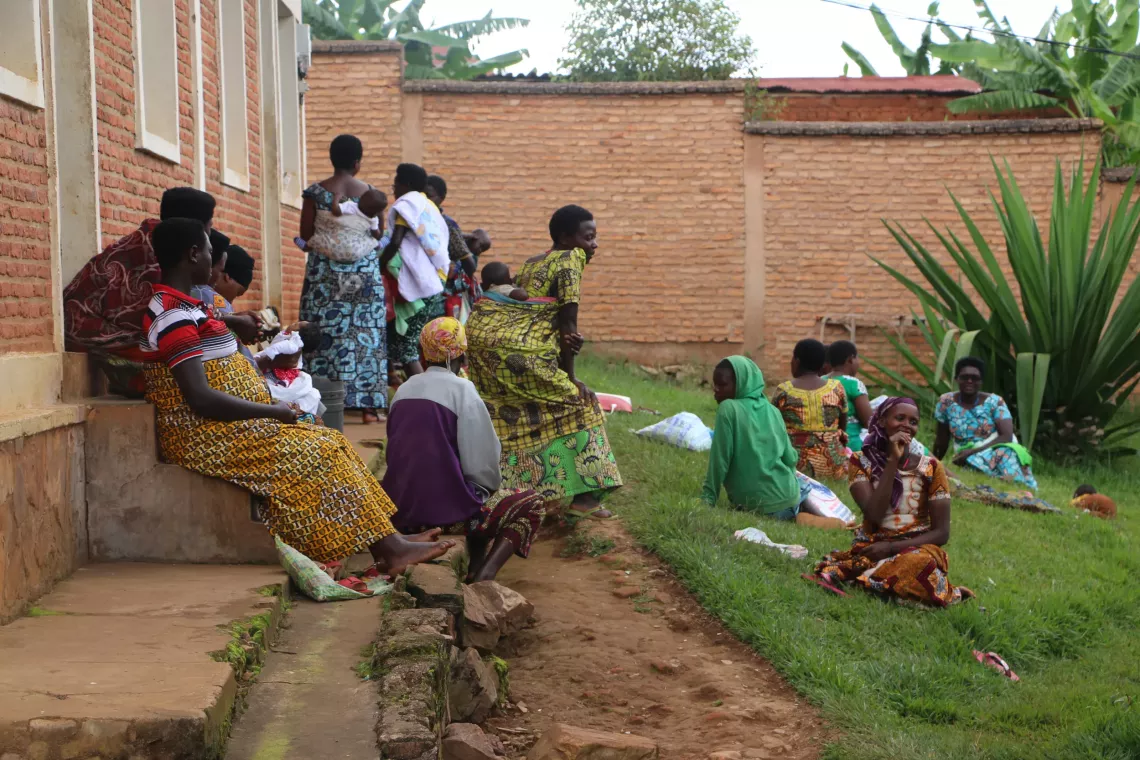
Three hours later, at Giheta Municipal Hospital, the scene is similar. Under a clear sky, women laugh and chat as they sit on the grass in front of the vaccination ward. They are all waiting for their children to receive their dose.
"Before, we had an unreliable paraffin fridge that sometimes smoked. We had to store the vaccines elsewhere. Now, with UNICEF's help, everything has changed," says Ndayiziga Séverin, head nurse. He concludes with a smile: "Today, there are more vaccines than there are applicants.”
Despite significant progress, challenges remain. Some parents say they lack the time or the means of transport, or don't realize the importance of completing the full vaccination schedule. These obstacles, which are often invisible, require additional efforts to raise community awareness and provide support for families.
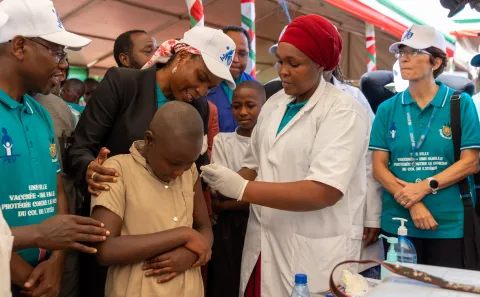
To overcome these difficulties, on-the-ground outreach strategies have been implemented. As Havyarimana Rubéni explains: "We have adopted another strategy. We now conduct door-to-door campaigns in the community, where we ask mothers to bring their mother-child records to verify that they have received their vaccinations regularly. We visit places where we're sure to find people, such as markets, churches, or schools, to vaccinate as many children as possible. This targeted approach allows us to reach families where they are, reducing barriers to access.”
Thanks to innovative and sustainable solutions, such as solar refrigerators, UNICEF is helping to reduce inequalities in access to healthcare and to ensure that every Burundian child has a fair chance of a good start in life. The fight against preventable diseases continues, vaccine after vaccine, center after center.