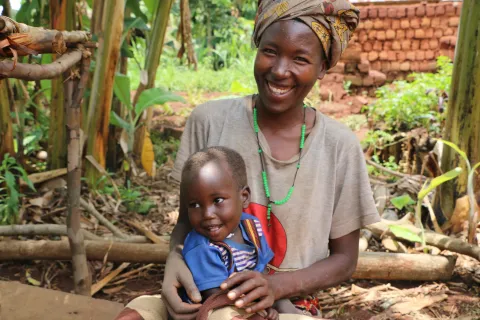
Thanks to USAID funds, UNICEF supports the provision of quality care for malnourished children
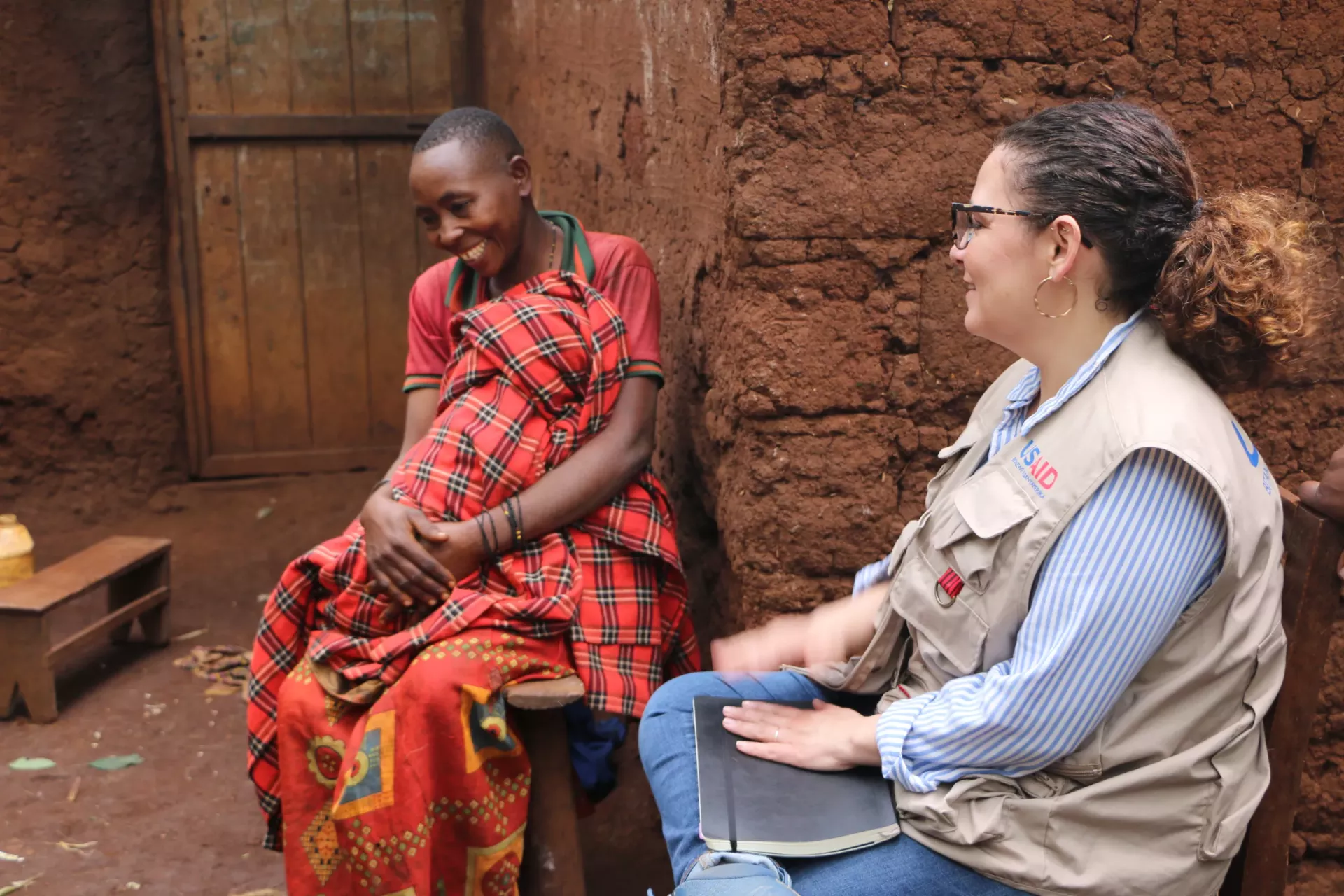
A delegation from the United States Agency for International Development (USAID) visited the provinces of Muyinga and Kirundo from 16 to 18 January 2024 to monitor the progress of the project's implementation and impact.
- English
- Français
On Kizi hill, located in the commune of Gasorwe, Muyinga province, the weather was warm and sunny. The USAID delegation, accompanied by World Food Programme (WFP) and UNICEF employees, walked for a few minutes to meet Ciella, a 3-year-old girl recently cured of severe acute malnutrition after receiving three months of care in the therapeutic stabilization unit and the outpatient treatment facility (OTA) in the Muyinga health district. Gertrude, her mother, greeted us with a welcoming smile, which brightened further upon learning that her hosts were from USAID, whose support had made her daughter's recovery possible.
Ciella had been diagnosed with severe acute malnutrition a few months earlier during a screening session in her locality before being transferred to the therapeutic stabilization unit of the Muyinga health district for appropriate treatment. "I have no words to express my gratitude to those whose support enabled my child to receive treatment," Gertrude shared, smiling.
Gertrude recalled the alarming symptoms: "My daughter lost weight dramatically, suffered frequent bouts of diarrhea and fever, and sometimes battled malaria. She had lost her appetite," she recounted. After two weeks of treatment in the therapeutic stabilization unit, Ciella was referred to the OTA in the Muyinga health district, where she received treatment for two and a half months, with weekly follow-ups.
During her stay at Muyinga Hospital and the district health center, Gertrude gained valuable knowledge about proper nutrition. "I now know how to prepare a balanced diet for my children and family," she proudly stated.
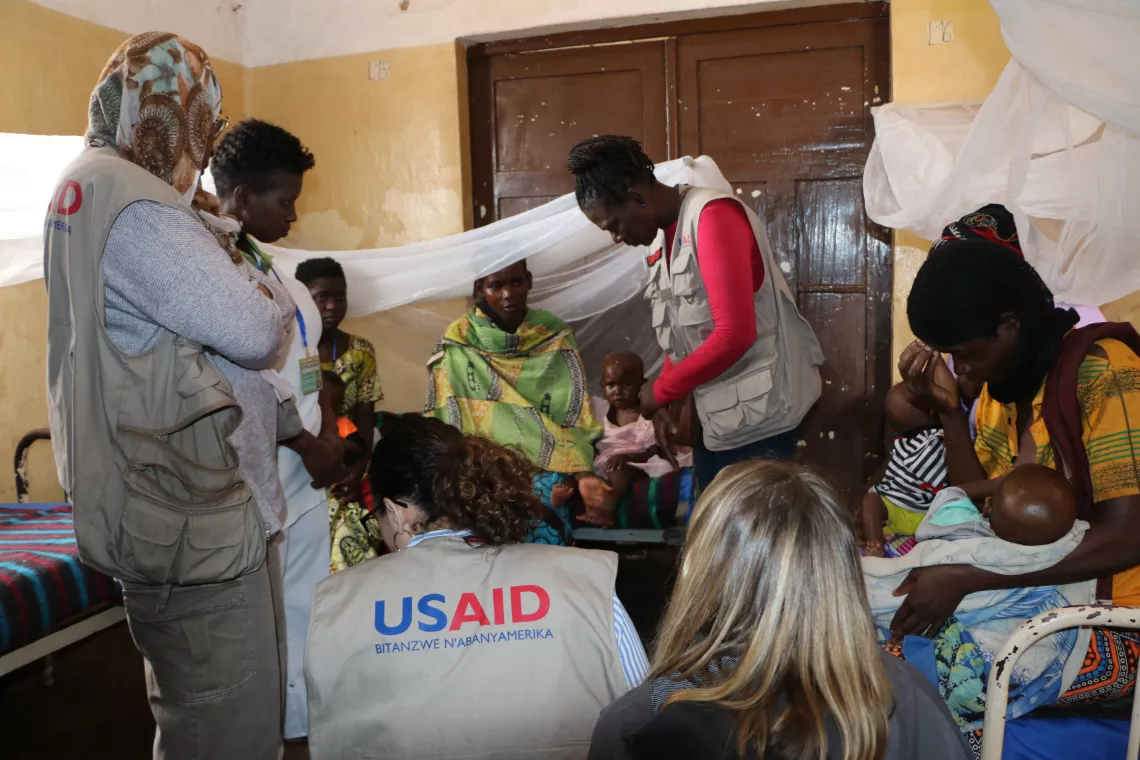
The therapeutic stabilization unit in Muyinga is one of three such units in the province. It accepts severe acute malnutrition cases with medical complications referred from 23 outpatient therapeutic services (OTA).
On average, ten severely malnourished children receive treatment in this department each month. At the time of our visit, four children suffering from severe acute malnutrition with medical complications were being treated with therapeutic milk and medications.
Discussions with the children's mothers revealed a common thread: malnutrition typically stems from family poverty, insecurity, low agricultural production, unemployment, and a lack of nutritional knowledge.
A poignant example is Eugénie Ntibihonyora, who, along with her husband, repatriated from Tanzania with eight children. The family struggles with insufficient arable land and her husband's inability to secure stable employment. "My son's illness stemmed from poor nutrition. By the time I took him to the nearest health center, he had lost significant weight, was feverish, and appeared severely anemic. Following the screening, he was transferred to the therapeutic stabilization unit," she recounted, hopeful for her son's recovery.
In Kirundo province, the delegation's visit to the Vumbi Nutritional Centre coincided with the treatment day for malnourished children. Upon arrival, they were met by hundreds of mothers, cradling their children, already waiting for care.
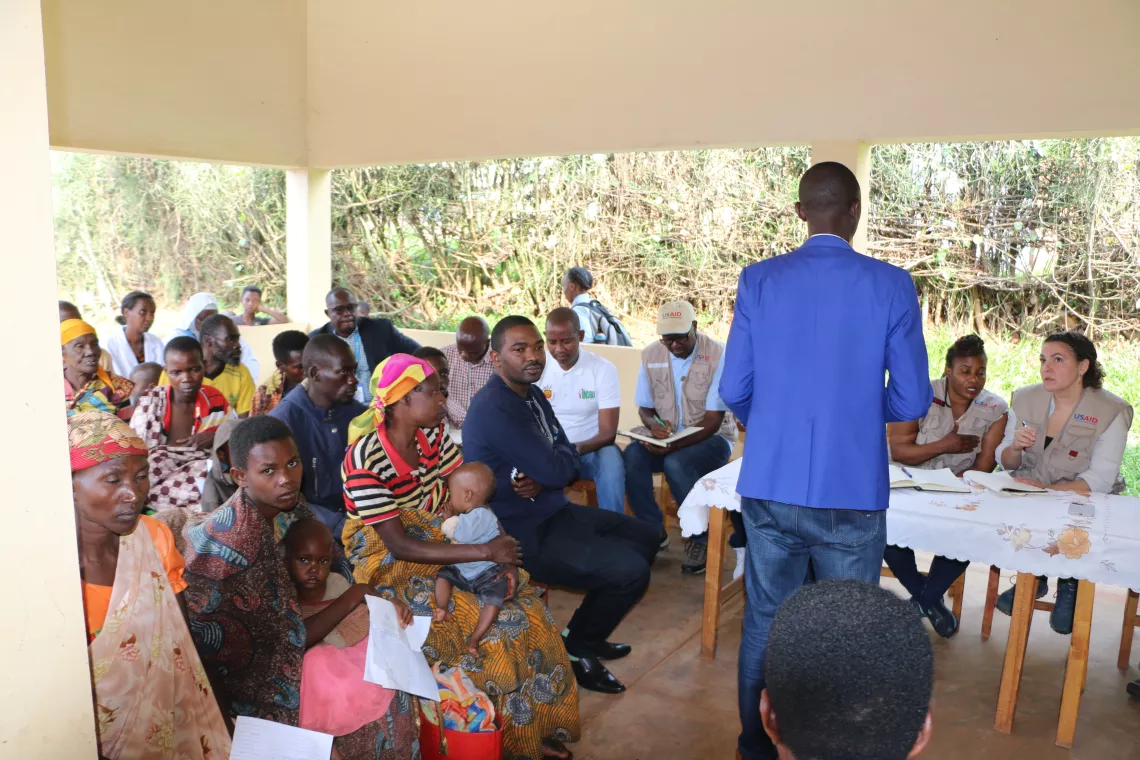
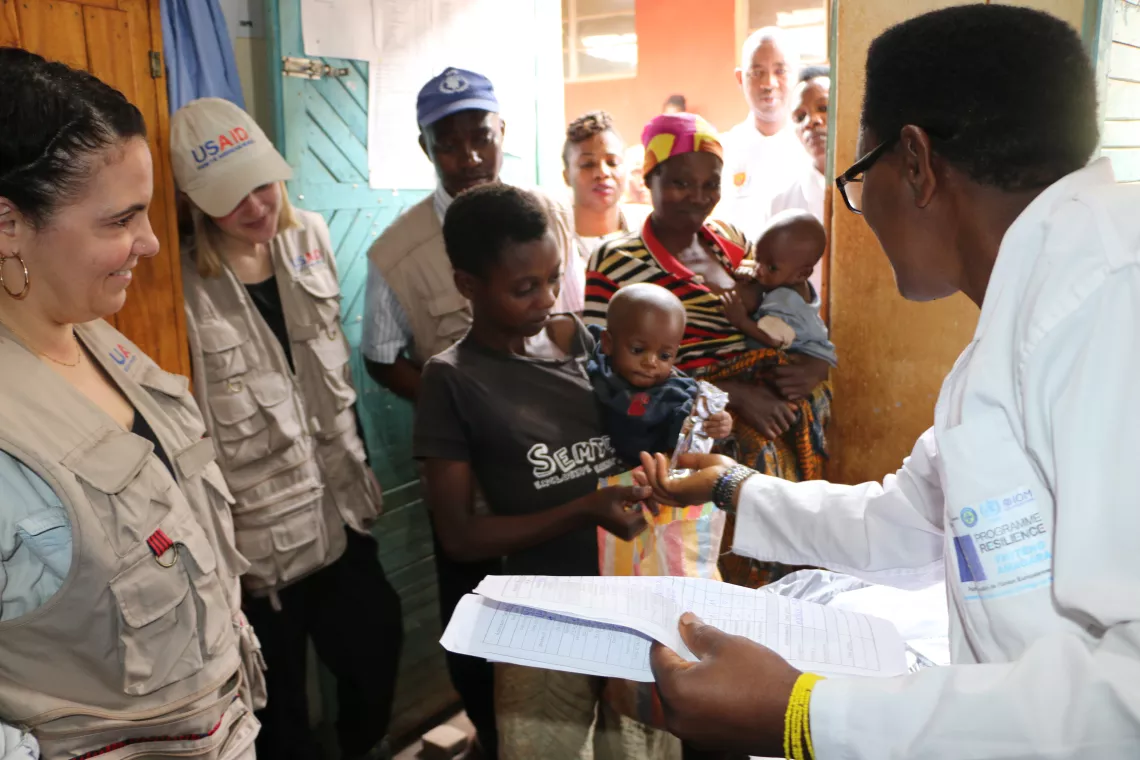
Extensive discussions with the children's mothers and the health center and district staff provided insight into the Vumbi Health Center's comprehensive care for acute malnutrition.
According to the head of the center, the process begins with screening for malnutrition among children and pregnant and breastfeeding women, both at the community level and at the health center, facilitated by community health workers and the Mamans Lumières. Severely acutely malnourished children are referred to the health center for confirmation and treatment. Children with confirmed moderate acute malnutrition receive treatment at the Nutritional Supplementation Service, supported by the WFP, while those with severe acute malnutrition without complications are treated in the Ambulatory Therapeutic Service, supported by UNICEF. Similarly, cases with severe acute malnutrition with complications receive care in the Therapeutic Stabilisation Service, again with UNICEF support.
Thanks to funding from USAID's Office for Humanitarian Assistance, UNICEF, in collaboration with the Ministry of Public Health, is executing a program to treat severe acute malnutrition in children under five across Burundi's 18 provinces. Throughout 2023, more than 54,000 new cases of severe acute malnutrition were admitted and treated nationwide. Moreover, over 1,000 health and nutrition care providers received training in the national protocol for managing acute malnutrition, and more than 1,200 pharmacy management providers were trained in managing the supply chain for nutritional inputs and medications.