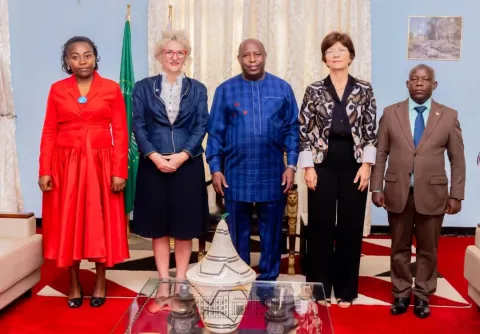
Religious leaders commit to health, gender equality and the well-being of Burundian families
In Ngozi, a high-level workshop brought together religious leaders, UNICEF staff and health authorities to join forces on improving gender equality and children's health by leveraging their influence within communities.
- English
- Français
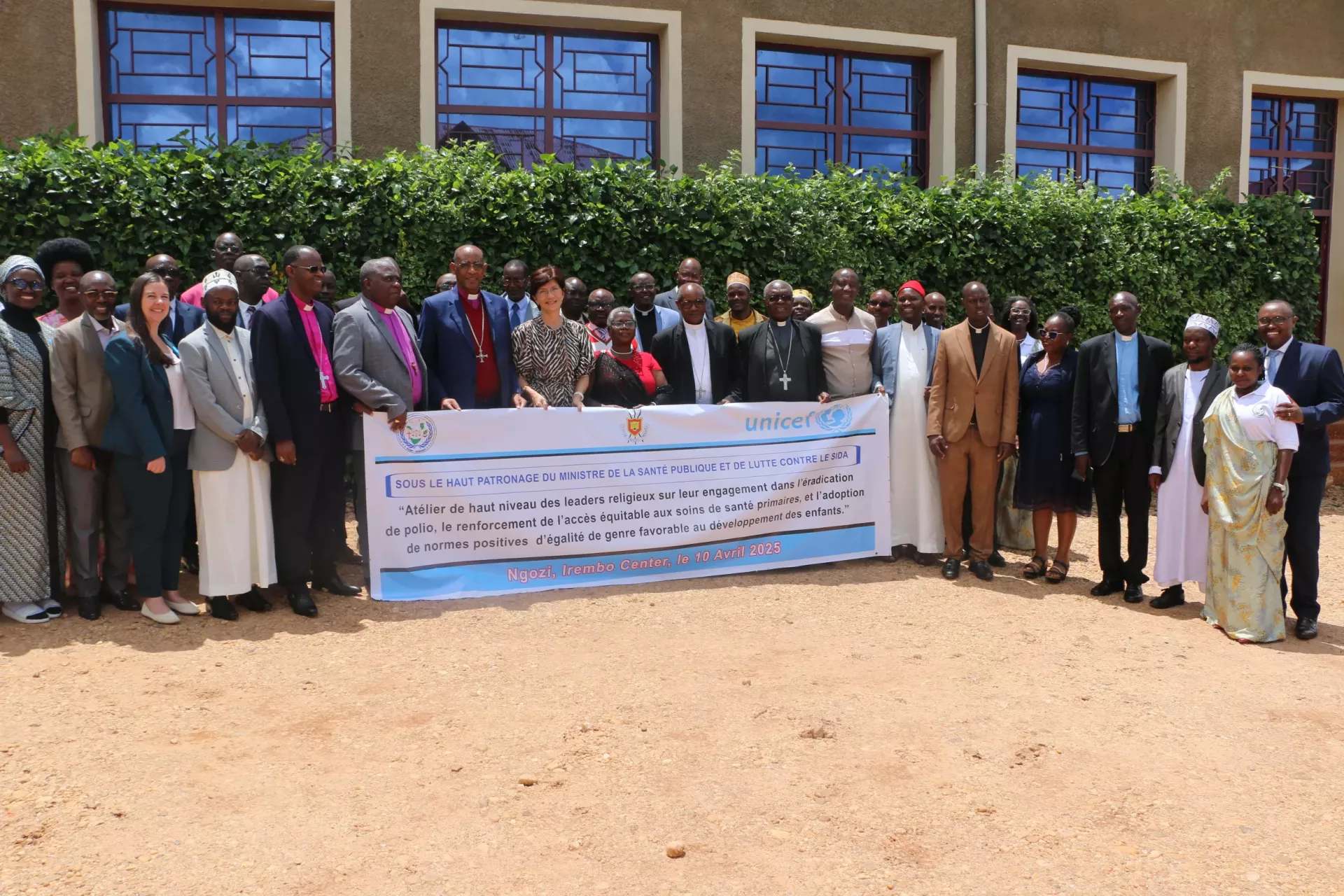
In a joint effort to improve public health in Burundi, a high-level workshop was held on 10 April 2025 in Ngozi province. Organised by the Réseau des Confessions religieuses pour la promotion de la santé et le bien-être intégral de la famille (RCBIF), in partnership with UNICEF and under the leadership of the Ministry of Public Health and the Fight against AIDS, the event highlighted the central role of religious leaders in the country's social and health transformation.
The main objective of the workshop was clear: to strengthen community commitment around three major themes: the eradication of polio, equitable access to primary healthcare, and the promotion of gender equality norms that are conducive to the harmonious development of children.
The event, funded by the Gender Mainstreaming Group for Polio Eradication, brought together religious leaders from all denominations across the country, alongside representatives from the government, UNICEF and the media. Together, they laid the foundations for a new community dynamic focused on health, equity and inclusion. Presentations focused on the current state of immunisation in Burundi, the results of an analysis of socio-cultural and gender-related factors limiting access to primary health care, the global fight to eradicate polio, and RCBIF's ongoing family programmes to promote the well-being and health of children. Participants then had a lively discussion on how the government and religious denominations can continue supporting one another to advance children's health and well-being — by involving fathers, promoting access to immunisation and healthcare, and finding new and creative ways to mobilise resources for health.
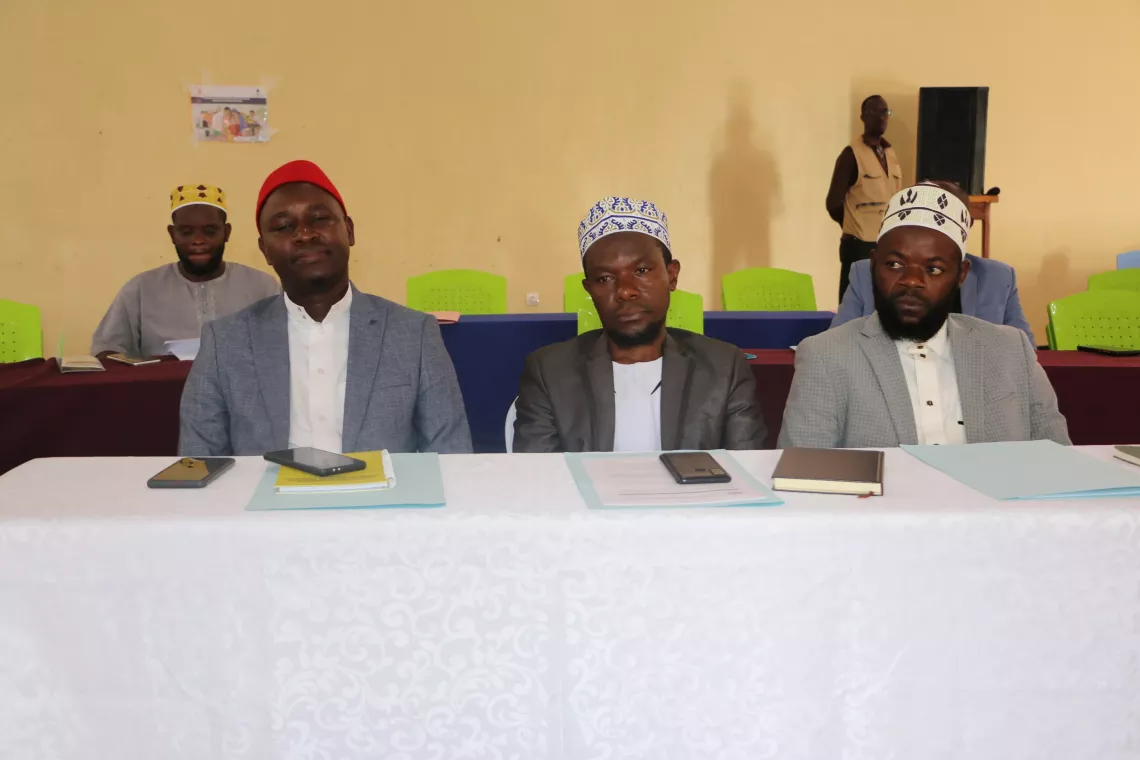
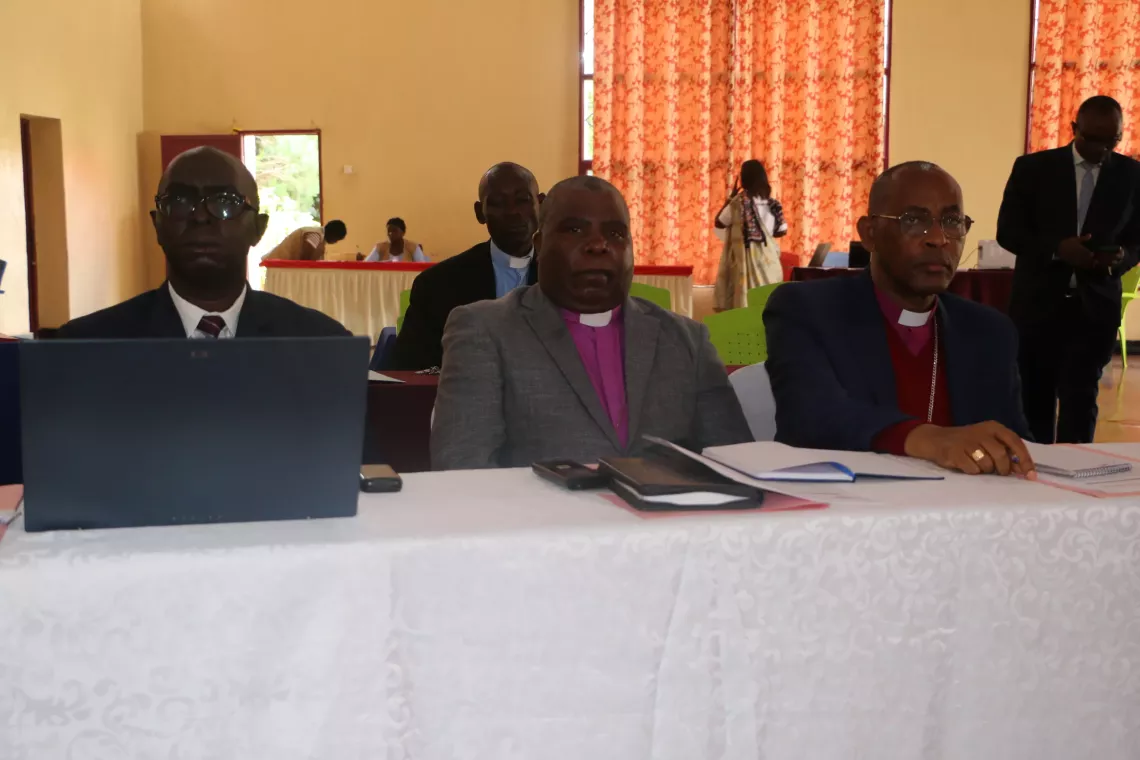
In the face of persistent health challenges, the organisers were counting on the mobilising power of religious denominations, whose voices resonate deeply within local communities. “Your voice can help change mindsets, to the benefit of women, men and above all children,” UNICEF Representative France Bégin told participants.
In her speech, the Minister for Public Health and the Fight against AIDS paid tribute to the unwavering commitment of religious leaders. Recalling with emotion her former work at a Catholic-affiliated hospital, she underlined their vital role, guided by “seriousness, professionalism and love of neighbour.”
The Chief of Staff of the Governor of Ngozi painted a realistic picture of the challenges faced in this sector: “The distance between households and health centres, limited access to facilities, and cultural or social resistance — particularly around vaccination and the role of fathers — are major obstacles to overcome.” He nevertheless stressed the importance of synergy between state and non-state actors in addressing these issues.
Chairing the RCBIF, Bishop Blaise NZEYIMANA called for unity and mobilisation: “By joining forces and engaging our communities, we can make a real difference in promoting primary healthcare and positive gender norms.”
Beyond the rhetoric, the Ngozi workshop marked a concrete step toward collective action. It reflects the growing desire to engage all social actors in building a healthier and more equitable Burundi.
With the active involvement of religious denominations, whose moral authority is profound, there is hope for a future in which every child, every woman and every man has access to quality healthcare — in a society rooted in respect, solidarity and equality.