Model couples in Ngozi: when fathers and mothers come together for children’s well-being
Thanks to a project supported by the Gender Mainstreaming Group (GMG), a member of the Global Polio Eradication Initiative, 170 couples with children under 5 in Ngozi province are tackling gender stereotypes by adopting positive parenting practices
- English
- Français
A silent revolution is underway in Ngozi. In a society where cultural norms assign women almost all domestic and parental responsibilities, some couples dare to break barriers to build balanced households that ensure their children’s access to healthcare and vaccination.
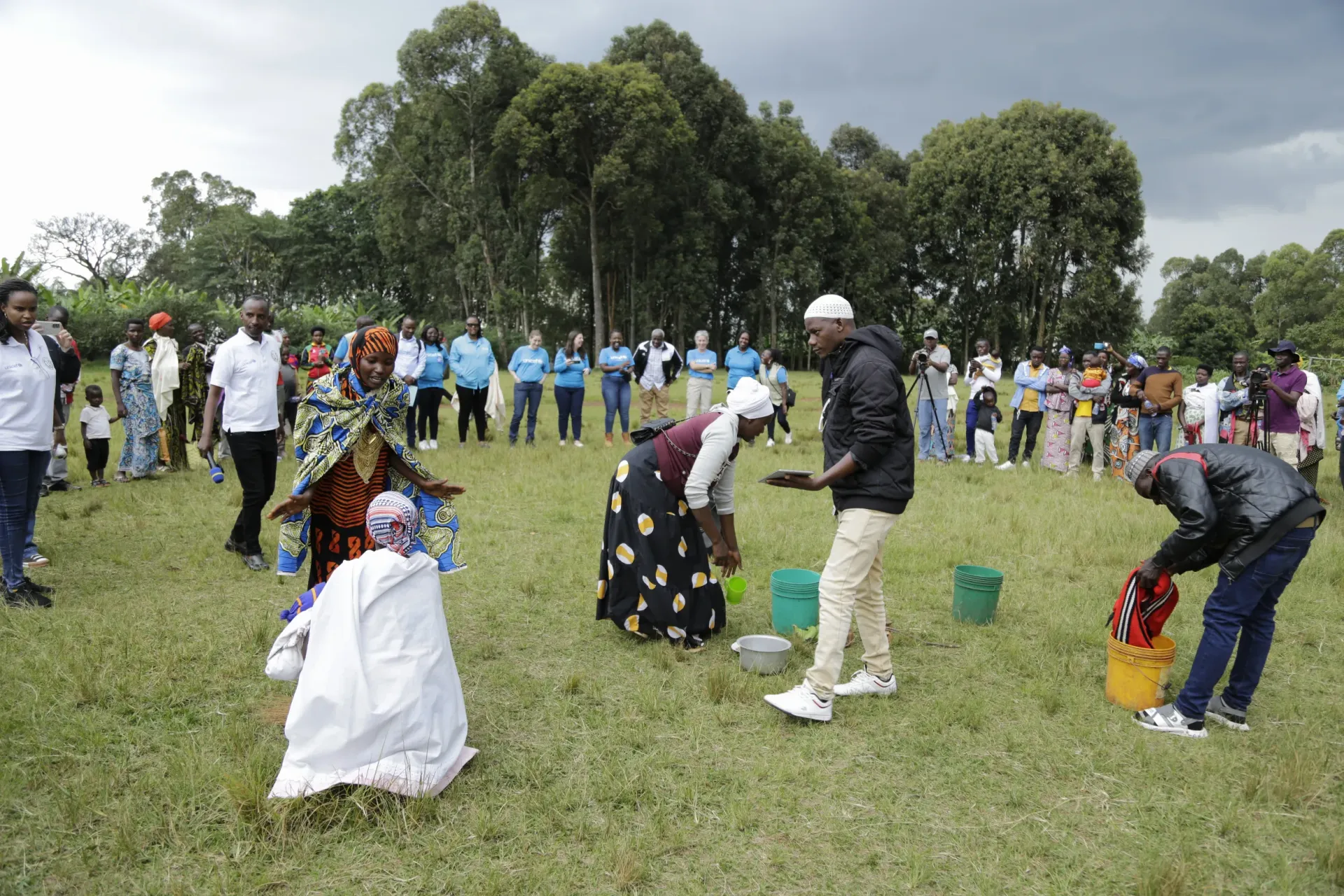
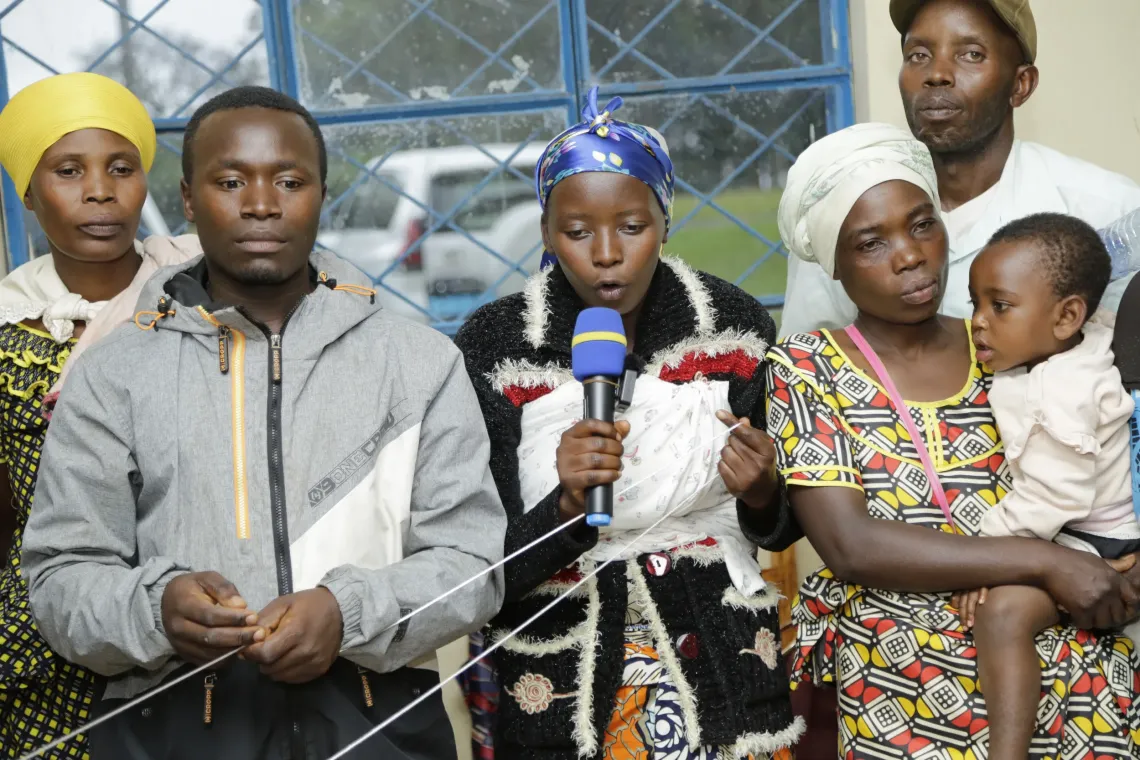
During the project’s closing ceremony, several couples testified to the behavioral changes in their homes thanks to lessons received from model couples and religious leaders.
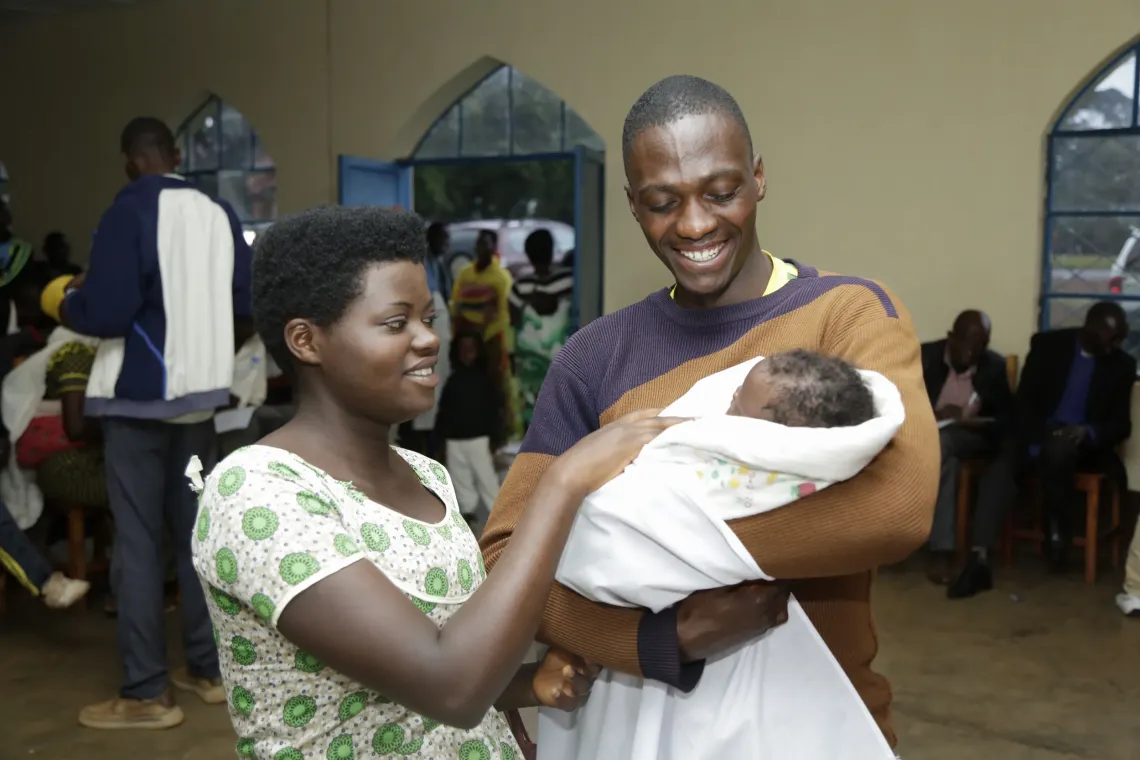
Among them, Gilbert and Florence have become living examples of this change:
Gilbert proudly shares his experience:
"Before, I could never take my child for vaccination—it was almost impossible. But now, I did it, and I’m proud because it’s my child and my duty to care for him."
This simple act, commonplace elsewhere, caused a stir at the health center. Gilbert was the only man in a line of women. Surprised looks, whispers, and even accusations of witchcraft followed.
"A woman asked me if my wife had bewitched me. I told her it was thanks to the lessons we received."
For Gilbert, this experience symbolizes breaking away from beliefs that hinder men’s involvement in family life and childcare.
"I’m happy with what I’ve learned. My wish is for these teachings to reach other couples so they can change for the well-being of their children and families. I would tell other men to change and fully assume their responsibilities toward their families."
A profound transformation at home
Florence, his wife, shares emotionally: "Before, my husband came home in the evening and didn’t help at all. Even pregnant, I did everything alone. He saw me as a servant, not as his wife."
But the lessons received changed this dynamic. Today, Gilbert helps with household chores, cares about his wife’s health, and takes initiatives for the family’s well-being:
"When he said he wanted to take our child for vaccination; I was surprised but happy. When he came back, he told me about people’s reactions. I’m proud of him."
Florence concludes with gratitude: "If I compare before and after, he has really changed. He helps with everything and asks how my day was. I’m happy. I thank this project, and my wish is for it to be extended to other communes and provinces."
Breaking norms to build the future
The story of Gilbert and Florence illustrates the power of community programs that promote equality and shared responsibility. By abandoning harmful cultural norms, these couples create homes where respect and dialogue prevail.
This change benefits not only spouses—it improves children’s health and inspires the entire community. It also reduces conflicts within couples and restores family cohesion. In Abduljabar’s words, another participant: "Before, I was often absent at home, spending my days alone in the street and unable to buy food for my family. At home, there was always conflict. With the messages I received, now I take much more care of my family, wash the children’s clothes, help them with homework, and go out with them."
Aicha, his wife, confirms: "Before, he didn’t contribute at all to the family. All the burden of the children was on me. But now there is family cohesion and complementarity. We make all decisions together, including financial ones, prioritizing the well-being of our family and children."
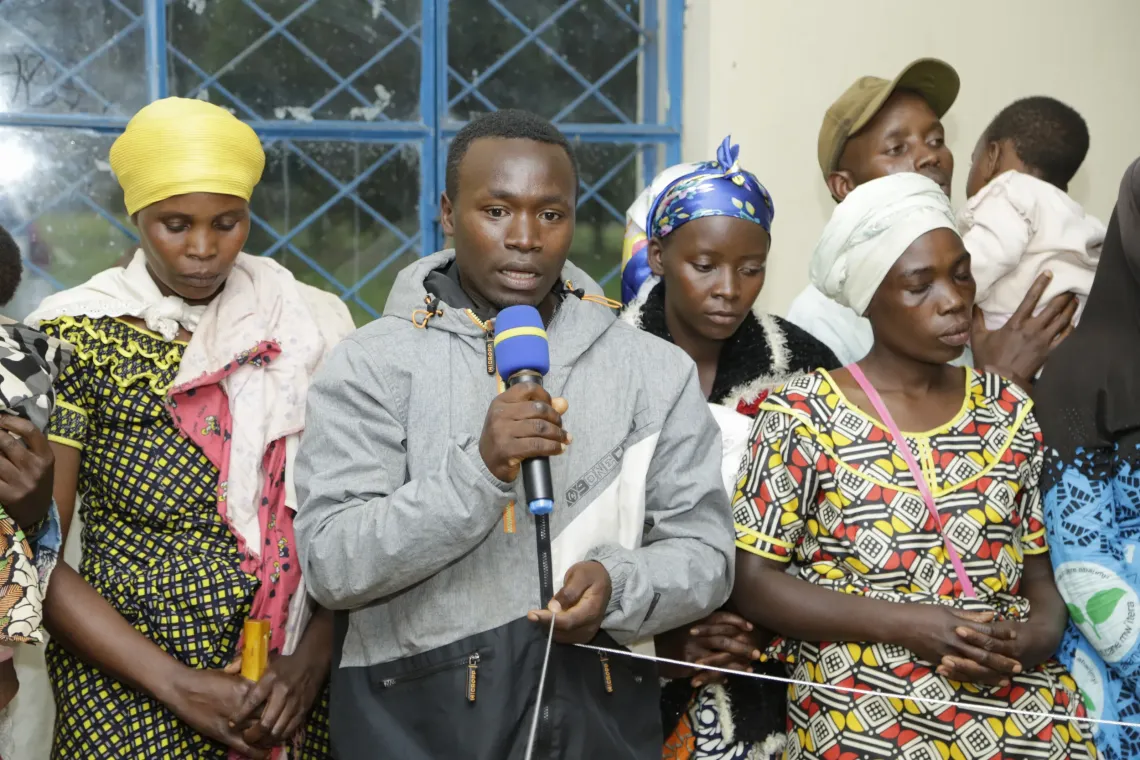
Since 2023, UNICEF Burundi and the Ministry of Public Health have been working to transform social norms limiting access to primary healthcare, especially vaccination. A gender analysis conducted by UNICEF in 2024 revealed that 37% of respondents—70% of them men—consider traditional norms and unequal distribution of domestic roles as major obstacles for women and children to access primary healthcare, particularly vaccination. Stereotypes that assign children’s health entirely to mothers worsen these challenges, with some fathers fearing stigma if they get involved.
To address this, the pilot project supported by GMG mobilized 75 religious leaders to accompany 170 couples with young children, promoting equitable parenting behaviors. Families like Gilbert and Florence’s show that lasting change is possible.