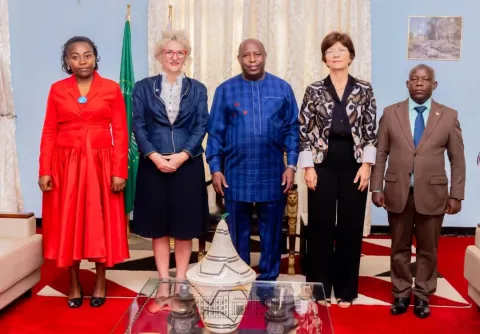
Joint mission to monitor the programme cooperation between the Government of Burundi and UNICEF
Led by Ambassador Gaudence Sindayigaya, Director General for Multilateral Relations at the Ministry of Foreign Affairs and Development Cooperation, the mission toured the provinces of Ngozi, Kayanza and Kirundo from 26 to 27 February 2025.

- English
- Français
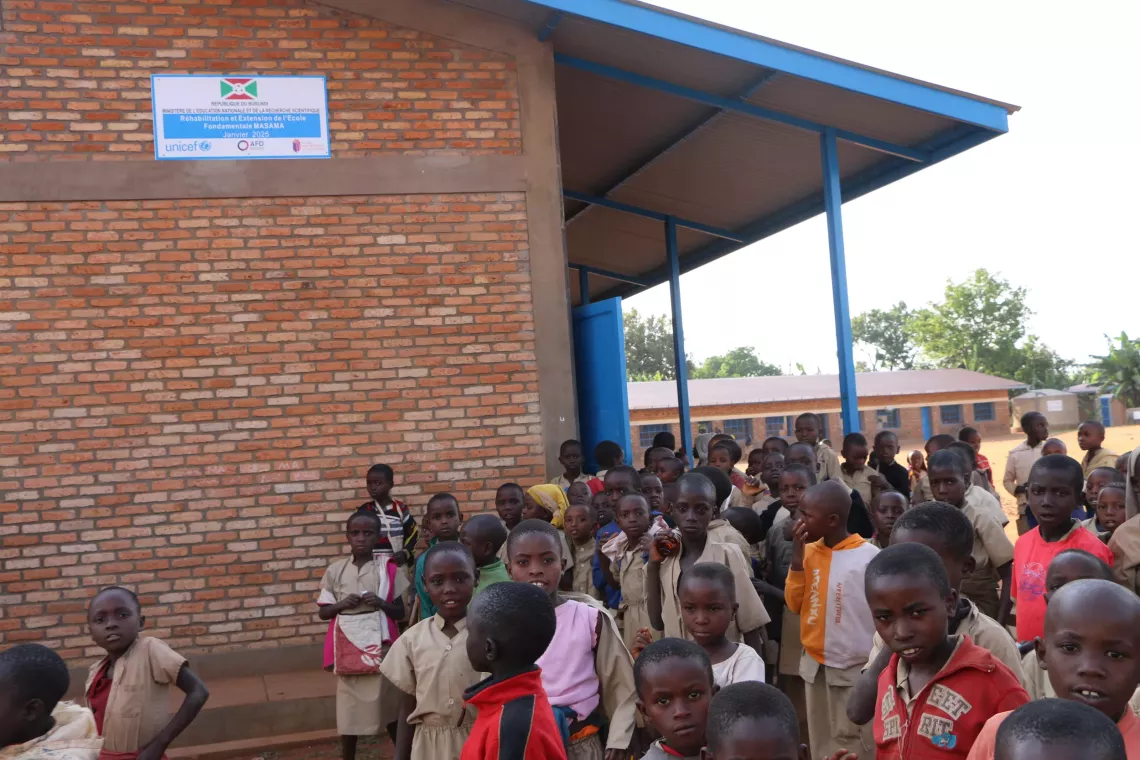
At around 3 p.m., the joint mission team that had taken the Kayanza route arrived at Masama Primary School (ECOFO) in the commune of Muhanga. The afternoon group of pupils was still in class, as the school operates a double-shift system.
The weather was fine. Sunlight filtered through the windows, creating a soothing atmosphere. For this delegation, it was the first stage in a series of three visits in the province. At the same time, two other teams were touring the provinces of Ngozi and Kirundo. The objective was the same: to assess the impact of the interventions jointly and to engage with local authorities and communities about their involvement in and satisfaction with the programmes financed by UNICEF.
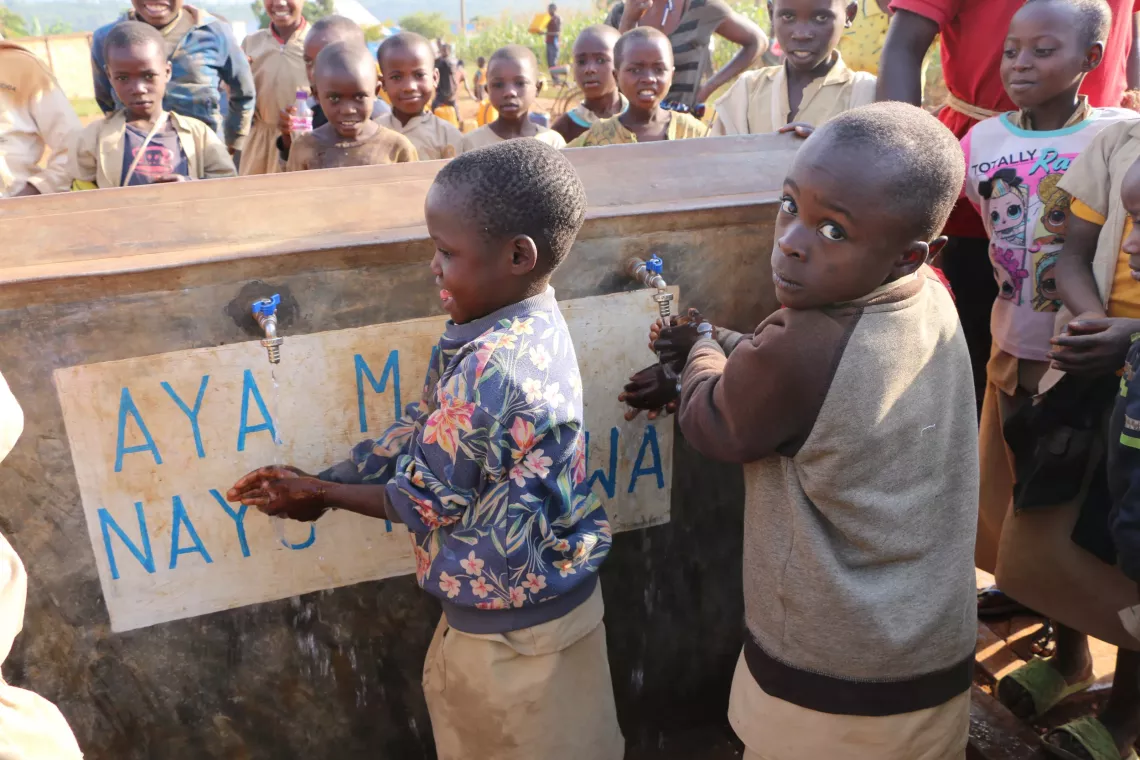
Thanks to the second phase of the “Twige Neza” project, funded by the Global Partnership for Education and AFD, ECOFO Masama has had six classrooms rehabilitated, four new classrooms built, electrified and equipped with desks, two blocks of 21 latrines built, four water points installed in the schoolyard, and three sustainable rainwater collection systems put in place. With the support of the Embassy of the Netherlands in Burundi, the school is also benefiting from interventions aimed at reducing cases of pregnancy in the school environment.
“Thanks to this support from UNICEF, the classrooms are now less crowded, and the dropout rate has fallen sharply—from 165 last year to just 16 this year,” proudly said the Director of ECOFO Masama.
Discussions between the delegation and the school management committee raised important questions about the impact of these interventions, the challenges that remain, and above all, the involvement of all stakeholders, including the community, in maintaining these infrastructures.
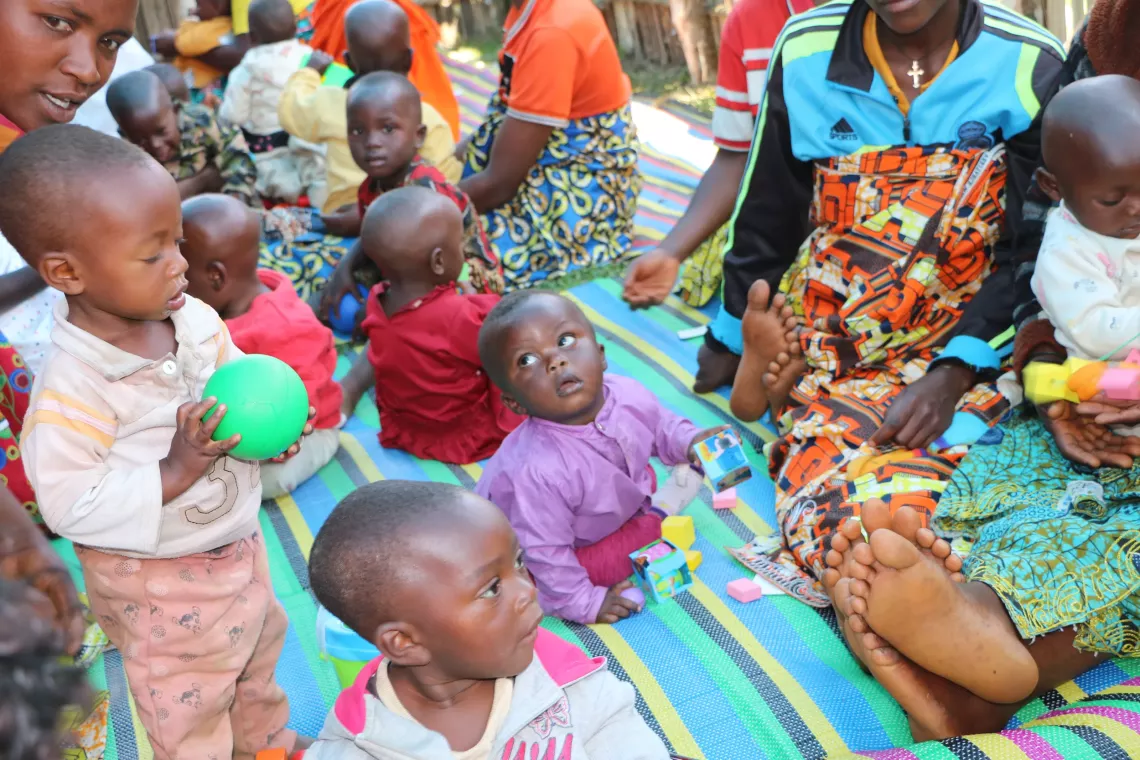
At the Rwegura Health Center in the commune of Muruta, the delegation assessed the impact of multi-sectoral early childhood development initiatives, including health and nutrition, child protection, early stimulation and positive parenting, social protection, water, hygiene, and sanitation. Discussions with patients, health officials, and civil registrars focused mainly on the benefits of the interoperability program implemented to promote birth registration.
At the same health center, the delegation observed rehabilitation work on hygiene and sanitation services, and visited the home of a Light Mother hosting a Nutritional Rehabilitation and Learning Center, which includes a children’s stimulation area. It was a valuable moment of exchange with mothers of young children attending cooking demonstrations and awareness sessions on good dietary practices to fight malnutrition.

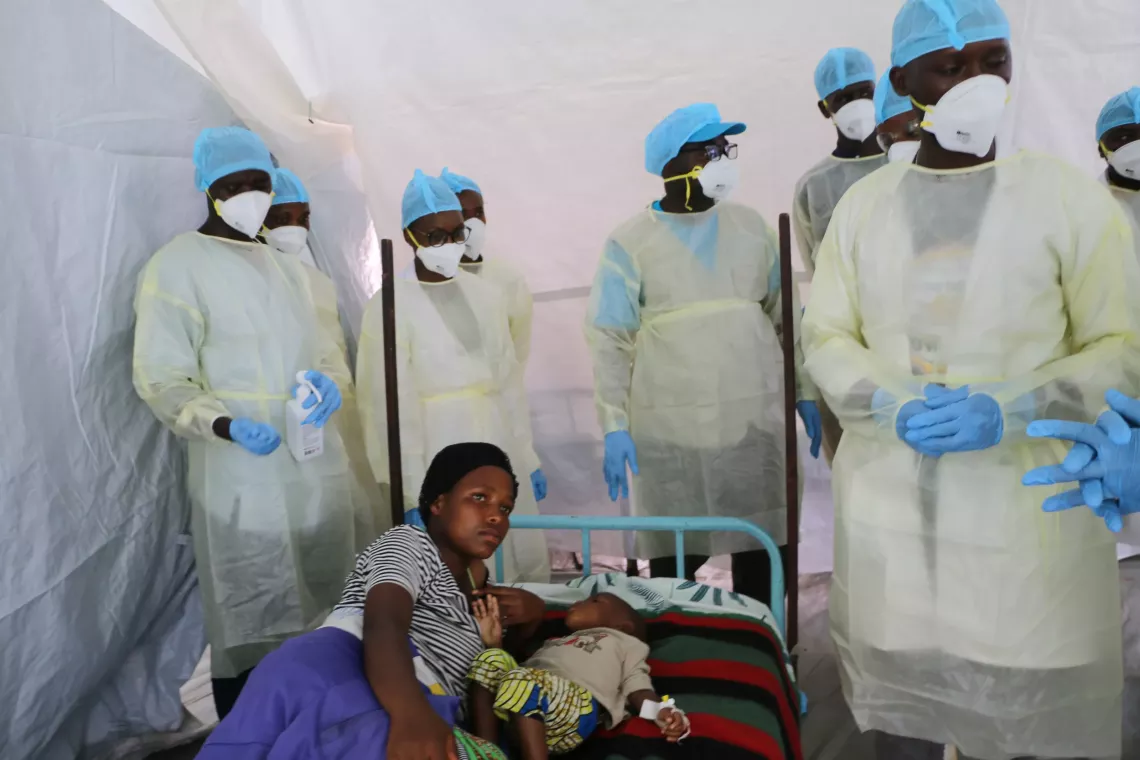
At Kayanza District Hospital, the joint mission visited the Mpox isolation centre supported by UNICEF and was pleased with the results: over 500 Mpox patients have been treated since October 2024; more than 100 Mpox-positive patients have been discharged and are receiving follow-up care at home; and awareness-raising campaigns have been conducted in the community. This visit also gave the delegation the opportunity to interact with patients and caregivers, and especially with health staff, to assess adherence to the Mpox Patient Treatment Protocol, the competence of medical and paramedical teams, and the quality of psychosocial and mental health support provided to Mpox patients and their families.
In Ngozi province, the joint Government–UNICEF mission visited Ngozi Prison to assess how girls in conflict with the law are being supported. It then proceeded to Marangara to observe the achievements of women’s associations that benefited from the “Women’s Empowerment in WASH (AEP)” project. These women were trained in plumbing, basic masonry, and the maintenance of water infrastructure, and have acquired essential knowledge to contribute to the management and upkeep of such systems.

At Buye Health Center, the delegation was impressed by the full digitalization of all services. The availability of an electronic vaccination register will facilitate the monitoring of zero-dose and under-vaccinated children.
In Kirundo province, the mission visited Cumva Primary School, which has benefited from the construction of a one-storey block of six new classrooms, the rehabilitation of nine classrooms—all equipped with school furniture—and 12 latrines, as part of the “Twige Neza” project supported by UNICEF.
The school also benefits from the “Bakingire Bige” project, which supports the identification and reintegration of repatriated children and others affected by emergencies. The project includes classroom rehabilitation, sustainable rainwater collection systems, remedial classes, provision of textbooks and school supplies, and psychosocial support for reintegrated pupils.
The last site visited in Kirundo province was a nutritional training center, where the delegation attended a cooking demonstration as part of the “Preventing Malnutrition and Strengthening Community Resilience” project. Among other achievements, the project has trained community health workers and mothers in the Infant and Young Child Feeding (IYCF) protocol.
These field visits were preceded by an awareness session for administrative authorities on their role in monitoring and supporting UNICEF interventions in the convergence zone—Ngozi, Kirundo, Muyinga and Kayanza. The objective was to present UNICEF’s new priorities under the 2024–2027 Cooperation Programme, as well as ongoing projects. It was also an opportunity to reflect collectively on the role of authorities in monitoring, supporting and sustaining the achievements of these interventions.