No Time to Waste in the Fight Against Malnutrition.
Assessment of results and future perspectives of the "No Time to Waste" project: UNICEF and its partners united against malnutrition with the support of the Kingdom of the Netherlands.
- English
- Français
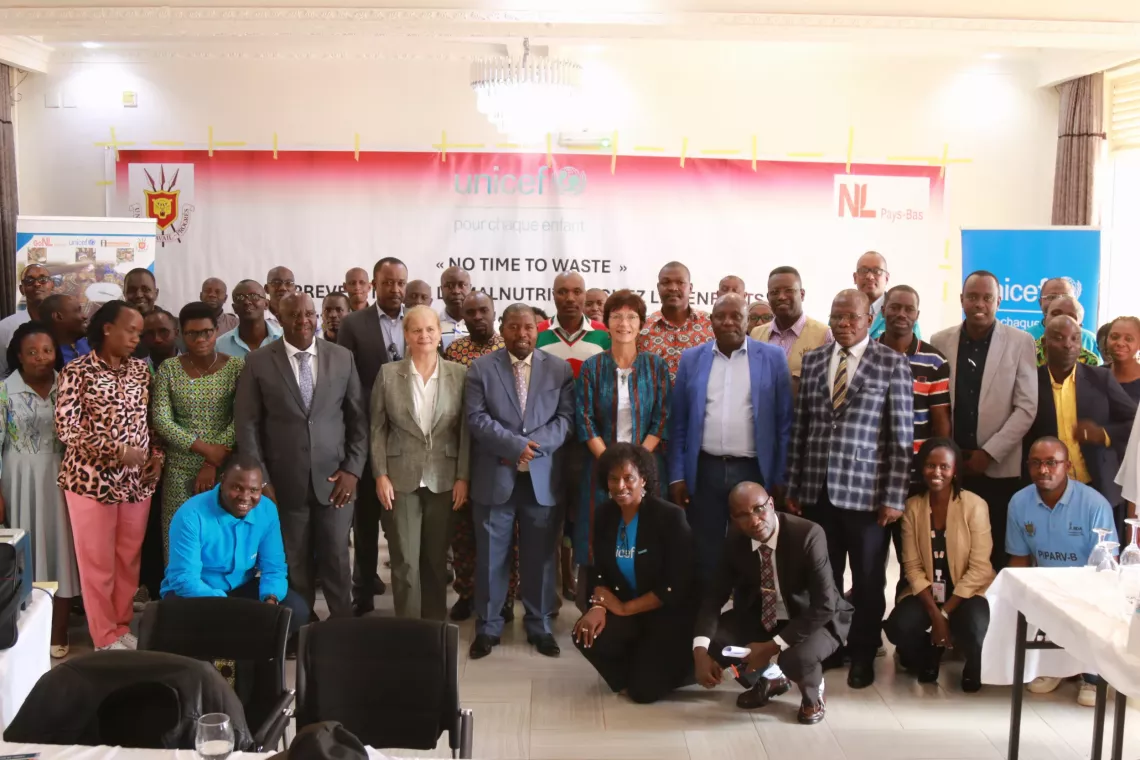
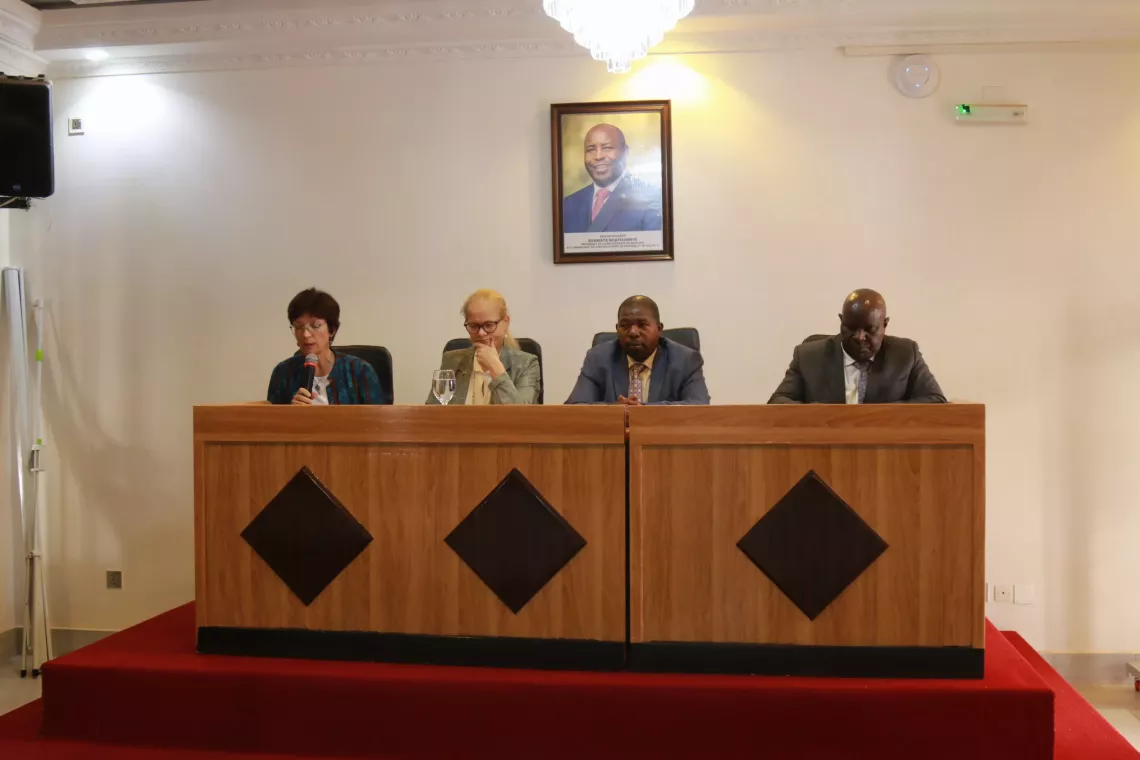
On May 22, 2025, the second Steering Committee (COPIL) meeting of the project "No Time to Waste – Preventing Malnutrition Among Children, Adolescents, and Women in the Provinces of Cankuzo, Kayanza, Makamba, Muramvya, Mwaro, and Rutana" was held in Gitega. The meeting took place in the presence of the Permanent Secretary in charge of Internal Affairs and Community Development at the Ministry of the Interior and Chair of the COPIL, the Ambassador of the Kingdom of the Netherlands, the UNICEF representative, the Permanent Executive Secretariat of the Multisectoral Platform for Food Security and Nutrition (SEP/PMSAN), Focal Points from the ministries participating in the COPIL platform, Governors/Delegates of the Governors, provincial representatives of government services, and implementing partners, namely the NGOs Safe Inclusion, Ripple Effect International, and Stamm Foundation.
This project, funded by the Government of the Netherlands with an amount of 14.1 million USD, has been jointly implemented by the Government of Burundi and UNICEF since 2023 and will run until 2028. The project aims to improve access to safe, nutritious, and sustainable diets; enhance the coverage and quality of essential nutrition services; and strengthen the capacity of caregivers to adopt positive nutrition practices.
The interventions implemented include, among others, the screening and treatment of acute malnutrition; the promotion of optimal nutrition, health, hygiene, and sanitation practices; micronutrient supplementation for pregnant women and children under five to prevent micronutrient deficiencies; and support for solidarity groups to strengthen household resilience in terms of access to nutritious complementary foods and income-generating activities.
The COPIL meeting allowed participants to review progress made, challenges encountered, priority actions for 2025, and emerging opportunities for the coming years.
So far, the project has enabled 1.9 million children aged 6 to 59 months to receive two annual doses of vitamin A supplementation, and nearly one million children under the age of five to be screened for acute malnutrition. Among them, almost 12,000 children suffering from severe acute malnutrition were treated. Additionally, more than 1 million breastfeeding women and child caregivers received counseling on infant and young child feeding. Over 640,000 school-aged children and adolescents, as well as more than 552,000 pregnant women and mothers, benefited from services for the prevention of anemia and other forms of malnutrition.
The project also provided nearly 99,000 people with access to basic sanitation and established 73 school-based nutrition clubs to promote good nutrition practices among students. It facilitated a bottleneck analysis related to maternal, adolescent, and school-age child nutrition, as well as a situational analysis on the care of infants under six months of age who are underweight or at nutritional risk, and of their mothers.
Moreover, the project supported the development and validation of the operational plan for early childhood development, the national strategy to combat micronutrient deficiencies, and the implementation of a nutrition survey using the SMART methodology.
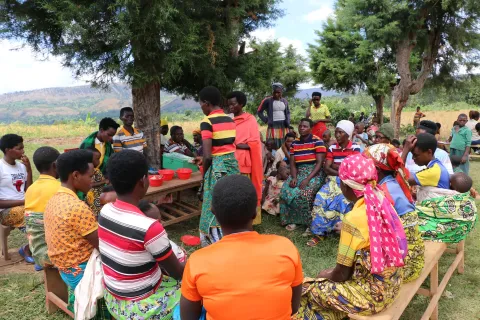
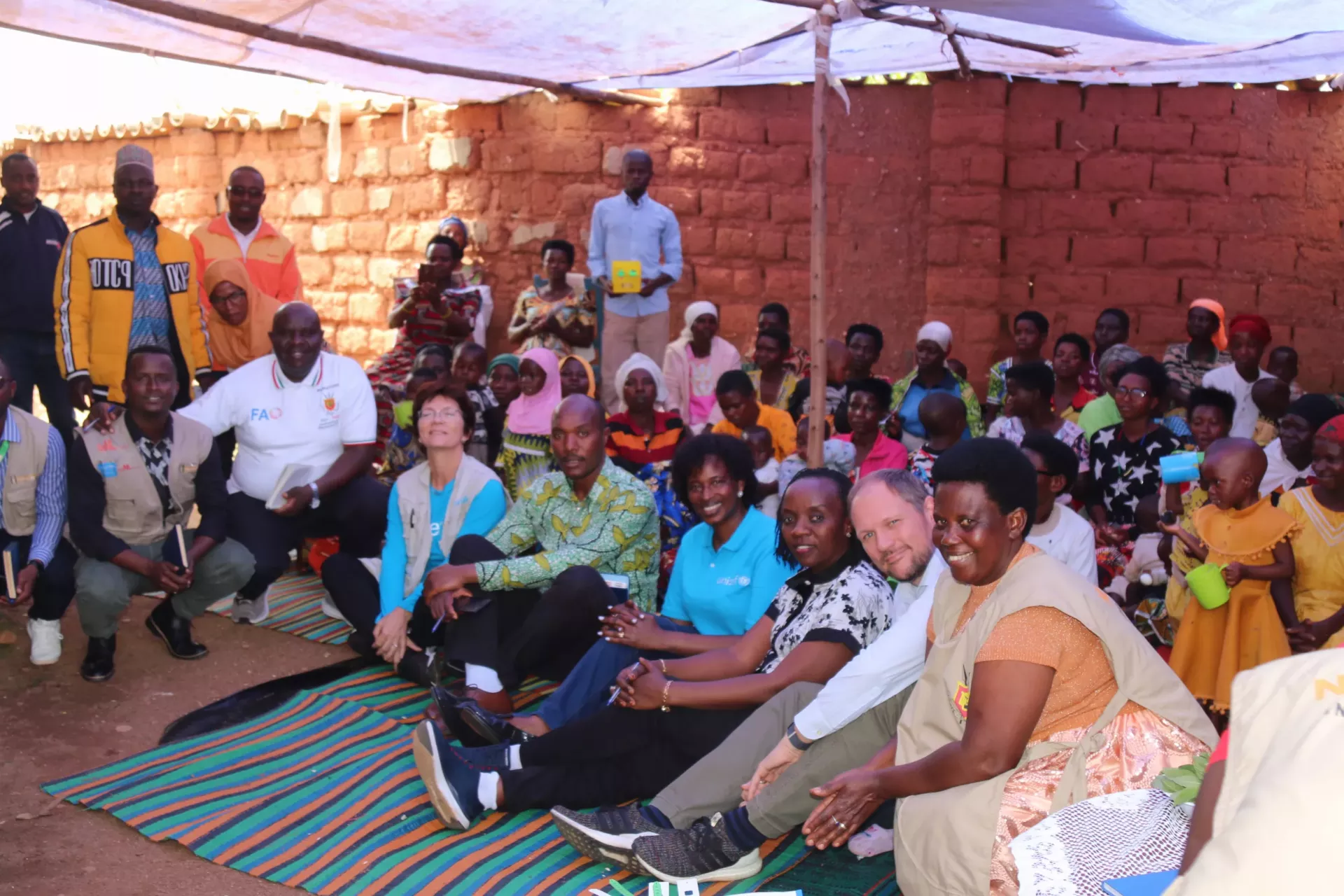
The COPIL meeting was preceded by field visits to ongoing interventions in each of the targeted provinces by various stakeholders involved in the project’s monitoring, accompanied by UNICEF and its implementing partners. In Kayanza Province, for example, UNICEF, SEP/PMSAN, and provincial authorities observed how, through Nutritional Learning Centers, mothers were sensitized on optimal child feeding practices using local ingredients. Beneficiaries reported a clear improvement in dietary practices among children, women, and adolescent girls, as well as a decrease in cases of acute malnutrition among children.
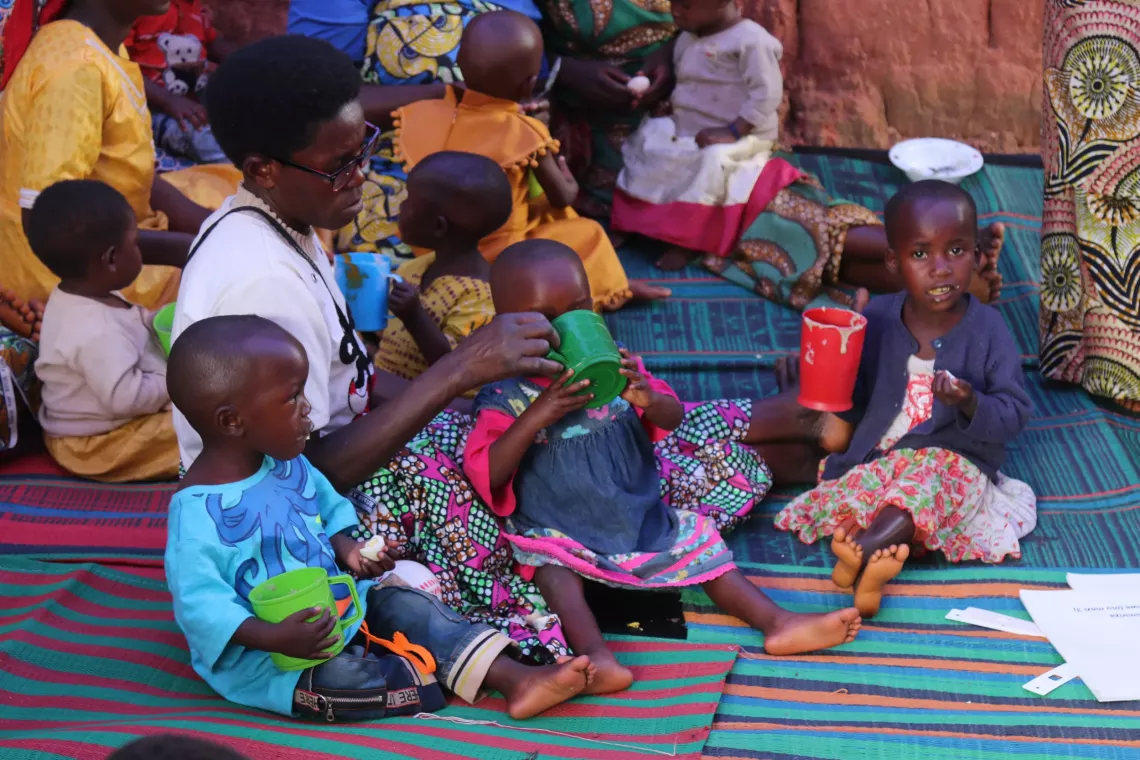
The delegation then visited income-generating activities set up by a Village Savings and Loan Association (VSLA), namely communal cereal and vegetable fields and poultry farming. These initiatives enable members to improve their children's diets as well as meet their household needs.
Christine Niyonzima, 35 years old, shared her experience:
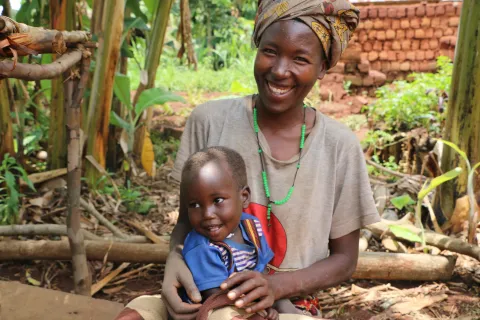
"Within the VSLAs, we pool our savings, which allows us to support one another. The advice from the community health worker on infant and young child feeding, combined with the resources or credit received from the VSLA, helps us a lot to improve our children's nutrition. By coming together as an association, we now have the means to better nourish our children."
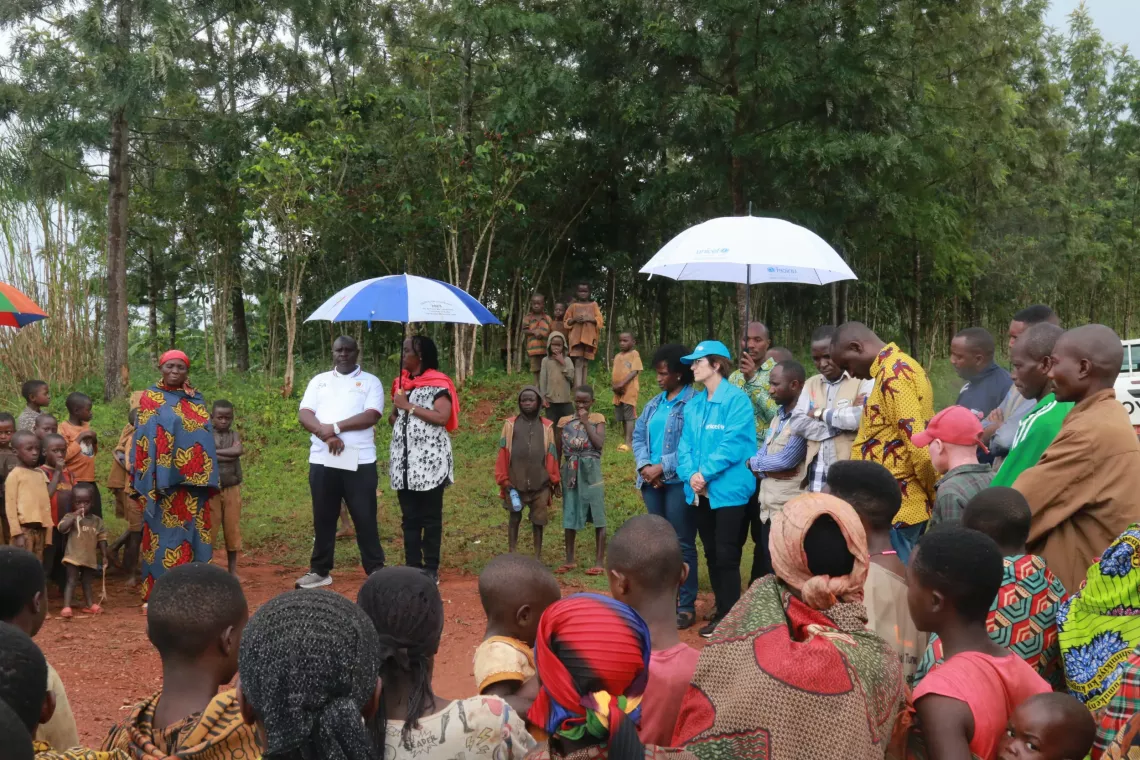
At the school level, students highlighted the positive impact of their participation in the nutrition clubs established through the project. In the words of Philotaire Irabonuwayo, 20 years old, from COMIBU school:
“(…) Thanks to the knowledge I gained, I realized that my parents didn’t know how to feed my little brother in a balanced way. I advised them to stop feeding him only rice, which is what they used to do. I suggested they add vegetables, potatoes, and meat—along with fruit. My parents accepted my advice and started feeding him properly.”