Joint sector review of education in Burundi to ensure a more efficient education system
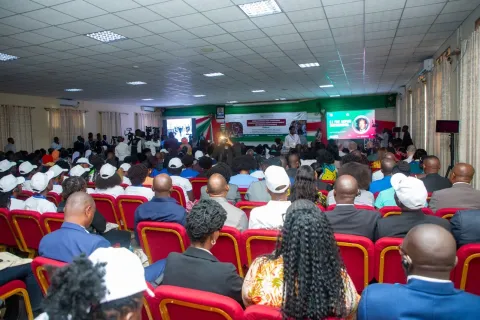
From 29 to 30 April 2025, the Ministry of National Education, with the support of UNICEF and development partners, held a joint sector review aimed at strengthening the quality of education in Burundi.

- English
- Français
This event brought together key stakeholders in the education sector to take stock of the implementation of the 2022–2030 Education Sector Plan and its 2022–2025 Costed Multi-Year Action Plan.
The meeting provided an opportunity to assess progress made, identify persistent challenges, and define priorities to improve the quality of education and ensure equitable and inclusive access to education for all children in Burundi.
Ms. Selbee Mame Diouf, Deputy Representative in charge of UNICEF programmes, praised the ministry's leadership in preparing the review: "UNICEF would like to commend the exceptional efforts made by MENRS, particularly in the rigorous collection of data, the organisation of participatory regional workshops across the country, and the technical retreat of the Monitoring Committee. These actions demonstrate the government’s commitment to a transparent, participatory, and evidence-based process."
In his address, the Permanent Secretary of MENRS, Prof. Bangirinama Frédéric, acknowledged the many challenges still facing Burundi’s education system: "It is evident that the system faces issues of access and equity, poor learning outcomes, high repetition and drop-out rates, and a mismatch between training and the demands of the labour market."

These findings underscore the urgent need to accelerate educational reforms and build a more efficient and resilient system tailored to the country’s context.
One of the key contributions to the review came from a civil society representative who cautioned against importing foreign education models without adapting them to the Burundian reality. He referred specifically to a reform provision allowing automatic promotion without repetition: "In France, classes are capped at 25 students, while here some have more than 150. We need to adapt based on our own realities," he emphasized.
This statement highlights the importance of a context-sensitive approach to ensure the relevance and effectiveness of education policies.
Supported by the Global Partnership for Education through UNICEF, the 2023–2025 Sector Review is a strategic opportunity to strengthen coordination among stakeholders — including education authorities, technical and financial partners, teachers, civil society, and the private sector. It serves as a platform to commit to concrete strategies to enhance education quality, guarantee equity and inclusion, and align curricula and training with the country's socio-economic needs.
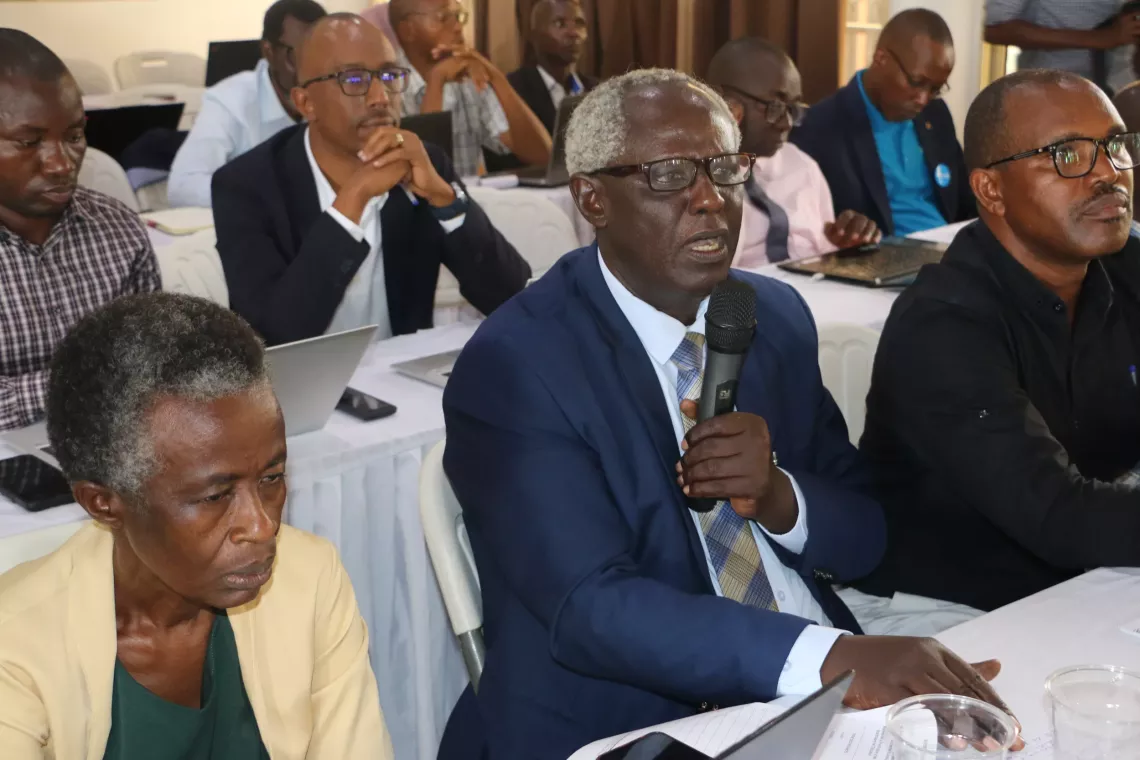
At the close of the review, eighty recommendations were issued, grouped under five major themes aligned with the priority programmes of the 2022–2030 Education Sector Plan. These are: Access and equity in pre-primary, basic, and post-basic education, Quality of learning, Expansion and modernisation of higher education and scientific research,Technical and vocational education and training, Management and governance of the education system.
As education is recognised as a national priority by the government, this review aligns fully with efforts to build a fairer, more inclusive, prosperous, and sustainable future for every Burundian child.