Health emergency response: UNICEF provides the Government of Burundi with essential supplies
This contribution, valued at US$2.5 million, was made possible thanks to the support of the World Bank, the Pandemic Fund, the Swiss National Committee for UNICEF, and the Government of Navarra
- English
- Français
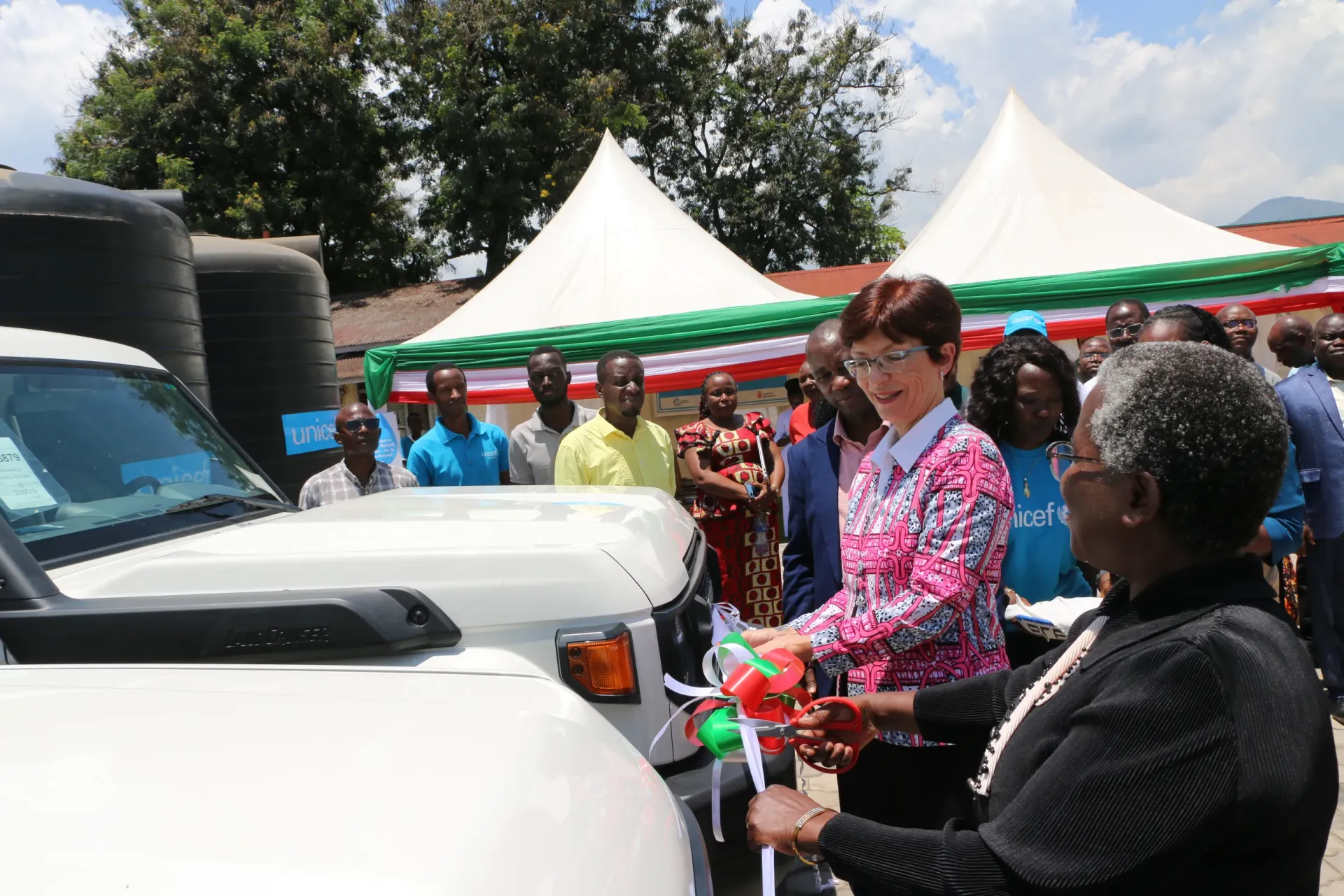
Bujumbura, 2 April 2026. On that day in Bujumbura, Burundi’s response to public health emergencies reached a new milestone. Through the Ministry of Public Health and the Fight against AIDS, the Government officially received from UNICEF a substantial consignment of medicines, essential medical equipment, and logistical support, aimed at strengthening the national response to epidemics and improving care for the most vulnerable newborns.
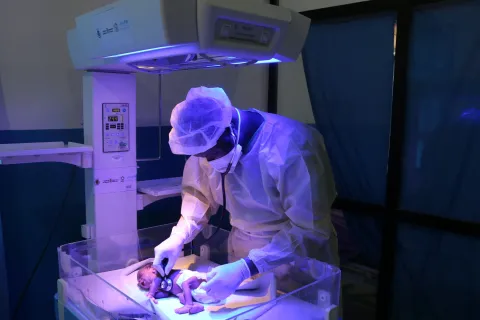
This donation includes essential medicines and treatment kits for cholera, Mpox, and other waterborne diseases; medical and technical equipment for neonatal and maternity services; as well as key logistical assets, including a mobile public address vehicle for community engagement and an ambulance assigned to the Mutimbuzi health district.
Speaking at the ceremony, Ms. France Bégin, UNICEF Representative in Burundi and lead of health development partners, noted that this support comes at a time of significant public health challenges, marked by persistent outbreaks and high regional risks. “Despite this context, Burundi has demonstrated a remarkable capacity to respond to epidemics, under the leadership of the Government and with the commitment of all partners,” she emphasized. She also highlighted notable progress achieved in recent months, particularly in the response to Mpox and cholera, noting that Burundi has now entered a phase of controlling the Mpox outbreak, with only 64 cases recorded between January and March 2026.
In the same vein, she pointed to the significant decline in cholera cases since the beginning of the year. “The weekly average of cases has dropped from around 200 in 2025 to just 37 in the first months of 2026,” she said, underscoring the importance of effective multisectoral coordination.
It is within this context that UNICEF handed over this material and logistical support to the Government of Burundi, designed not only to respond to immediate emergencies but also to sustainably strengthen the health system and bring services closer to the most at-risk populations.


Formally receiving the donation, the Minister of Public Health, Ms. Lydwine Baradandikanya, expressed the gratitude of the Government and the people of Burundi to UNICEF and its partners. “This contribution comes at a timely moment. It will significantly strengthen our response capacity, particularly in patient care and rapid field interventions,” she stated. Recalling that cholera remains endemic in Burundi, with more than 6,000 cases recorded since January 2023, the Minister emphasized the concrete impact of this support. “The equipment and supplies received today will also help improve access to safe drinking water and strengthen prevention at the community level,” she added. She also highlighted the targeted support provided to maternity and neonatal services, underscoring its critical role in improving care for newborns and enhancing the safety of childbirth for the benefit of mothers and their children.
Press briefing: Call for collective responsibility against “dirty hands” diseases
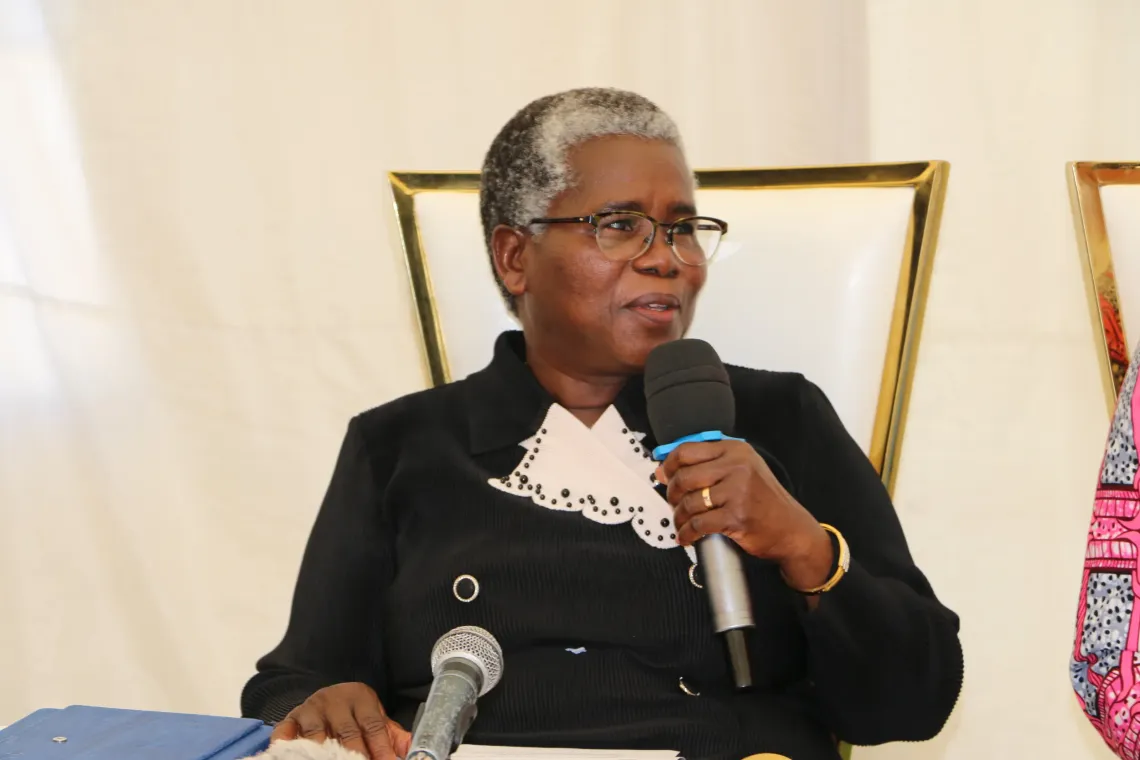
The handover ceremony was followed by a press briefing, during which the Minister highlighted the urgent need to strengthen the prevention of so-called “dirty hands” diseases. She recalled the signing, on 18 February 2026, of a joint ministerial order by the Ministers of Public Health, Interior, and Finance, relating to public hygiene and sanitation.
Explaining the rationale behind this measure, she stressed the importance of holding all levels of administration and communities accountable. “We are investing heavily in epidemic response, but if everyone does not play their part, we will not be able to eliminate cholera,” she warned.
After a period of awareness-raising granted to households and local communities, the Minister announced the beginning of the enforcement of the sanctions provided for in the decree. “The receipts are ready, and we will begin sanctioning offenders in accordance with the regulations,” she said, calling for a lasting change in behaviour.
She finally issued a strong appeal to the Burundian population to adopt essential preventive measures, including regular handwashing, the use of safe or treated drinking water, and adherence to food hygiene practices. “The fight against cholera is a collective responsibility,” she concluded.