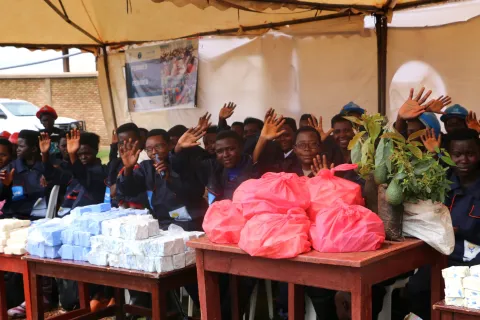
In Gitega, partners unite to accelerate access to safe water and sanitation in Burundi
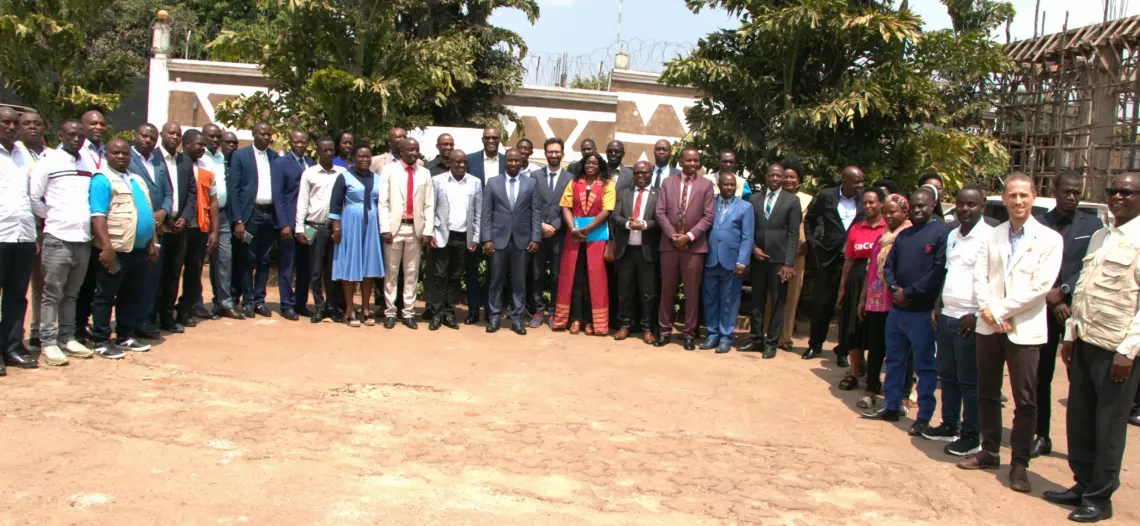
On 20 and 21 August 2026, the Government of Burundi and WASH sector stakeholders met in Gitega to strengthen coordination and align priorities for accelerating sustainable and equitable access to water and sanitation

- English
- Français
Organized by the Ministry of Mining, Energy, Industry, Trade and Tourism, the meeting brought together representatives of public institutions, development partners, non-governmental organizations and the private sector.
Since its establishment in 2017, this coordination platform has provided an important space for stakeholders to work together, align their interventions and strengthen the effectiveness of efforts in the water, sanitation and hygiene sector.
Over the two days, participants reviewed ongoing projects and programs, as well as planned interventions across the country. Discussions focused on the geographical coverage of activities, areas that remain underserved and the resources required to address these gaps.
The technical discussions also highlighted the importance of ensuring that interventions complement one another, avoid duplication and respond to the realities and priorities of communities.
The second day focused on presenting the main conclusions of the discussions and validating the agreed priorities and strategic directions for the 2026–2027 period.
Water and Sanitation: the heart of development
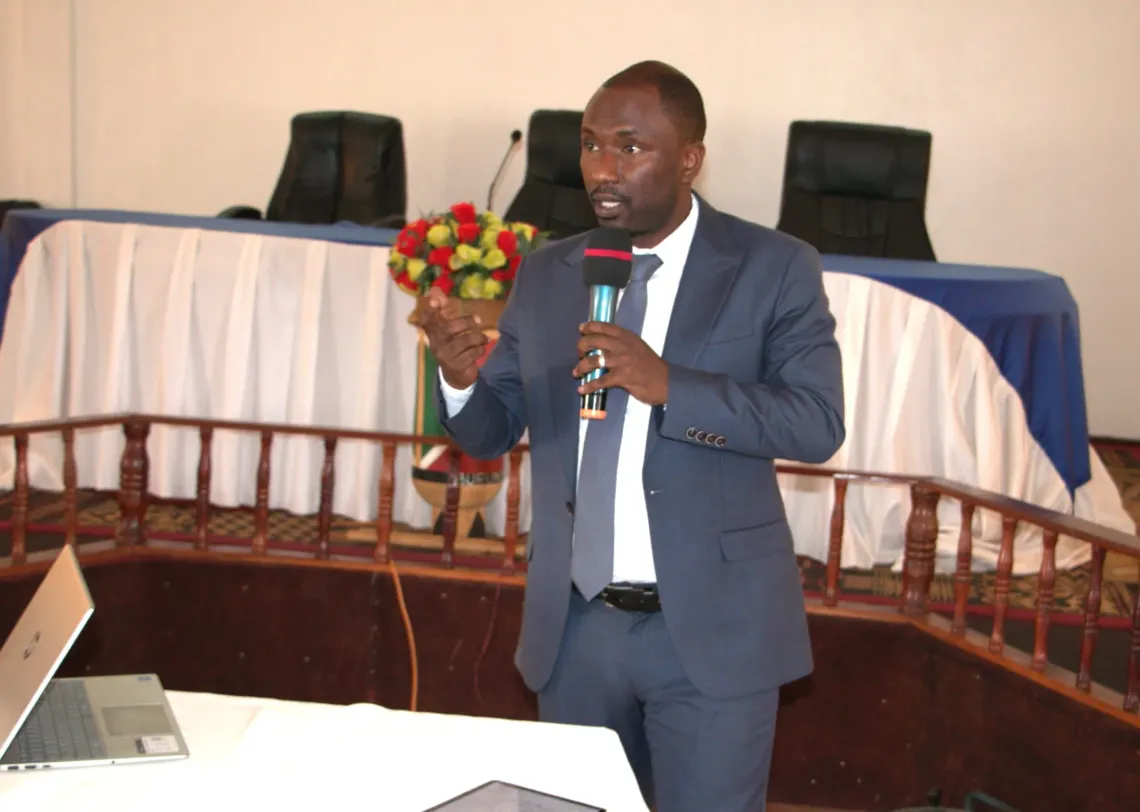
Chairing the meeting, the Minister of Mining, Energy, Industry, Trade and Tourism emphasized that access to safe drinking water and sanitation is not only a basic service, but also a key driver of sustainable development.
He called for stronger coordination to ensure that investments are directed towards areas where needs are greatest, existing gaps are addressed and available resources are used effectively.
The Minister also highlighted the Presidential Water Compact as a major opportunity for Burundi, benefiting from the support of the country’s highest authorities.
He further stressed the importance of strengthening the monitoring of interventions, promoting solutions that can withstand the impacts of climate change, and involving communities in the sustainable management of water and sanitation infrastructure.
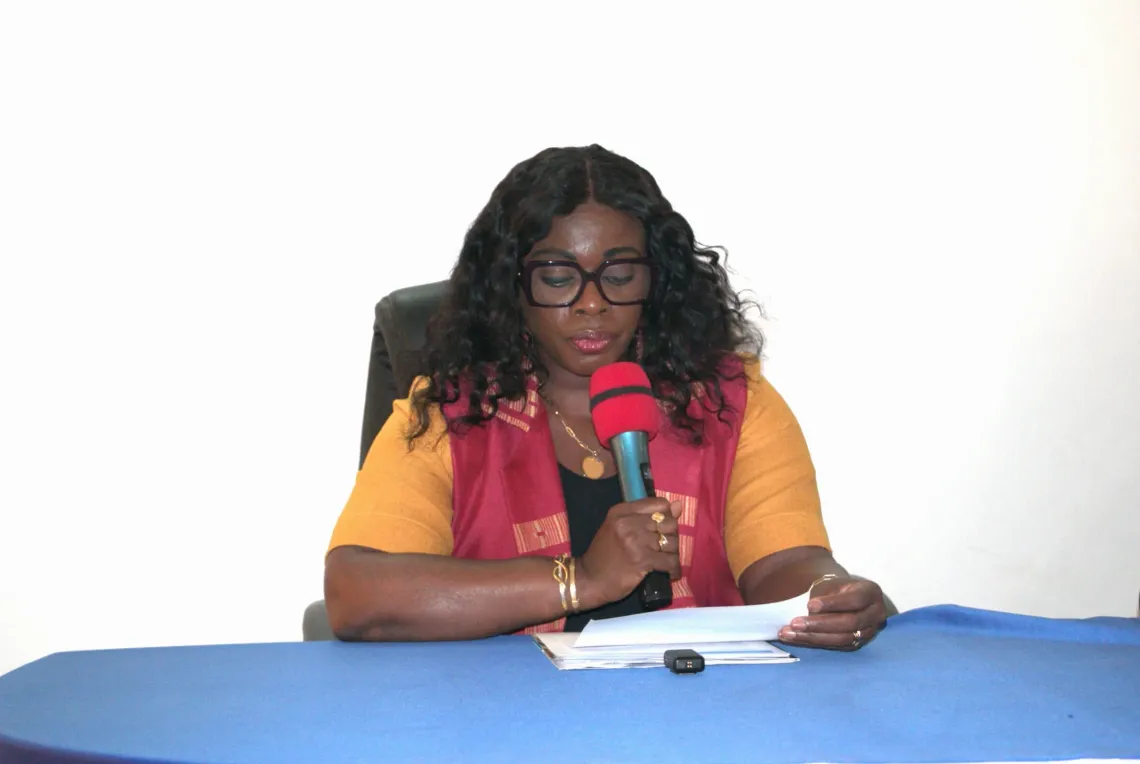
Speaking on behalf of Development Partners, the UNICEF Representative in Burundi welcomed the Government’s continued efforts to strengthen the water, sanitation and hygiene sector and called for even closer collaboration among all stakeholders.
She also underscored the importance of mobilizing strong collective support around the Presidential Water Compact, describing it as a strategic opportunity to accelerate progress towards universal access to water and sanitation services and advance Burundi’s development priorities.
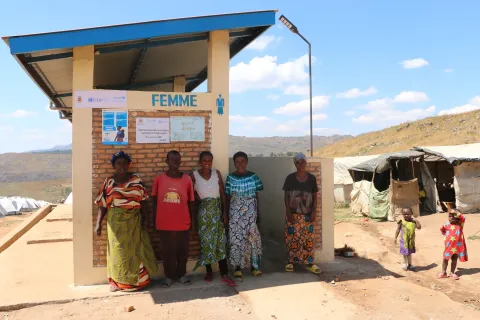
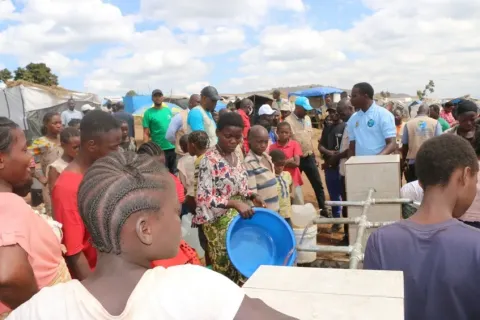
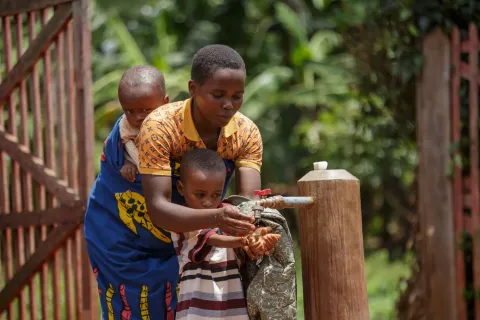
For children in particular, access to safe water, sanitation and hygiene has far-reaching consequences.
These essential services are closely connected to children’s health, nutrition, education and overall well-being. Ensuring that children can access safe water and adequate sanitation at home, at school and in health facilities is therefore an essential part of creating an environment where they can survive, learn and thrive.
UNICEF reaffirmed its commitment to supporting the Government of Burundi in developing and implementing solutions that are sustainable, inclusive and resilient to climate-related challenges, with a particular focus on communities, schools and health centers.
A shared roadmap for the years ahead
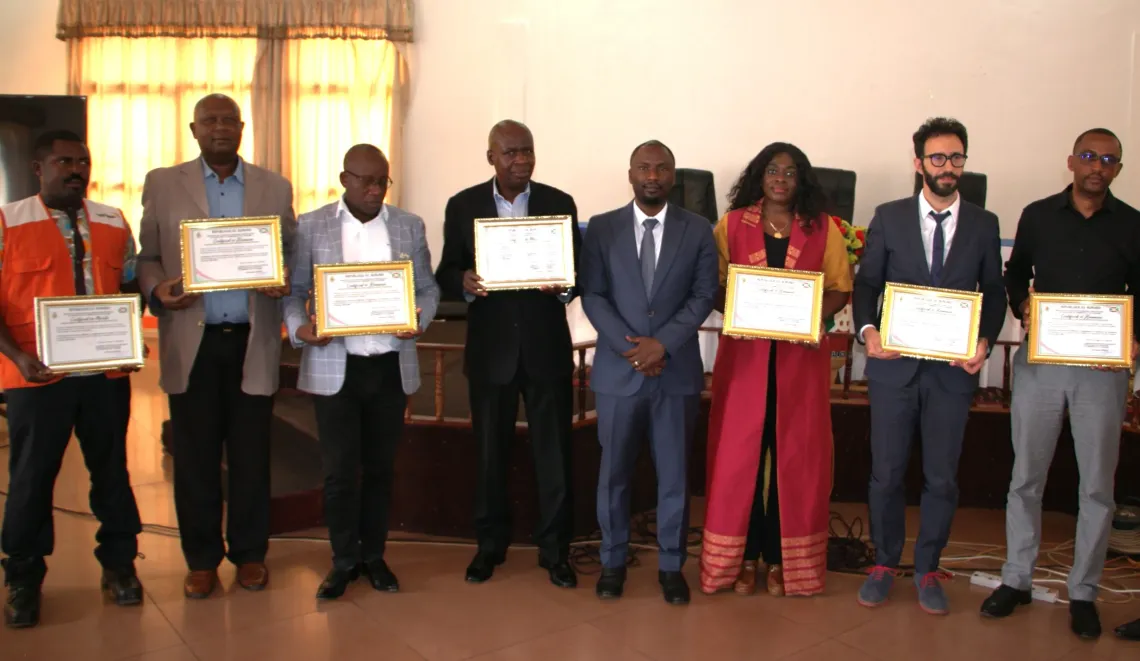
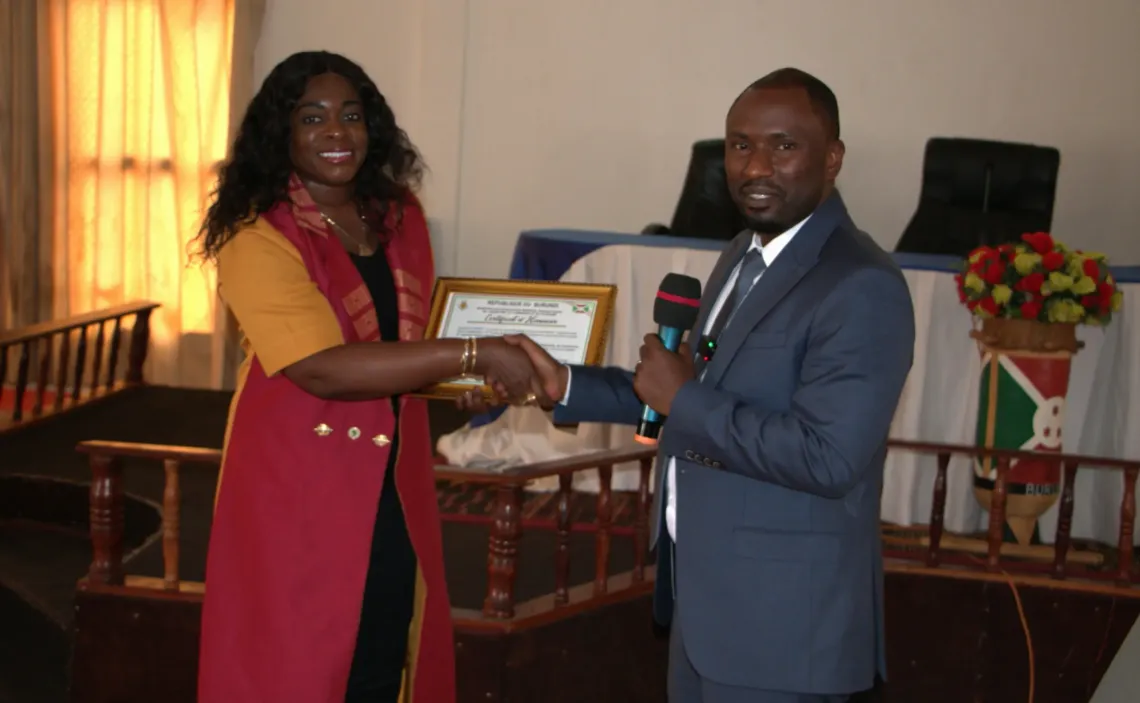
At the end of the meeting, participants agreed on a set of priority actions to strengthen the sector’s response. These include updating the situation analysis, improving coordination and reporting mechanisms, strengthening resource mobilization and enhancing the monitoring of interventions.
The resulting 2026–2027 roadmap will provide a common framework for stakeholders to coordinate their efforts, clarify responsibilities and timelines, and strengthen accountability and follow-up.
The roadmap also reflects a shared commitment: to ensure that progress in water and sanitation reaches the communities and children who need it most.
As Burundi works towards Sustainable Development Goal 6 (SDG 6), universal and equitable access to safe water, sanitation and hygiene, stronger coordination will be critical to turning commitments into lasting results.
By bringing together government leadership, development partners and other stakeholders, the water, sanitation and hygiene sector is strengthening the foundations for a more coordinated, effective and people-centered response.
For Burundi’s children and communities, this collective effort can help pave the way towards a future where safe water and adequate sanitation are not a privilege, but a reality for everyone.