Day of the African Child 2026
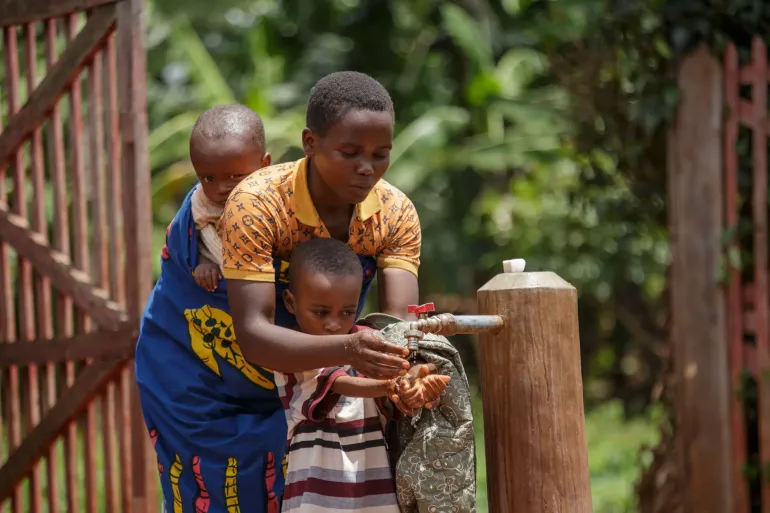
On this occasion, UNICEF calls for increased investment in water, sanitation, and hygiene to protect the well-being and future of children in Burundi and across Africa
- English
- Français
Bujumbura, 16 June 2026. Established in memory of 16 June 1976, when hundreds of South African children were killed or injured by the apartheid regime while protesting in Soweto for quality education, the Day of the African Child serves as a reminder of the importance of protecting and promoting children’s rights across the continent. The theme of the 2026 edition highlights a critical priority for the well-being and development of children in Africa: universal access to water, sanitation, and hygiene (WASH).
This edition takes place within a significant continental context, marked both by the African Union’s declaration of 2026 as the African Year of Water, Sanitation and Hygiene, and by Burundi’s Chairmanship of the African Union. It therefore represents a strategic opportunity to ensure that every child has safe and sustainable access to water, sanitation, and hygiene.
In Burundi, despite notable progress, challenges related to access to water and sanitation remain significant. According to 2025 data from the WHO/UNICEF Joint Monitoring Programme for Water Supply, Sanitation and Hygiene (JMP), approximately 66% of the population has basic access to drinking water, with strong disparities between urban and rural areas.
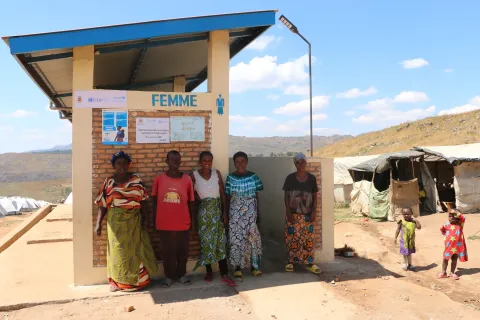
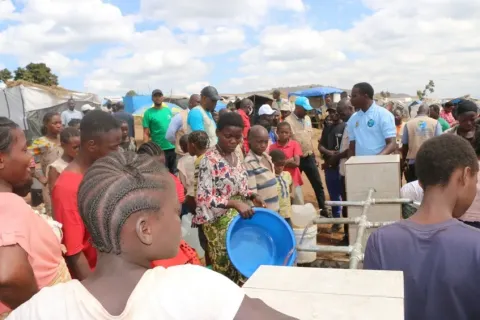
In response to these challenges, UNICEF works alongside the Government of Burundi to sustainably improve access to water, sanitation, and hygiene services in communities, schools, healthcare facilities, as well as in sites hosting displaced people and refugees. Interventions include the construction and rehabilitation of climate-resilient water supply systems, improvement of sanitation infrastructure, promotion of good hygiene practices, and provision of emergency WASH services to populations affected by climate-related disasters and forced displacement.
In 2025, in collaboration with the Government of Burundi, and with the support of the German Development Bank (KfW), the African Development Bank (AfDB), the United Nations Central Emergency Response Fund (CERF), USAID/BHA, and the United States Fund for UNICEF, UNICEF Burundi enabled nearly 98,000 people to gain sustainable access to basic drinking water services through the construction of climate-resilient water systems in several provinces of the country. Among them, more than 37,000 people benefited from an improved level of service ensuring continuous availability of drinking water and reduced collection time.
UNICEF’s interventions, supported by AfDB and CERF, also enabled more than 554,000 people to access basic sanitation services and to live in a clean environment in at least 184 open defecation-free communities. At the same time, more than 1 million people were sensitized to good hygiene practices, particularly handwashing, thereby helping to reduce the risks and incidence of waterborne diseases.
In schools and health facilities, UNICEF supported the installation of inclusive WASH infrastructure adapted to the needs of children and adolescents. In 2025, 74 schools and 34 health centers were connected to drinking water networks and equipped with improved sanitation and hygiene services. These achievements were made possible thanks to the support of The Church of Jesus Christ of Latter-day Saints (LDSC), KfW, the Pandemic Fund, the Global Partnership for Education financed by the French Development Agency (GPE-AFD), the Swiss Committee for UNICEF, the Mastercard Foundation, the FCDO, and the Republic of Korea. These efforts contribute to creating safer and more dignified environments for children, while also reducing school absenteeism, particularly among adolescent girls, through improved menstrual hygiene management.
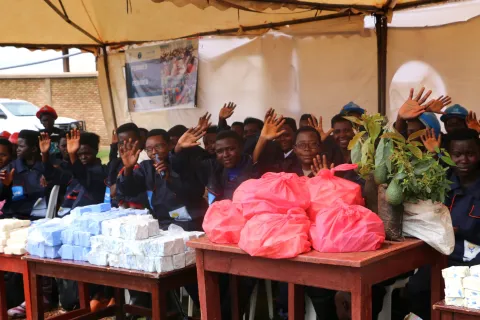
UNICEF also supports the strengthening of national and community capacities to ensure the sustainability of WASH services and sector governance. Economic empowerment initiatives have been carried out, enabling women and young people to develop activities related to the maintenance of water and sanitation infrastructure and hygiene, notably through the production of soap and reusable sanitary pads.
France Bégin, UNICEF Representative in Burundi, stated: “Ensuring universal access to water, sanitation, and hygiene is essential for the survival, health, development, and dignity of children. In an increasingly changing climate context, investing in resilient WASH services saves lives, protects children’s rights, and strengthens their future. As Burundi chairs the African Union during this African Year of Water, Sanitation and Hygiene, we have a collective responsibility to turn this commitment into concrete action so that every child can grow up in a healthy, safe, and protective environment.”
At the global level, the combined impacts of climate change continue to threaten children’s access to essential services. According to UNICEF’s 2026 report on children’s climate risks, nearly 99% of children worldwide are exposed to at least one climate hazard, such as heatwaves, floods, droughts, or storms. The Day of the African Child 2026 is a call for increased mobilization of governments, partners, the private sector, and communities to accelerate progress towards universal and equitable access to WASH services, an essential condition for realizing the rights and full potential of every child.
Media contacts
About UNICEF
UNICEF promotes the rights and wellbeing of every child, in everything we do. Together with our partners, we work in 190 countries and territories to translate that commitment into practical action, focusing special effort on reaching the most vulnerable and excluded children, to the benefit of all children, everywhere.
For more information about UNICEF and its work for children, visit www.unicef.org.