In Gatumba, UNICEF is at the frontline of the humanitarian response for Congolese refugees
Faced with the arrival of refugees from the Democratic Republic of Congo (DRC) in Gatumba and other locations, UNICEF has mobilised by setting up mobile toilets and play areas for children
- English
- Français
In recent days, a continuous flow of people has crossed the border between the DRC and Burundi. Tens of thousands of people have fled in haste from the town of Uvira, the Congolese town closest to Burundi, which has fallen under the control of the M23 armed group. A strategic town in eastern DRC, Uvira, which has a population of several hundred thousand, is now at the centre of growing violence, trapping an increasingly vulnerable civilian population.
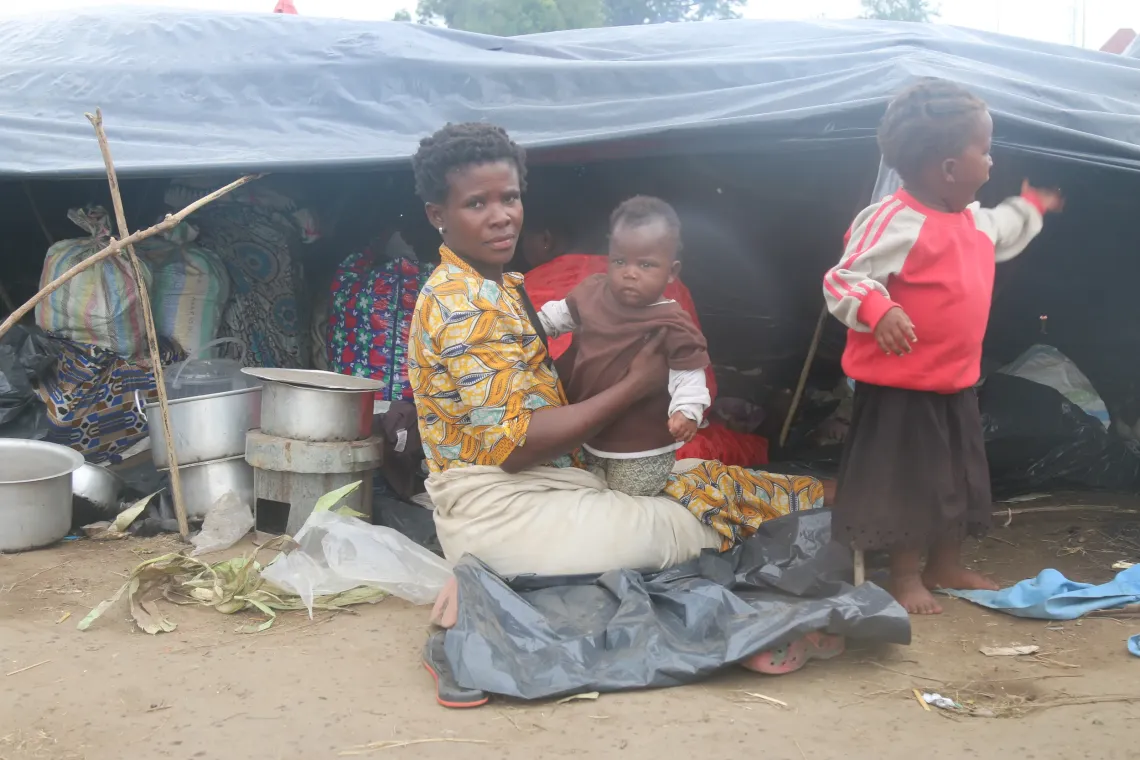
On foot or in makeshift boats, entire families arrived in Burundi in a state of extreme exhaustion, deeply traumatised and often deprived of everything. Women and children, among the most vulnerable, bore visible signs of a brutal exodus. "We arrived exhausted. The women and children were completely exhausted, deeply traumatised by what they had been through," said a refugee living in the Gatumba camp.
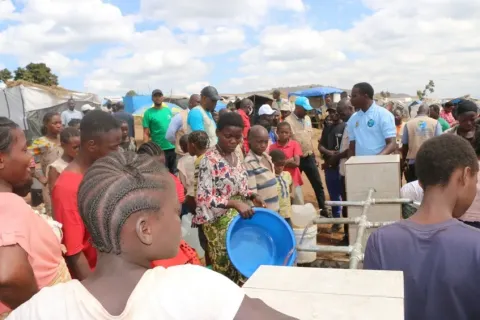
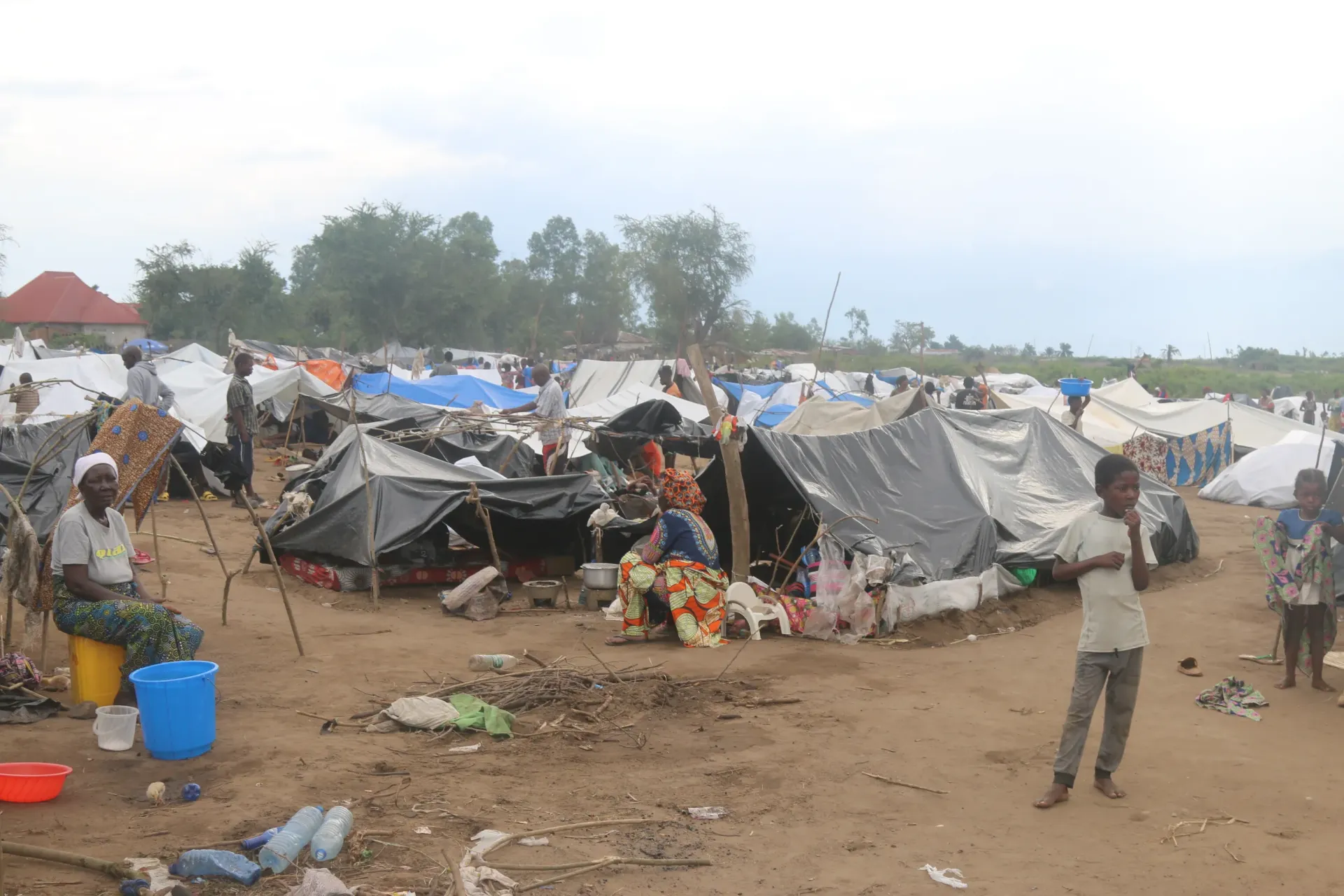
At the time of the UNICEF team's visit, the Gatumba camp was home to nearly 24,000 refugees, according to figures from the National Office for the Protection of Refugees and Stateless Persons (ONPRA). This number far exceeded local reception capacities. Due to a lack of adequate shelter, many families took refuge under trees, exposed to the elements. Access to drinking water and sanitation facilities remained limited, raising fears of a rapid deterioration in living conditions and health.
This massive influx overwhelmed the resources of the host communities and created a real humanitarian emergency.
Faced with this critical situation, UNICEF quickly mobilised to provide emergency assistance, particularly for children and women. Child-friendly spaces were set up to offer the youngest children a safe place to play, receive psychosocial support and enjoy a semblance of normality after the trauma they had experienced.
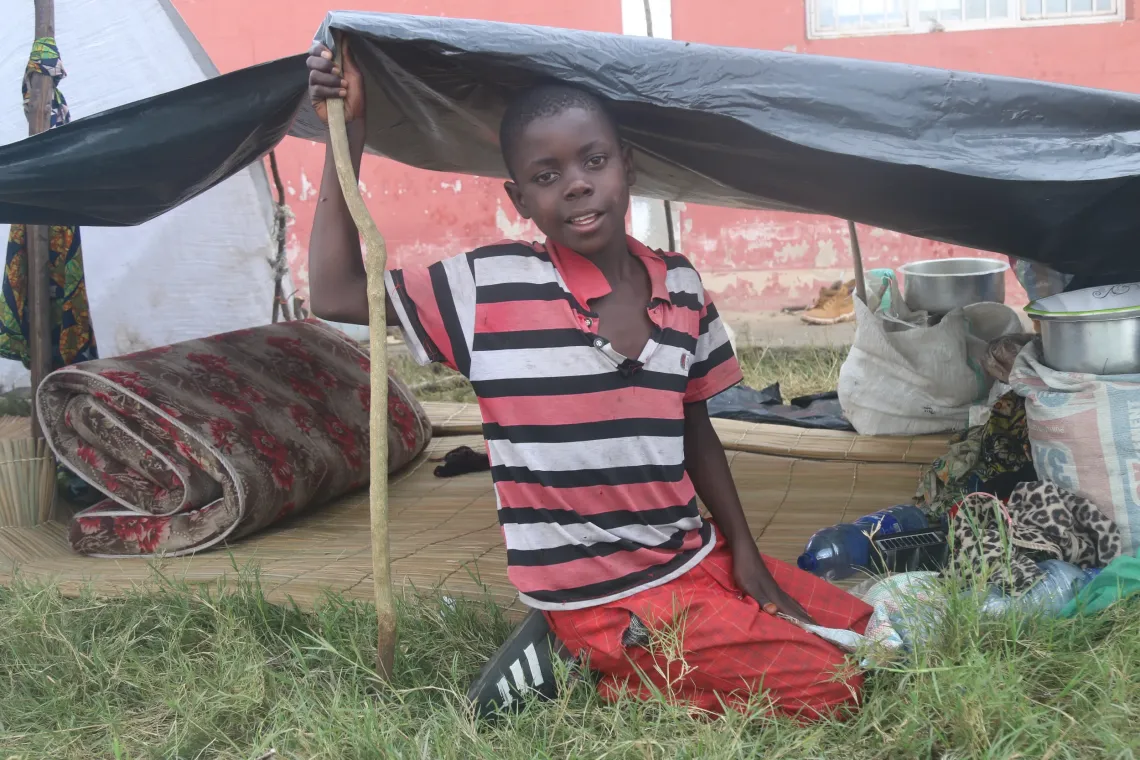
It is in one of these spaces that we meet 12-year-old Mugombelwa Michael Morris. He arrived in Burundi on Wednesday 10 December from Runingu, in the east of the DRC, having fled the armed violence with his maternal uncle. As he plays football, a shy smile on his lips, his concern is palpable.
“I think a lot about my father, my mother and my little brother who stayed behind,” he confides. Then he adds in a serious voice: “We need food and tents. The rain is threatening us, we have no shelter.”
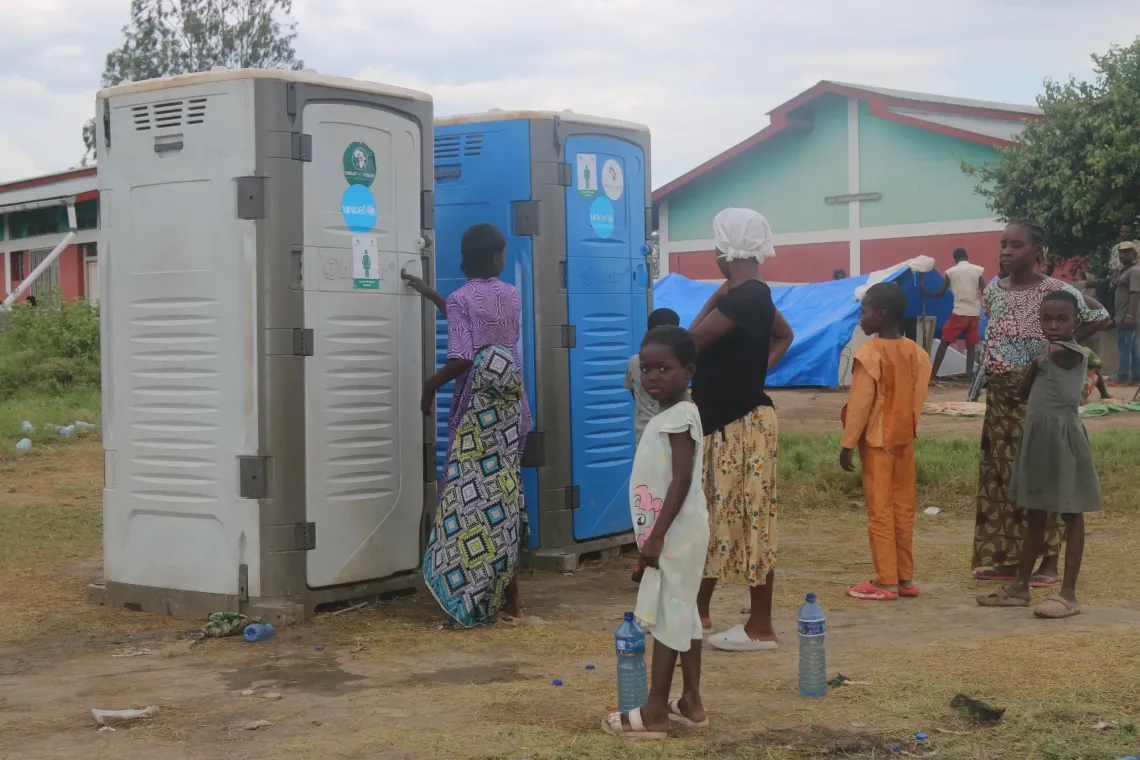
UNICEF has also intervened in the area of water, hygiene and sanitation, notably through the installation of 20 mobile latrines, to prevent disease and preserve the dignity of the refugees.
Buhilwa Sukane Christine, a mother of three from Uvira, said after six days at the site: “The mobile latrines set up by UNICEF have been very useful to us. But there are so many people, and these facilities are still not enough for everyone.”
At the time of writing, the Gatumba refugee site has been relocated to the Busuma site in the Kayongozi area of Ruyigi commune in Buhumuza province.
Given the scale of the crisis, mobilisation cannot slacken; on the contrary, it must intensify. Behind every statistic is a life, that of a child like Michael, a mother like Christine. They all share the same wish: to survive today so that tomorrow they can rebuild their future.