For every child, vitamin A and deworming tablets
Health campaign in Burundi targets over 5 million children

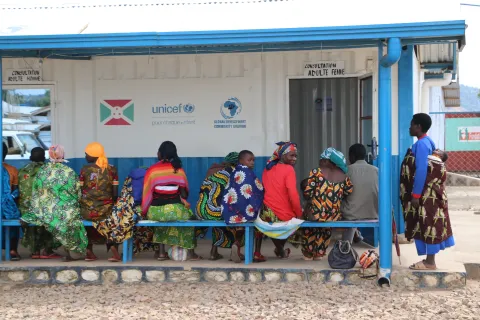
Kirundo, Burundi – In the northern province of Kirundo, Alice Muhimbare is busy preparing the last session of the Mother and Child Health Week in the area. She welcomes newcomers at the site and encourages them to apply social distancing while they wait in an open space outside the facility.
As a community health volunteer, Alice usually provides care to her community in Gasura. Yet, this morning, the 30-year-old mother is giving a hand to the health center of Vumbi, 4 kilometers away. “Many people are coming here today, so I want to help,” she says. “I am glad that I can reach and help so many families at once.”
On June 16th, Burundi kicked off the Mother and Child Health Week. The health campaign targets over 5,2 million children and 270.000 women with a package of health and nutrition interventions, including vitamin A, deworming drugs, and catch-up immunization.
Burundi has made significant progress in tackling childhood mortality over the last decades, reducing its yearly levels for children under five from 174 deaths per thousand live births in 1990 to 58 in 2018. However these numbers mean that an estimated 25,000 children do not reach their 5th birthday each year.
Vitamin A deficiency is a major contributor to childhood mortality and illness. Many families in Burundi are unable to provide their children a well-balanced diet. Supplementation enables them to grow healthier and stronger.
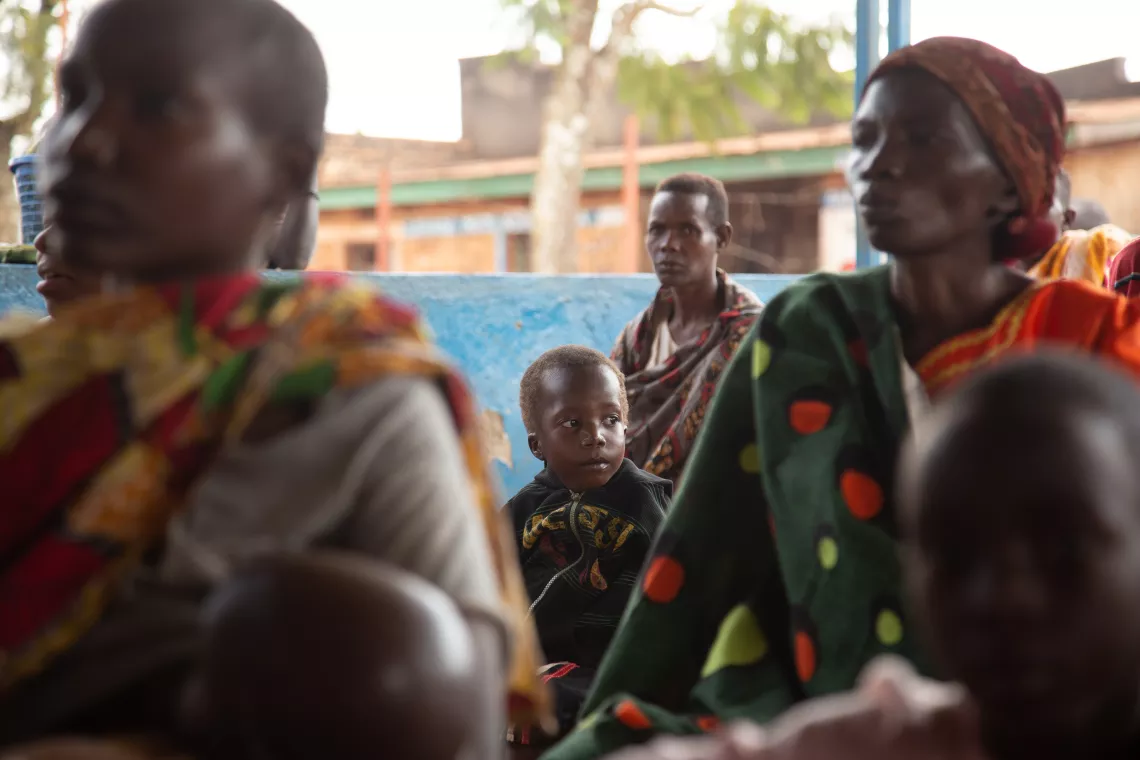
Children cry or cast an anxious glance as they wait their turn, worried about taking their tablets and supplements. But that does not deter Alice from serving them: the silver lining is that they receive essential health care which improves their well-being.
Beside handing out medication, Alice shares information about the campaign’s health products and raises awareness about the prevention of COVID-19 and other illnesses. “I insist on hand-washing. I explain to mothers why it is so important, especially in times of pandemic”, she says.
Enhancing the knowledge of caregivers is an important component of the campaign – by sensitizing communities about health and hygiene, as well as warning signs of common childhood illnesses. This increases the chance of early detection and can therefore save lives.
With the contribution of Global Affairs Canada and GAVI, UNICEF and WHO have supported its government partners with the campaign, which occurs twice a year since 2002 and reaches people in Burundi’s remotest areas. “The idea behind the campaign is to boost the coverage of Burundi’s health system, which currently doesn’t routinely get to every child” explains Eric Ribaira, Chief Health & Nutrition at UNICEF Burundi. “This boost strategy aims to ensure that no one is left behind.”
Here in Vumbi, Alice crushes and dissolves a tablet of Albendazole, a deworming drug, to ease swallowing. “Worm infections weaken children’s immune system and prevent them from getting the food they need”, she says. She gently gives a spoonful to 2-year-old Bénie, who came to the center with Clémence, her older sister.
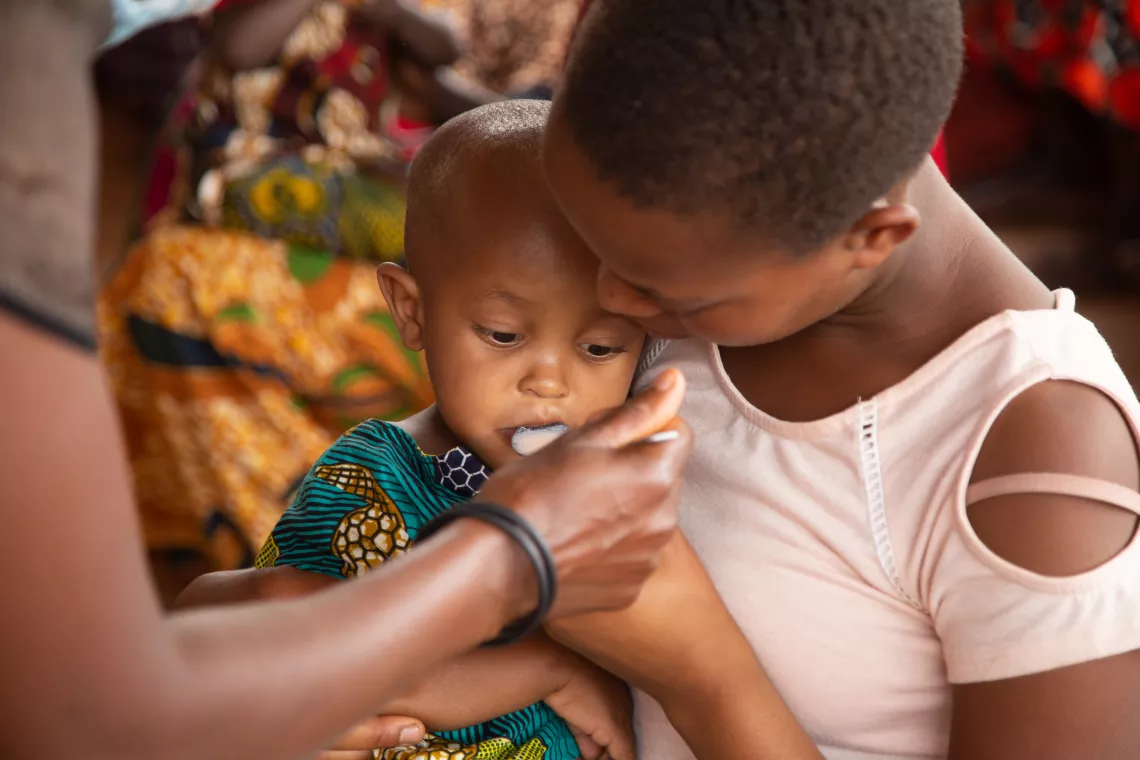
Apart from children, pregnant women also benefit from the Mother and Child Health Week. Women in their second and third trimester of pregnancy receive a deworming drug, as well as soap for handwashing – a new addition to the campaign. “I am very happy about it,” says Alice. “It makes it easier for me to raise awareness, and easier for mothers to protect themselves and their families.”
Each year, the government of Burundi, supported by UNICEF, holds two Mother and Child Health Weeks. Usually, community health workers are deployed to identify, sensitize, and encourage mothers and children to go to health facilities and distribution points.
Yet, due to COVID-19, the rollout was slightly adapted to better protect health workers, children, parents and caregivers, while achieving remarkable coverage. “Some community health workers are now part of the door-to-door strategy,” explains Eric Ribaira, Chief Health & Nutrition at UNICEF Burundi. Combining door-to-door health services with those provided at facilities reduces the risk of mass-gathering and COVID-19 transmissions.
“They are trained and provided with personal protective equipment, so they can go from door to door in their communities and deliver health products”, Eric adds. “Only cases of catch-up immunization are referred to the health facilities. This is how we managed to keep the same performance as before the pandemic.”
By Ruben Julian Hamburger – Communication Officer, UNICEF Burundi