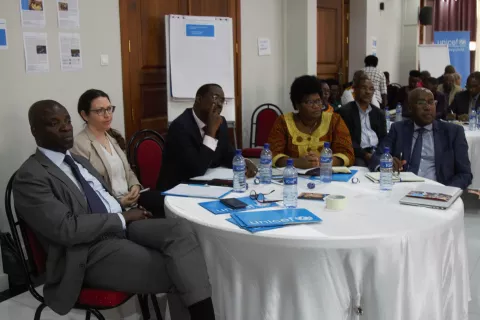
At Bururi regional hospital, the Oxygen production pant is already saving lives
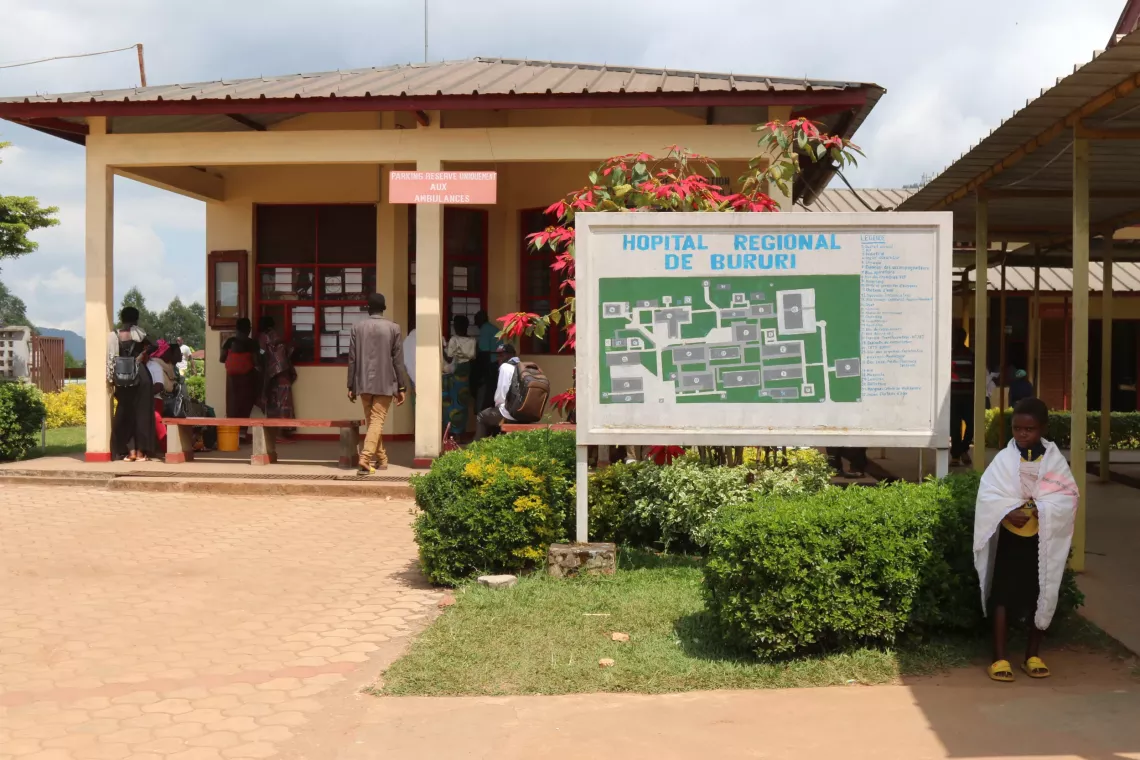
Thanks to funding from the Government of Canada, in partnership with UNICEF, Bururi Regional Hospital has been equipped with an oxygen production plant, providing relief for the hospital and its patients.
- English
- Français
It's 9 o'clock in the morning, and at Bururi Regional Hospital, a new working day begins. The medical staff return to their respective departments, after a short meeting between the night staff and the day team. In the inpatient section, doctors begin their rounds, examining patients, scrutinizing their condition, and adjusting prescriptions as necessary, while new patients stream into the reception and triage departments.
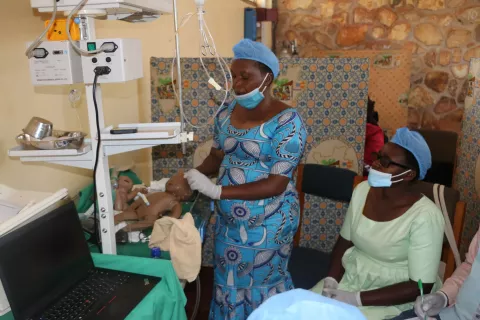
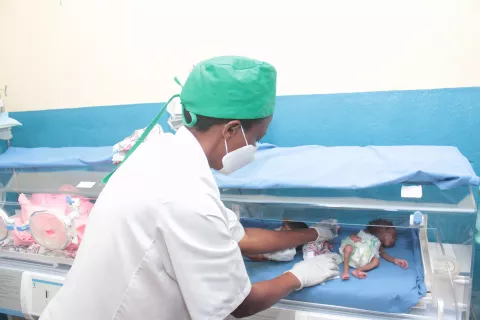
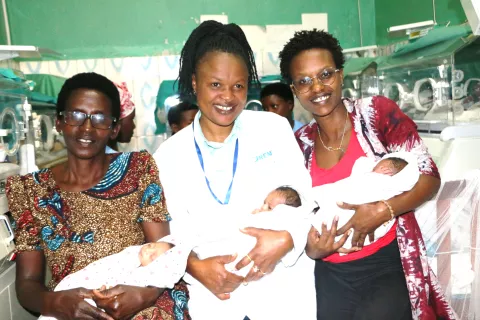
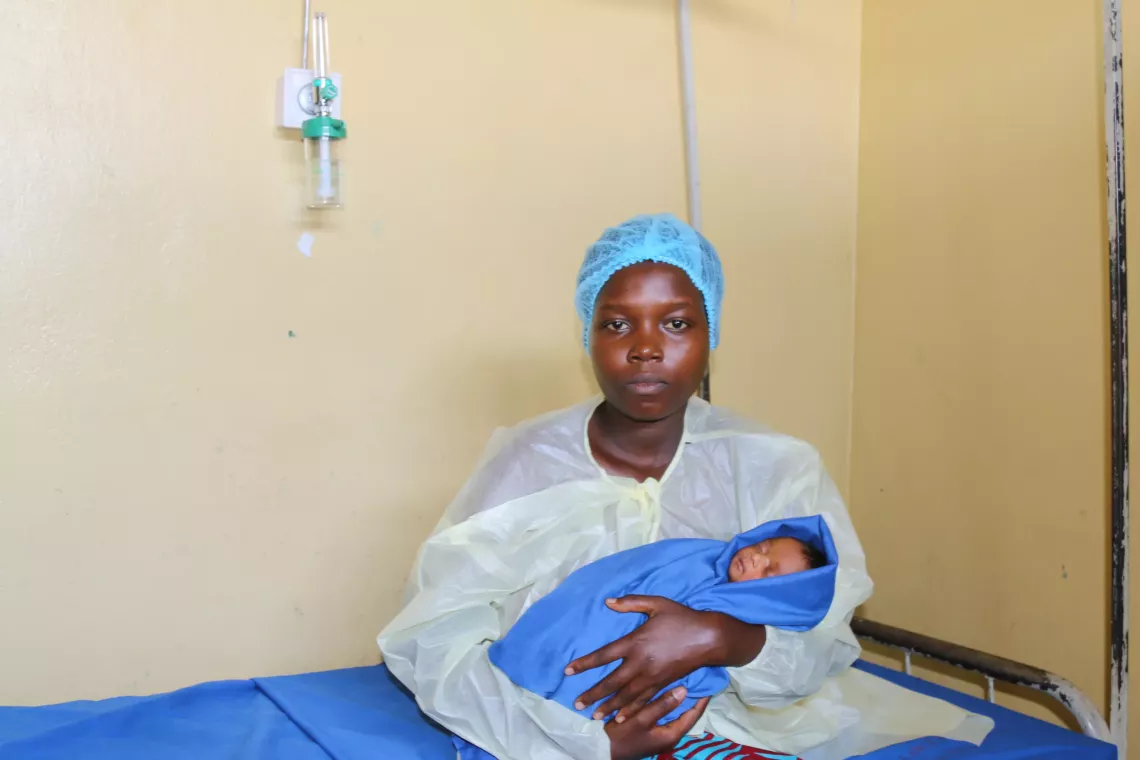
In the neonatal unit, Vestine Uwizeyimana, 18, warmly holds her newborn baby in her arms, enjoying her baby, who has just spent four days in an incubator on oxygen. Viola Harerimana, head nurse of the neonatology department, explains that the baby was born prematurely, with acute respiratory distress. The child is now in good health, although his mother is still practicing the kangaroo method. "If my child hadn't been put on oxygen, I'm convinced he wouldn't have survived," says Vestine. Referred from Gasanda Health Centre, where oxygen therapy services are non-existent, she arrived at Bururi Regional Hospital.
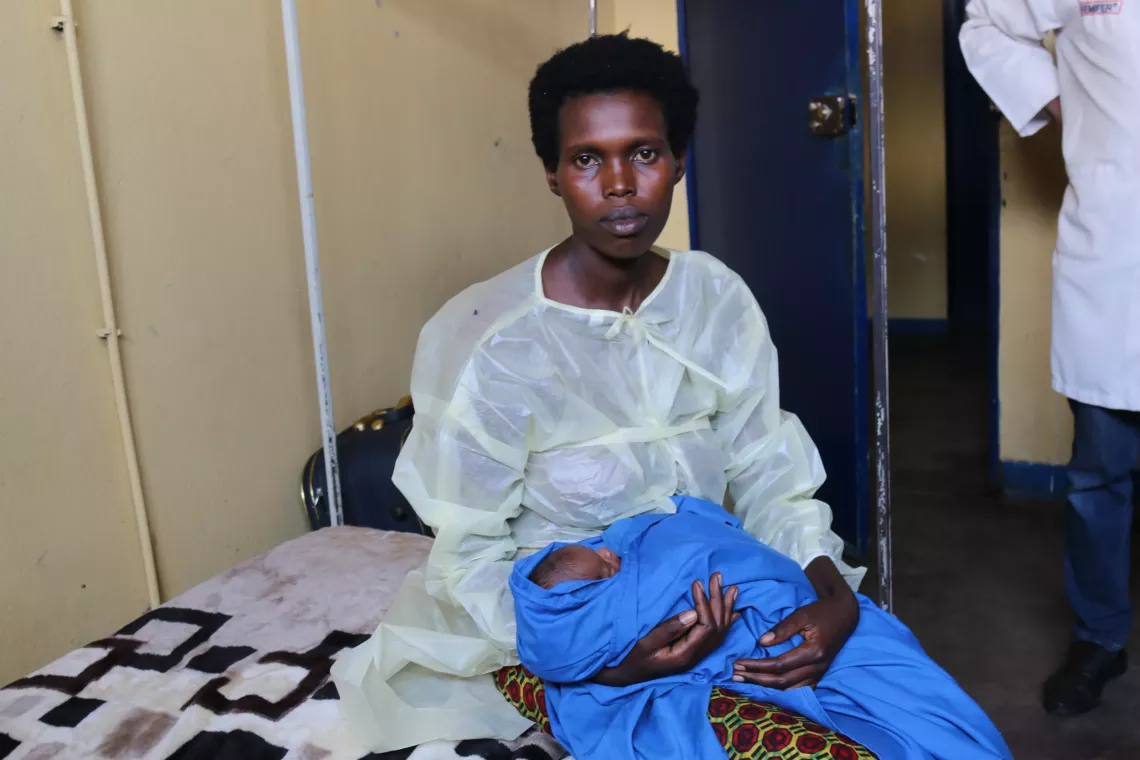
In the same neonatology unit is Alice Nshimirimana, a 28-year-old mother of 3. Her third is just 8 days old. Born prematurely by caesarean section, he was put directly on oxygen. "I was evacuated to Bururi hospital late at night because my water had already broken in the morning. On arrival, the doctors helped me to give birth and they told me that my child was in pain and immediately put him on respiratory assistance. If I hadn't been followed up in a hospital where oxygen is available, I would have lost my son", said Alice.
On average, Bururi Regional Hospital receives 20 children a month seeking oxygen therapy, according to Viola Harerimana, head nurse of the neonatology department.
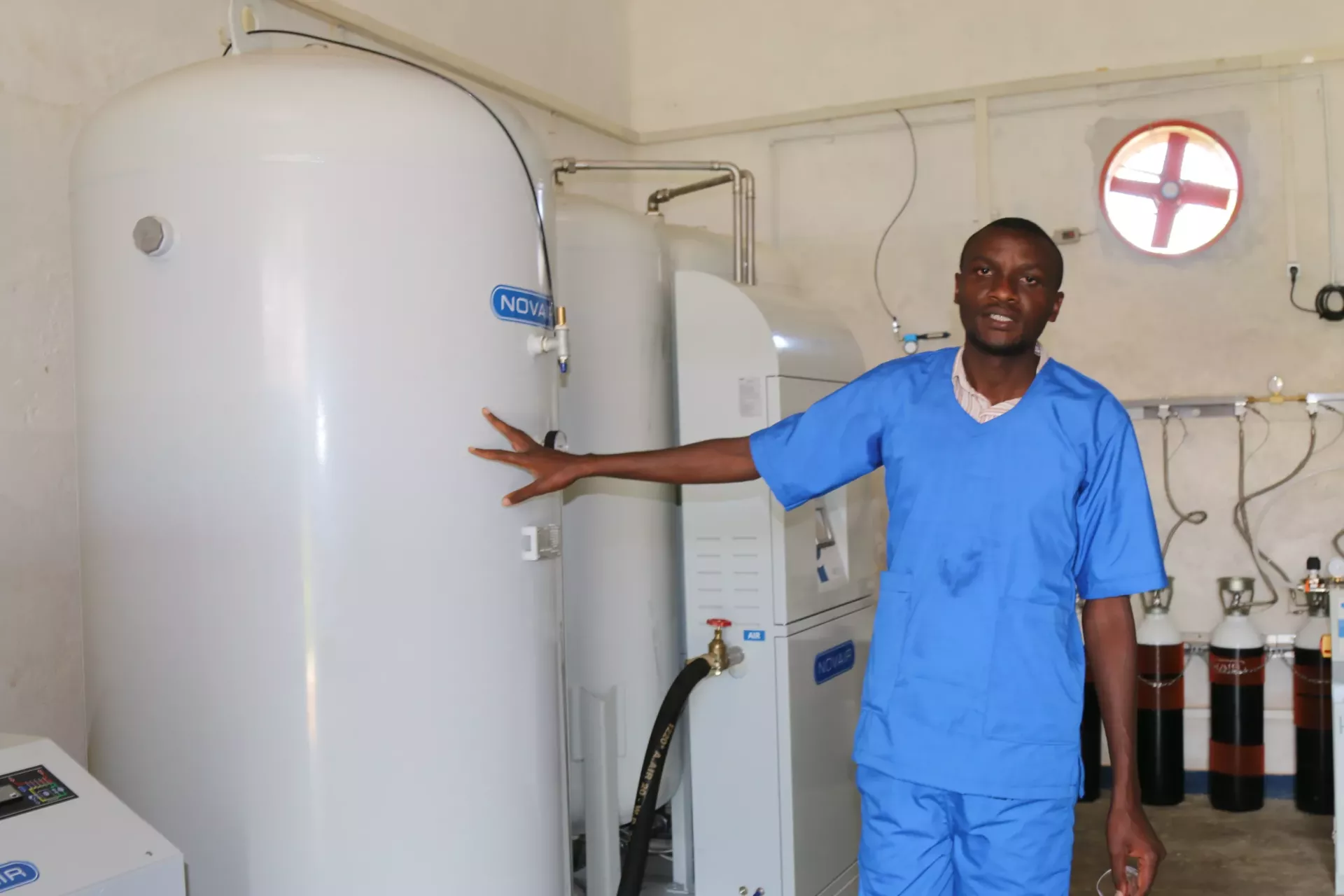
Thanks to funding from the Government of Canada, in partnership with UNICEF, the regional hospitals of Bururi, Gitega, and Ngozi, as well as Cankuzo District Hospital, have benefited from oxygen production plants worth more than $2 million. In addition to these donations, UNICEF has committed to supporting the maintenance of this equipment and training the staff responsible for its upkeep for one year.
The oxygen production plant at Bururi Hospital has been operational since March 31, 2024. This is a relief for the hospital, which is no longer experiencing oxygen shortages, but above all for the patients, for whom oxygen is now accessible at a lower cost.
According to Privat Irakoze, the plant's operator, Bururi Hospital can now produce 10 cylinders of oxygen, each containing 50 liters, in just five hours. This enables them not only to cover the hospital's oxygen needs, but also to sell the surplus to surrounding health facilities, including the Matana, Rumonge, Kiremba, Kigutu and Rutovu hospitals. The income from this sale will certainly contribute to the long-term operation of the factory.
UNICEF has also supported Bururi Hospital by installing a piping system to transport oxygen to critical departments, including the operating theater, neonatology, internal medicine, and gynecology and obstetrics.
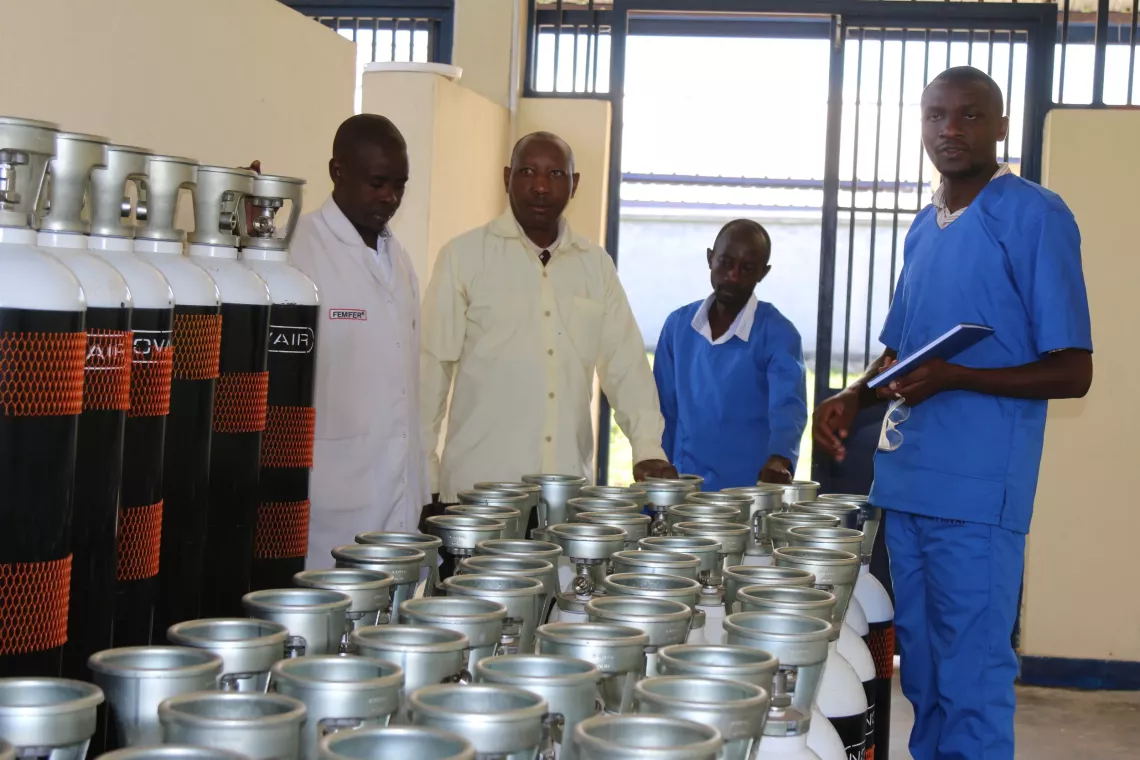
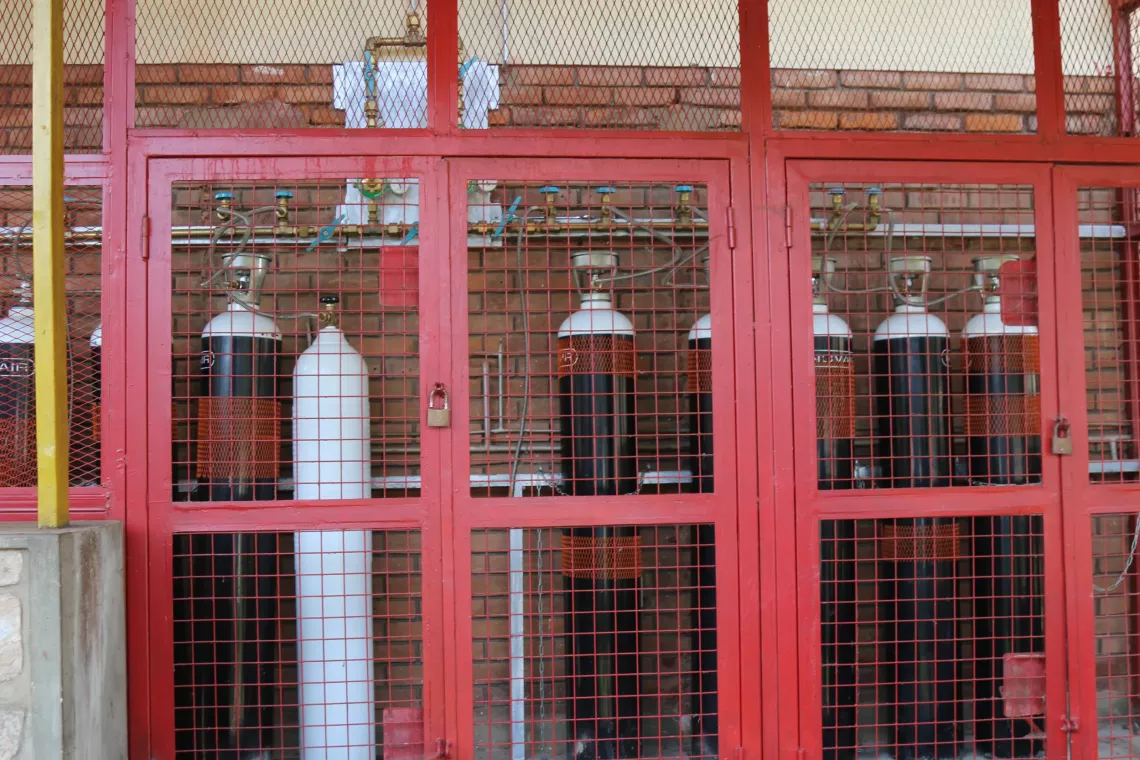
Before UNICEF's support, the hospital had to obtain oxygen supplies from Bujumbura, incurring significant costs and risks associated with transporting the cylinders. "If the oxygen ran out, we were forced to refer our patients to Bujumbura, sometimes with the risk of death along the way. We are very grateful to UNICEF for this support, which has improved the quality of care and alleviated the suffering of patients," says Dr Boniface Nkezimana, Deputy Director of Bururi Hospital, with pride.
In the coming months, Burundi will benefit from six new factories, thanks to funding from UNICEF and the World Bank. UNICEF is also supporting the upgrading of four other existing plants in the country that had long since broken down. With 14 oxygen plants, medical oxygen supply needs will be equitably covered throughout the country.
UNICEF remains committed to supporting the government of Burundi in its efforts to provide the best health services to its population, especially to children whose conditions require medical oxygen.