Burundi strengthens its fight against epidemics through a strategic partnership
With over 22 million dollars in funding from the World Bank, Burundi launches a strategic project to strengthen epidemic preparedness, implemented by UNICEF, FAO, and WHO under the “One Health” approach.

- English
- Français
On April 11, 2025, a significant event took place in Gitega: the official launch of the project “Strengthening National Capacities for Prevention, Preparedness, and Response Using the One Health Approach.” Funded by the World Bank through the Pandemic Fund, the project aims to enhance Burundi’s health systems in response to emerging health threats. Aligned with the “One Health” approach, the launch was led by the Minister of Health and the Fight Against AIDS, Dr. Lydwine Baradahana, alongside Dr. Canesius Nkundwanayo, Director General of Agriculture and Livestock, representing his ministry.
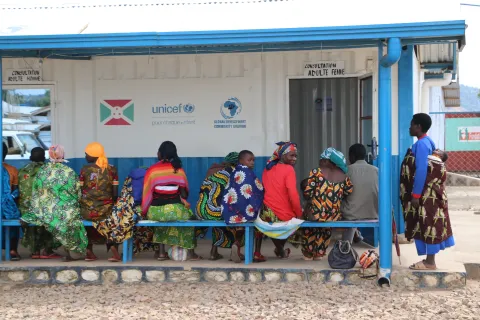
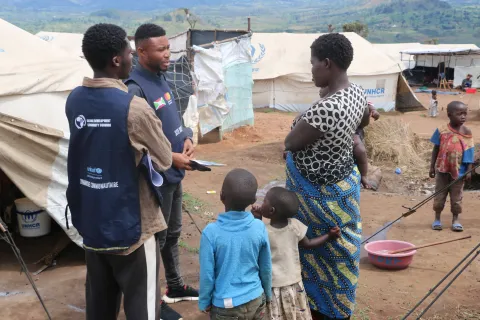
This project represents a major asset in the fight against health threats, especially in a context marked by the Mpox outbreak and other public health emergencies such as the humanitarian crisis triggered by the arrival of Congolese refugees fleeing the ongoing socioeconomic crisis in the Democratic Republic of Congo. With funding exceeding 22 million US dollars, this three-year initiative will be implemented under the coordination of the World Health Organization (WHO), in collaboration with the Food and Agriculture Organization (FAO) and the United Nations Children’s Fund (UNICEF).
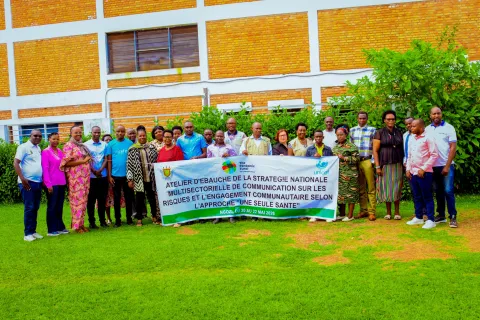
Project interventions will focus on several key areas: improving surveillance systems for human, animal, and environmental health; strengthening laboratory capacity to allow rapid and accurate diagnosis of epidemics; and reinforcing the workforce across the human, animal, and environmental health sectors to combat epidemic-prone diseases at all levels. Additionally, the project will emphasize risk communication, community engagement, and efficient health emergency management. emergencies.
A collective mobilization for more resilient health

During the launch ceremony, several high-level officials delivered remarks, including the Minister of Health and the Fight Against AIDS, Dr. Lydwine Baradahana, representing the Government of Burundi; the WHO Representative in Burundi, Dr. Xavier Crespin, speaking on behalf of the implementing UN agencies; the FAO Representative in Burundi, Mr. Pissang Tchangaï Dadémanao; the UNICEF Representative in Burundi, Ms. France Bégin; World Bank delegate Ms. Evelyne Ndabaniwe; the Africa CDC representative; an envoy from the Ministry of Environment, Agriculture, and Livestock; and the Governor of Gitega Province, Mr. Vénant Manirambona.
All speakers emphasized the importance of a coordinated and integrated approach to effectively combat epidemics and broader health crises.
Dr. Baradahana highlighted the catalytic role of the Pandemic Fund: “This Fund not only strengthens our current response to the Mpox outbreak, but also helps the country prepare for future shocks by making human, animal, and environmental health systems more resilient,” she stated. She also underscored the importance of collaboration among all stakeholders to ensure the project’s success.
Speaking on behalf of the UN implementing agencies, the WHO Representative in Burundi, Dr. Xavier Crespin, advocated for the establishment of the “One Health” platform. This platform will generate synergy among the human, animal, and environmental health sectors to address public health issues in a holistic, integrated, and coordinated manner.
Alongside the launch, a symbolic groundbreaking ceremony was held at the regional hospital of Gitega—one of UNICEF’s implementation sites—marking the start of construction of triage, isolation, and care units for epidemic diseases.

The event concluded with a media session led by the Minister of Health and the FAO Representative, both of whom emphasized the deep interconnection between human, animal, and environmental health.
This project marks a major step toward building a stronger, more resilient health system in Burundi, driven by the government’s commitment and that of its partners. It reinforces the country’s efforts to consolidate the “One Health” approach and promote a healthier, more equitable future for all.