Burundi launches the introduction of HPV vaccine to protect girls and prevent cervical cancer
Driven by the joint commitment of the Government of Burundi, Gavi, UNICEF and WHO, this historic milestone marks a major turning point in the fight against cervical cancer, the leading cause of cancer-related deaths among women in Burundi
- English
- Français
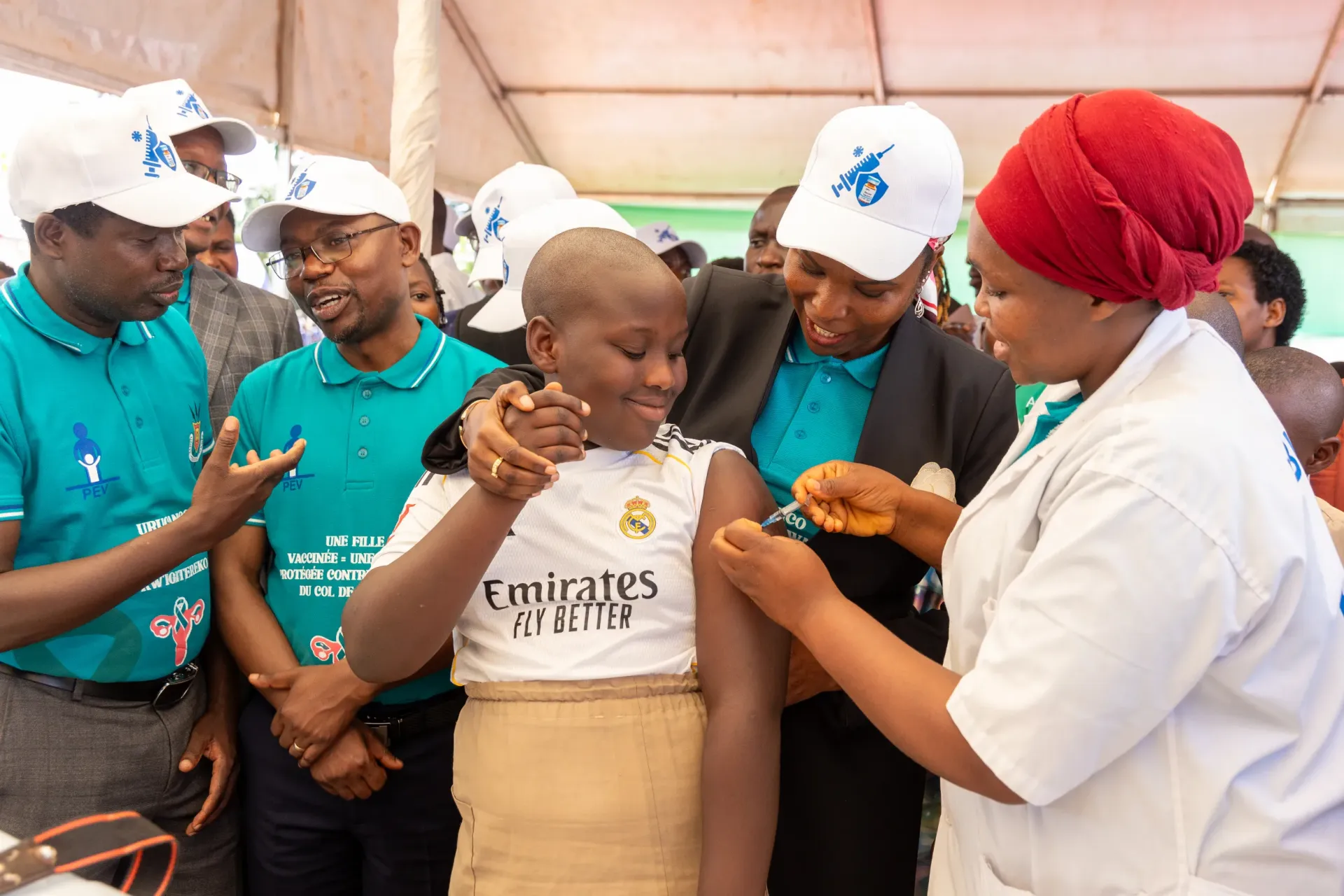
In a festive and hopeful atmosphere, the Government of Burundi officially launched, on 29 April 2026, the introduction of the Human Papillomavirus (HPV) vaccine into the Expanded Programme on Immunization.
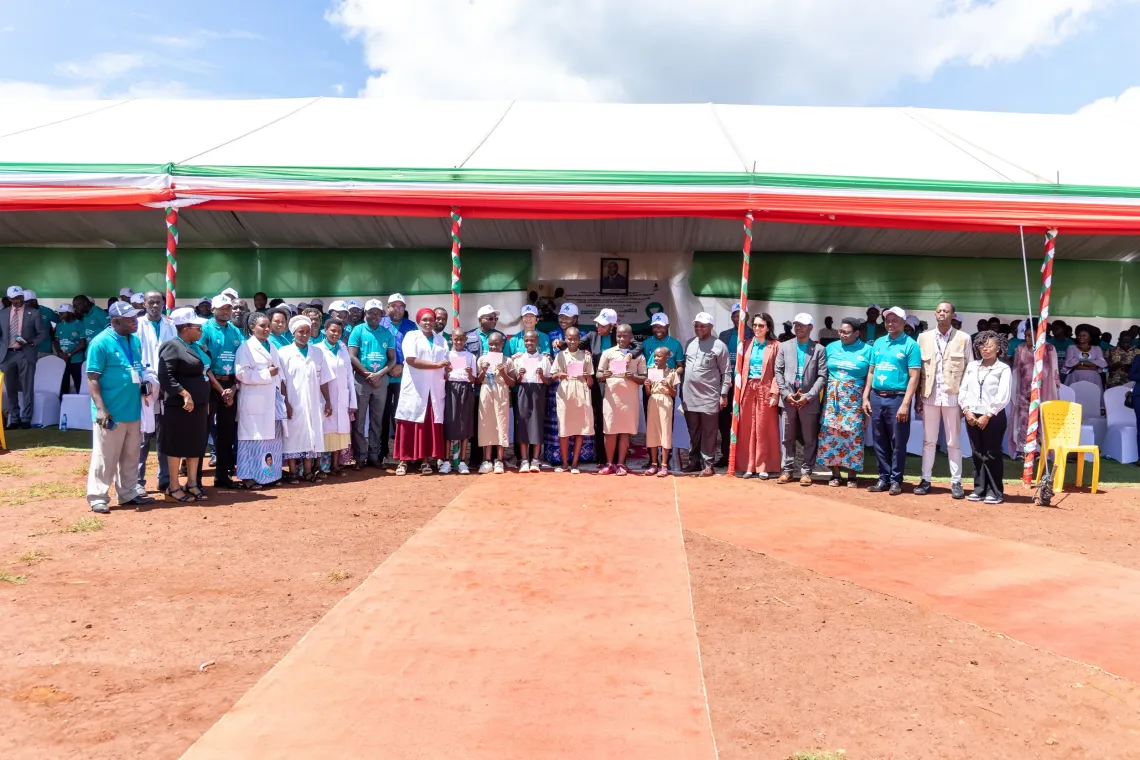
The official ceremony, held at Kibimba tadium in Gitega Province, took place under the high patronage of Her Excellency Madame Angeline Ndayishimiye, First Lady of the Republic of Burundi. It brought together a large crowd of national and local authorities, technical and financial partners, health professionals, community leaders, families, and media representatives. The strong participation of children and adolescent girls aged 9 to 14, the main beneficiaries of the vaccine, gave the event a powerful symbolic significance, embodying hope for a healthier future for Burundian girls.
Speaking on behalf of the Government, Oscar Ntihabose, representing the Minister of Public Health, highlighted the burden that cervical cancer places on the national health system, stressing the urgency of strengthening prevention efforts: “Each year, nearly 1,500 new cases are diagnosed and more than 1,000 women lose their lives to this largely preventable disease. In addition, about 5% of women who come for screening are already affected by the disease,” he noted.
This national situation is part of a broader global concern: with nearly 660,000 new cases and 350,000 deaths each year, cervical cancer disproportionately affects African countries, including Burundi.
Faced with this heavy burden, the Government of Burundi, with the support of its partners, has made the strategic choice to invest in primary prevention by introducing HPV vaccination nationwide starting in 2026. From the end of April 2026, this vaccine has been integrated into the routine immunization schedule for girls aged 9 to 14, whether in school or not, across the entire country. The goal is to achieve at least 80% vaccination coverage, through a combined approach based on school-based vaccination and community strategies to reach out-of-school girls, with the support of community health workers and local leaders
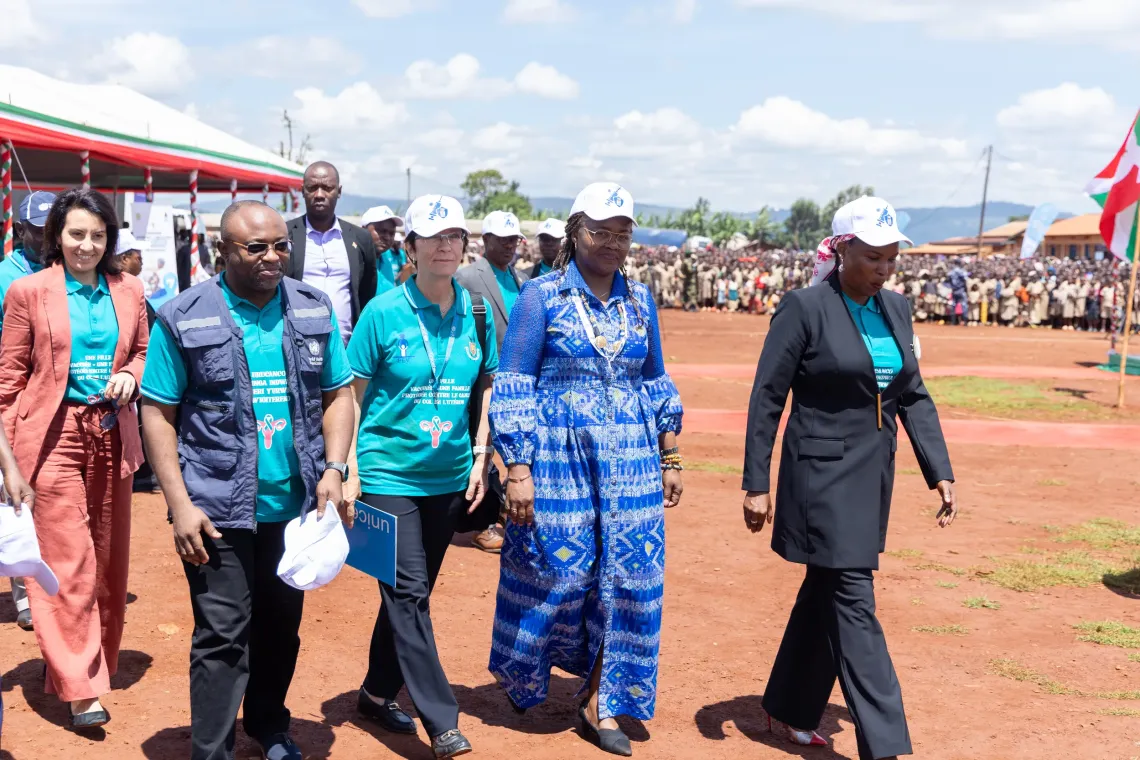
The initiative is supported by Gavi, the Vaccine Alliance, which assists Burundi in financing vaccines, injection supplies, and logistical operations. On this occasion, Dr Marthe Sylvie Essengue Elouma, Acting Director of Priority Countries (Africa, Asia, and Europe) at Gavi, welcomed the introduction of the HPV vaccine in Burundi as a decisive step forward, enabling early action, disease prevention, and offering an entire generation of girls’ healthier prospects.
“This strategic choice reflects Burundi’s commitment to fully engage in global efforts to eliminate cervical cancer as a public health problem,” she stated.
France Bégin, Representative of UNICEF in Burundi and lead of the health partners, reaffirmed the partners’ commitment: “(...) I would like to reaffirm the unwavering commitment of health partners to support the Government of Burundi in this historic milestone, particularly through support for communication, community mobilization, capacity strengthening, and equity in access to vaccination services, so that no girl is left behind, whether she is in school or not.”
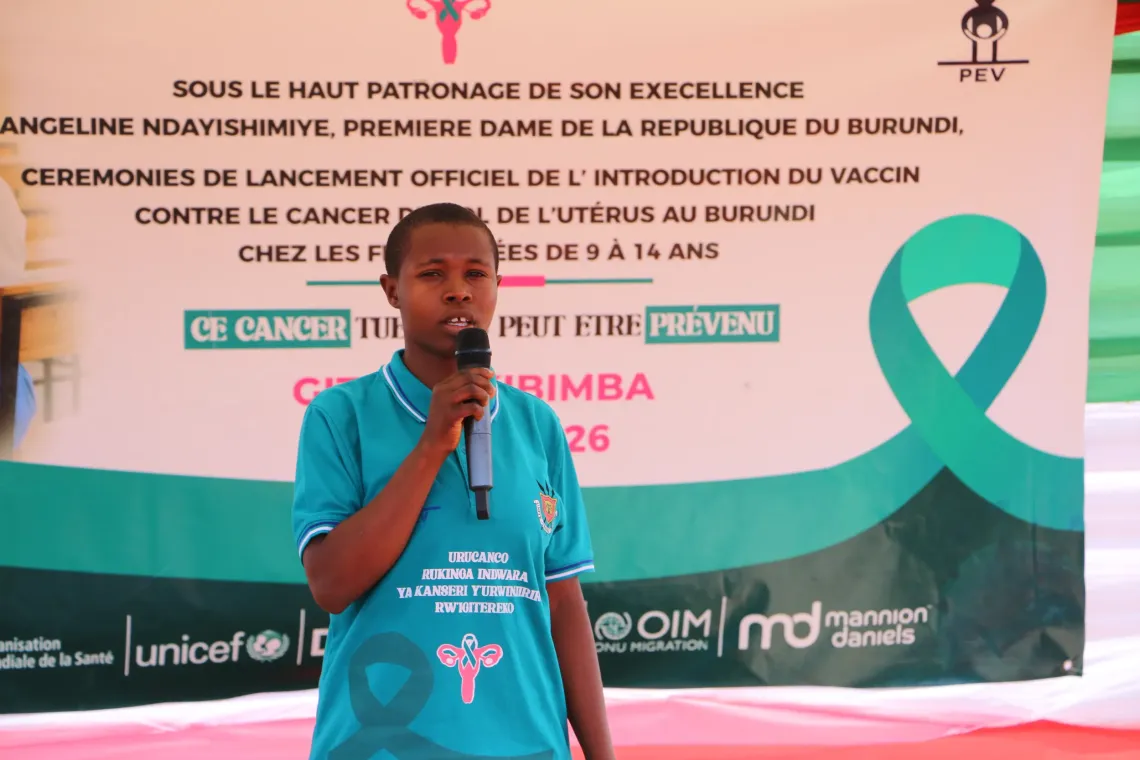
This national introduction builds on the encouraging results of a pilot phase conducted in the provinces of Ngozi and Rumonge, during which more than 12,000 adolescent girls were vaccinated, achieving an 85% coverage rate. These results demonstrated both the feasibility of the intervention and strong community acceptance.
Beyond these positive outcomes, the pilot phase also helped address concerns and strengthen trust within families, as illustrated by the experience of a young female beneficiary in Ngozi Province: “I had the opportunity to be vaccinated eight years ago. At the time, there were many rumours, including that the vaccine could cause infertility in women. But I did not want to miss this opportunity, especially because I had an aunt who died from this cancer, and I know how much she suffered. Today, I am married, and a mother of one child. I have never experienced any health problems, allergies, or complications, contrary to what was being said,” she shared.
First Lady champions HPV vaccination as a life-saving investment for families
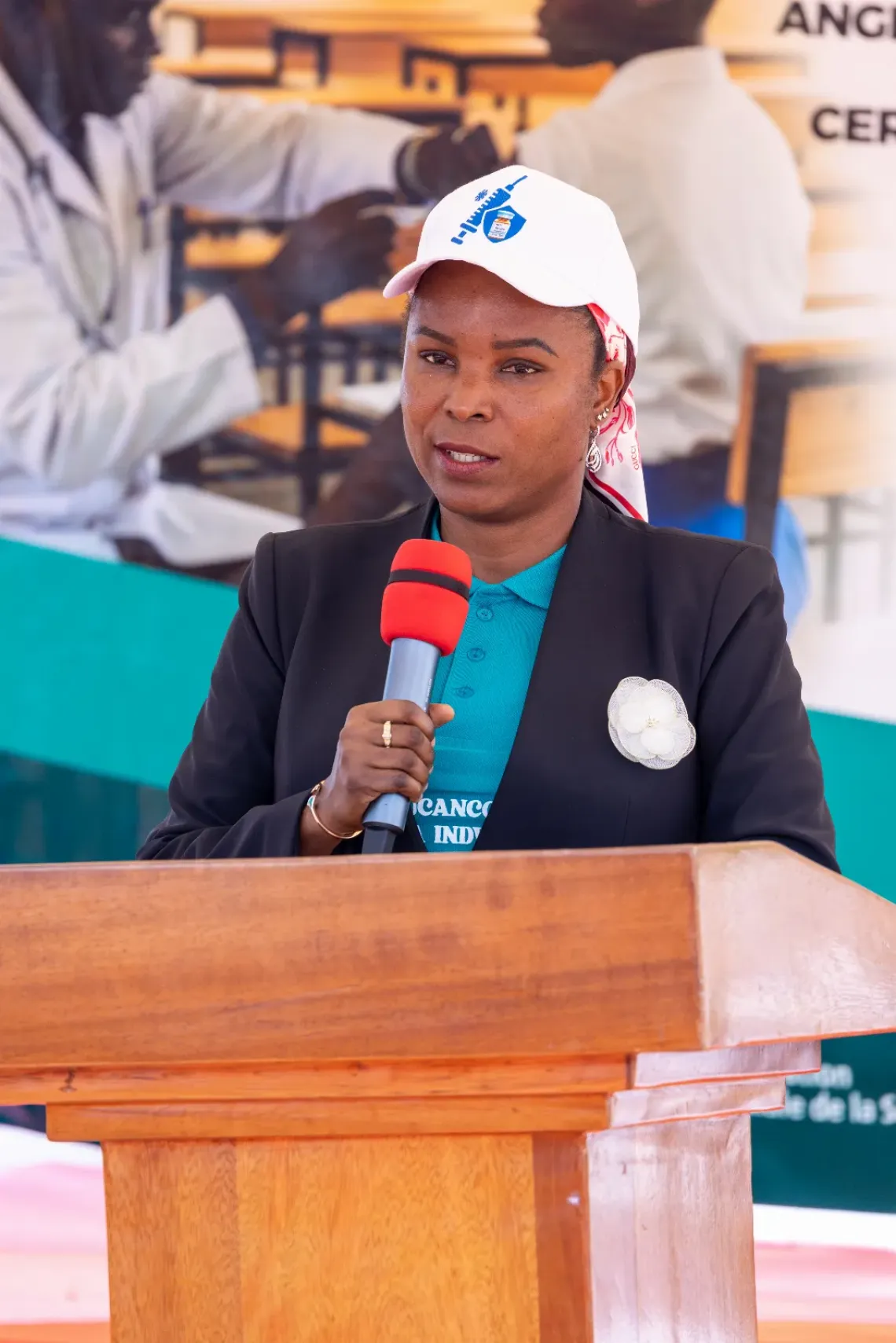
During her official address marking the introduction of the HPV vaccine, the First Lady of the Republic of Burundi described the initiative as a “long-awaited response,” emphasizing that it represents a decisive step toward protecting the future of Burundian families.
She recalled that cervical cancer places a heavy human and economic burden on households, affecting not only women’s health but also the country’s development. Stressing the importance of acting today to safeguard the health of future generations, she presented vaccination as a true investment in life and called for strong mobilization of families so that all girls aged 9 to 14 can benefit from it. Firmly rejecting misinformation surrounding the vaccine, she issued a clear appeal to parents: “This vaccine has been rigorously studied and is safe. I encourage parents to vaccinate their children without hesitation; protect their health and do not jeopardize their future,” she stated.
Across all speeches delivered during the ceremony, authorities and partners unanimously highlighted that the success of HPV vaccine introduction depends on collective mobilization, involving teachers, community and religious leaders, administrative authorities, and parents. They all stressed their essential role in informing communities, countering rumors, and strengthening trust, recalling that the vaccine does not affect fertility or the development of young girls, but instead provides effective protection against a severe and often fatal disease.
By introducing this vaccine, Burundi joins African countries committed to preventing cervical cancer and contributes to the global goal of its elimination by 2030, paving the way for a healthier generation of girls with brighter futures.