Building the capacity of trainers in the integrated Life Skills, UPSHIFT and STEM Program
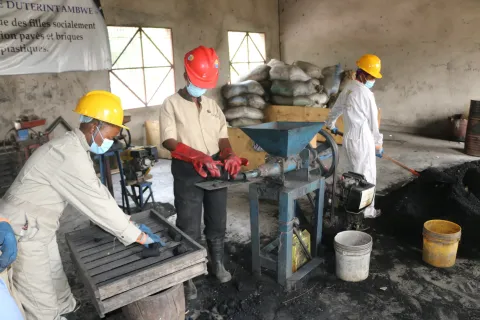
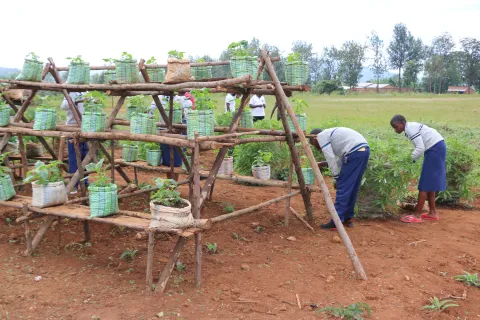
To support adolescents in developing socially impactful innovations, UNICEF Burundi, with funding from the Belgian National Committee for UNICEF and in partnership with the NGO FIADI, organized a capacity-building workshop for trainers

- English
- Français
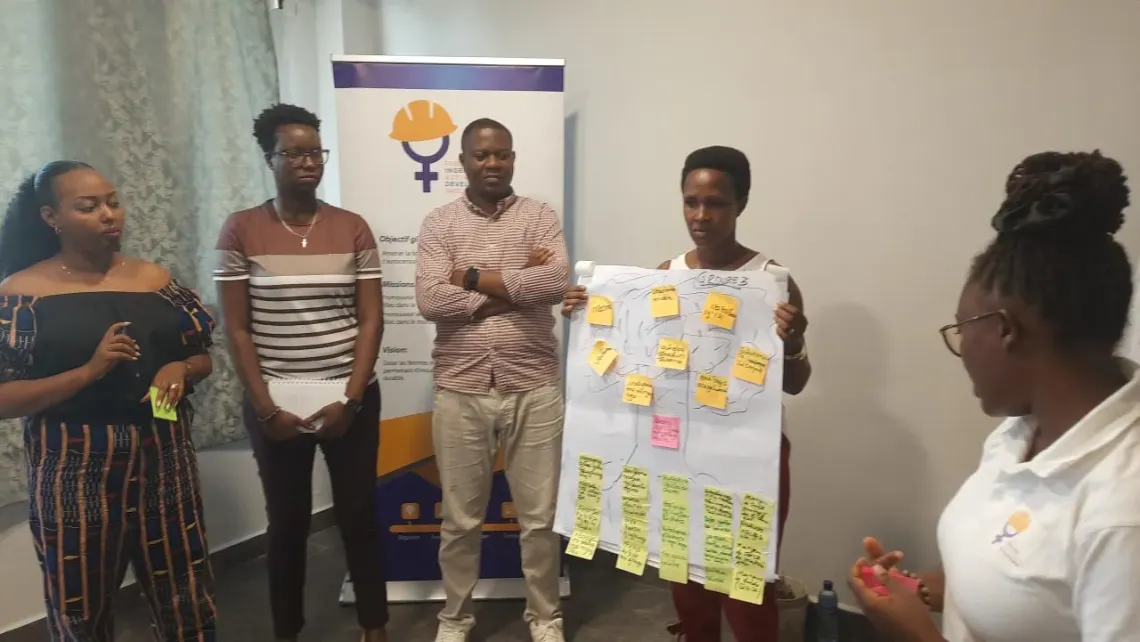
From 13 to 17 July 2026, the NGO ''Femmes Ingénieures Actives pour le Développement Inclusif'' (FIADI) organized a training of trainers for 15 professionals, 50 per cent of whom were women, drawn from its own teams and from the partner consortium PEAB-Umunyinya.
Funded by the Belgian National Committee for UNICEF, the initiative forms part of the project “Unlocking the potential of adolescents to transform community challenges into sustainable, socially impactful solutions through UPSHIFT and STEM innovation.The main objective was to strengthen participants’ 21st-century life skills, knowledge of the UPSHIFT methodology, and technical competencies in science, technology, engineering and mathematics (STEM), equipping facilitators and coaches working with Solidarity Groups (SGs) to better support adolescents throughout the innovation process.
Over five intensive days, participants combined theoretical learning with hands-on workshops, allowing them to gain a practical understanding of the program’s different components and approaches.
The first day focused on the foundations of 21st-century life skills. These skills are essential to unlocking the potential of adolescents and young people by strengthening their personal abilities, employability and civic engagement.
These transferable skills include communication, critical thinking, creativity, leadership and emotional intelligence. Through practical exercises, participants engaged in collaborative activities that fostered active participation and sustained commitment throughout the training.
The second day introduced participants to the UPSHIFT methodology and key STEM concepts. Through practical exercises, they learned how to support adolescents in identifying and assessing community challenges, analyzing their root causes and developing sustainable solutions.
“This training goes far beyond acquiring technical knowledge. It equips us with the skills and tools needed to foster creativity, initiative and leadership among adolescents, enabling them to become genuine agents of change within their communities,” said one of the project facilitators.
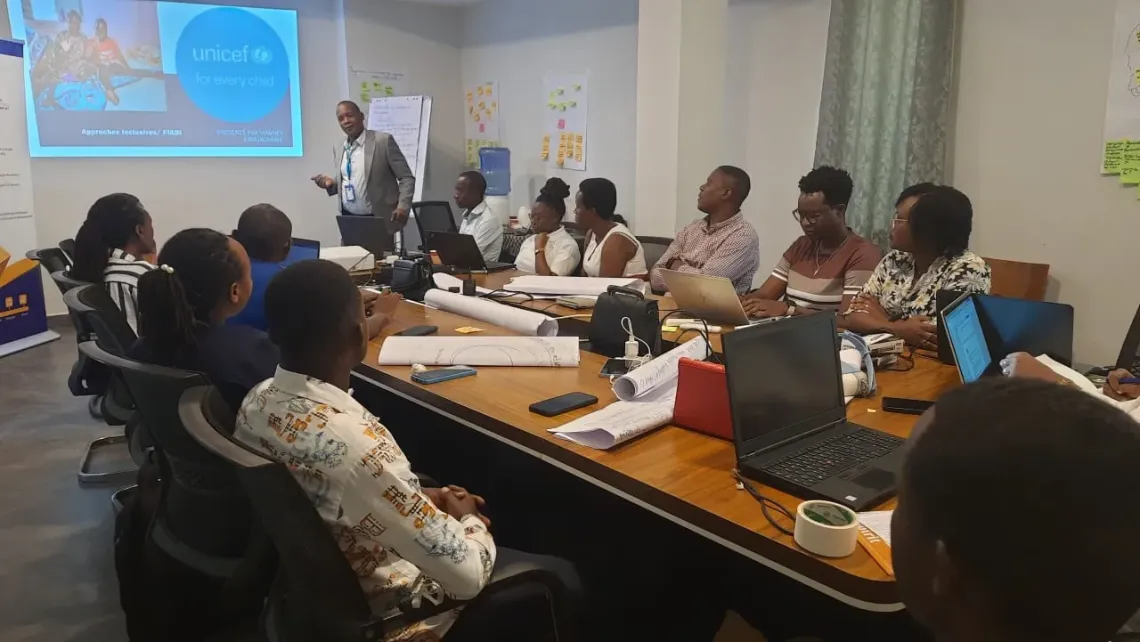
The third day focused on two key areas. The first was a session led by UNICEF on Prevention of Sexual Exploitation and Abuse (PSEA), which reinforced the principle of zero tolerance. This was followed by a practical workshop on mapping and analyzing key stakeholders in the field.
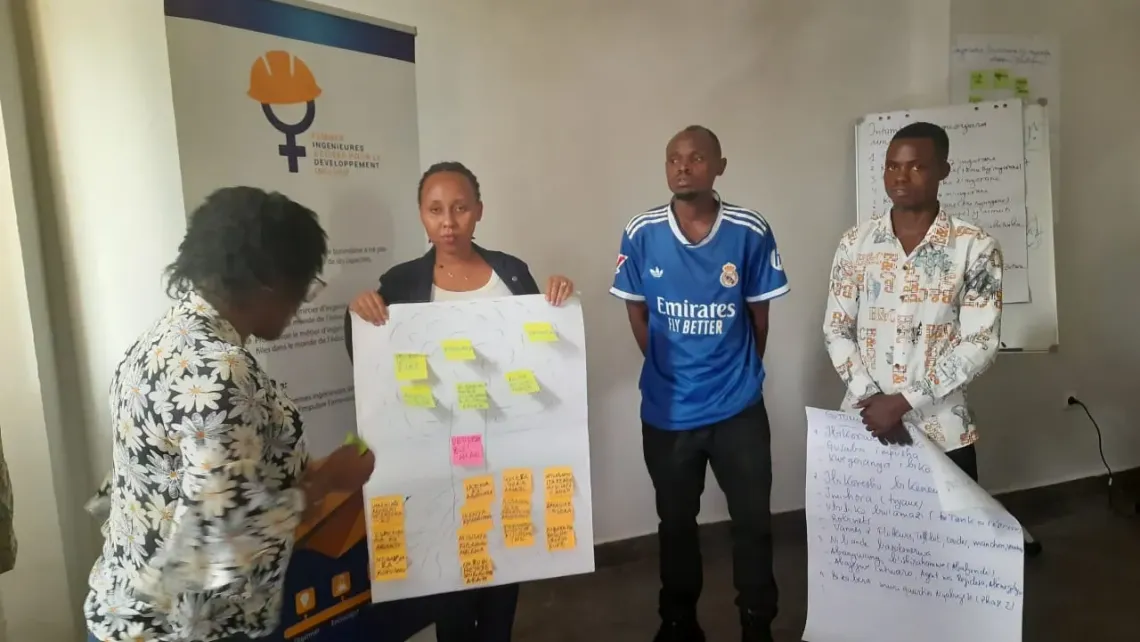
The fourth day was dedicated to transforming identified challenges into innovative solutions with social impact. Participants explored the full innovation process, from ideation and prototyping to planning for community-based testing.
Alongside this, a second UNICEF-led session highlighted the importance of inclusive approaches in designing solutions that are accessible to people with disabilities and marginalized groups.
“The practical exercises and group work strengthened our ability to turn an idea into a concrete project. I particularly appreciated the sessions on inclusion and protection, as they are essential to ensuring that no one is left behind,” said one participant.

The final day brought the UPSHIFT methodology to life through solution pitches, during which each team presented its prototype and demonstrated the progress it had made throughout the innovation process from identifying a problem to designing a potential solution.
“Seeing our ideas come to life in front of the group and receiving constructive feedback from the facilitators gave us tremendous confidence for the next steps,” one participant said following the engaging discussions and exchanges.
The week concluded with a session led by a UNICEF specialist on digital literacy. The session focused on hands-on learning approaches and the use of digital tools to stimulate creativity and encourage the co-creation of solution prototypes.
Participants were also introduced to the use of digital platforms as sources of information and documentation, as well as to ways of developing and tracking the transformation of these prototypes into sustainable, socially impactful micro-enterprises led by adolescents themselves.
“This training has changed the way we look at digital technology. We now know how to guide adolescents to use digital spaces safely while helping them seize opportunities for the future,” said a group member during the closing session.
Considered highly beneficial by all participants, both in terms of the technical knowledge acquired and the ethical principles reinforced, the training represents a key milestone in the community-level scale-up of the project.
Following this first training, a second phase of capacity building will focus on gender, Gender-Based Violence (GBV), Accountability to Affected Populations (AAP), and social protection mechanisms. These sessions will enable the teams to further strengthen their skills and ensure that project implementation is grounded in inclusion, protection and meaningful participation of beneficiaries.
Building on these newly acquired skills, the teams will continue supporting members of the Solidarity Groups through coaching to develop income-generating projects, alongside digital learning tailored to their initiatives. This continued support will focus on helping adolescents transform their solution prototypes into sustainable micro-enterprises with social impact. These ventures will be co-created by adolescents themselves in response to the challenges facing their communities and further strengthened through their own research and use of digital platforms.