
What reasonable and health-safe measures can be used to discipline a child?
Positive discipline as a path to mental and physical health and a happy childhood

- русский
- English
Every parent faces moments when they become seriously concerned about how to discipline their child. Whether it’s a toddler throwing tantrums or a strong-willed teenager, it can be extremely difficult for parents to stay calm. None of us want to find ourselves in such situations, and the truth is that shouting and harsh physical punishment won’t help.
Fortunately, there are other, more effective methods — one of which is positive discipline. We reached out to Lucy Cluver, a researcher in social work with families and children and a professor at Oxford University, who is also a mother of two boys. She shared how this approach can help parents build positive relationships with their children and teach skills such as responsibility, cooperation, and self-discipline.
There are no bad children, only bad behavior
Why positive discipline?
“Parents don’t want to shout at or hit their children. They do so because they are stressed and see no other way out,” says Professor Cluver.
It is quite clear that methods such as shouting and physical punishment simply do not work and can ultimately cause more harm than good. Constant yelling and hitting can even have a detrimental impact on a child’s entire future life. The continuous “toxic stress” created this way can lead to many negative outcomes, including an increased risk of dropping out of school, depression, substance abuse, suicide, and heart disease.
“It’s like saying: here is a medicine, but it won’t help and will only make you feel worse,” explains Professor Cluver. “If we realize that a certain approach doesn’t work, it’s time to look for another.”
Unlike punishment and other undesirable measures, the positive disciplinary approach focuses on building healthy relationships with the child and setting clear behavioral expectations. The good news for every parent is that this approach works. Below are recommendations on how to apply it in practice.
1. Schedule one-on-one time
One-on-one conversations are extremely important for building any healthy relationship, especially with your children. “It can be 20 minutes a day, or even just 5 minutes. Such interaction can happen, for example, while washing dishes together and humming a song, or simply chatting while hanging laundry,” says Professor Cluver. “What really matters is that you are fully focused on your child. Don’t forget to turn off the TV and your mobile phone, get down to your child’s level, and create a space where it’s just you and your child.”
2. Praise your child’s good behavior
As parents, we often focus on our children’s bad behavior and criticize them for it. However, children may see such behavior as a way to get your attention and are more likely to continue misbehaving than to stop.
Children love to be praised. When they are praised, they feel loved and special. “Don’t overlook your child’s good actions and be sure to praise them, even if they only played nicely with their younger sibling for five minutes,” recommends Professor Cluver. “This approach encourages children to behave well and reduces the need for disciplinary measures.”
3. Clearly state your expectations
“Telling a child exactly what you want from them is much more effective than telling them what they shouldn’t do,” says Professor Cluver. “When you ask a child not to scatter things or to behave well, they may not understand what exactly is expected of them.” Clear instructions, such as “Please pick up your toys and put them in the box,” set specific expectations and increase the likelihood that the child will follow through.
“At the same time, it is crucial to set realistic expectations. Asking a child to behave calmly all day might not yield the desired result, whereas asking them to sit quietly for 10 minutes while you are on the phone is more achievable,” explains Professor Cluver. “You need to be aware of what your child can and cannot do. If you ask for the impossible, it simply won’t work.”
4. Use creative ways to redirect children’s attention
“If you are struggling to communicate with your children, it can be very helpful to redirect their attention to a more positive activity,” says Professor Cluver. “When you shift their focus to something else—changing the topic of conversation, suggesting a new game, moving to another room, or going for a walk—you can easily channel their energy toward more positive behavior.”
Timing is crucial here. Redirecting attention means not only noticing promptly when a situation starts to go in an unwanted direction but also taking appropriate action. Be attentive to your child’s behavior to catch the moment when they become uncontrollable, easily agitated, or provocatively irritable, or when siblings start fighting over the same toy. Then you can defuse a potential negative situation before it escalates.
5. Calmly explain consequences
An essential part of growing up is understanding that every action has consequences. Helping your child understand this concept is a simple process that improves behavior by teaching responsibility.
Give your child the chance to make the right choices by explaining the consequences of bad behavior. For example, if you want your child to stop drawing on the walls, tell them to stop or reduce their playtime. This way, the child receives a warning and the opportunity to change their behavior.
If the child continues the behavior, calmly continue the conversation about consequences without showing irritation. “Give yourself credit for your patience—it’s not always easy to maintain,” adds Cluver.
Professor Cluver recommends praising the child multiple times if they listen and stop misbehaving. “This creates a positive feedback loop for your child. The ‘calm consequences’ method is very effective in helping children understand what happens when they misbehave.”
Consistency is the key factor in positive parenting and explains the importance of following the “calm consequences” method. The main thing is that your actions are realistic. “You can take away a teenager’s phone for an hour, but taking it away for an entire week may be unrealistic,” she says.
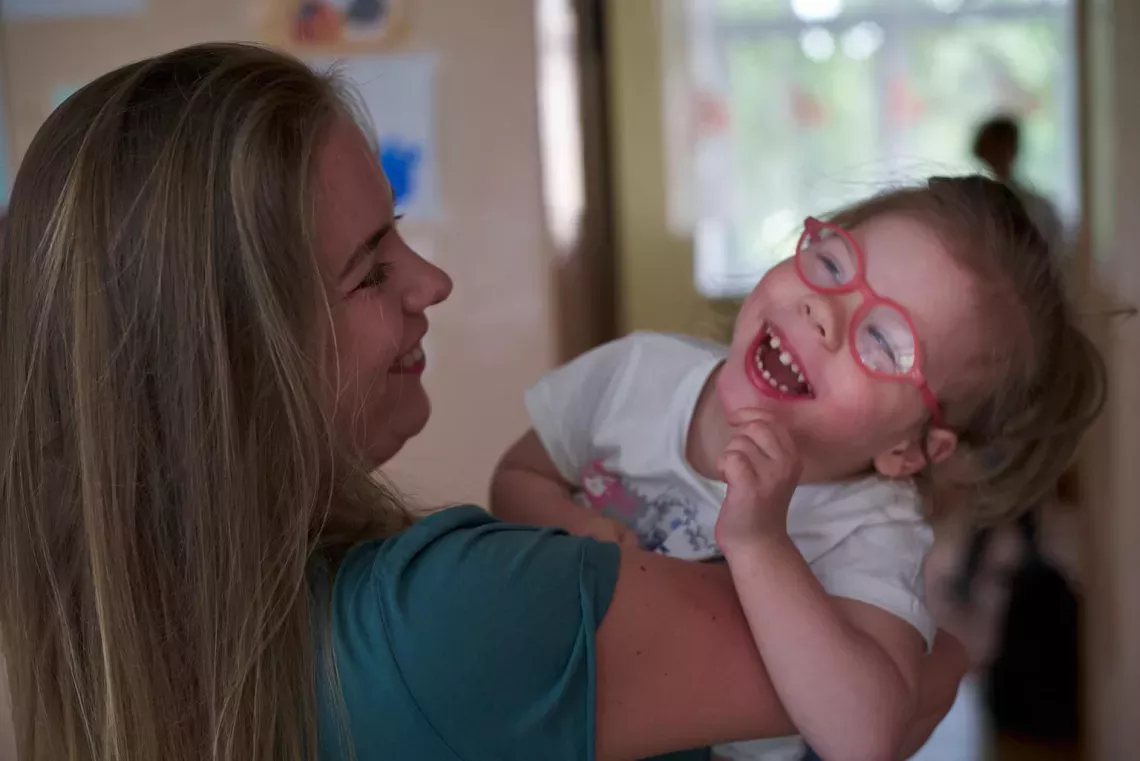
Interacting with Younger Children
Time spent one-on-one with your child can be fun and engaging—and completely free! “You can start by copying your child’s facial expressions, drumming spoons on cups, or singing songs together,” adds Professor Cluver. “Research has shown an amazing result: when you play with your children, you help develop their mental abilities.”
Interacting with Older Children
Teenagers, just like younger children, need praise and want to be seen as good. One-on-one time with parents is just as important for them. “They enjoy it when you dance together or engage them in conversations about their favorite singer or band,” says Professor Cluver. “And the fact that they may not show it doesn’t mean they don’t appreciate it. Such interaction is an effective way to build relationships on their terms.”
When setting your expectations, “ask your children to help establish some rules,” suggests Professor Cluver. “Sit them down next to you and try to agree on what is and isn’t allowed at home. Additionally, children can help determine possible consequences for unacceptable behavior. Direct involvement in this process helps children understand that you recognize them as growing, independent individuals.”
Advice for Parents During the COVID-19 Pandemic
The pandemic brought sudden and drastic changes to every family’s life, placing parents right at the center. Here are some tips to help parents get through these and any other stressful times.
1. Take a Pause
We all know stressful moments when we feel unable to handle our child. In such cases, use a simple and helpful tactic: stay calm and “take a step back.” Professor Cluver calls this method “pressing the pause button.” “Slowly and carefully take five deep breaths, and you will notice that you can respond calmly and thoughtfully to the situation. Parents worldwide have noted how beneficial this pause is.”
2. Step Back
“Parents often forget to take care of themselves,” says Professor Cluver. “Take some time for yourself, for example, when the children are asleep. Do something that helps you feel happy and calm. Being a parent and trying to do everything right without the chance to take a break is a tough job.”
3. Praise Yourself
“The truly amazing work you do every day as a parent is easily forgotten but should be acknowledged,” advises Professor Cluver. “Try, each day—for example, while brushing your teeth—to pause for a second and ask yourself: ‘What good did I do for my children today?’ And realize that you have done something great.”
“You may be in isolation or not, but you are not alone,” says Professor Cluver. “Millions of parents around the world are doing their best, and sometimes we all fail. But then we try again. Together, we will get through this.”


