Effective Partnership for Children
Joint visit by the Director of the Department for Humanitarian Activities and the UNICEF Representative in Belarus to the Brest Region
- русский
- English
On 10 June, Igor Kudrevich, Director of the Department for Humanitarian Activities of the Property Management Department of the President of the Republic of Belarus, and Rustam Haydarov, UNICEF Representative in Belarus, paid a working visit to Brest. The organizations work closely together on humanitarian issues affecting children. The visit provided an opportunity to see the results of joint efforts to implement projects on the ground and discuss further areas of cooperation with the regional authorities.
The programme included visits to a dedicated child- and family-friendly space established at the Citizenship and Migration Department; the Ministry of Emergency Situations’ Safety Centre and its mobile educational unit, which brings safety education to children in even the most remote areas of the Brest Region; and the Water Sports Palace, where children with disabilities have recently gained the opportunity to take part in activities with a professionally trained coach.
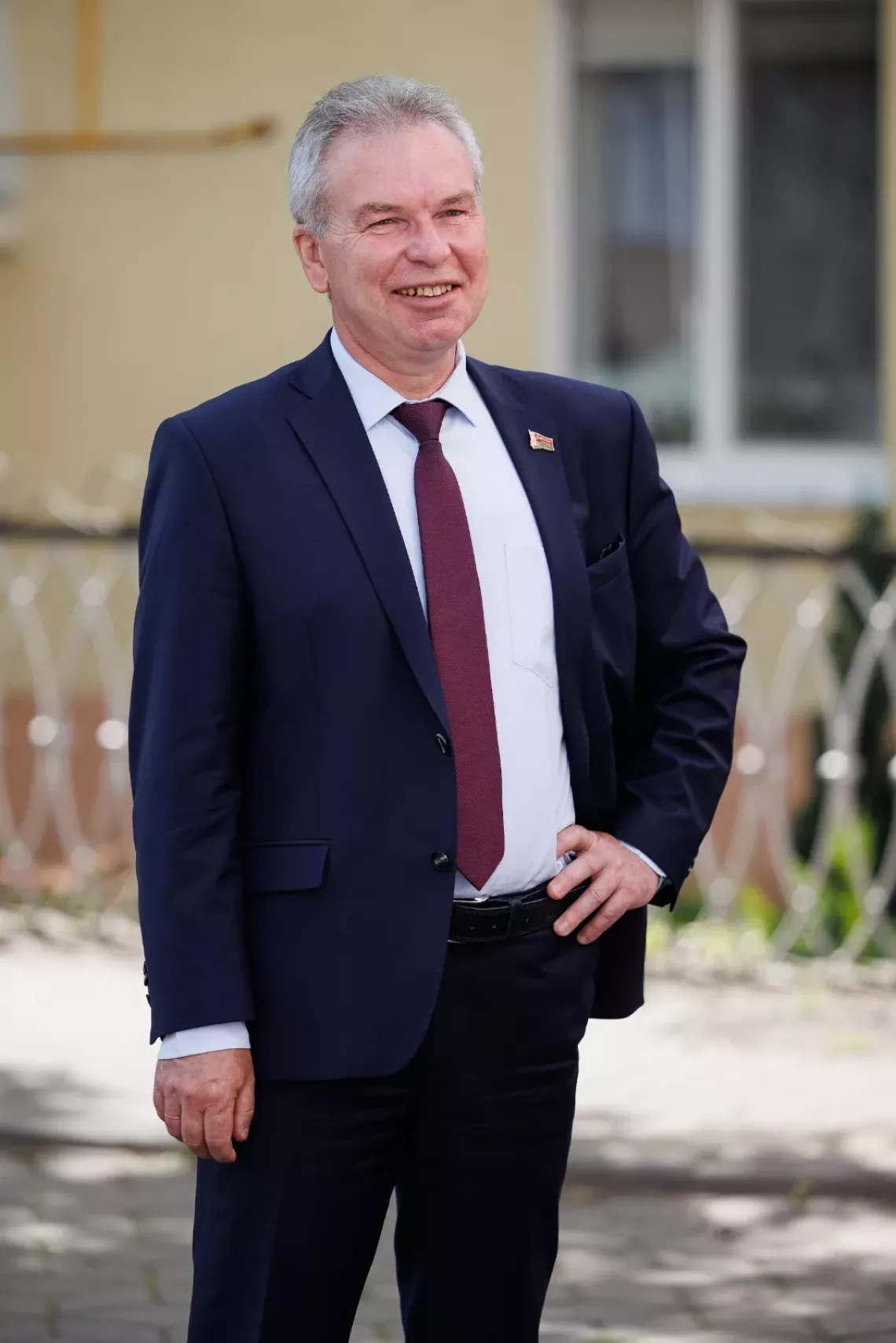
“We are engaged in very important work. Today, we are visiting facilities and initiatives supported by UNICEF as part of humanitarian efforts. We work very closely with the organization and, most importantly, we are seeing meaningful results. It is particularly valuable that even when certain services, programmes or initiatives are initially designed to support refugees or migrants, children and families in Belarus also actively benefit from them, helping to improve their quality of life,” said Igor Kudrevich, Director of the Department for Humanitarian Activities of the Property Management Department of the President of the Republic of Belarus.
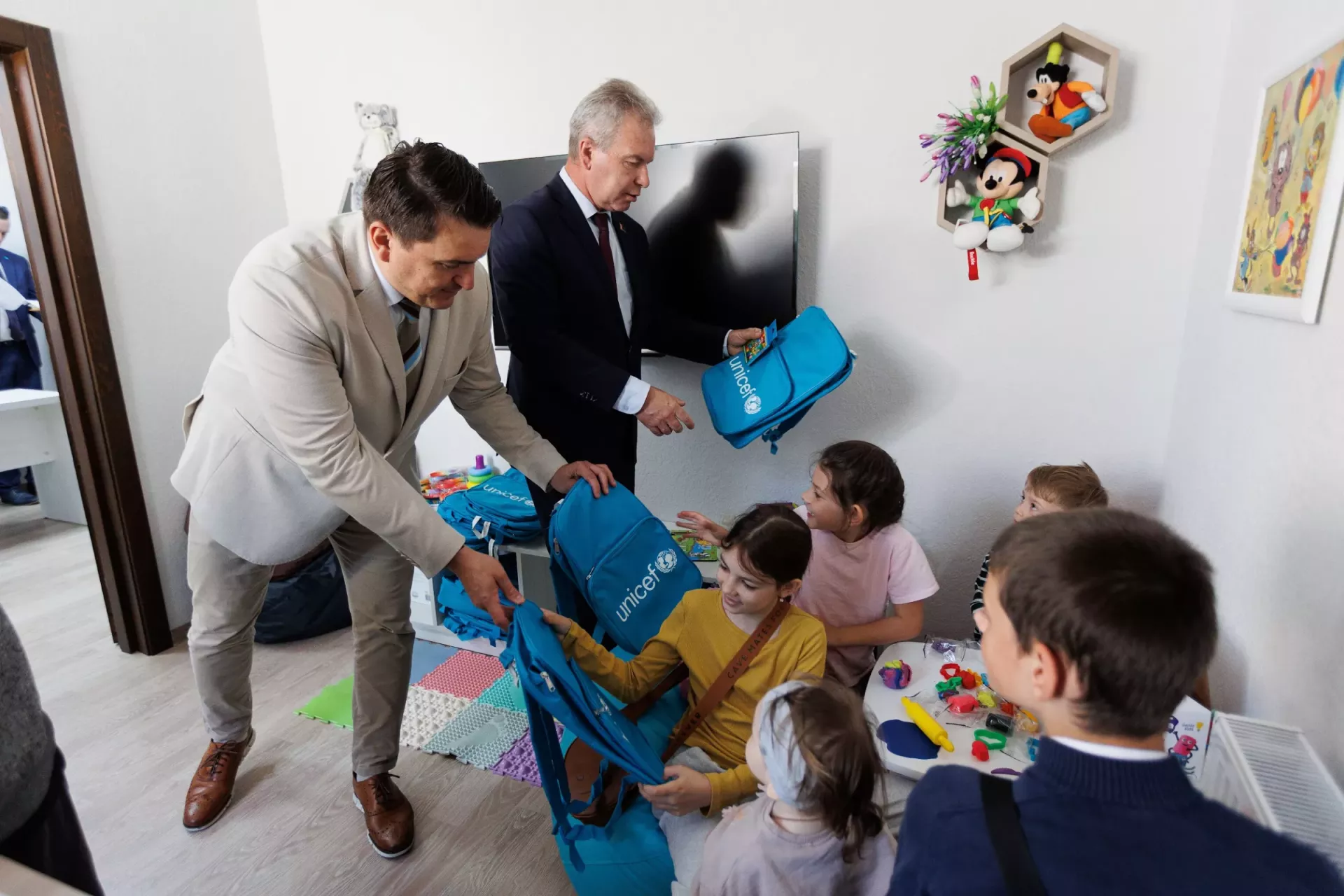
The Brest Region plays an important role in supporting migrants and refugees, particularly families with children from Ukraine. UNICEF actively supports the development of child- and family-friendly services and, during the visit, the delegation visited a dedicated child- and family-friendly space at the Citizenship and Migration Department, recently established with UNICEF support in Belarus.
The main purpose of the space is to provide a safe, supportive and welcoming environment for children and their parents who come to the Citizenship and Migration Department for assistance in obtaining legal status in the country. In Belarus, refugees, migrants and people seeking asylum can apply for refugee status, additional or temporary protection. This process can take time, and staff of the Citizenship and Migration Department help families navigate the relevant procedures.
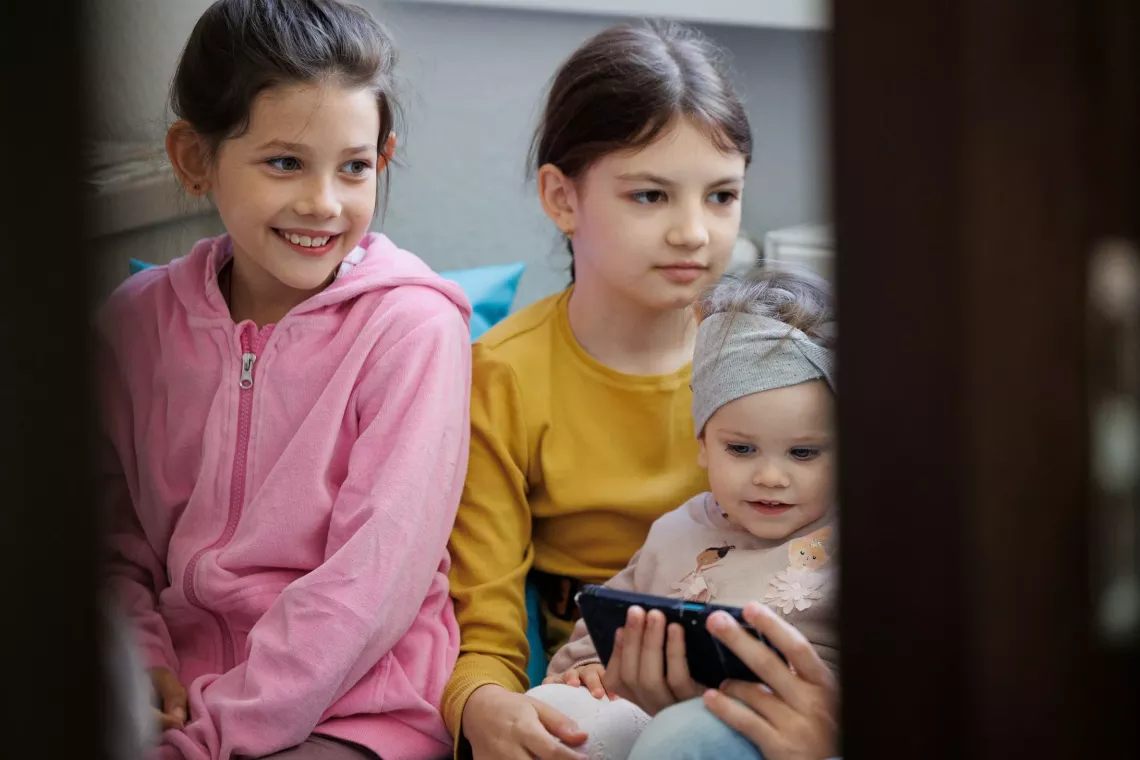
In the child- and family-friendly space, parents can speak with a specialist in a comfortable and supportive setting while keeping an eye on their children. The space is also available to families in Belarus who visit the Citizenship and Migration Department.
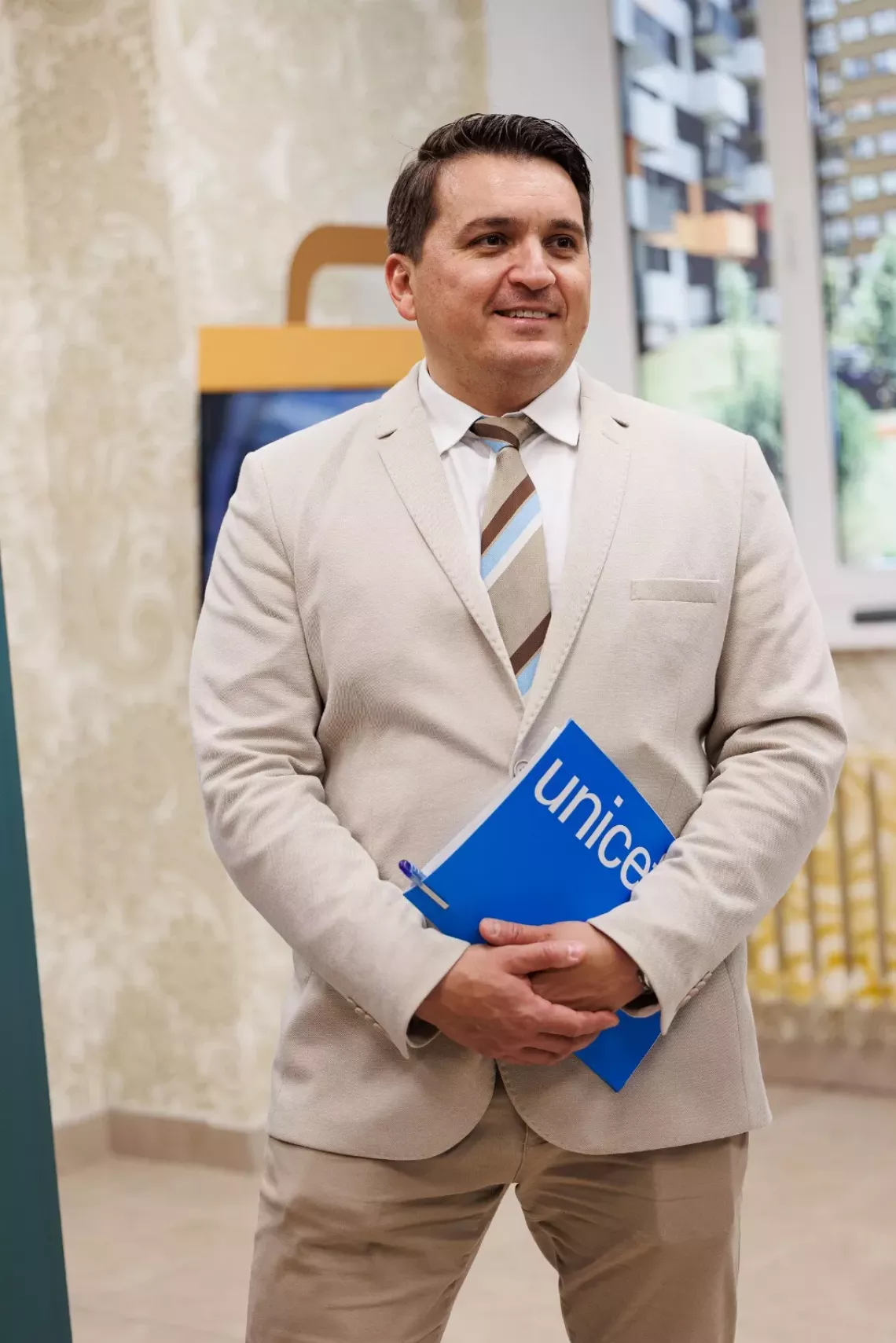
“It is very important for UNICEF to work with local authorities to ensure that sufficient attention is given to children living in communities across the country. We have a long-standing and strong partnership with the Brest Region. It was the first region with which we began developing and implementing formal annual work plans. Visits like this are particularly important. When you see a project described on paper, you cannot always fully appreciate its significance and impact. But when you have the opportunity to meet with children, their parents and the specialists working with them, you see many more dimensions of the work,” said Rustam Haydarov, UNICEF Representative in Belarus.
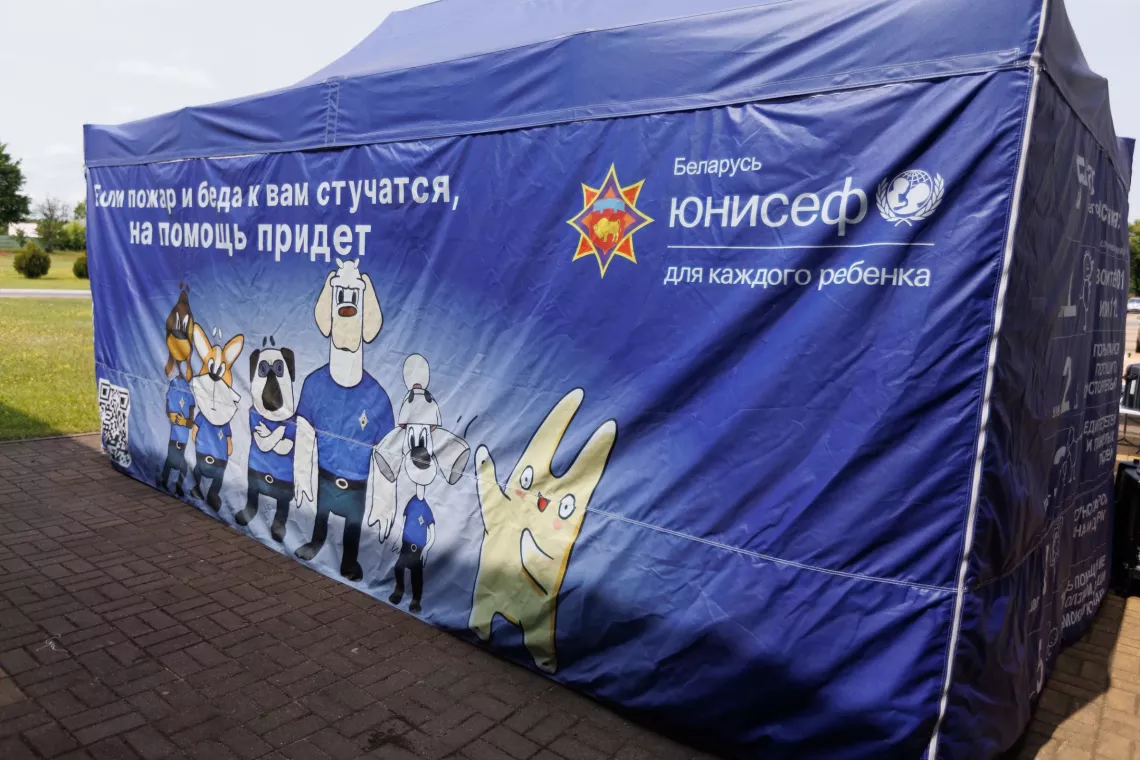
Another stop on the visit programme was the Ministry of Emergency Situations’ mobile safety education unit. Injuries are among the leading causes of death among children worldwide. For many years, the Ministry of Emergency Situations and UNICEF in Belarus have worked together to prevent child injuries and deaths. This cooperation includes awareness-raising activities as well as initiatives that help children and parents develop practical skills for safe and responsible behaviour.
The mobile educational unit enables safety education to reach children in even the most remote parts of the Brest Region. In the first half of 2025 alone, around 10,000 children received safety education through the mobile unit.
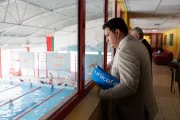
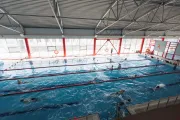
The participants also visited the Water Sports Palace, where, with UNICEF support, conditions have been created to enable families with children with disabilities to take part in sports and recreational activities at the swimming pool.
As part of the project, particular attention was given to making access to the pool more convenient and safe at every stage of the visit – from the changing rooms to the pool itself. To improve accessibility for children using wheelchairs, non-slip flooring and protective edging were installed along the route to the pool. Handrails were also added in the changing rooms, as well as an additional handrail on the stairs to make it easier for children and their families to move around the facility.
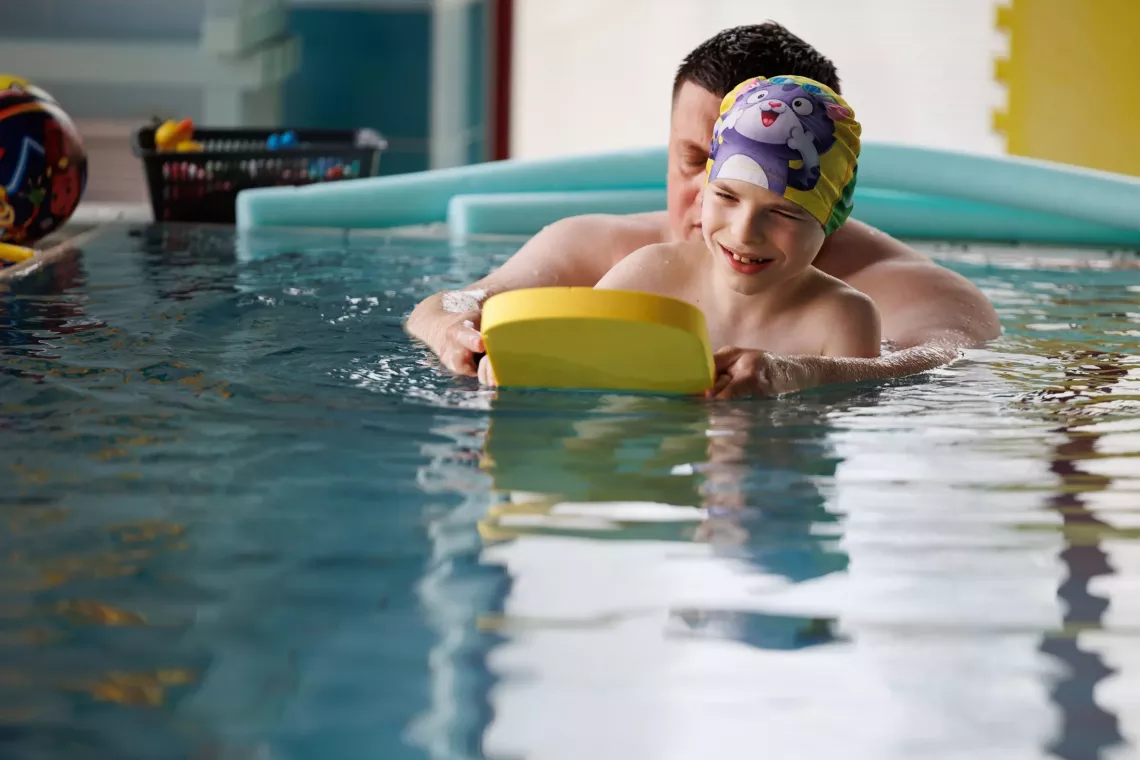
An important part of the project was also the provision of sessions with a professional coach specially trained to work with children with disabilities. Special educational equipment was purchased to support activities in the water. This helps take into account each child’s individual abilities and create more comfortable conditions for their participation in sports and recreational activities.
With UNICEF support, the Water Sports Palace has therefore not only improved the accessibility of its swimming facilities, but also created additional opportunities for children with disabilities to take part in regular activities in the pool together with their families.


The joint visit was particularly timely as the partners discussed priority areas for cooperation under the new UNICEF Country Programme for Belarus for 2026-2030. The Country Programme is the key framework guiding cooperation between UNICEF and the Republic of Belarus over the next five years. Its main objectives are to support Belarus in implementing the Convention on the Rights of the Child, advancing the child-related Sustainable Development Goals, and improving the well-being of children, including those in the most vulnerable situations.
The Programme is being developed based on the country’s national priorities and proposals received by UNICEF from government authorities during preliminary consultations.