Devastating fire ravaged Korail Slum, leaving thousands homeless
As families grapple with the aftermath, UNICEF provides steadfast support for restoration and nurturing hope and resilience for the community
- বাংলা
- English
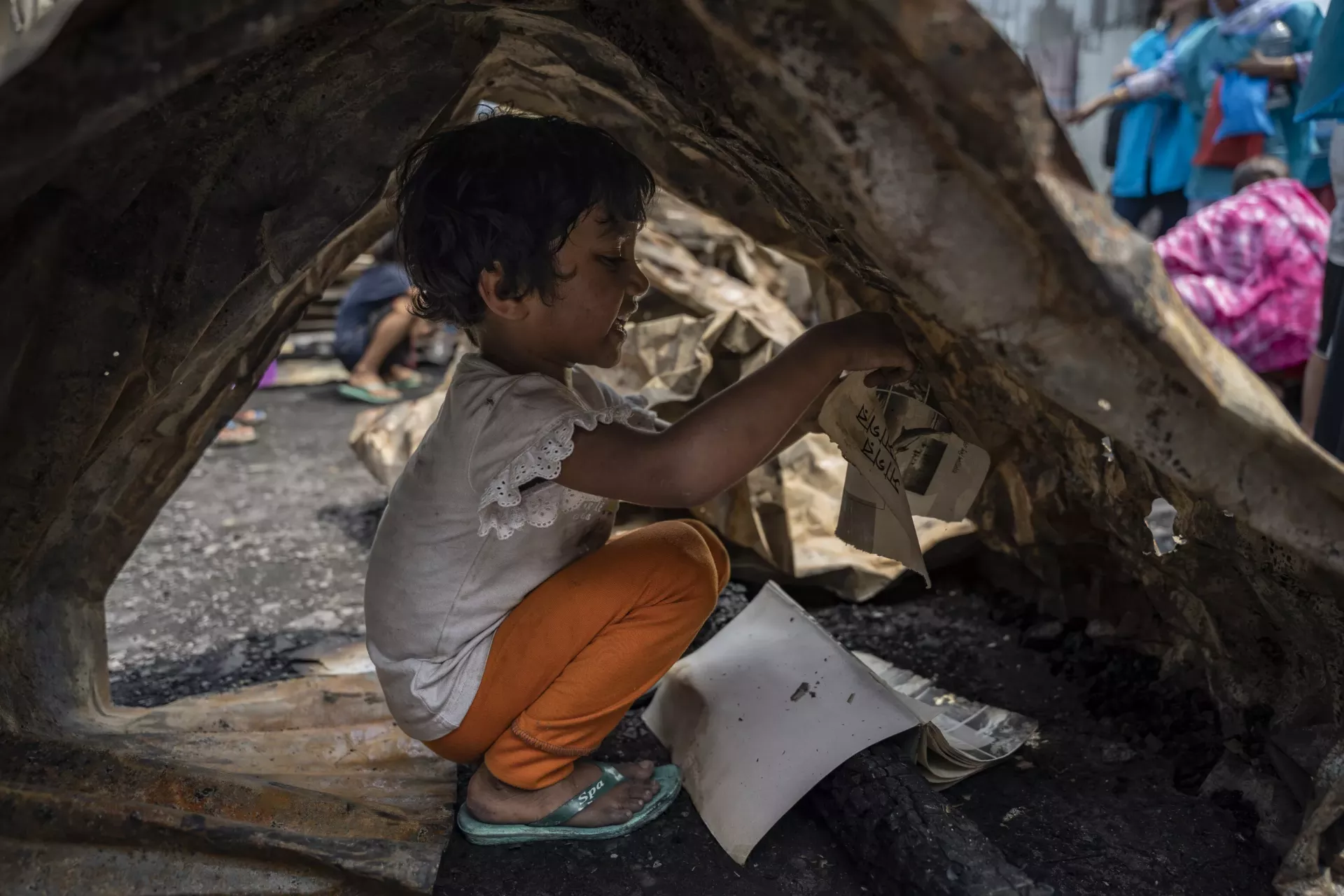
In the narrow alleyways of the Korail slums, remnants of a fire outbreak still haunt the landscape, with charred discards of houses and their belongings scattered amidst the debris. On the late afternoon of March 24, around 3,000 people living in this area lost everything they had built with years of hard work and dedication to a ravaging fire.
The massive fire that engulfed the largest slum in Dhaka left over 350 households, including 1,000 children, without shelter, food, safe water, and sanitation. This tragic incident compounded the challenges of the families and children living in Korail after migrating to the city, mostly due to climate change-related disasters. In this sprawling settlement, vulnerability is a constant companion, exacerbated by the perils of this challenging environment.
Echoes of loss
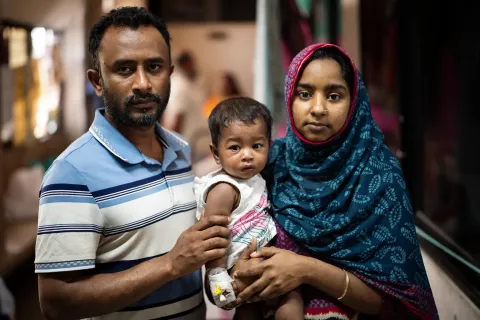
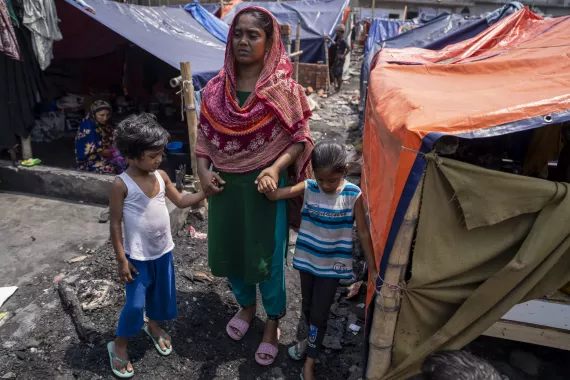
"I was cooking for my family when the fire broke out. I managed to save only a chest of drawers while telling my eldest son to take his sisters and leave the place before it got too crowded. We lost everything twice to fire in the last ten years. We were planning to relocate to our ancestral home, but now we are again left with nothing. My youngest daughter, Kaniz, keeps asking about her Eid dresses but they got burned in the fire," said Soheda, a mother of three, while sharing her harrowing experience of the fire.
When asked what she would have taken with her while escaping from the fire, four-year-old Kaniz simply said, "My water bottle."
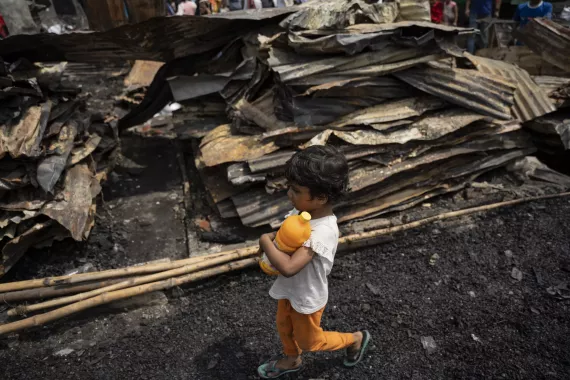
The devastating fire not only ravaged homes but also turned one of the two UNICEF-supported Child Protection Hubs in Korail to rubble. This left an average of 1,000 children per month without access to its services. The center served as a safe haven for the children in the community, offering crucial support to prevent violence, child marriage, and child labor through mental health and psychosocial assistance. It was one of the 2,170 Child Protection Community Hubs established nationwide by the Ministry of Women and Children Affairs (MoWCA) through a community-led approach.
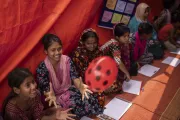
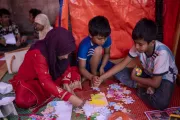
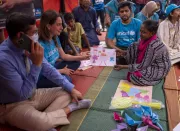
In response to the crisis, MoWCA re-established the hub within 24 hours, and started operating fully by the morning of March 26. Children, including adolescents, demonstrated their resilience and were actively engaged in the discussions that took place in the hub. They shared their insights on staying with family members during emergencies, and the importance of being cautious when walking around the burned areas. With support from child rights and community facilitators, the children were also linked to cash support initiatives for essential needs and access to clean water for drinking and sanitation purposes. Food vouchers and non-food items were also distributed amongst these children. Despite these efforts, not all children could immediately resume attending the hub.
Rebuilding dreams
"My elder daughter Kashfia had been going to the hub for the last three years. Kaniz too had just started accompanying her sister," shared Soheda. "However, they could not go after the fire incident because they both fell ill. Since our house got burned, we have been living in this tent, which gets very hot during the day and when it rains at night, we have to stay awake. The facilitators provided us with cash grant for my children. We bought medicines and food for them, and now they are recovering," Soheda explained.


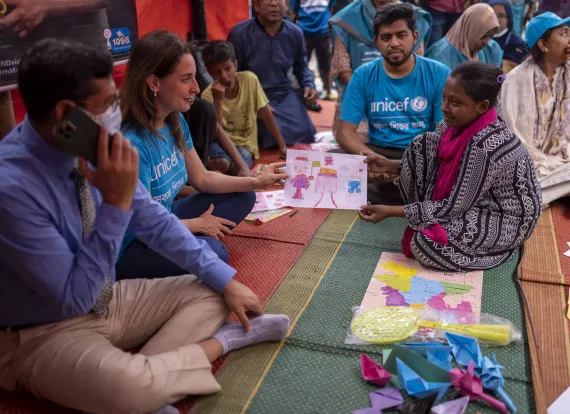
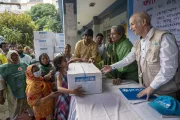
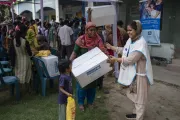
“UNICEF, alongside MoWCA, Ministry of Youth and Sports (MoYS), and Ministry of Social Welfare (MoSW), has been on the ground since the fire broke out, working tirelessly to ensure prompt and comprehensive support, available around the clock,” said Sheldon Yett, UNICEF Representative in Bangladesh. In addition to the cash grants provided to children from the hub and those who fell ill because of inhaling smoke or sustained injuries due to the fire, UNICEF distributed 375 family kits to the most affected households. Each kit includes blankets, mosquito nets, mosquito rackets, and personal hygiene products among other items. “To date, over 300 children, including adolescents and their families, have been supported by UNICEF and its government partners. In addition, more than 200 children have received cash grants,” stressed the UNICEF Representative.
Coordinating with MoWCA, UNICEF has also supplied younger children with recreational kits in the hub. The MoYS organized self-defense sessions for adolescents, actively involving two community mobilizers and district sport officers to promote resilience and prevent violence during emergencies. With assistance from social workers and community volunteers, and in collaboration with MoWCA, MoSW is working to register affected children and provide food and hygiene kits and psychological first aid support.
Hope amidst desolation
The dedication of community facilitators to serving children in need despite their own challenges provided a testament to their unwavering commitment and selflessness. These individuals, many of whom have lost their own households and suffered personal losses, demonstrated incredible strength as they remained focused on delivering support to children in need right after the fire broke out, regardless of the horrifying situation they too had gone through just a few hours ago.


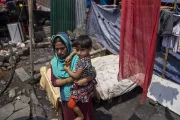
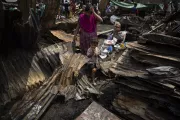
Reflecting on the support received, Taslima, another victim of the Korail fire said, "The fire broke out right next to my home. My daughter, Mim, had inhaled a lot of smoke, and we had to take her to the hospital. I did not know about the hub as my daughter is just 4 years old, and we had not thought about her education. Yet we got a lot of help from the facilitators of the hub in taking Mim to the doctors, and we also received a cash grant with which we got food, fruits, and medicines for her.”
Future beyond ashes
Standing amidst the ashes of her home and recounting the challenges they have been enduring since the outbreak, Taslima added, “We are left with only a wooden cot and have to live under the scorching sun with no roof above. Even the toilets are completely destroyed. Sometimes Mim abruptly wakes up from sleep, shouting ‘fire’. The family kit and grant have been very helpful, but our struggles are far from over."
Amidst the myriad of challenges, the resilience displayed by the community shines through. Assisting them with the restoration process, ensuring they can rebuild their lives with dignity and strength remains crucial. UNICEF stands committed to providing ongoing support to the children and their families affected by the fire as they navigate the road ahead.