Wildfires, Climate Change, and the Power of Youth to Drive Change
How Young Voices in Albania Are Sparking Action for a Safer, Greener Future
About a month ago, a wildfire broke out in the mountainous area between the villages of Gjinaj and Domaj in Has, burning through a forested area filled with pine trees. Thankfully, no injuries or casualties were reported. However, the fire spread in a tough and rocky terrain known for snakes, which made it extremely difficult for firefighters to intervene from the ground. Local authorities were on-site, monitoring the situation and taking the necessary actions to bring the fire under control.
Every summer, communities in Albania and across the Western Balkans face the growing threat of wildfires. These fires are more than a seasonal nuisance, they are a direct threat to our health, environment, and way of life. In recent years, rising summer temperatures, prolonged droughts, and increasingly dry landscapes have created the perfect conditions for flames to spread faster and burn longer.
Wildfires are not just natural events. In fact, according to the latest U-Report data collected during July 2025, 78% of young respondents believe wildfires in our country are caused by human activity, often intentionally. This shows that while climate change plays a major role in making fires more destructive, the human factor is also a big threat to the “lungs” of our country, and many of these fires can actually be prevented through awareness and responsible behavior.
More data showed that out of 220 young people (mostly aged 15 to 24) who responded to our survey, more than half, 56% said they've been directly or indirectly impacted by wildfires. But when it comes to being prepared, only 16% feel like they’re actually ready for a fire-related emergency. A solid 33% said they rarely or never feel safe during wildfire season, which is honestly pretty worrying. On the bright side, though, 85% are down to take action and want to get involved in wildfire awareness and prevention efforts in their communities.
These days, wildfires in our country don’t just burn trees, they affect everything and everyone around them. From my perspective as a young activist, the consequences hit close to home. Today I am studying as my exam to enter the Faculty of Medicine in Tirana in approaching and as an aspiring future doctor I think of the consequences that these fires all over Albania are having on people who might be struggling with breathing or health issues due to wildfire smoke, and that number can be even worse for kids, the elderly, or anyone with asthma. Wildfires also wipe out wildlife habitats and forests that took decades to grow, gone in just a few hours. The economic hit is serious too, with damaged farms, homes, and tourism areas leaving long-term consequences for local communities. But it’s not just about visible damage. For many children and young people living near fire-prone areas, wildfire season means months of stress, disrupted routines, and emotional exhaustion. These fires are a wake-up call: protecting our environment is also about protecting our health, futures, and peace of mind.
How Youth Can Lead the Change
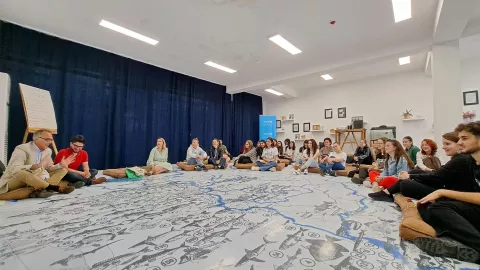
As a member of UNICEF Adolescent Advisory Board, these two years I have had the opportunity to travel from Has or connect online and connect with lots of youth advocates and passionate young people. I have witnessed myself that we as young people are one of the most powerful resources in preventing and responding to those issues that directly affect our lives.
As a youth activist, I believe we have a powerful role to play in the fight against wildfires too. We can start by raising awareness in our communities, organizing workshops and sharing fire safety tips, especially in rural or high-risk areas. In schools, we should push for environmental education and emergency preparedness to be part of the curriculum from an early age. Getting involved in emergency drills and simulations helps us stay ready and support others during real crises. Volunteering for clean-up and reforestation projects also shows that we care about our environment and want to help it heal. And let’s not forget the power of social media, by sharing accurate info and promoting safe behavior, we can reach thousands and make fire prevention a priority for our generation.
My final call to action is that we cannot wait for someone else to take the first step. As young people, we can be the generation that stops wildfires before they start, through awareness, responsible action, and care for our environment.
By working together, youth, UNICEF, institutions, organizations, and local communities, we can create a culture of prevention, preparedness, and environmental protection. The flames may be powerful, but so is the will of an informed, active community and especially youth.