The Billiard Table at Kavaja Institution
What Rehabilitation Looks Like Up Close

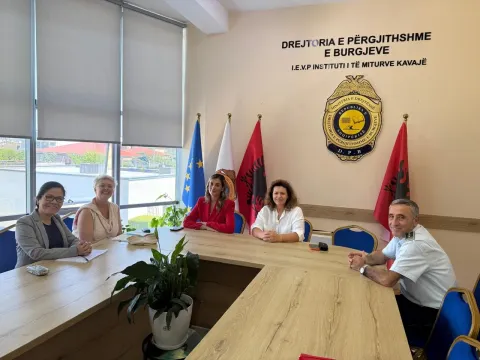
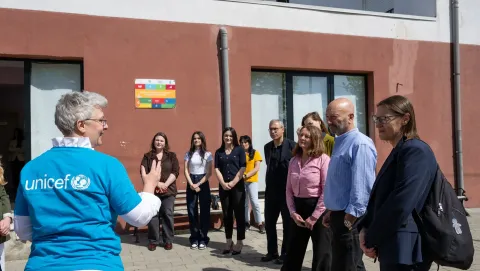
A UNICEF delegation recently visited the Kavaja juvenile institution, which currently hosts twenty children in conflict with the law.
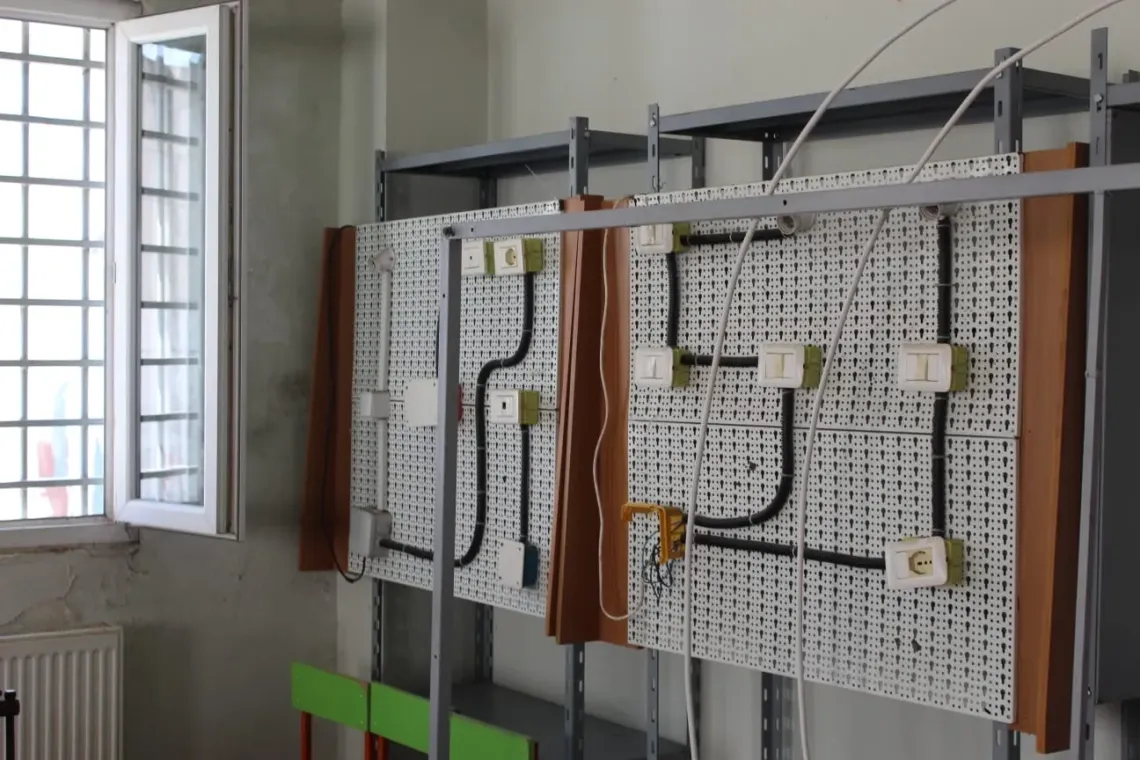
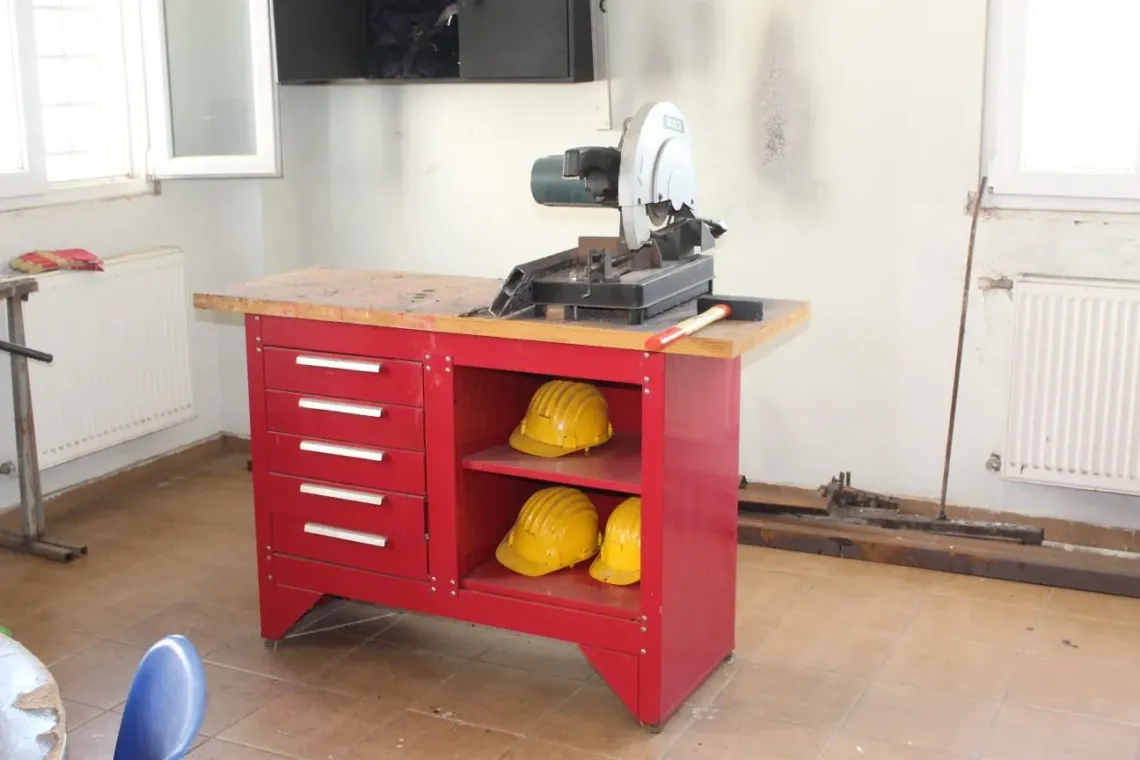
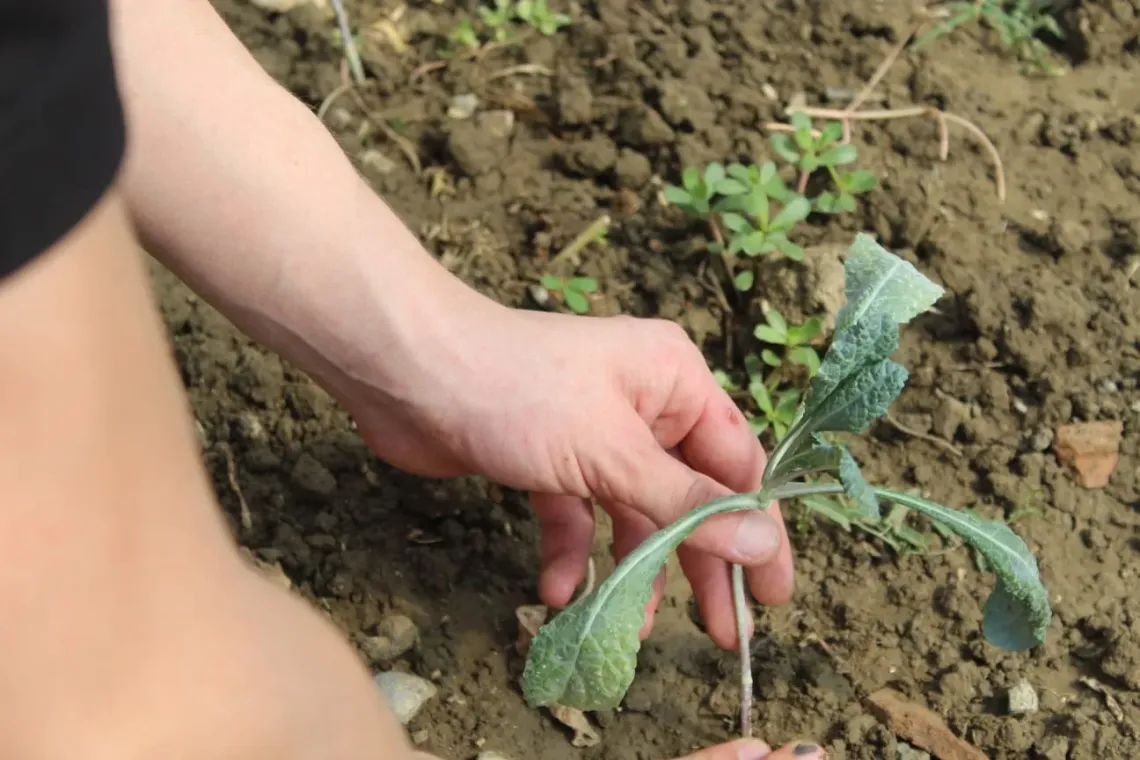
The children wanted to show their visitors how they spend their days – to be recognized not for their wrongdoing, but for what they were building toward. Among the things they were proudest to show were their carpentry, welding, and farming skills; the products they made through UNICEF’s UPSHIFT program to strengthen their entrepreneurial skills; their English fluency, built through their classes and the UNICEF Akelius languages program; the second-place prize they won in the national science fair; and their improving school grades and aspirations for university studies.
Walking through the facility, the sound that stood out was not the usual quiet of a place built to contain. It was the click of a cue ball. We were surprised to find a billiard table built entirely by the children from materials the institution or surrounding businesses would otherwise have discarded: chair legs repurposed as table legs, old mop handles turned into pool cues, flattened pizza boxes engineered into a working ball tunnel, and worn table tennis balls filled with sugar and frozen solid until they were hard enough to strike properly. The ingenuity on display was striking. These children had transformed what others saw as waste into something purposeful and enjoyable, a reminder that value and potential often exist where people least expect them. Much like the discarded materials they repurposed, children in conflict with the law are too often defined by what society sees as their shortcomings, rather than by their talents, resilience, and capacity to contribute when given the opportunity.
Nobody built this for them. Nothing was provided. It was the product of their own hands and ingenuity.
The Deputy Director General, Lindjana Laçi, and the Director of the Kavaja Institute for Juveniles, Marinela Alia, who accompanied the delegation throughout the visit, described the model used at Kavaja.
"We do not run this center as a place of punishment, but rather as a place of rehabilitation. Every child here works daily with a psychologist, a social worker, and an educator. Our goal is not to hold them until their sentence ends. Our goal is to ensure they are released as early as possible and that, when they leave, they are ready to become constructive and productive members of their communities. The billiard table and many of the items here came from the children themselves. What we did was give them space, trust, and encouragement. This is the philosophy of this place."
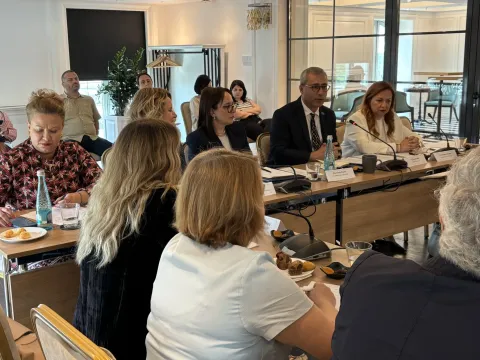
Grace Agcaoili, the UNICEF Child Protection Specialist from the Center of Excellence in Amman, who was present during the visit, reflected on what the visit meant in the broader context of Albania's justice reform agenda.
"I am relieved that Kavaja Juvenile Institute has, over the past few years, significantly reduced the number of children deprived of liberty. The UN Convention on the Rights of the Child and the EU accession process make it clear that detention is harmful to children. When it still occurs under current laws, it must be restorative, not punitive. What this place and its committed staff have built, even with severe cases, shows what's possible when multidisciplinary teams are given the mandate to work differently. The ideal would be for children to receive this support while still in their community and for diversion and non-custodial measures to be the first recourse."
Among the children who accompanied the UNICEF delegation through the facility was a sixteen-year-old boy whom we identify as *Keli. He was very eager to translate for us, with brilliant English.
"I want people to know we are not just sitting here waiting for time to pass. We built that billiard table and most of the things here ourselves; no one handed them to us. I want to study engineering when I leave here and to continue my father’s construction business. We are not asking anyone to forget what happened. We are asking for a second chance to become someone."

The billiard table is a small object built from recyclable materials. Yet it stands as evidence of something larger: even in the hardest cases, when the instinct to ignore a child who committed a crime is strongest, a multidisciplinary, restorative justice approach can foster creativity, responsibility, and hope for a different future.
UNICEF is supporting the Government of Albania in developing the new Justice for Children Strategy 2027-2030. Building on the achievements and challenges of previous strategies, UNICEF stands ready to continue supporting Albania's efforts to promote diversion and non-custodial measures for children in conflict with the law, as well as the protection of child victims and witnesses of crime, in alignment with the UN Convention on the Rights of the Child, EU standards, and UNICEF’s Reimagine Justice for Children Agenda.
*Name has been changed to protect the confidentiality of the beneficiary of the service.