Beyond the Click
A young voice on digital opportunities, online safety, and building a healthier internet for all.
I do not remember the exact moment the internet became part of my life, because in a way, it has always been there. But one small memory has stuck with me: the first time I realized that an idea I posted online could reach people I had never met. It was a strange feeling, a little fear, but a lot of excitement. From that moment on, the internet stopped being just a way to pass time. It became a space to express myself, to make an impact, and to connect.
As a young girl today, I spend much of my life there. I learn online, I talk to people online, and I work with others online. I've shaped ideas, joined initiatives, and felt the support of people I've never met face-to-face. The internet has opened doors that once would have felt out of reach.
But those opportunities come with a responsibility: understanding this space, moving through it carefully, and not losing yourself in it.
The time we spend online tends to slip by without our noticing. Some of it helps us grow and brings us closer to others. The rest can wear us down, weigh on us emotionally, or push us into comparison: someone's clothes, their vacations, the places they go, the newest phone in their hand. Those comparisons don't lift us up; they quietly cost us, especially when we can't afford the things we're measuring ourselves against. The real challenge of "online life" is finding balance.
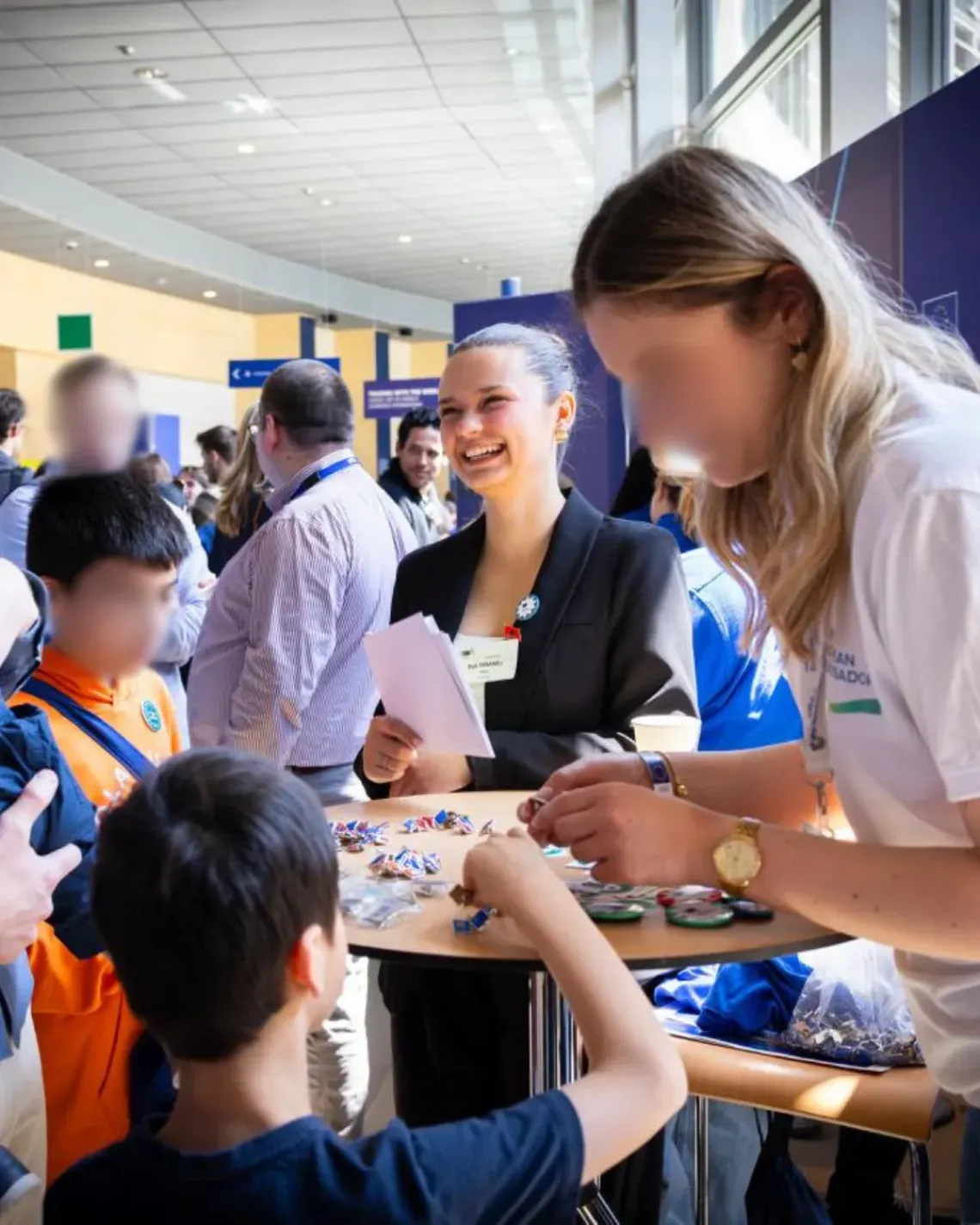
In Albania, this challenge is becoming more pressing. Children and young people are stepping into the digital world earlier than ever, often without anyone to guide them. They gain access to information and opportunities, but they also face real risks: online bullying, loss of privacy, harmful content, and disinformation.
That is exactly why their voices need to be heard.
Data from U-Report points to a telling reality: only a very small share of young people feel heard when decisions are made about the platforms they use. It reveals a gap between them and the policymakers who design and regulate these spaces.
Yet young people are far from passive. We are active, informed, and often skeptical. Most of us use tools like artificial intelligence regularly, and we do not take information at face value; we look further and check it. That says something about our generation: we want to understand what we read, not just consume it.
At the core of the online experience is something deeply human: connection with other people. Staying in touch with friends and family is the main reason young people are online. Even amid technology, we are still reaching for the people we love.
Besides connection, safety and privacy stand out as clear demands. As young people, we want to feel protected, to control our own data, and to have a system that supports us and sets real rules for life online. We are asking for transparency, accountability, and a safe environment.
At the same time, screen addiction, social pressure, and a sense of isolation raise honest worries about how all of this affects us day to day. These are real struggles, and they show that online life is not only about technology; it is about human experience.
One moment stayed with me more than most. While preparing materials for an online activity, I got a message with a link that looked completely trustworthy. Nothing about it seemed off, and my first instinct was to click. But I stopped checking the source and realized it was an attempt to steal my personal data. It was a small thing, yet it showed me how easily anyone can be fooled when they don't know what to look for. I told my friends, so they had to stay alert, think twice before clicking a similar link, and know how to report it.
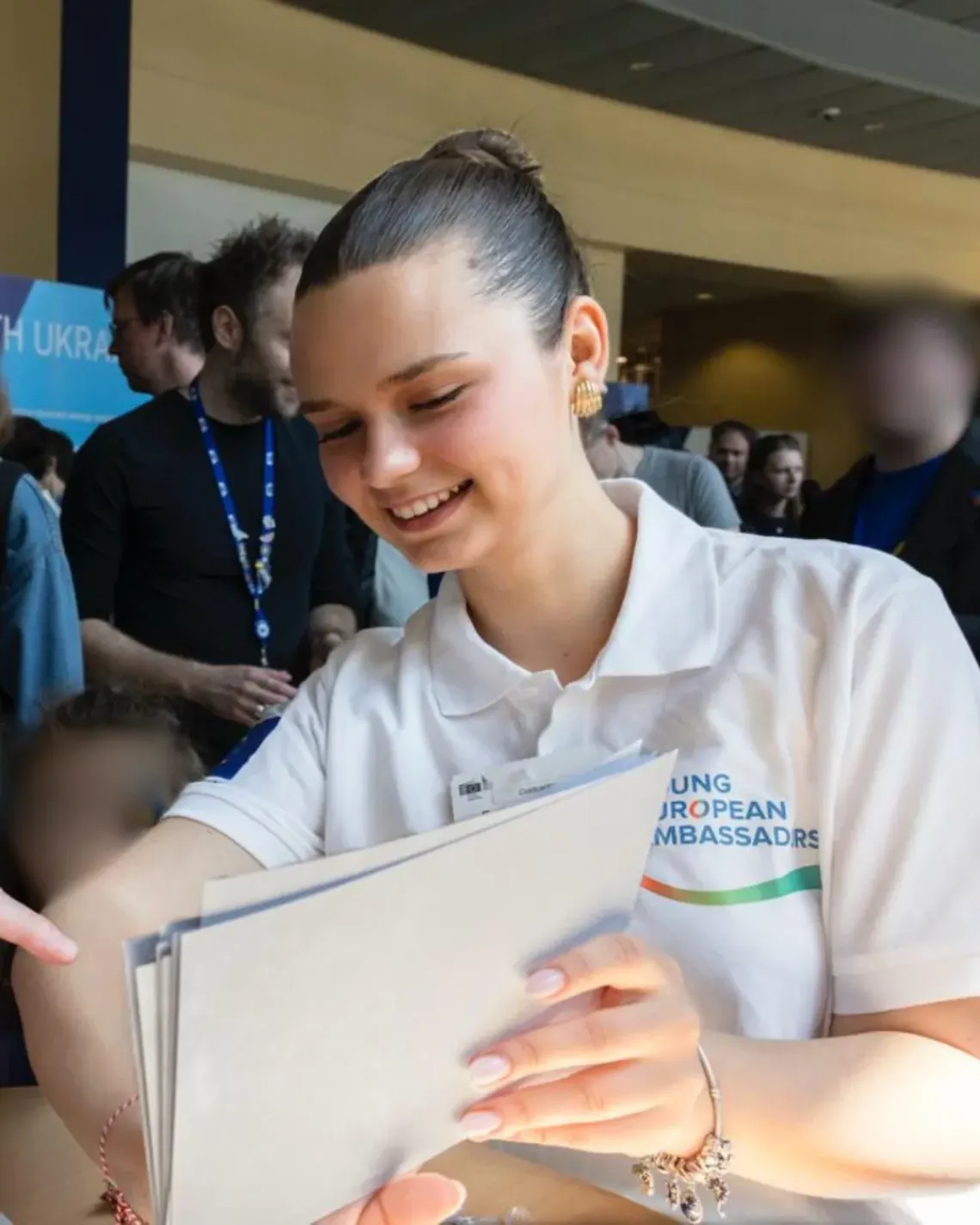
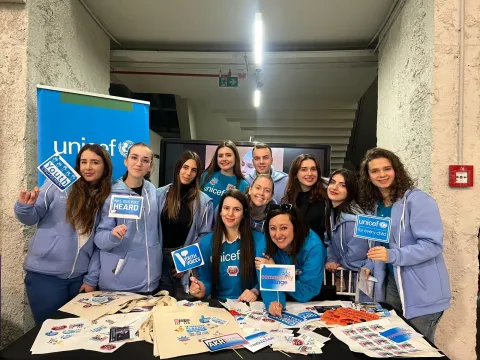
After that, I started paying far closer attention to online safety-and sharing what I had learned. I do it through UNICEF activities, by filling out online safety questionnaires on U-Report, and through other youth initiatives. I have come to see that most of us are online every single day, yet we do not always know how to protect ourselves.
That is why teaching safe internet use matters so much. An informed generation is an empowered one. And an empowered generation can build an online space that's safer and more respectful of everyone's freedom.
In the end, online life is not separate from our real, everyday lives. It is an extension of them. Every comment we write, every photo or detail we share, every choice we make online touches us, our families, and the people around us. So, the "online life and social media" we want should not be shaped only by tech companies or institutions; it has to be built together with us, the young people who live in it. Maybe the first step toward making it safer is simply to become more thoughtful, more critical, and more responsible. After all, our online life is a mirror of the society we are building.