Tool: Sessions for different phases
Step-by-step: Planning sessions for different activity phases

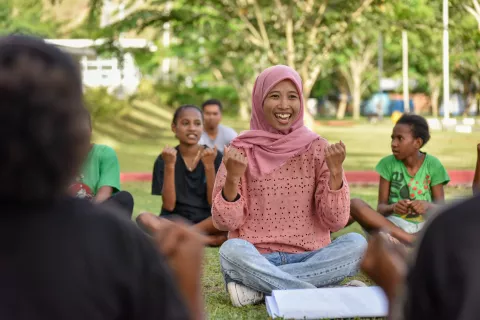
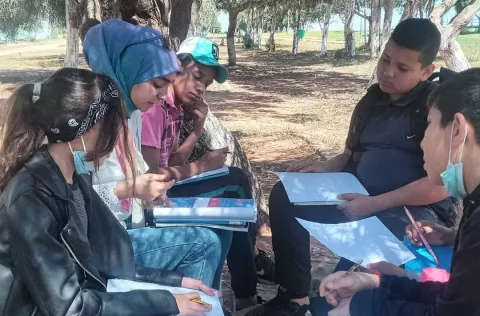
The section provides step-by-step guides for facilitators to plan sessions for adolescents in each of the four activity phases. (See Planning activity phases) Use these guides to developing session plans that will work well for adolescents with different needs, capabilities and interests. Choose and use the guide that is appropriate for the adolescent circle with which you are working.
Jump to:
>> Guide for Starting our circle phase
>> Guide for Knowing ourselves phase
>> Guide for Connecting phase
>> Planning and facilitating a session in the Taking action phase
Step-by-step: Guide for Starting our circle phase
Step-by-step: Guide for starting our circle phase
Aim: Through this step adolescents will:
- Feel welcome to join the group
- Understand that the circle is beginning
- Feel engaged and active, using their voices and movement.
Description
Perform a special song, dance, handclap or other type of ceremony that will be used at the beginning of every session.
Tip: Even in a newly formed Circle, adolescents can suggest or invent their own opening ritual.
Aim: Through this step adolescents will:
- Express how they are feeling at the moment
- Share their Take away from the previous session, including important ideas or experiences
- Refresh their memories about what happened in the previous session
- Receive an update on what happened previously if they missed a session
Description:
Ask the adolescents to volunteer their feelings, opinions and descriptions of the previous session.
Tip: Use reporter games or other activities to make the review more fun.
Aim: Through this step adolescents will:
- Participate in a simple, short game or other fun activity that challenges them to try something new
- Interact with one or two other adolescents in the circle
Description
Use a simple game in which adolescents interact with each other. This game can be a simplified version of the Challenge activity that they do later in the session.
It is okay to repeat an activity that has been used before, as long as a wide range of activities are used.
Aim: Through this step adolescents will:
- Explore and explain what they learned or experienced through the activity
- Understand how this connects to other themes they will explore during the session
Description:
Bring the adolescents back into a circle. Ask them to share what they experienced in the Warm-up, what they learned and how they felt.
Aim: Through this step adolescents will:
- Participate in a longer game or activity that challenges them to try something new
- Have time and freedom to focus, have fun and be involved in the moment during the activity
Description:
Adolescents play a game or work on activities individually (e.g. drawings), or in groups of any size. This can be a new game, or one the adolescents have played before.
Use Activity guides for Challenge (and Sharing and Take away) steps.
Aim: Through this step adolescents will:
- Come back together as a group and quiet down
- Share what they have developed/produced during the Challenge (e.g. present a collage or a drawing)
- Acknowledge each other’s efforts or achievements
- Discuss important things they learned or experienced
- Discuss how they will tell others in their community about the days’ activities, and encourage other adolescents to get involved.
Description
Bring the adolescents back together. Ask them to share or present what they did during the activity, and/or to share positive feedback about what they saw others in the group do or achieve.
Keep the adolescents together in their group. Ask them to share important things they learned or experienced.
Tip: The facilitator or the adolescents can make notes or drawings to highlight important points and display them in future sessions.
Aim: Through this step adolescents will:
- Share their opinions about the session
Description:
Give the adolescents a chance to share their opinions about the session, and their feelings or moods as the session ends.
Tip: This session can be combined with the Take away to avoid making the discussion too long or slow.
Aim: Through this step adolescents will:
- Understand that the session is ending
- Say goodbye to each other for the day
- Feel that their participation was important to the rest of the Circle
Description:
Perform a special song, dance, hand clap or other type of ceremony that will be used at the end of every session. This can be the same as or different from the ritual at the beginning of the session.
Tip: Even in a newly formed Circle, adolescents can suggest or invent their own closing ritual.
Step-by-step: Guide for Knowing ourselves phase
The guide below provides suggested activities for adolescents in the Knowing ourselves phase. Sessions should be structured and include some shorter and some longer activities, with clear transitions from one step to the next.
Step-by-step: Guide for Knowing ourselves phase
Aim: Through this step adolescents will:
- Feel welcome to join the group
- Understand that the circle is beginning
- Feel engaged and active, using their voices and movement
- Feel a sense of continuity and reassurance from their work together in previous phases
Description:
Continue to use a special song, dance, handclap or other type of ceremony at the beginning of every session. The adolescents can continue to use a ritual they have used in a previous session, or start a new one.
Aim: Through this step adolescents will:
- Express how they are feeling
- Share their Take away from the previous session, including important ideas or experiences
- Refresh their memories about what happened in the previous session
- Receive an update on what happened previously if they missed a session
Description:
Ask the adolescents to volunteer their feelings about, opinions on and descriptions of the previous session.
Aim: Through this step adolescents will:
- Participate in a simple, short game or other fun activity that challenges them to try something new
- Interact with one or two other adolescents in the circle
Description:
Use simple games where adolescents interact with each other in pairs or groups of three.
Tip: Use the Warm-Up to balance the Challenge activity. If there will be a high-energy Challenge, the Warm-up can be quiet. If the Challenge will be an individual activity, the Warm-up can be a group activity.
Aim: Through this step adolescents will:
- Explore and explain what they learned or experienced through the activity
- Understand how this connects to other themes they will explore during the session
Description:
Bring the adolescents back into a Circle. Ask them to share what they experienced in the Warm-up, what they learned and how they felt.
Aim: Through this step adolescents will:
- Participate in a longer game or activity that challenges them to try something new
- Have time and freedom to focus, have fun and be involved in the moment
during the activity
Description:
Adolescents play a game or work on activities individually (e.g. drawings), or in groups of any size. This can be a new game, or one the adolescents have played before.
Tip: As this phase encourages adolescents to learn more about themselves, choose activities that allow them to explore and express their ideas in different ways.
Aim: Through this step adolescents will:
- Come back together as a group and quiet down
- Share what they have developed/produced during the Challenge (e.g. present a collage or a drawing)
- Acknowledge each other’s efforts or achievements
- Discuss important things they learned or experienced
- Discuss how they will tell others in their community about the days’ activities, and encourage other adolescents to get involved
Description:
Bring the adolescents back together. Ask them to share or present what they did during the activity, and/or to share positive feedback about what they saw others in the group do or achieve
Tip: If the adolescents made or wrote something, consider displaying it (with their permission). If it is something they are proud of, discuss how they can keep it safe for others to see.
Keep the adolescents together in their group. Ask them to share important things they learned or experienced.
Tip: The facilitator or the adolescents can make notes or drawings to highlight important points and display them in other sessions.
Aim: Through this step adolescents will:
- Share their opinions about the session
Description:
Give the adolescents a chance to share their opinions about the session, and their feelings or moods as the session ends.
Tip: This session can be combined with the Take Away to avoid making the discussion too long or slow.
Aim: Through this step adolescents will:
- Understand that the session is ending
- Say goodbye to each other for the day
- Feel that their participation was important to the rest of the circle
Description:
Perform a special song, dance, handclap or other type of ceremony that will be used at the end of every session. This can be the same as or different from the ritual at the beginning of the session.
Tip: Even in a newly formed circle, adolescents can suggest or invent their own closing ritual.
Step-by-step: Guide for Connecting phase
The guide below provides suggested activities for adolescents in the Connecting phase. Sessions should follow the same basic structure as other phases, but with more flexibility.
Step-by-Step: Guide for Connecting phase
Aim: Through this step adolescents will:
- Feel welcome to join the group
- Understand that the circle is beginning.
- Feel engaged and active, using their voices and movement
- Feel a sense of continuity and reassurance from their work together in previous phases
Description:
Continue to use a special song, dance, handclap or other type of ceremony at the beginning of every session. The adolescents can continue to use a ritual they have used in a previous session or start a new one.
Aim: Through this step adolescents will:
- Express how they are feeling
- Share their Take-away from the previous session, including important ideas or experiences
- Refresh their memories about what happened in the previous session
- Receive an update on what happened previously if they missed a session
Description:
Ask the adolescents to volunteer their feelings, opinions and descriptions of the previous session.
Tip: If it looks like the adolescents want to continue working on an activity that they started in a previous session, this is a good time to ask them about it.
Aim: Through this step adolescents will:
- Participate in a simple, short game or other fun activity that challenges them to try something new
- Interact with one or two other adolescents in the circle
Description:
Use simple games where adolescents interact with each other in pairs or groups of three.
Tip: Use the Warm-Up to balance the Challenge activity. If there will be a high-energy Challenge, the Warm-up can be quiet. If the Challenge will be an individual activity, the Warm-up can be a group activity.
Aim: Through this step adolescents will:
- Explore and explain what they learned or experienced through the activity
- Understand how this connects to other themes they will explore during the session
Description
Bring the adolescents back into a circle. Ask them to share what they experienced in the Warm-up, what they learned and how they felt.
Aim: Through this step adolescents will:
- Participate in a longer game or activity that challenges them to practice new skills, interact with each other and explore beyond their activity space
- Have time and freedom to focus on and experience an activity in more depth
- Possibly move outside the space to explore and gather information
Description:
Adolescents play a game or work on activities in groups of any size. If they will be going outside their usual space, discuss where they will go and what they will do.
This Challenge step might be part of a long-term activity or project. For example, if adolescents are mapping their community, they might gather information about their community in one session and then draw their map in the next one.
Aim: Through this step adolescents will:
- Come back together as a group and quiet down
- Share what they have developed/produced during the Challenge (e.g. present a collage or a drawing)
- Acknowledge each other’s efforts or achievements
- Discuss important things they learned or experienced
- Brainstorm ideas of how they can build on their work in a following session, if they want to
- Discuss how they will tell others in their community about the days’ activities, and encourage other adolescents to get involved
Description
Bring the adolescents back together. Ask them to share or present what they did during the Challenge, highlighting what they find most important or interesting. Encourage warm feedback from the rest of the group for each other’s work.
Tip: If the adolescents are working on an ongoing project, help them to preserve their work for the next session.
Keep the adolescents together in their group. Ask them to share important things they learned or experienced.
Tip: The facilitator or the adolescents can make notes or drawings to highlight important points and display them in other sessions.
Aim: Through this step adolescents will:
- Share their opinions about the session
Description
Give the adolescents a chance to share their opinions about the session, and their feelings or mood as the session ends.
Tip: This session can be combined with the Take-Away to avoid making the discussion too long or slow.
Aim: Through this step adolescents will:
- Understand that the session is ending
- Say goodbye to each other for the day
- Feel that their participation for the day was important to the rest of the circle
Description:
Perform a special song, dance, handclap or other type of ceremony that will be used at the end of every session. This can be the same as or different from the ritual at the beginning of the session.
Tip: Even in a newly formed circle, adolescents can suggest or invent their own closing ritual.
Step-by-step: Planning and facilitating a session in the Taking action phase
The guide below provides suggested activities for adolescents in the Taking action phase. Sessions should follow the same basic structure as other phases, but with more flexibility. Adolescents may facilitate some or all the sessions.
Step-by-step: Planning and facilitating a session in the Taking action phase
Aim: Through this step adolescents will:
- Feel welcome to join the group
- Understand that the circle is beginning
- Feel engaged and active, using their voices and movement
- Feel a sense of continuity and reassurance from their work together in previous phases
Description:
Continue to use a special song, dance, handclap or other type of ceremony at the beginning of every session. The adolescents can continue to use a ritual they have used in a previous session or start a new one.
Aim: Through this step adolescents will:
- Express how they are feeling
- Share their Take-away from the previous session, including important ideas or experiences
- Refresh their memories about what happened in the previous session
- Receive an update on what happened previously if they missed a session
Description
Ask the adolescents to volunteer their feelings about, opinions on and descriptions of the previous session.
Ask the adolescents to check on their own progress against their project plans.
Tip: It may be helpful for the adolescents to keep written steps and timelines for their projects on chart paper.
Aim: Through this step adolescents will:
- Participate in a simple, short game or other fun activity that challenges them to try something new
- Interact with one or two other adolescents in the circle
Description:
Use simple games where adolescents interact with each other in pairs or groups of three.
Tip: Encourage the adolescents to take turns leading a Warm-up activity. They can even experiment by designing their own Warm-ups.
Aim: Through this step adolescents will:
- Explore and explain what they learned or experienced through the activity
Description:
Bring the adolescents back into a circle. Ask them to share what they experienced in the Warm-up, what they learned and how they felt.
Aim: Through this step adolescents will:
- Work on different steps of a long-term project that they plan and carry out over the course of several sessions
Description:
Give adolescents the opportunity to work on a project of their own design over the course of several sessions. This will include deciding their goal, agreeing to a project idea, planning steps and roles, and carrying out the project itself.
Aim: Through this step adolescents will:
- Come back together as a group
- Share what they have learned or created during the Challenge step
- Acknowledge each other’s efforts or achievements
- Reflect on progress on their project
Description:
Bring the adolescents back together. Ask them to share or present what they did during the Challenge step, highlighting what they find most important or interesting. Encourage warm feedback from the rest of the group for each other’s work.
Tip: If the adolescents are working on an ongoing project, help them to keep and preserve their work for the next session.
Keep the adolescents together in their group. Ask them to share important things they learned and experienced while working on their projects.
Tip: The facilitator or the adolescents can make notes or drawings to highlight important points and display them in other sessions.
Aim: Through this step adolescents will:
- Share their opinions about the session
Description:
Give the adolescents a chance to share their opinions about the session, and their feelings or mood as the session ends.
Tip: This session can be combined with the Take-away to avoid making the discussion too long or slow.
Aim: Through this step adolescents will:
- Understand that the session is ending
- Say goodbye to each other for the day
- Feel that their participation for the day was noticed by and important to the rest of the circle
Description:
Perform a special song, dance, handclap or other type of ceremony that will be used at the end of every session. This can be the same as or different from the ritual at the beginning of the session.
Tip: Even in a newly formed circle, adolescents can suggest or invent their own closing ritual.
Highlights
The section provides step-by-step guides for facilitators to plan sessions for adolescents in each of the four activity phases. (See Planning activity phases) Use these guides to developing session plans that will work well for adolescents with different needs, capabilities and interests. Choose and use the guide that is appropriate for the adolescent circle with which you are working.