Fix the Food: Battling Malnutrition and NCDs Starts with Education and Policy Changes
As they go about their daily lives, children are constantly bombarded with advertisements promoting high-sugar, high-salt, and high-fat foods and beverages, all known to be harmful to their health.

Harare, Zimbabwe- In today's fast-paced world, urbanisation and globalisation have brought both positive changes and unforeseen challenges. While innovations and developments have flourished, the transition in nutrition norms, consumption patterns, and food practices has given rise to different forms of malnutrition. From the traditional problem of undernourishment due to inadequate food, we now face the growing prevalence of overweight, obesity, and micronutrient deficiencies, such as anaemia.
The impact of urbanisation and globalisation on children's health is ignored and must be addressed. As they go about their daily lives, children are constantly bombarded with advertisements promoting high-sugar, high-salt, and high-fat foods and beverages, all known to be harmful to their health.
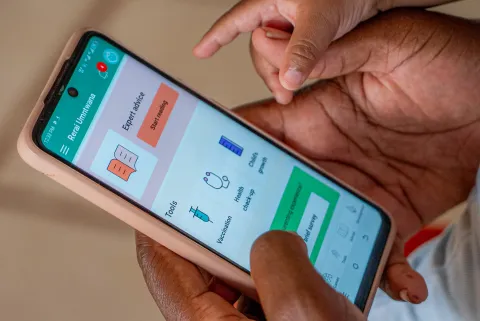
The voices of more than 2,300 adolescents and youths collected through U-report indicate that over 90% understand the importance of good nutrition for their overall well-being.
However, only a few can distinguish healthy food from unhealthy options by reading food labels. This highlights a critical knowledge gap and the need for simplified food labelling to empower consumers to make informed decisions when choosing their meals.
Recognising this need, UNICEF, through the Global Thematic Fund (Government of Netherlands), is working on profiling the nutritional content of packaged foods marketed to children and adolescents, aiming to provide more precise information for healthier choices.
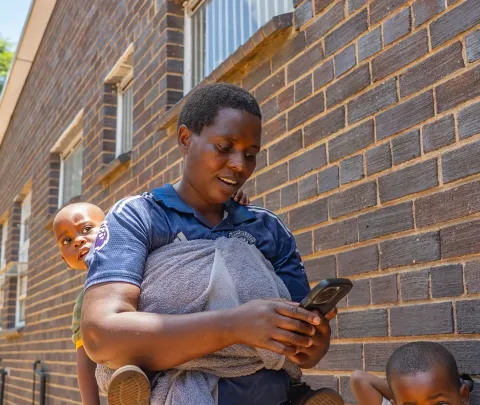
In a heartfelt conversation with Linda, a dedicated tuck-shop owner in Harare, we gain a human face to this crisis. Linda laments the rising incidence of diseases like diabetes among adults and worries about the health problems future generations will face due to their current dietary habits.
She acknowledges that unhealthy food items dominate her tuck shop because that's what the children prefer, and all tuck shops and vendors in the area follow suit. "Few children choose fruits and other healthier options," she says. "We need to educate both the children and their parents about the impact of these foods on their health. Schools should enforce rules regarding the types of food allowed on their premises to make a lasting change. This would encourage vendors to sell more fruits and healthy snacks around the school, promoting a culture of well-being."
Linda's words echo a sentiment shared by many who understand the urgent need for action.
This issue arises at a critical juncture when governments and partners worldwide strive to achieve global targets for reducing the risk of premature death caused by non-communicable diseases (NCDs). Now is the time for children, adolescents, parents, and caregivers to demand services that support access to healthy food and enable positive nutrition practices. Solving the NCD crisis starts with fixing our food systems and promoting education about nutrition.
By fostering a collaborative approach involving policymakers, schools, parents, and food vendors, we can pave the way for a healthier future. Governments must take the lead in implementing regulations prioritising nutrition, while schools and parents play a crucial role in instilling healthy eating habits in children.
Additionally, it is vital to support local food vendors in providing nutritious alternatives and educate consumers about the importance of making informed food choices.
Fixing the food is not an individual responsibility but a collective effort that requires the active participation of all stakeholders. By working together, we can address the nutrition transition, combat malnutrition in all its forms, and pave the way towards an NCD-free nation.
Let us unite to ensure a healthier and brighter future for our children.