The El Nino Dry Spell in Mudzi: Tiriwei’s Reality
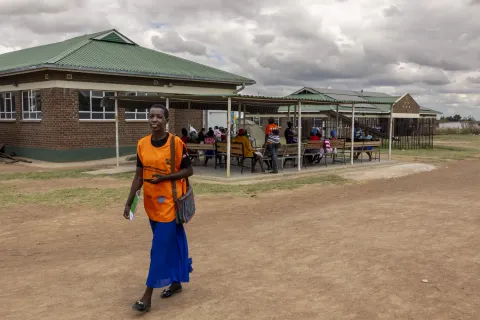
In the heart of Mafuta Village, Mudzi, Mashonaland East Province, Zimbabwe, Tiriwei Mutsakana stands as a testament to resilience and hope.

In the heart of Mafuta Village, Mudzi, Mashonaland East Province, Zimbabwe, Tiriwei Mutsakana stands as a testament to resilience and hope. At 48 years old, Tiriwei is the backbone of her family, caring for her 11-year-old child and two grandchildren, aged 6 and 7.
"The land is dry," Tiriwei says, her voice a blend of determination and weariness. The parched earth of her village tells a story of struggle, where every day is a battle against the elements. Yet, amidst the harsh conditions, Tiriwei's spirit remains unbroken.
On our visit to Mudzi to better understand the impact of El Niño on households and their communities, Tiriwei sombrely looks around her and tells us, “There is nothing here for now. No water, no animals.” Zimbabwe is currently experiencing an intense El Niño event that has caused above-average temperatures and below-average rainfall, leading to a 'historic' mid-season dry spell.
The parched landscape is a stark reminder of the challenges families like Tiriwei's face. The lack of water and livestock has made daily life incredibly difficult, affecting their ability to sustain themselves and their children. The El Niño phenomenon has brought unprecedented hardships, but the resilience and determination of Mudzi's residents remain a beacon of hope amidst the adversity.
“You never get used to the drought, although I have experienced it in 1992, 2002, 2012 and now 2024. This is the only home we know and where our family ties are. “The current El Nino has our boreholes dry.” In this community, the burden of getting water has become a day-long activity. Tiriwei explains that it takes three or more hours to get five buckets required by her household. To fill those buckets, they must wait for the water table to rise after every fill. “Our home gardens and fields have all failed to harvest, and we must be careful with our water use.”
The present El Niño has affected food and nutrition security, lowering the variety and accessibility of food options and, as a result, the general standard of people's diets. In most sections of the country, insufficient rainfall caused agricultural failure, with 40% of the population living in poverty and 60% of the harvest being written off (i.e., lost entirely). Existing socio-economic vulnerabilities are being made worse by the El Niño drought, especially in rural communities where rain-fed agriculture is the primary source of income.


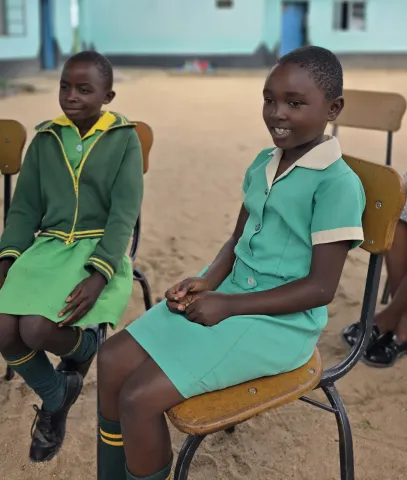
Tirewei lives in the same community as her parents. She explains that when there is not enough to eat for her and the children in her house, they share with the grandparents. The lack of food in the house has also affected school attendance for her children and grandchildren. “When we do not have food in the house, there is no school. I cannot send the children to school without anything to eat.”

Decreased access to clean water and a poor diet heightens the risk of malnutrition and diarrheal diseases, contribute to poor child development, and affect their rights to education and protection. The full impact of these intersecting factors manifests later in months to come.
It is estimated that a total of 7.6 million in Zimbabwe desperately need protection, livelihood support, and life-saving humanitarian aid due to the El Niño-induced drought.
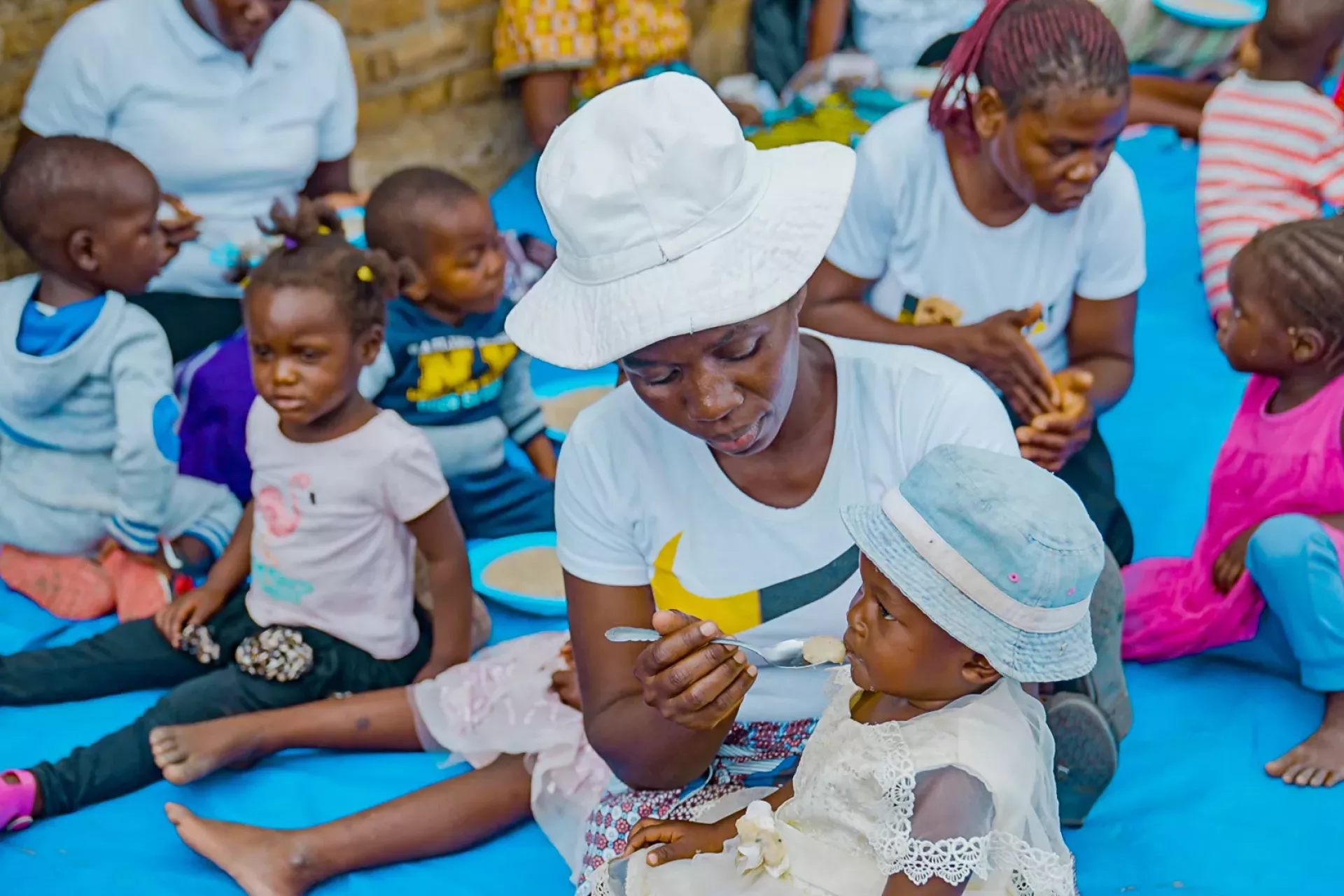
In Zimbabwe, 580,000 young children are living in severe food poverty, a number that is likely to rise with the current El Nino-induced drought. UNICEF is working with the Government and national partners to protect diet diversity and child feeding practices and to avert a rise in child wasting, by expanding and strengthening the national multi-system community-based model for the prevention of all forms of malnutrition, with Care Groups as the delivery platform. Care Groups, comprised and led by mothers, deliver a holistic package of counseling and support including for health, nutrition, child development, water, sanitation, and hygiene, and are linked to other forms of support available in the district including social protection (cash and food distributions), agricultural support and income generation activities. To date, UNICEF supported the training of 200 Care Groups to prevent malnutrition among children.
The programmes developed by UNICEF, the Government of Zimbabwe and partners to prevent and treat malnutrition among children in districts affected by the El Nino induced drought are supported by United Nations Central Emergency Response Fund (CERF), the Health Resilience Fund, funded by the European Union, the Governments of Ireland and the United Kingdom and Gavi, the Vaccine Alliance, and internal UNICEF funds.