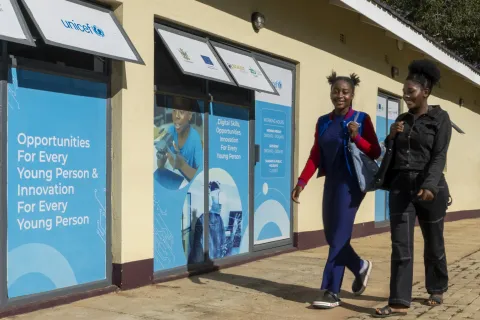
Digital learning reaches Zimbabwe rural schools
Bridging the digital-divide as remote schools get solar and, computers
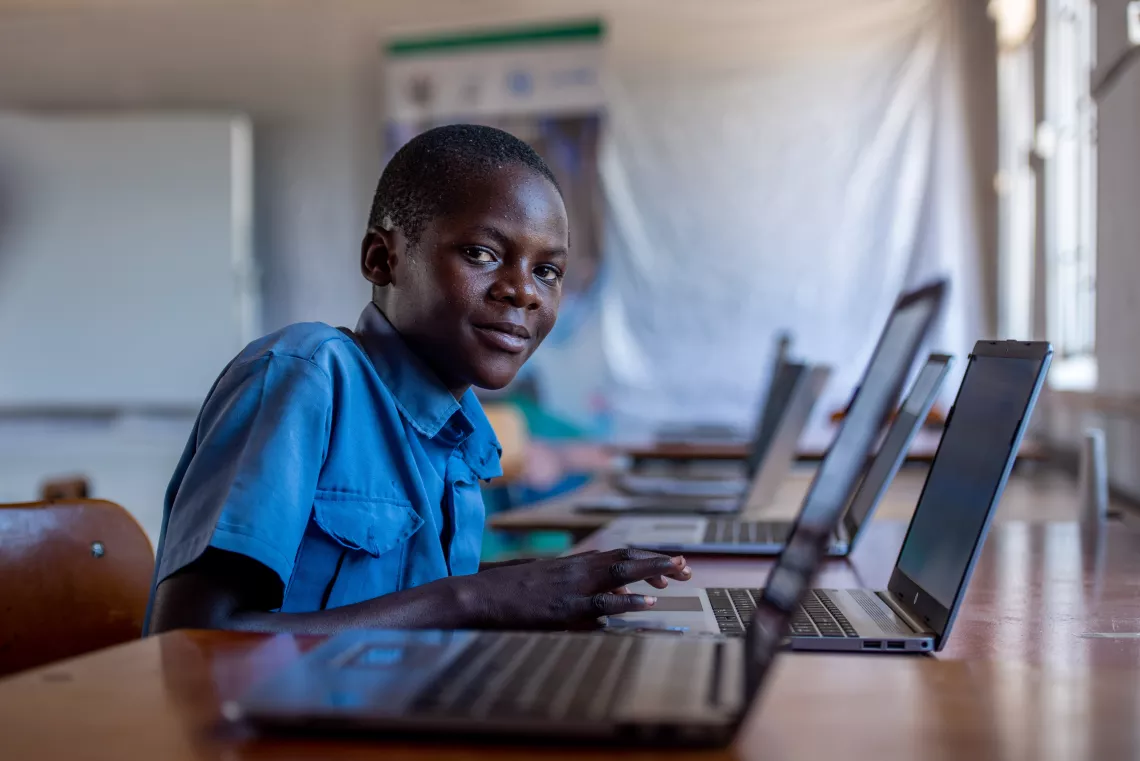
Makoni, Zimbabwe - When the COVID-19 pandemic disrupted learning in 2020, Aaron, a 12-year-old pupil at a rural Zimbabwean school thought his dreams of a brighter future were over. Unlike his urban peers, Aaron and millions of other children in rural areas had no access to both electricity and the internet to engage in online or radio lessons.
“It was a very bad time for us. We couldn’t come to school and we would sit at home with nothing to do because we didn’t have any access to learning,” said Aaron, who aspires to become an engineer, a job he hopes will help get his family out of poverty.
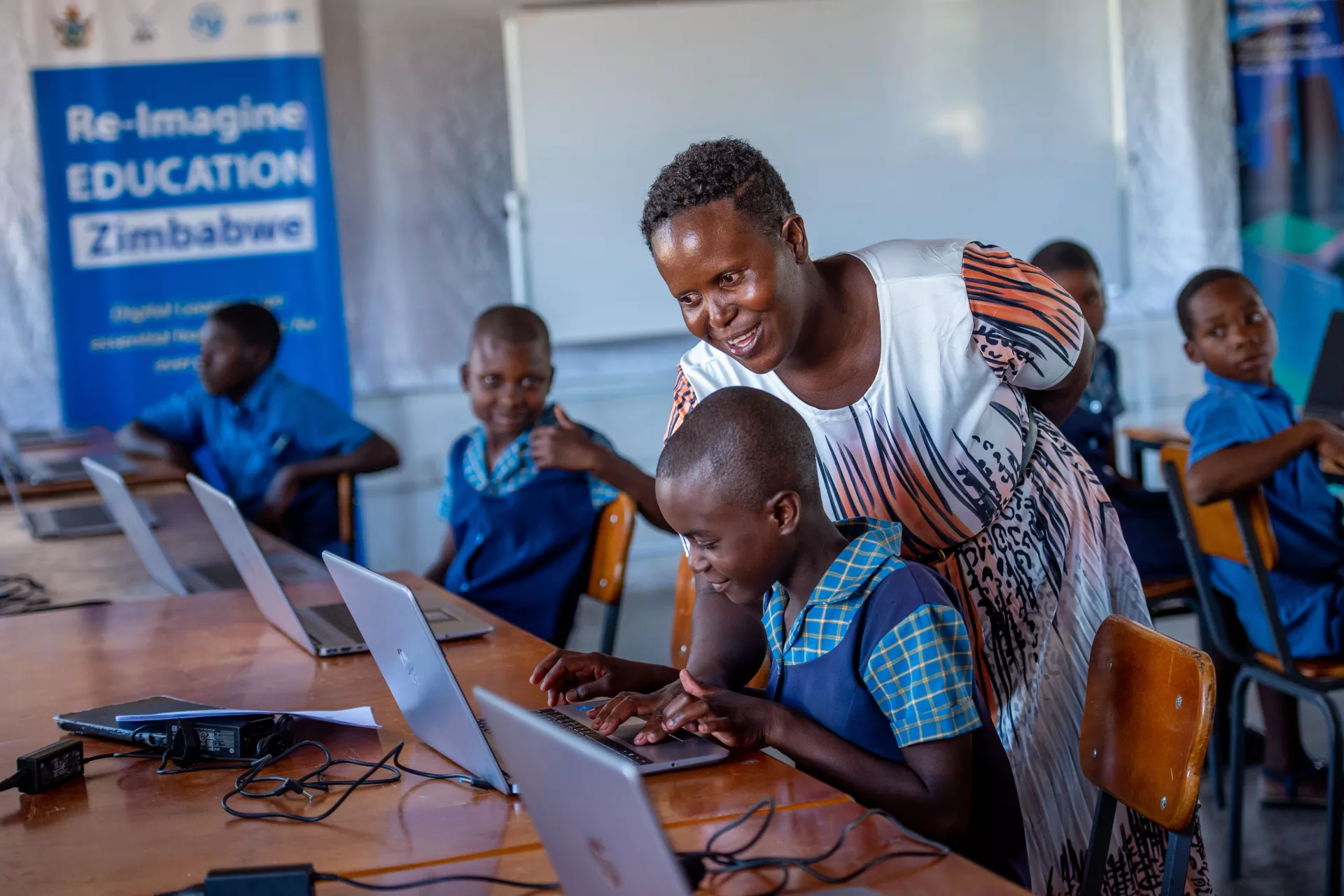
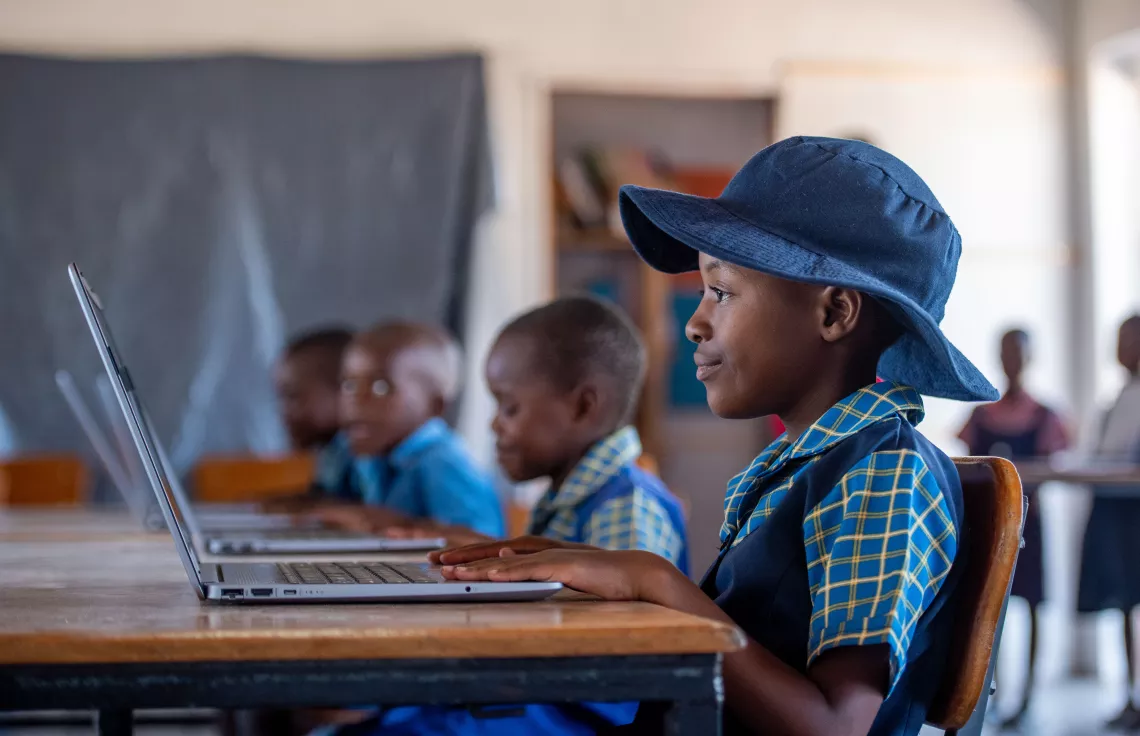
Like many of his classmates at Dzvairo Primary School, Aaron had never touched or used a computer. But after a few tips from a development worker during the commissioning of a computer lab at the school, Aaron and some students could not take their hands off the machines.
“This is what we have been waiting for all these years. I can’t wait to write my Grade 7 examinations next year,” he says.
Dzvairo Primary School is benefiting from the greening education push as one of about 150 schools in Zimbabwe benefitting from a solarisation and computerisation programme being rolled out across the country.
“We have been craving digital teaching and learning for a long time. This is a dream come true. With electricity and the internet in the near future available, pupils can easily access numerous educational resources and research,” said the head of the school, Tendai Takaendesa. She stood next to giant solar panels that power the computer lab, administrative room, teachers’ houses and a community cell phone charging kiosk. The school also received 30 laptops from the government.
Re-Imagine Education for the future
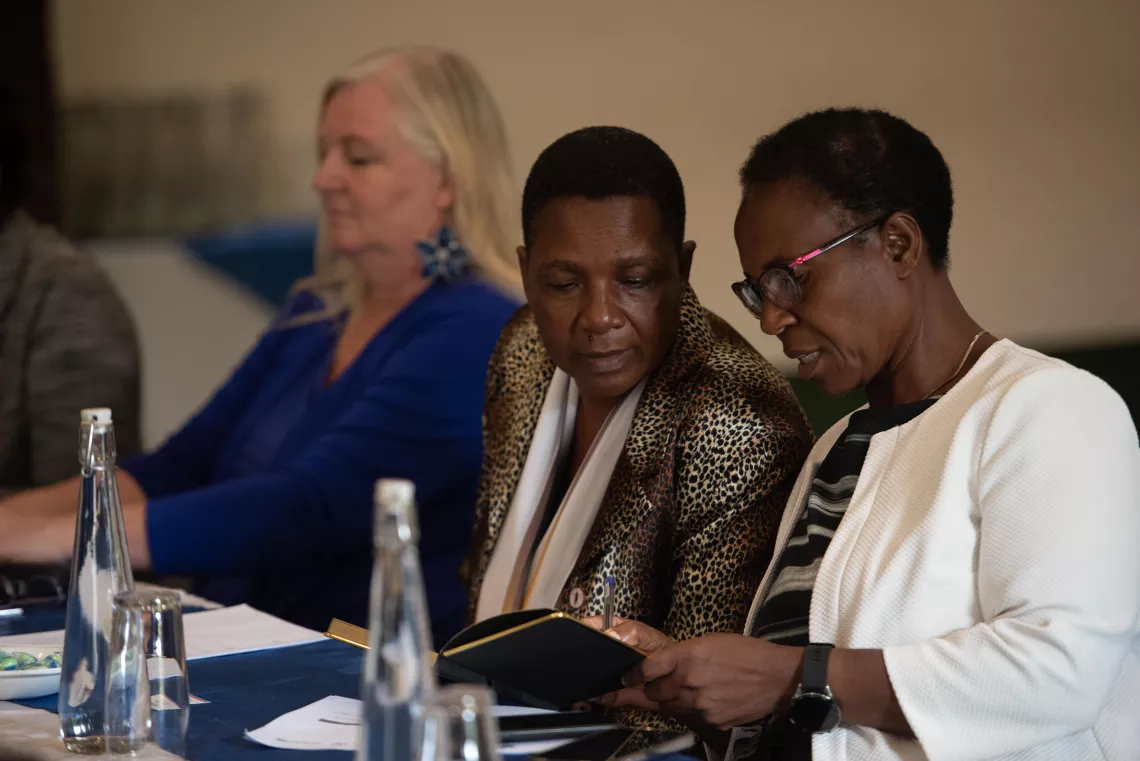
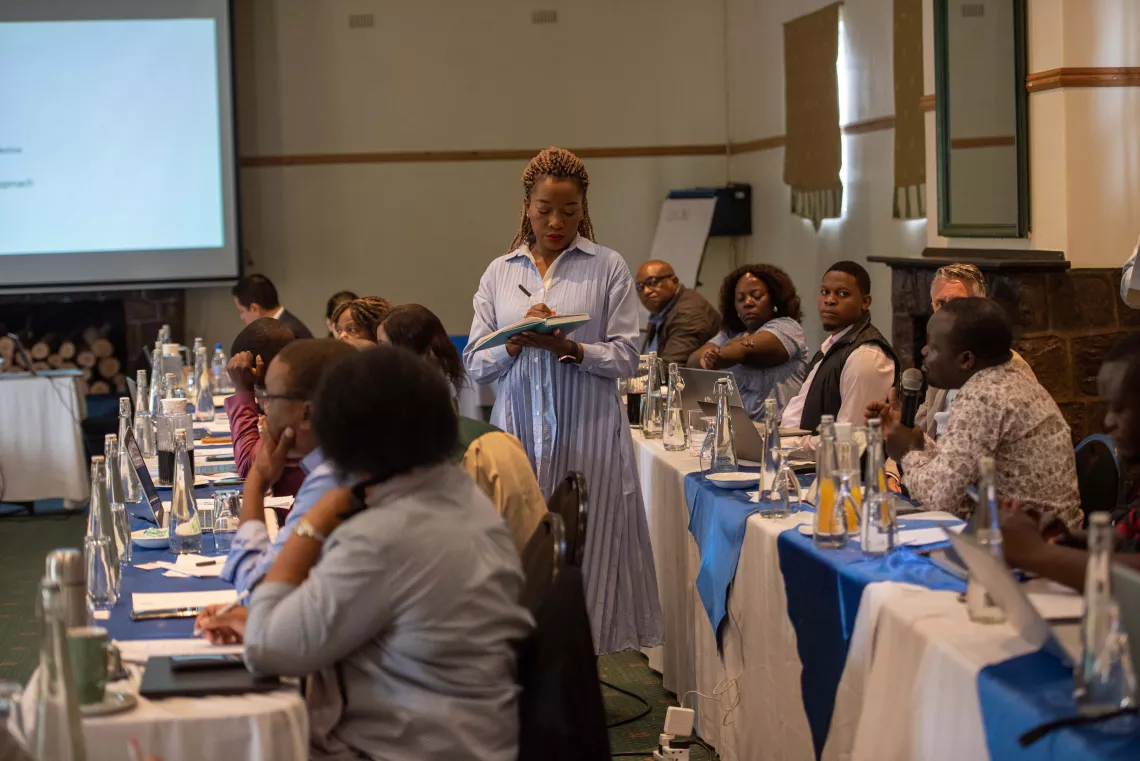
The school visit was part of a three-day “Re-Imagine Education” workshop held by UNICEF along with key Ministries in the Government of Zimbabwe, major telecoms, and the private sector. The workshop aimed to bring together various stakeholders to establish effective multi-partner mechanisms for better implementation of e-learning in Zimbabwe and to support the Government in harmonizing the various ICT and e-learning efforts currently being implemented by the multiple players in the country. It was also an opportunity for various players in the digital learning space to learn about Giga, a joint UNICEF, Microsoft and International Telecommunications Union (ITU) project to connect all schools globally to the internet.
Re-Imagine Education is driven by six key areas- greening education; world class digital learning solutions; connectivity; access to devices; affordable content and data; and young people engagement. This will afford students, parents, teachers/heads of schools, and education providers the to receive and provide quality inclusive education.
Giga is a major pillar for re-imagining education as it aims to connect every school to the internet by 2030. It is anchored in the United Nations Secretary-General's High-level Panel on Digital Cooperation’s finding, which states that by "2030 every adult should have affordable access to digital networks". In Zimbabwe, Giga is a component of the Government’s National e-Learning Strategy that seeks to ensure that schools, especially those in remote areas like Dzvairo, get access to quality, inclusive online learning.
Learning in emergencies
Two disasters that devastated much of Zimbabwe in quick succession-Cyclone Idai that destroyed lives and school infrastructure in three provinces and the subsequent COVID-19 pandemic – highlighted the need for new learning methods powered by green energy and internet connectivity. The need was greater in rural areas where lack of electricity and connectivity saw millions of children lose out on education.
According to official figures, about 4.5 million children in Zimbabwe lost nearly a year of schooling in 2020 when COVID-19 was first reported in Zimbabwe, and schools were forced to close. Digital learning was only accessible to 6.8 per cent of learners across the country, leaving the poorest and most vulnerable populations in limbo.
Poor connectivity of schools was the major challenge impacting access to digital learning, with only 31 per cent of schools connected to the internet. Both learners and teaching staff in most schools, particularly public schools where most learners attend, had limited access to electronic devices. Of those learners with access to electronic devices, the cost of data is quite prohibitive.
“Access to e-learning by pupils in rural and disadvantaged communities is vital to bridge the gap between rural and urban pupils,” said Tumisang Thabela, the Permanent Secretary in the Ministry of Primary and Secondary Education. “We can finally get to the desirable zero we need, which is zero illiteracy by 2030. Gadgets should move to the children, education should move to the children.”
UNICEF Deputy Representative to Zimbabwe, Zeinab Adam, described e-Learning as an essential basic service for every child.
“Re-imagining education is all about ensuring that education is accessible, flexible, inclusive and sustainable, but also innovative. We need to ensure that all children, including those in remote and marginalised communities have access to education,” she said.
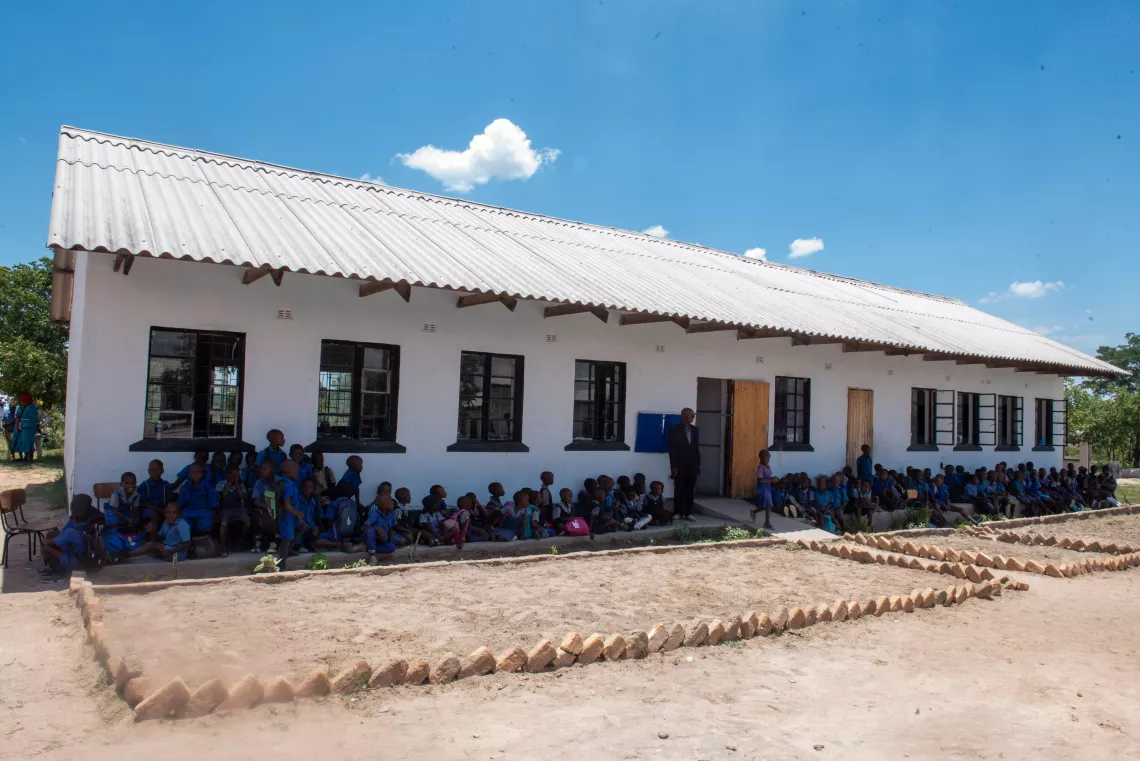
At Dzvairo Primary School, local community members trooped in to witness the commissioning of the computer lab, singing, ululating and cheering.
For pupils, the project is opening a new world of possibilities.
“I used to envy children in urban areas but now we are all the same, we have the electricity and we have the computers. Nothing can stop me from my dreams,” said Aaron.