Almost 300,000 children threatened by severe acute malnutrition in six drought-affected countries in Southern Africa – UNICEF
UNICEF calls for urgent funding to scale-up programmes across affected countries.

NAIROBI/NEW YORK, 25 July 2024 – The severe drought that has impacted large swathes of Southern Africa is threatening the lives of hundreds of thousands of children in the six worst-affected countries, UNICEF said today. This includes more than 270,000 children who are expected to suffer from life-threatening severe acute malnutrition (SAM) in 2024.
El Niño-related weather conditions, including extremely low rainfall, have resulted in Lesotho becoming the latest country to declare a state of national food disaster following similar declarations from Botswana, Malawi, Namibia, Zambia, and Zimbabwe.
“The humanitarian needs children are facing due to El Niño are extremely concerning,” said UNICEF Regional Director for Eastern and Southern Africa, Etleva Kadilli. “Increasing food insecurity and malnutrition, challenges in accessing safe water and sanitation, as well as risks to disease outbreaks such as cholera are a serious threat. Thousands of children are on the brink of being irreversibly impacted in their health and growth because of the climate-related crisis and this warning should not go unheard by the international community.”
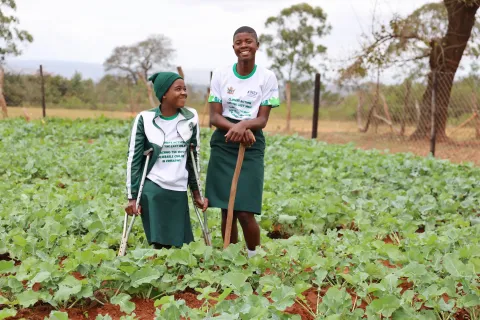
In Lesotho, Malawi, Namibia, Zambia, and Zimbabwe, 7.4 million children are living in child food poverty – of which over 2 million are surviving on extremely poor diets that include at most two food groups. This is now exacerbated across large parts of Southern Africa due to drought. Communities have lost crops and livestock due to lack of pasture and water.
Vulnerable children are heavily impacted by climate shocks in Southern Africa. These shocks dramatically lower the quantity, diversity, and quality of available food; negatively affect the care of children; and disrupt access to clean and safe water, exposing children to life-threatening childhood diseases including diarrhoea.
“Through innovative collaboration, ideas and financing that include community engagement such as the mother-led care groups in Zimbabwe and the large-scale multi-sectoral nutrition programme in Zambia, we can ensure children and families are supported by sustainable efforts that protect them from some of the severe consequences of climate crises in the region. Strengthening national social protection systems is one of UNICEF’s key tools in supporting families build resilience to future shocks and recover from the effects of emergencies,” added Kadilli.
“Investment and innovation in building family and societal resilience are vital. Frameworks that stay fit for future purpose, including diverse food systems, clean water, sanitation services, climate-informed education, and climate-responsive health care, must be prioritized, alongside the safeguarding of key services and systems for children to ensure quality and uninterrupted access.”
In Zimbabwe, 580,000 young children are living in severe food poverty, a number that is likely to rise with the current El Nino-induced drought. UNICEF is working with the Government and national partners to protect diet diversity and child feeding practices and to avert a rise in child wasting, by expanding and strengthening the national multi-system community-based model for the prevention of all forms of malnutrition, with Care Groups as the delivery platform. Care Groups, comprised and led by mothers, deliver a holistic package of counseling and support including for health, nutrition, child development, water, sanitation, and hygiene, and are linked to other forms of support available in the district including social protection (cash and food distributions), agricultural support and income generation activities. To date, UNICEF supported the training of 200 Care Groups to prevent malnutrition among children.
In addition to investment in resilience, UNICEF calls for urgent acceleration and scale-up of lifesaving programmes across the region to reduce the risks of increased numbers of children becoming malnourished.
- Read more about UNICEF’s response to the impacts of El Niño in Eastern and Southern Africa – www.unicef.org/esa
Media contacts
About UNICEF
UNICEF promotes the rights and wellbeing of every child, in everything we do. Together with our partners, we work in 190 countries and territories to translate that commitment into practical action, focusing special effort on reaching the most vulnerable and excluded children, to the benefit of all children, everywhere.
For more information about UNICEF and its work for children, visit www.unicef.org.