

Health and HIV
Zambia has made progress in reducing child mortality, but challenges remain in maternal and neonatal mortality.
The challenge
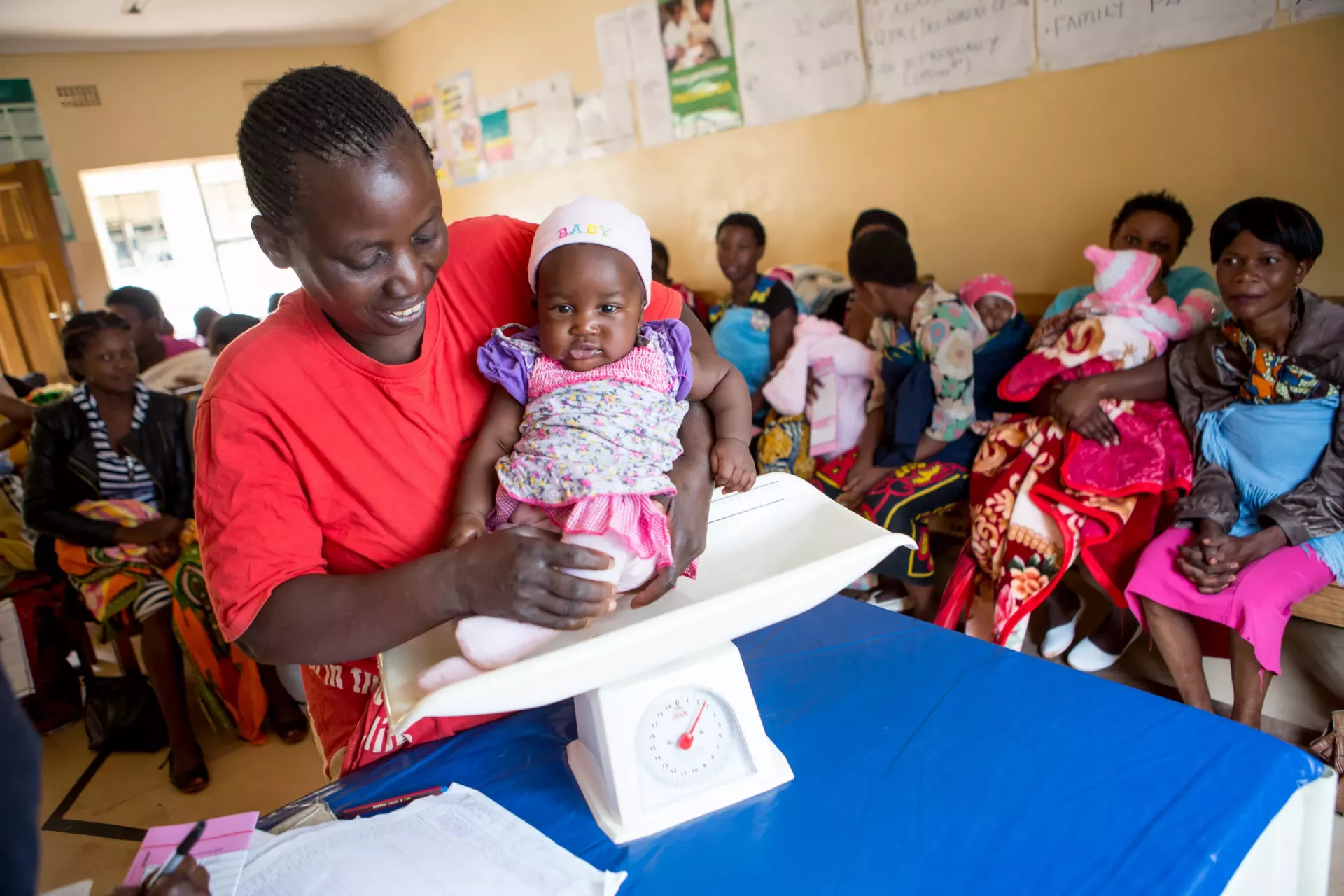
Zambia is a society with high levels of poverty in which children, adolescents and women face many health risks. The health system is overburdened due to concurrent emergencies such as Covid-19, Polio, Cholera, Drought, Measles and Anthrax, thus making it challenging to prioritize continuity of routine RMNCAH-N services. Some of these emergencies are due to diseases that are vaccine preventable diseases (e.g., polio, measles, diphtheria, pertussis, and tetanus). For adolescents, among the challenges are access to comprehensive adolescent friendly health/HIV services and information to make well informed choices. The climate change crisis including drought severely affected the provision and continuity of health services mainly in rural areas. About 60% of Health facilities in Zambia lack access to reliable electricity and that affects delivery of essential health services.
Some critical issues in Zambia’s healthcare system, particularly concerning maternal, newborn, child, and adolescent health (MNCAH). The progress made between 2007 and 2018 is commendable, with maternal and under-five mortality rates reduced by 50% and infant mortality by 40%. However, the persistent challenges, such as the high Maternal Mortality Ratio of 278 per 100,000 live births and the rising neonatal mortality rates from 24 to 27 deaths per 1,000 live births between 2014 and 2018, underscore the need for intensified efforts to meet the Sustainable Development Goals (SDGs).
Addressing these bottlenecks requires a multifaceted approach. Strengthening health infrastructure is essential, involving investments in building and upgrading health facilities to ensure they are well-equipped to handle maternal and child health needs. Additionally, enhancing training programs for healthcare workers and creating incentives to retain them in underserved areas is crucial for addressing the shortage of skilled health personnel.
Ensuring the availability of medicines and essential supplies is another critical area. Improving supply chain management can help maintain a consistent supply of necessary medicines and equipment. Furthermore, the effective implementation of MNCAH guidelines through better monitoring and evaluation can enhance the quality of care provided.
Integrating community health workers into the formal health system can improve outreach and service delivery, addressing the fragmented community health system. Improving access to services by tackling barriers such as transportation and affordability is also vital to ensure that all women and children can receive the care they need. Lastly, focusing on quality improvement initiatives can help ensure that the care provided meets high standards. Addressing poor health seeking behaviors among community members, myths and misconceptions are the key factors hindering stronger progress for the health of women adolescents and children.
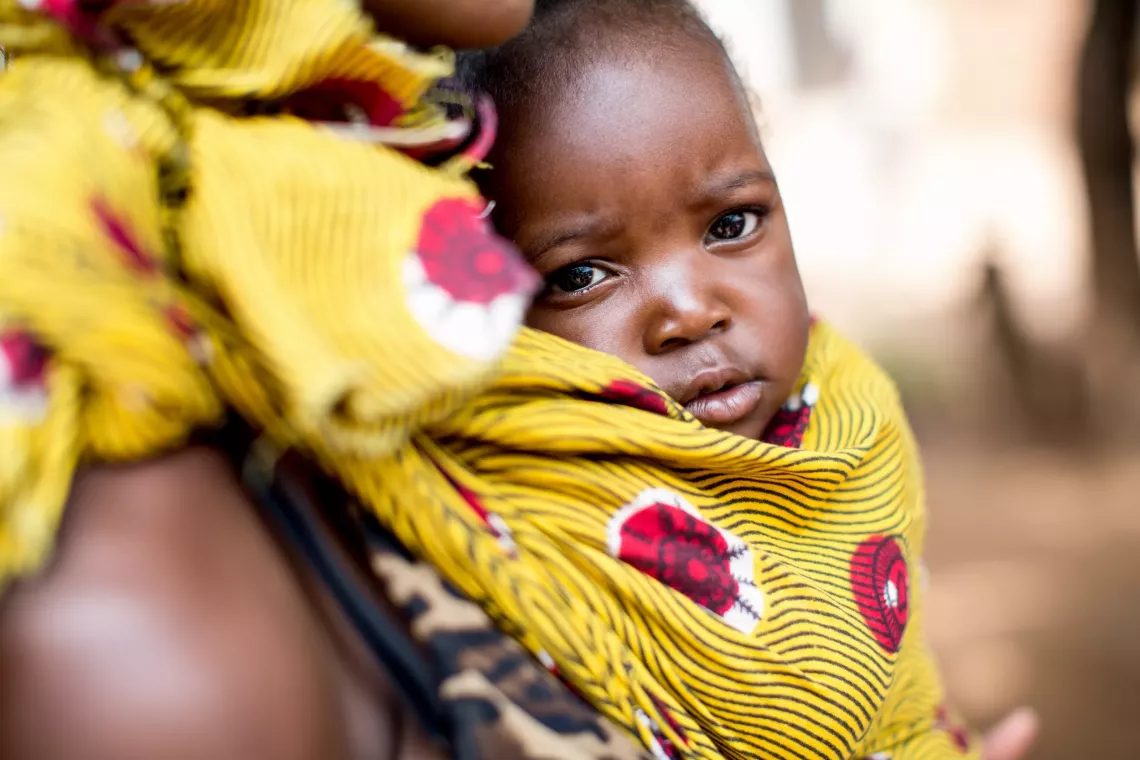
UNICEF’s commitment to collaborating with partners is crucial in driving these changes. By working together, it is possible to create a more robust health system that can better serve the needs of women, children, and adolescents in Zambia.
Zambia has a generalized HIV epidemic with an estimated prevalence of 11 per cent among those fifteen and older (15+), with women carrying a higher burden at 13.9 per cent (ZAMPHIA 2021). It is estimated that 56,000 (51,000 - 62,000) adolescents (aged 10–19 years) are living with HIV, about 89% are on life-saving anti-retroviral therapy (ART). Adolescents living with HIV face unique challenges as they must grapple with the physical and psychological changes of adolescence and the reality of a life-long state of living with HIV. There are approximately 58,000 (50,000 – 65,000) Children 0 - 14 Living with HIV but only 82% are aware of their HIV status, 88% are on lifesaving antiretroviral treatment and only 94% have suppressed viral loads. Coverage of pregnant women who receive antiretroviral treatment to prevent or eliminate mother to child transmission (EMTCT) is 90% and the vertical transmission rate remains high at 7% above the global rate of 5% in breastfeeding populations (UNAIDS 2023).
The solution
UNICEF Zambia’s health programme is geared towards supporting climate resilient and environmentally sustainable health care facilities to contribute to high quality of care and accessibility of services, preventable maternal newborn, and child mortality. Our work is aligned with Government of Zambia strategies and anchored in the National Health Strategic Plan 2022-2026, National Community Health Strategy 2022 – 2026 and the National Adolescent Health Strategic Plan 2022-2026.
UNICEF’s health programme focuses on keeping mothers and newborns healthy and provides equal inclusive opportunities for children and adolescents to receive health care services including vaccination, nutrition, protection from harm, learning and responsive care giving so that they reach their full potential. We aim to ensure that by 2030, children, young mothers and women will benefit from clear improvements in antenatal care and skilled birth attendance; maternal, newborn and postnatal care; high immunisation coverage and school-based health interventions; comprehensive adolescent health services, as well as expanded coverage in the treatment of children affected by diarrhoea, pneumonia, malaria and HIV.
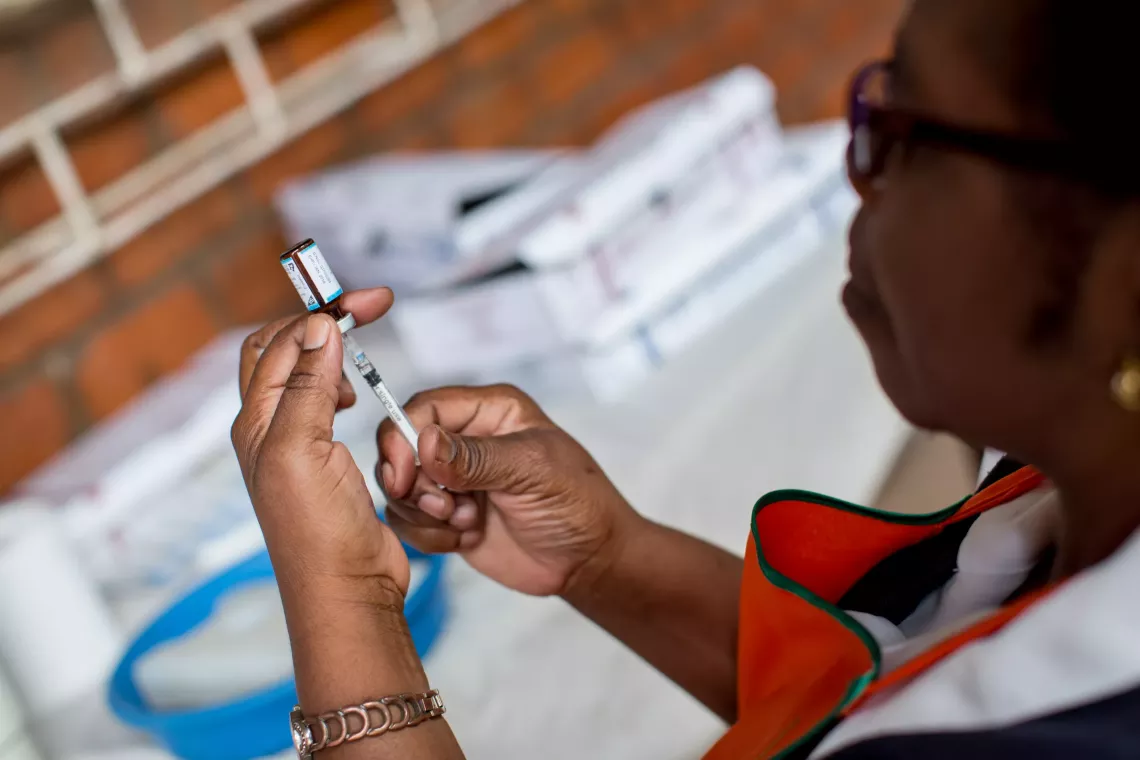
Similarly, timely and effective response to diseases outbreaks is key, climate resilient health infrastructure, and retaining the qualified health staff in rural and hard-to-reach areas. This will be achieved through aiming to increase the number of:
- Women attending quality antenatal care visits to 95 per cent.
- Skilled birth attendance to 80 per cent.
- Pregnant or breastfeeding women living with HIV receiving antiretroviral treatment to 95%
- Early Infant Diagnosis (EID) coverage of at least 90% by two months among infants exposed to HIV.
- Vertical transmission rate of HIV to <5% at the end of the breastfeeding period.
- Adolescents (10-19years) living with HIV receiving antiretroviral treatment to 95%.
- Children who are fully immunized by their first birthday to 88 per cent.
- The coverage for girls for HPV vaccination increases to 80%.
- Women and newborns that receive postnatal care within 48 hours (live births) to 90 per cent.
- Children between birth and 5 years old who might have pneumonia with appropriate antibiotics to 80 per cent.
- Children aged 0 – 59 months who receive malaria treatment with artemisinin-based combination therapy (ACT) or other appropriate antimalarial drugs to 80 per cent.
- Polyvalent Community Based Volunteers (CBVs) who offer an integrated package of health services at community level to 50%.
- Number of adolescents accessing SRH services
Alongside support to the government on these programs, successful health systems require frequent and good quality administrative data to enable the monitoring of disease trends and the evaluation of policy interventions.
Resources
Zambia Demographic and Health Survey 2018
UNICEF Zambia Country Programme, 2023–2027 | UNICEF Zambia
Zambia Population-Based HIV Impact Assessment: ZAMPHIA 2021
Zambia National Health Strategic Plan (NHSP) 2022–2026
National Immunisation Strategy 2022–2026
Zambia National Community Health Strategy 2022–2026
Zambia National Adolescent Health Strategic Plan 2022–2026
The UNICEF Sustainability and Climate Change Action Plan 2023–2030