"In the DRC, containing Ebola requires stronger collective action and a faster response"
Statement by UNICEF Regional Director for West and Central Africa, Gilles Fagninou, following visit to Ituri
- English
- Français
DAKAR, 15 July 2026 – “I have just returned from a mission in Ituri province, in the east of the Democratic Republic of Congo, with a strengthened conviction: Ebola can be contained, provided that we act faster and more collectively.
“The epidemic continues to spread. Five provinces are now affected: Ituri, North Kivu, South Kivu, Haut-Uélé, and Tshopo, with 2,111 confirmed cases, including 750 deaths as of July 13. This geographical increase, in a context of conflict, insecurity, population displacement, and limited access, makes the response both more complex and more urgent.
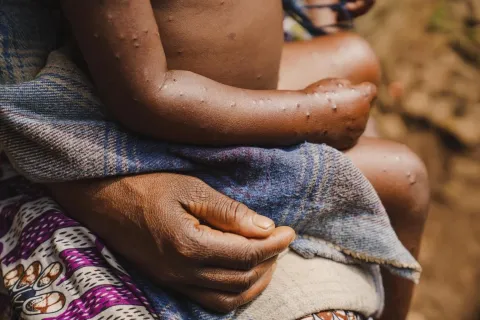
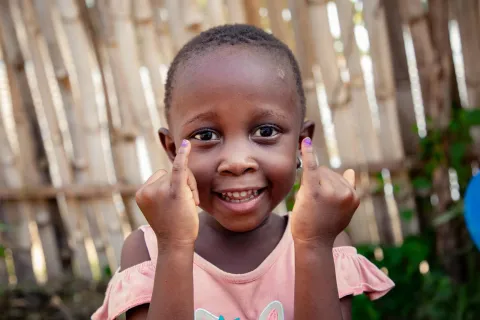
“Yet, on the ground, despite these challenges, I also saw reasons for hope. In Bunia, I met a three-month-old infant who had recovered from Ebola and a nine-month-old child who, despite the loss of both parents, is gradually smiling again thanks to the psychosocial support and protection services put in place with our partners. These children embody an essential reality: when communities, government and partners act together, lives are saved.
“The response must now progress faster than the virus. UNICEF supports the authorities around four priorities: mobilizing communities and fighting misinformation, strengthening infection prevention and control, protecting affected children, and providing community-based surveillance. I was particularly encouraged by the nurseries set up near Ebola centres, which provide a safe environment for young children when their parents are hospitalised. This innovative approach deserves to be expanded.
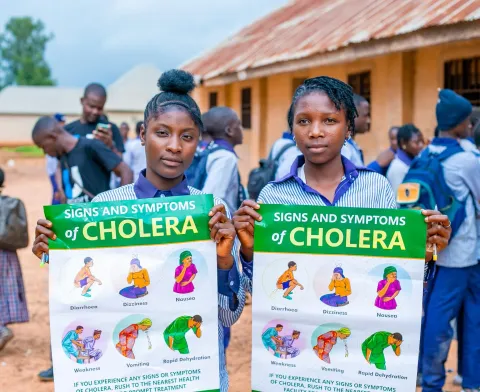
“But Ebola cannot be treated in isolation. The response must be articulated with the other emergencies facing communities – malnutrition, cholera, polio, forced displacement – while ensuring the continuity of essential services, including health care and preparation for the next school year.
“Finally, I call for an urgent mobilization of resources. We know how to stop this epidemic. The challenge is not the lack of solutions, but the lack of funding to deploy them at the scale needed. UNICEF has rapidly mobilized its own resources and has the valuable support of several partners. However, only 25 per cent of the required funding is currently available. As the virus progresses, resources are not keeping pace.
“Containing this epidemic is within our reach. This requires strengthened collective action, an accelerated response and sustained international solidarity alongside the Government and affected communities.”
#####
Note to editors:
Download multimedia content here.
Media contacts
About UNICEF
UNICEF promotes the rights and well-being of every child, in everything we do. Together with our partners, we work in 190 countries and territories to translate that commitment into practical action, focusing special effort on reaching the most vulnerable and excluded children, to the benefit of all children, everywhere.
For more information about UNICEF and its work for children in West and Central Africa, visit https://www.unicef.org/wca.
Follow UNICEF West and Central Africa on Twitter, Facebook, Instagram et Youtube