

Get Childhood #BackOnTrack
A call to take collective action on issues affecting children in Viet Nam

- English
- Tiếng Việt
"As the world recovers from the COVID-19 pandemic and the evidence of its cost to children’s development and wellbeing becomes clear, UNICEF Viet Nam is shining a light on the need for a collective commitment and funding to get childhood #BackOnTrack"
Making a difference for children


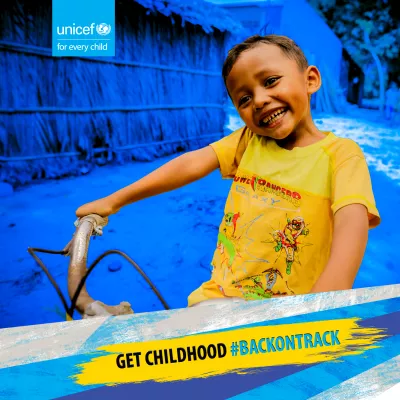


Life-changing challenges for children in Viet Nam
To get childhood #BackOnTrack, learn more about the situation of children and adolescents in Viet Nam.
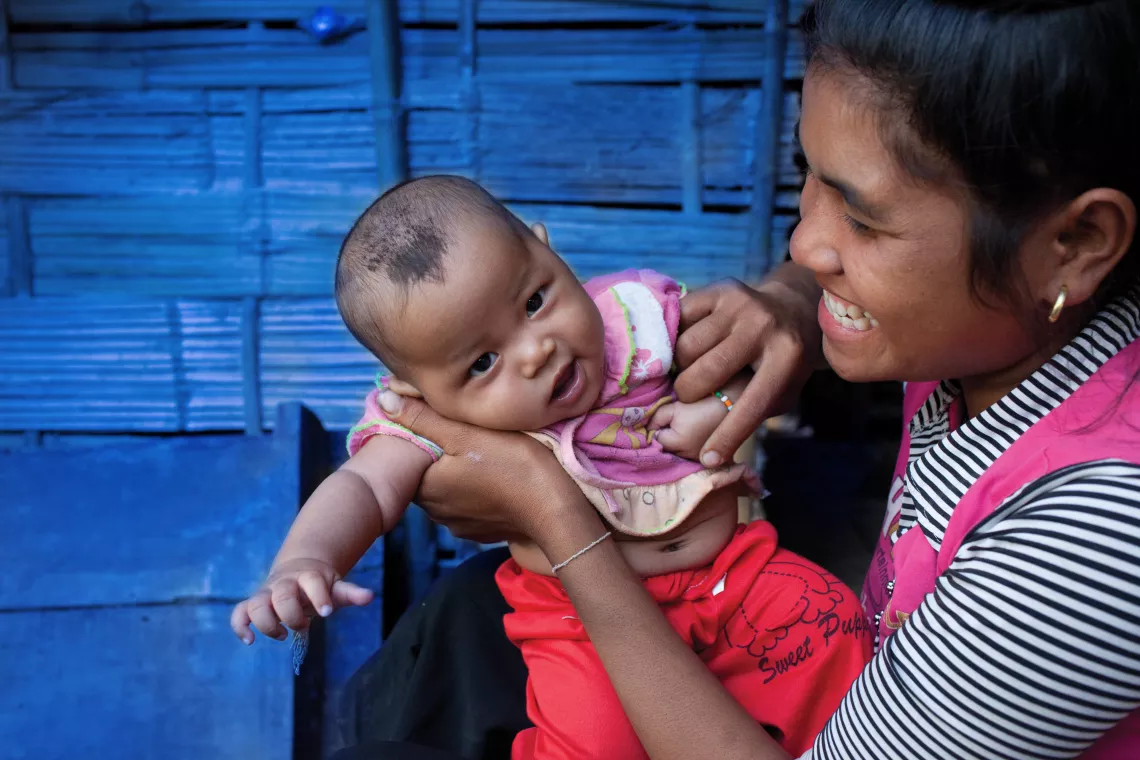
As revealed by a recent government household survey (MICS), they range from increased poverty, poor nutrition, lost opportunities for learning, child labour and growing levels of obesity, to violence against children and women, rising numbers of orphans and mental health challenges.
Fast Facts
Breaking down issues that impact children and adolescents in Viet Nam.

3 in every 20 children lack access to essential services such as education, health, nutrition, shelter, water and sanitation, and social inclusion.
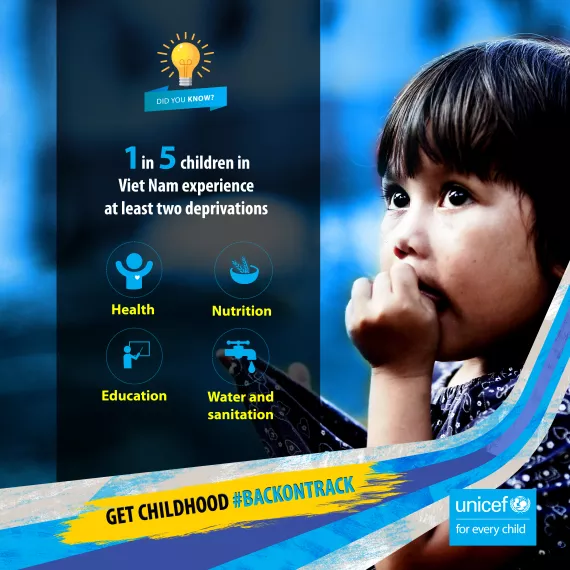
Approximately 5.5 million children experience at least two deprivations in education, health, nutrition, shelter, water and sanitation, or social inclusion.

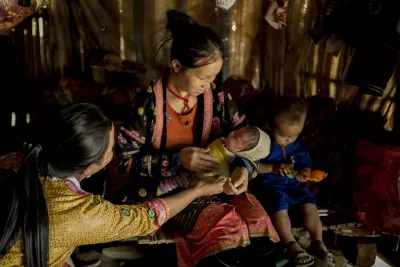
1 in every 5 children are stunted. The rate of stunting is highest in Northern Mountainous region where 1 in every 3 children is stunted.

Exclusive breastfeeding rates have almost doubled in the past seven years. About half of the children aged under 6-months are exclusively breastfed.

Many children in Viet Nam still fail to get the best start to life. 7 of every 10 deaths in children under-5 are infants.

More than two-third of children in remote areas have no access to online learning.

Almost one-third of children of lower secondary school age from the poorest households in Viet Nam are out-of-school.

6.9 per cent of children aged 5-17 years were involved in child labour.

Children in Ho Chi Minh City are much more likely to engage in child labour in terms of economic activities than those in Ha Noi City.

More than 7 in every 10 children of children in Viet Nam aged 1-14 years said they had been slapped, yelled at or hit on their ears or face by household members.
Results for Children
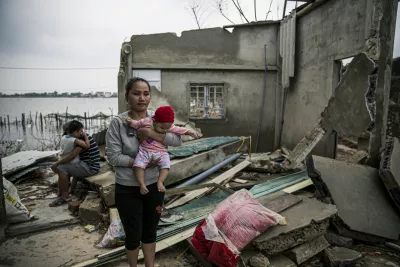
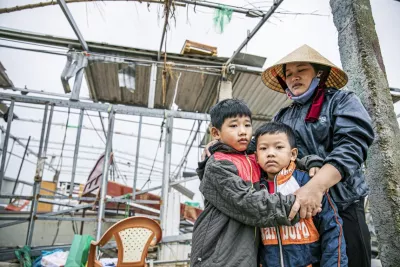
UNICEF reached more than 21 million children in Viet Nam between 2017 to 2021. This included ensuring emergency response to floods and COVID-19 in 2020 and 2021.
UNICEF works hand-in-hand with partners in Viet Nam to advance children’s rights, drive opportunities, bringing hope and addressing disparities. We do this by working with the Government, the private sector, communities, social services at the grassroots level and children themselves, achieving concrete results. We work to ensure that the most disadvantaged children and adolescents benefit from quality, inclusive social services and have the opportunity to develop and realize their full potential.
UNICEF in action 2022-2026
Hope, opportunity and an equitable chance in life - that is UNICEF´s vision for every child in Viet Nam.
Within each of these programme priorities are integrated early childhood development; recovery from the impact of COVID-19 and building resilience to future shocks, including the effects of climate change; mental health particularly of adolescents as well as their participation and empowerment; and gender equality, to ensure that interventions and innovation reaches the most disadvantaged population.
Voices of children
Get to know the inspiring stories of the girls and boys at the heart of UNICEF's results!
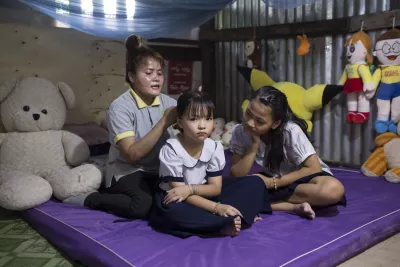
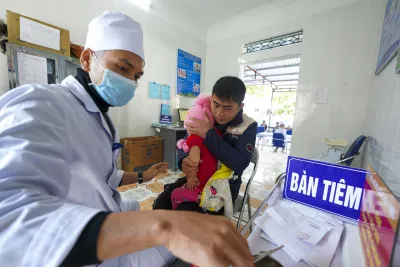
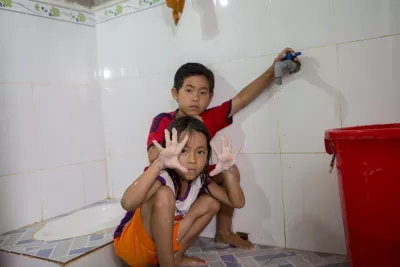
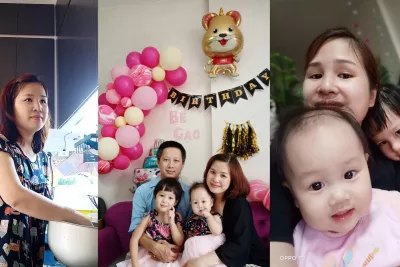
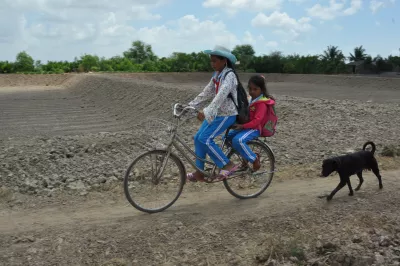
How can you make a difference?
A collective effort is needed to get childhood #BackOnTrack: from government, families and communities to the international community and private sector in Viet Nam – every sector, individual and group.
“It is about taking action on all issues affecting children: their health, nutrition, education as well as climate change, violence and abuse. It requires a collective and individual effort,” says Rana Flowers, UNICEF Representative in Viet Nam.

Advocate
Amplify UNICEF’s messages through your networks, partners, employees, customers and peers to raise awareness on children’s situation and engage UNICEF supporters.

Be the Change
Your daily actions can protect and promote children’s well-being and safeguard their rights. Give time, volunteer in your local community, be informed about environmental issues, take action and support UNICEF.

Contribute
Become a champion for children by mobilizing friends and making a donation.