

Alternative Care for Children
Ensuring every child grows up in a caring and supportive environment
- English
- Tiếng Việt
Challenges
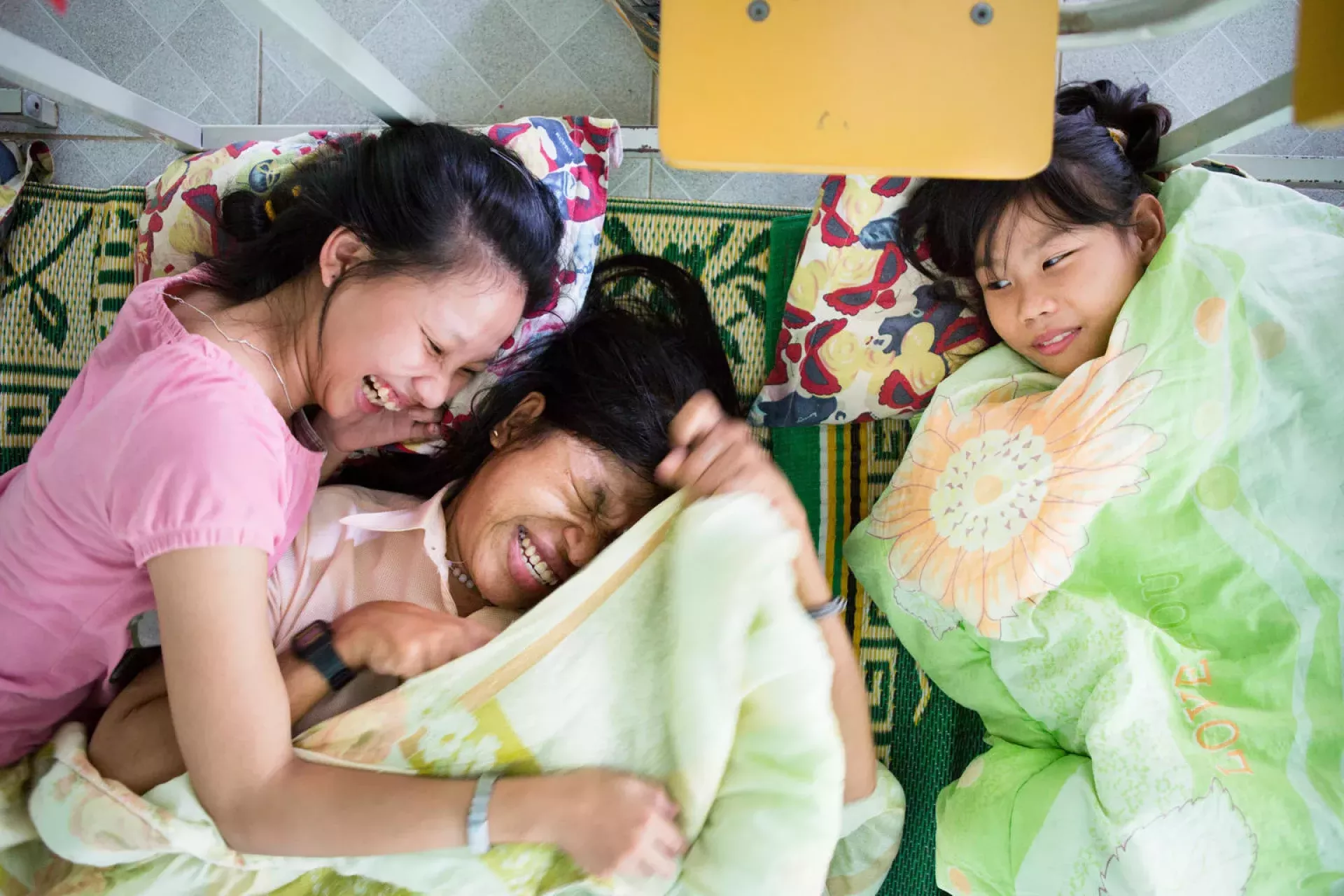
Every child has the right to grow up in a caring and supportive family environment. But in Viet Nam, an estimated 156,000 children are without parental care and an estimated 33,000 children live in institutions.
This poses a serious threat to their physical and psycho-social development and life chances. Isolated from their families and local communities, they are more likely to experience violence, abuse, neglect and child exploitation.
This situation compelled the UN Committee on the Rights of the Child to express its concern at the large number of children living in residential care, the lack of systematic monitoring of alternative care facilities, the separation of children from their families due to poverty or disability, and the limited availability of family-based and community alternative arrangements.
Several factors like insufficient social protection measures and a lack of social workers are compounded by false perceptions that institutional care is the best option for different groups of children – abandoned, orphaned, those with disabilities or other vulnerabilities. This drives family separations within the poorest households – particularly in rural areas where socio-economic pressures have fractured communities.
Solutions
All children without, or at risk of losing, parental care should be raised in family or community-based environments that have the capacity to support their physical, psychological, social and emotional development.
UNICEF works with partners to drive forward the national child care reform agenda to avoid the separation of children from families, end institutionalization and promote family-based alternative care options in the community.
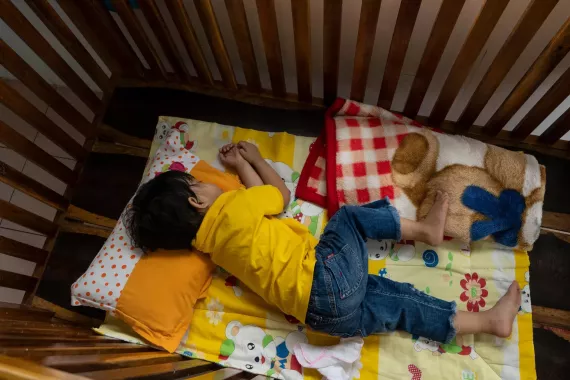
UNICEF believes every child and young person should live in a supportive, protective and caring environment that promotes their full potential.
To achieve this, UNICEF prioritizes supporting families to prevent unnecessary family-child separations, protecting children without parental care and ensuring high-quality, appropriate alternative care and strengthening child protection systems and services, including through ensuring adequate financial and human resources.
We focus on the collection of sound data on children in institutional care, advocacy and technical support to improve policies that enable better social assistance and support services for vulnerable children and families. UNICEF’s support includes training of local child protection staff, and strengthening of family-based alternative care services, including formal kinship, foster care and adoption.
To help counter attitudes that traditionally support institutionalization, we promote the importance of nurturing family environments for holistic child development and protection.
You can be the change for children!
Help UNICEF provide children and families with critical essential services for health and nutrition, education and protection.
Impacts
UNICEF’s goal is that by 2026, more children have access to better care and protection. This means that the root causes of child abandonment are addressed, while community-based models like respite care, foster care and adoption are formalized. We also support the government to equip social welfare and child protection officers with essential knowledge and skills to support children without parents or at risk of not having parental care.