

What you need to know about vaccines
Find in this article the importance of vaccinating children in a timely manner, as well as the different types of vaccines that are applied in Venezuela and the National Vaccination Scheme.
- Español
- English
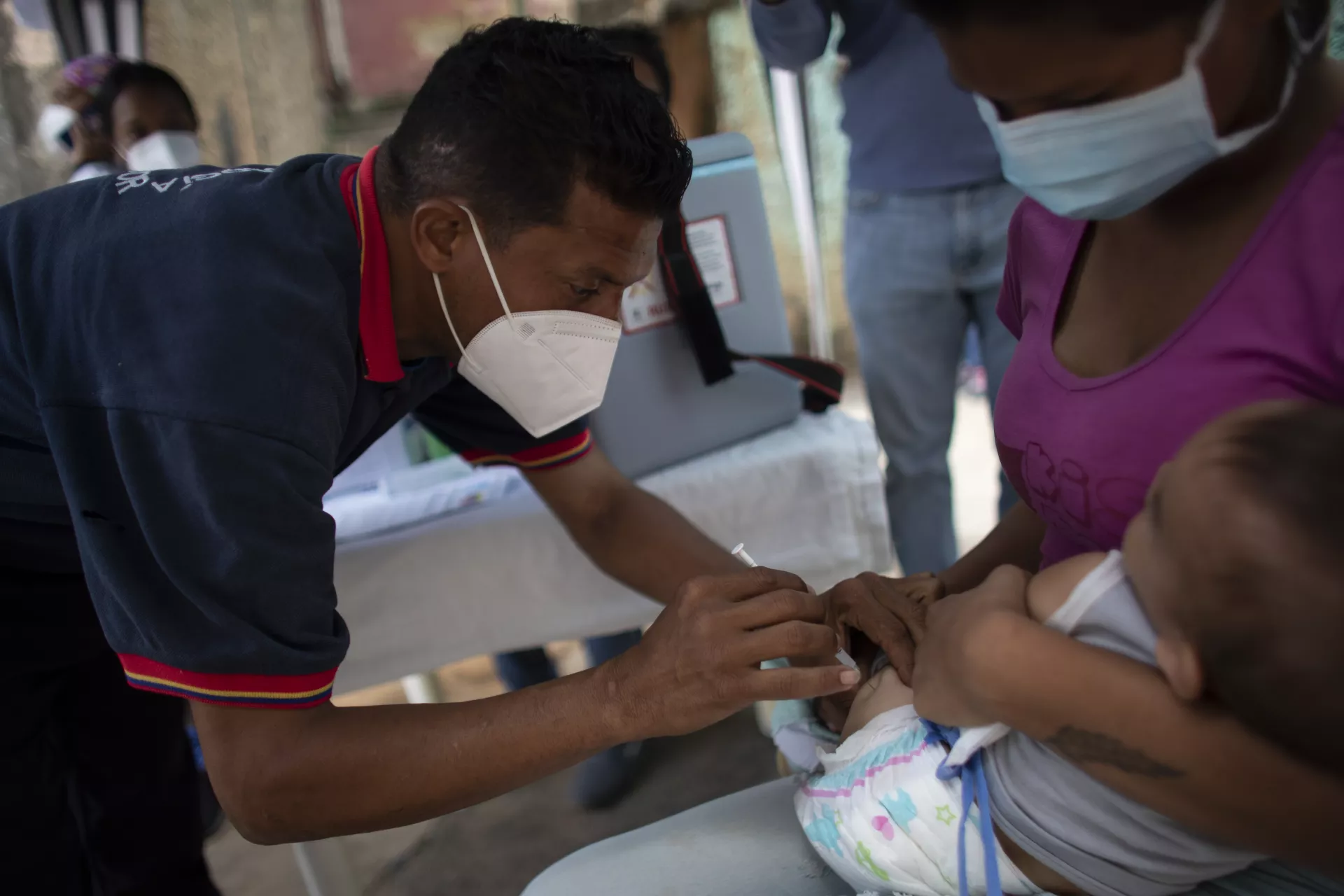
Vaccines are products that are administered to protect against serious diseases that can be deadly. These stimulate the body's natural defenses, preparing it to fight diseases more quickly and effectively.
They help the immune system fight infections more efficiently, as they provoke an immune response to specific diseases. In this way, if the virus or bacteria invade the body again in the future, the immune system will already be prepared to fight it.
When children do not receive the vaccines that correspond to them, they are more likely to get sick, be malnourished, become disabled, and even die.
For example, cerebral palsy can be a consequence of meningitis due to lack of vaccines.
If the child has a disease with symptoms such as fever, cough, cold, diarrhea, or other mild condition, the vaccine does not pose any risk. Similarly, if they have a chronic illness (heart problems, asthma, seizures, hydrocephalus, diabetes, or other), it is essential that they have their vaccines up to date.
Know the vaccines
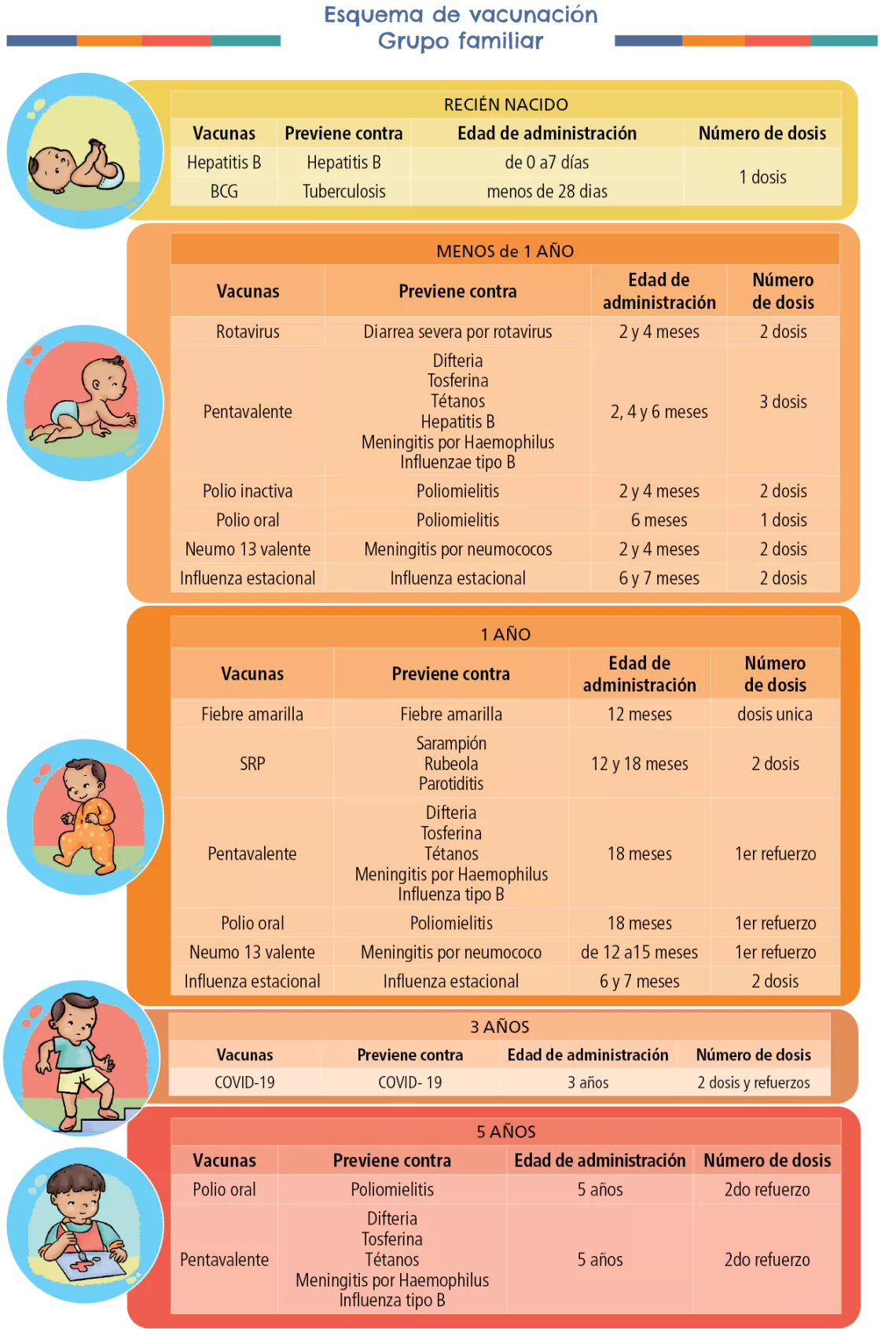
There are several types of vaccines that protect against different diseases and are mostly administered during childhood. Next, we explain those included in the Venezuelan vaccination schedule.
Hepatitis B: Protects against Hepatitis B, a highly contagious disease caused by a virus. It is the main cause of other illnesses such as liver disease, cirrhosis, and liver cancer.
BCG: Protects against tuberculosis, an infectious disease that usually affects the lungs and is preventable and curable.
Rotavirus: Protects against a disease caused by a virus that affects the intestines, causing severe diarrhea accompanied by fever and vomiting that can quickly dehydrate babies.
Pentavalent: This vaccine protects against five diseases such as diphtheria, tetanus, pertussis, Haemophilus meningitis, influenza B, and hepatitis B.
Polio: This vaccine protects against polio, a disease caused by a virus that affects the nervous system, causing paralysis and leaving the person with a disability. Polio can lead to death and mainly affects children under 5 years old.
MMR (measles, mumps, rubella): This vaccine prevents rubella, measles, and mumps.
Yellow Fever: It is an acute and hemorrhagic viral disease. Although many people have mild symptoms, in severe cases, the disease can cause problems in the heart, liver, and kidneys, as well as bleeding.
13-valent pneumococcal conjugate: "Pneumococcus" is a bacterium that can cause various diseases, including severe pneumonia, ear infections, sinusitis, bacterial meningitis (inflammation of the tissue that covers the brain), and even bloodstream infection. It mainly affects children under 5 years old.
Seasonal Influenza: It is a contagious respiratory illness caused by influenza viruses that infect the nose, throat, and sometimes the lungs, and can be mild or severe. In some cases, it can lead to death.
Tetanus and diphtheria (Td): Tetanus and diphtheria are very serious diseases that are transmitted by bacteria. Diphtheria is spread from person to person through coughing or sneezing. The bacteria that cause tetanus enter the body through cuts, scrapes, or wounds.
It's important for children to receive all the recommended vaccines at the appropriate time in order to be well-protected.
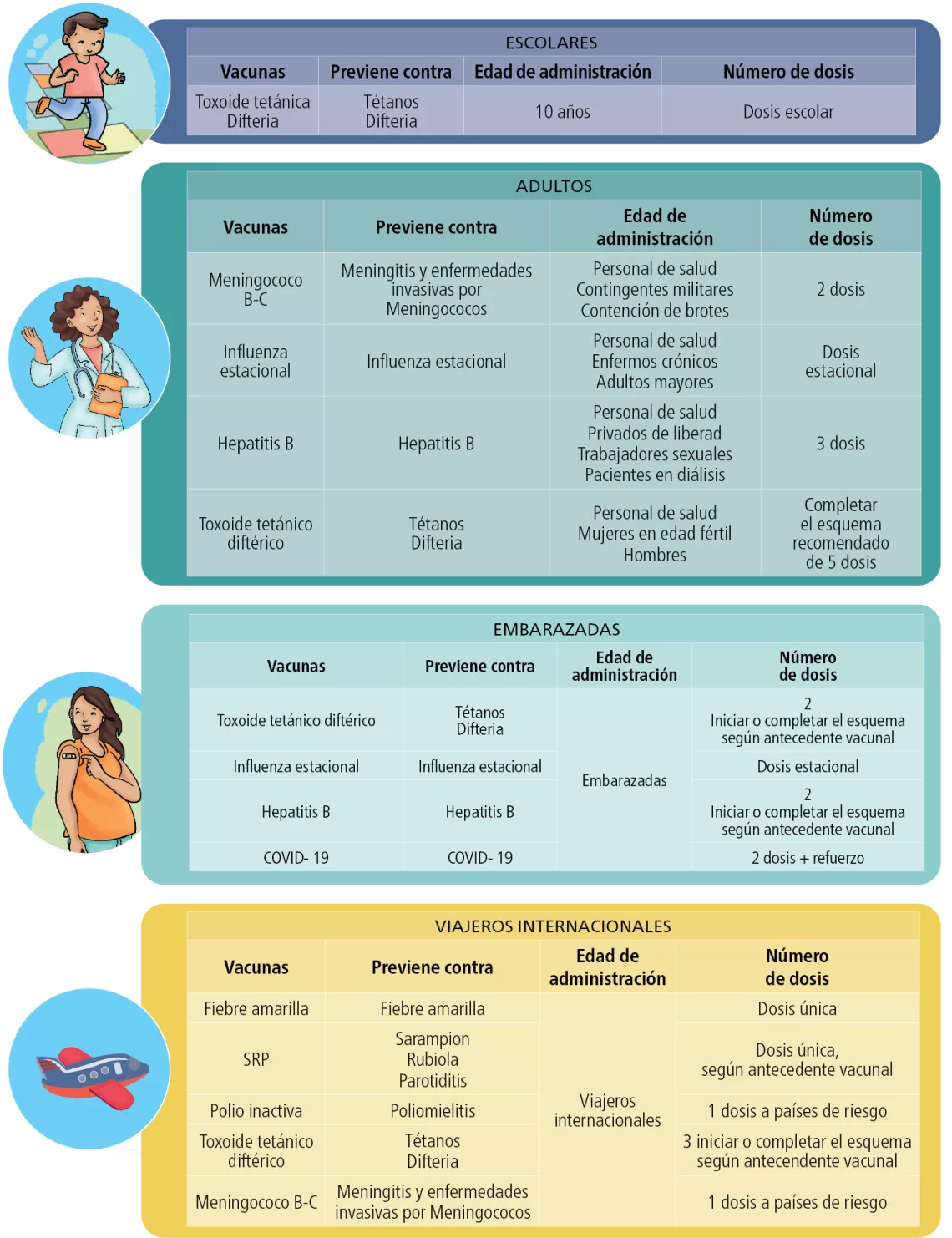
Venezuelan Vaccination Scheme
The vaccination scheme includes all the vaccines that apply to children, pregnant women, and adults and for international travel and the dose to be administered in each case.
The National Vaccination Scheme, guaranteed by the Ministry of Popular Power for Health, is free for all children in Venezuela.
Where are vaccines applied in the country?
- At vaccination posts located in clinics, popular clinics CDI, and hospitals.
- Vaccination brigades also visit communities to vaccinate.
- Vaccination campaigns are conducted for one or more days nationwide to prevent the emergence of certain diseases.
- Vaccination days are also organized in one or more days, in popular towns or sectors, and are integrated by teams of vaccinators.


