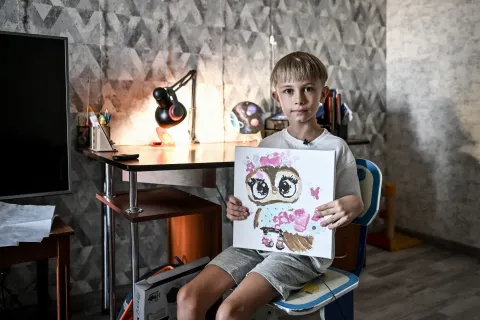
“Water is vital to everyone. Always.”
How and who helps ensure safe water flowing to cities’ households even when electricity supply is low.
- Українська
- English
Sixteen-year-old Liuba has many of the interests typical of a teenager. She studies graphic design, takes vocal lessons, enjoys drawing, and spends time with friends. Like millions of other Ukrainian children, she is trying to live an ordinary life despite the air raid alerts and attacks brought by the full-scale war.
“I remember when there was nothing at all: no electricity, no water,” Liuba recalls the first months after February 2022.
Her family had to store water in bottles whenever they could. Over time, disruptions became shorter, lasting a few hours or sometimes a day, but the discomfort and uncertainty remained.

Liuba’s parents work for Kyivvodokanal, the capital’s water utility. At the beginning of the full-scale invasion, they stayed in Kyiv and, during the first days of shelling, had to walk nearly an hour to get to work and help keep the city’s water supply system running.

“Of course, with two children in the family, we were scared. But even after difficult nights of attacks, an hour or two later we would restore water service to Kyiv residents, including our own home.”
When energy infrastructure comes under attack, every disruption sets off a chain reaction. Without electricity, it becomes more difficult to pump water, maintain pressure in the network, treat water, and monitor its quality.
This is why energy efficiency today is more than merely reducing consumption and costs. It is also about ensuring that a city can continue functioning even when the energy system is operating under emergency conditions.
For water utilities, this means both maintaining uninterrupted service and modernizing infrastructure so it can operate reliably while using fewer resources.

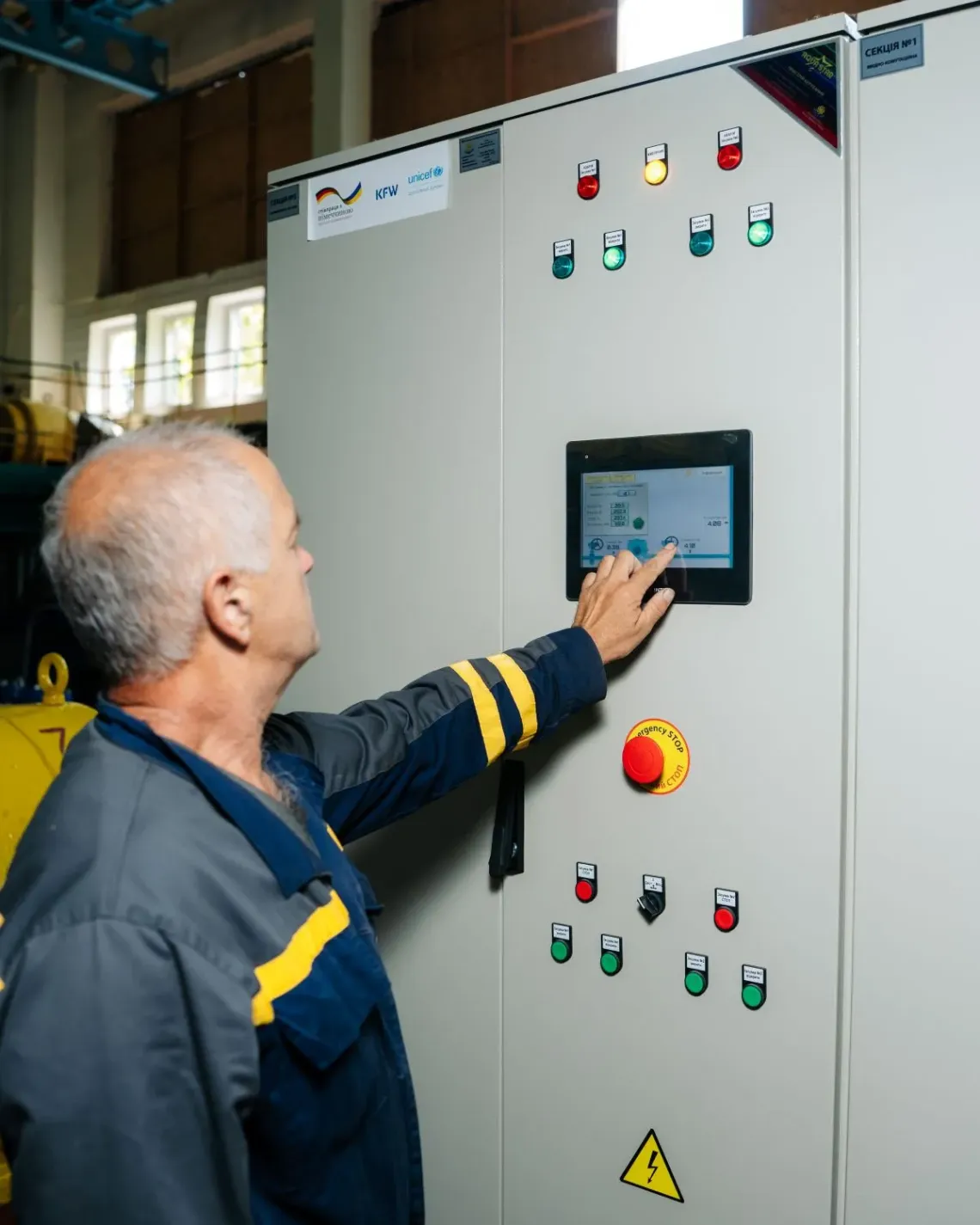

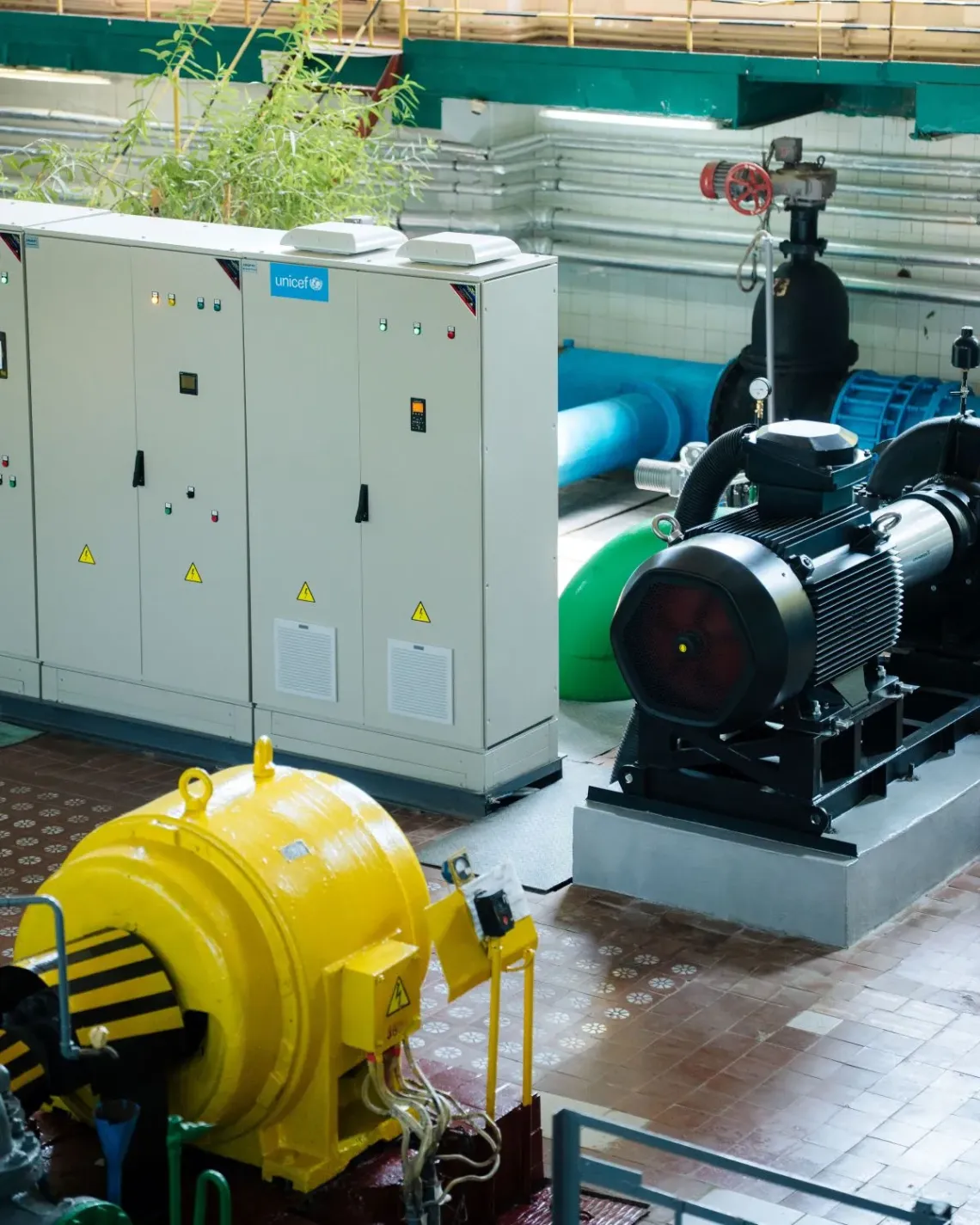

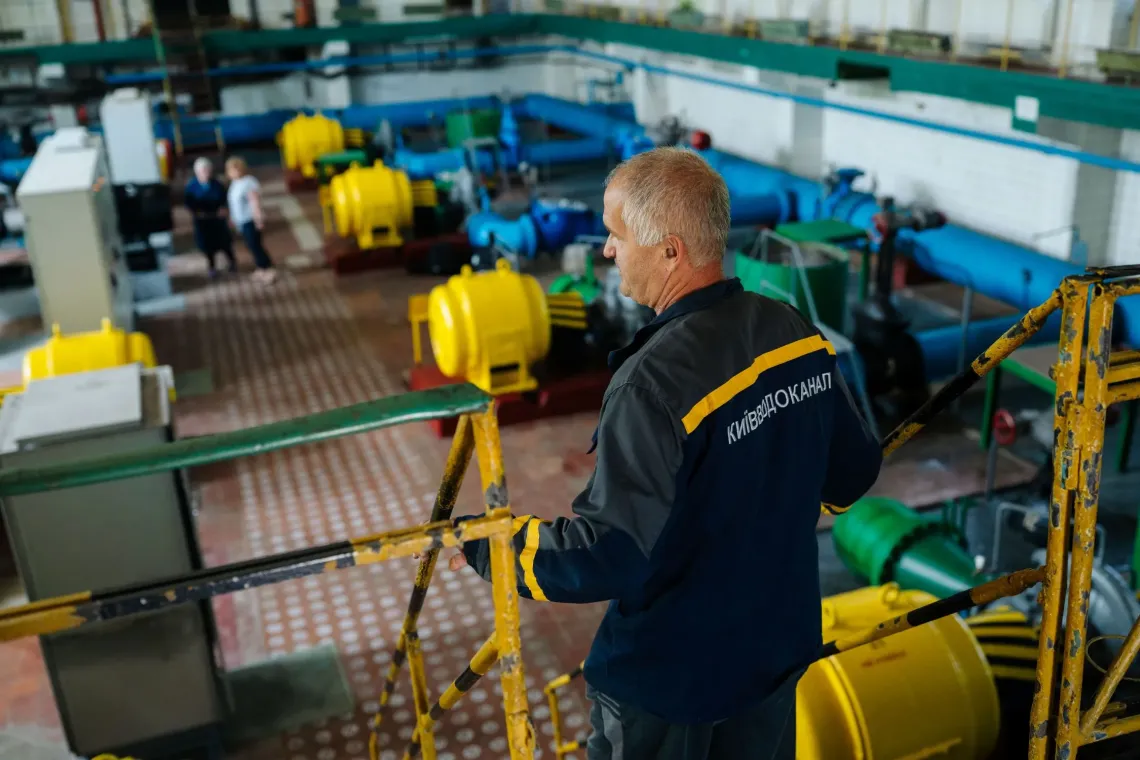
Liuba’s parents’ colleague Svitlana, who has worked at Kyivvodokanal for more than 20 years and heads one of the pumping station workshops, describes the facility as “morally and physically outdated,” noting that most of its equipment had not been upgraded since 1976.
With support from UNICEF and with the financial support of the German Government through the German Government's Federal Ministry for Economic Cooperation and Development (BMZ) through the KfW Development Bank, the facility received new pumping equipment and backup generators.
The new equipment is in service benefitting almost 3 mln people and operates automatically, responding to changes in network pressure, adjusting to residents’ needs, and starting and stopping smoothly. This allows operators to manage the system with more precision, save electricity, and reduce strain on the network.
But the war continues to test the system’s resilience. That is why backup capacity is just as important as modernization.
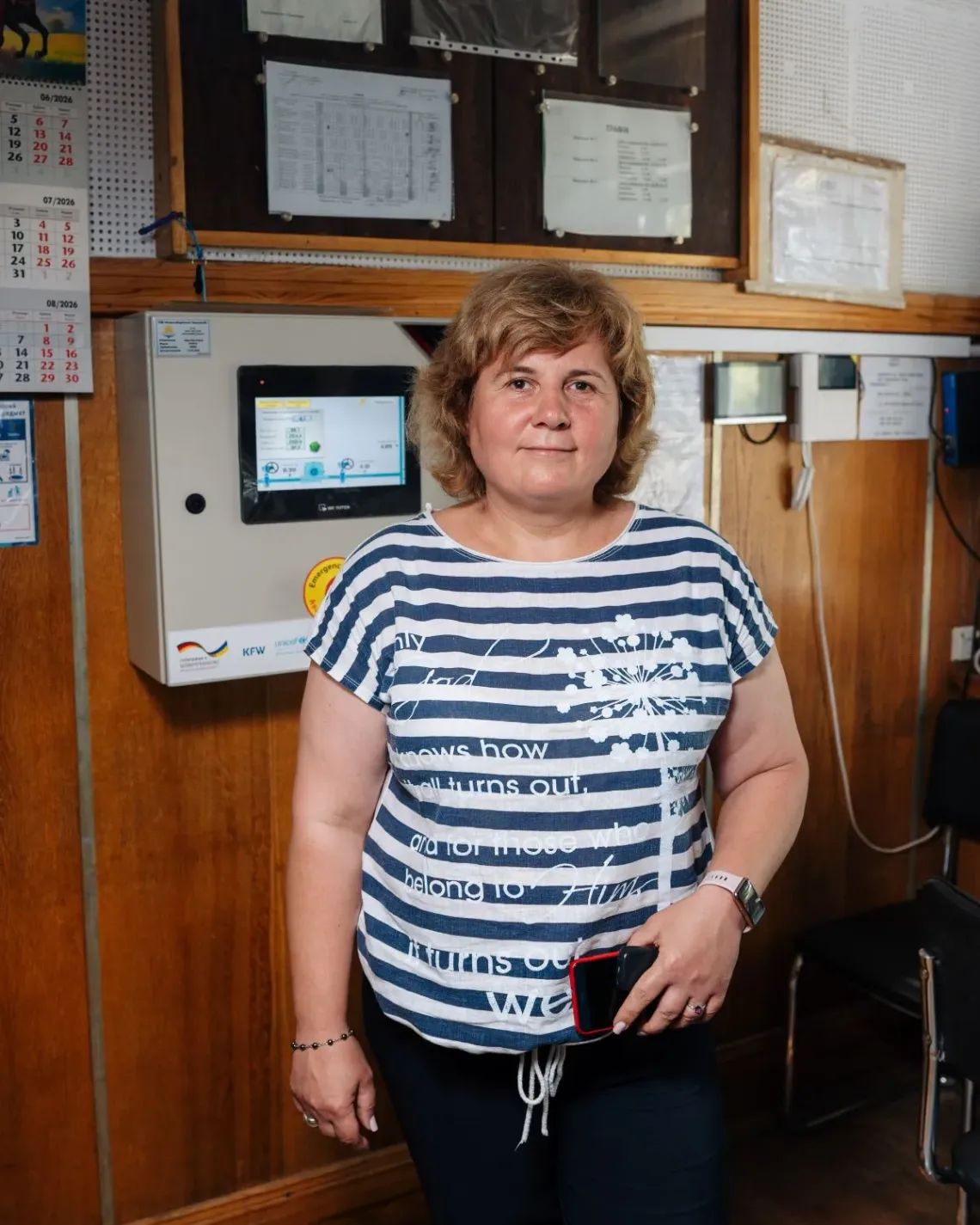
“Power outages, blackouts, voltage fluctuations, and the operation of equipment that depends on electricity are the challenges we face every day. If electricity is cut off, the generators start automatically, the station continues operating, and residents still have access to water.”
For a city, this is called energy resilience. For families, it is much simpler: they still have access to water in their homes.
The war has made visible something that is easy to take for granted in peacetime. A water supply system is not just a tap or a pipe. It is people, electricity, pumps, disinfection systems, laboratories, and dozens of interconnected processes that must work simultaneously. And even when water continues to flow, that alone is not enough. It must remain safe.
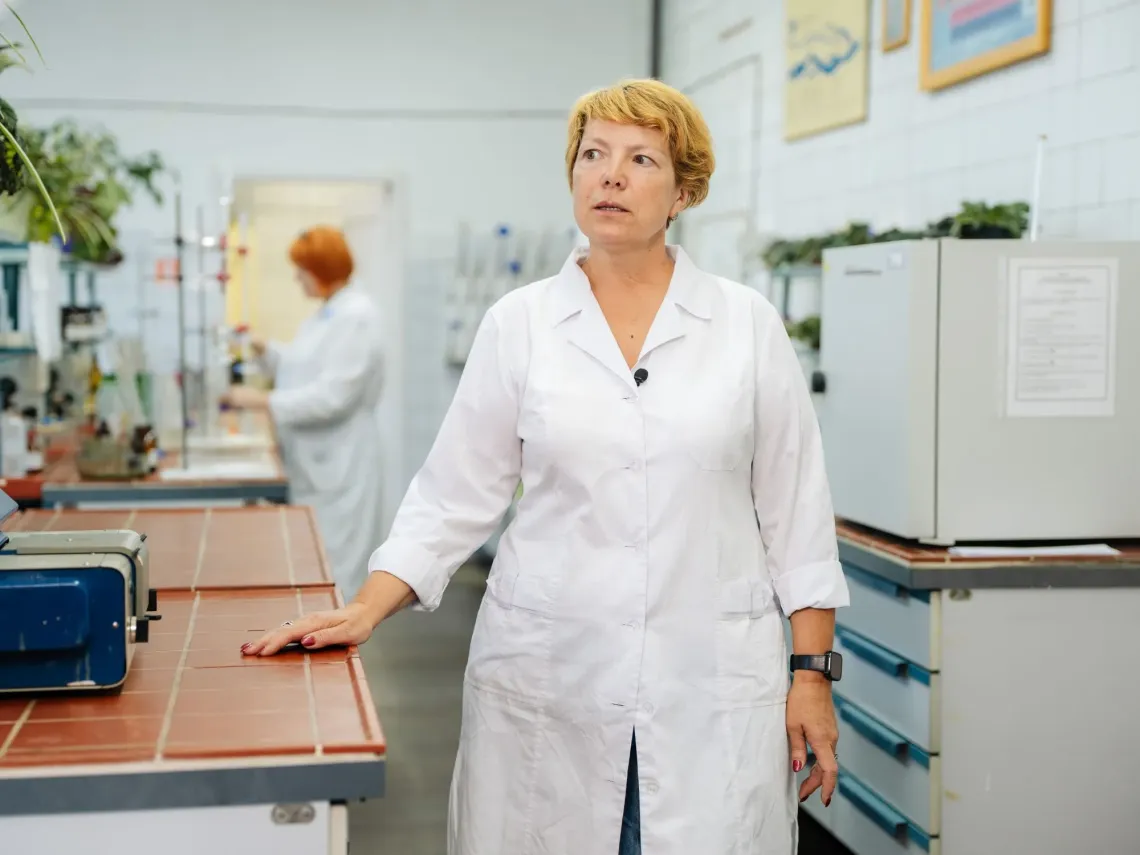
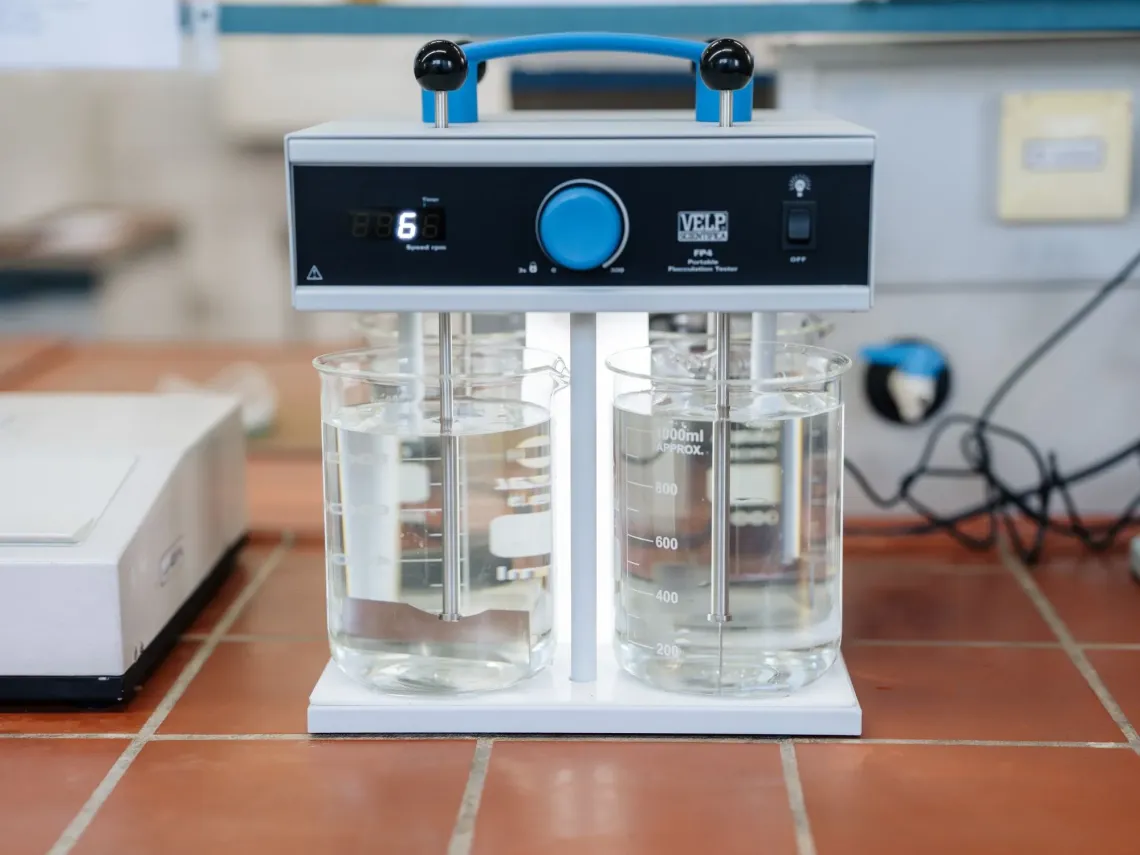
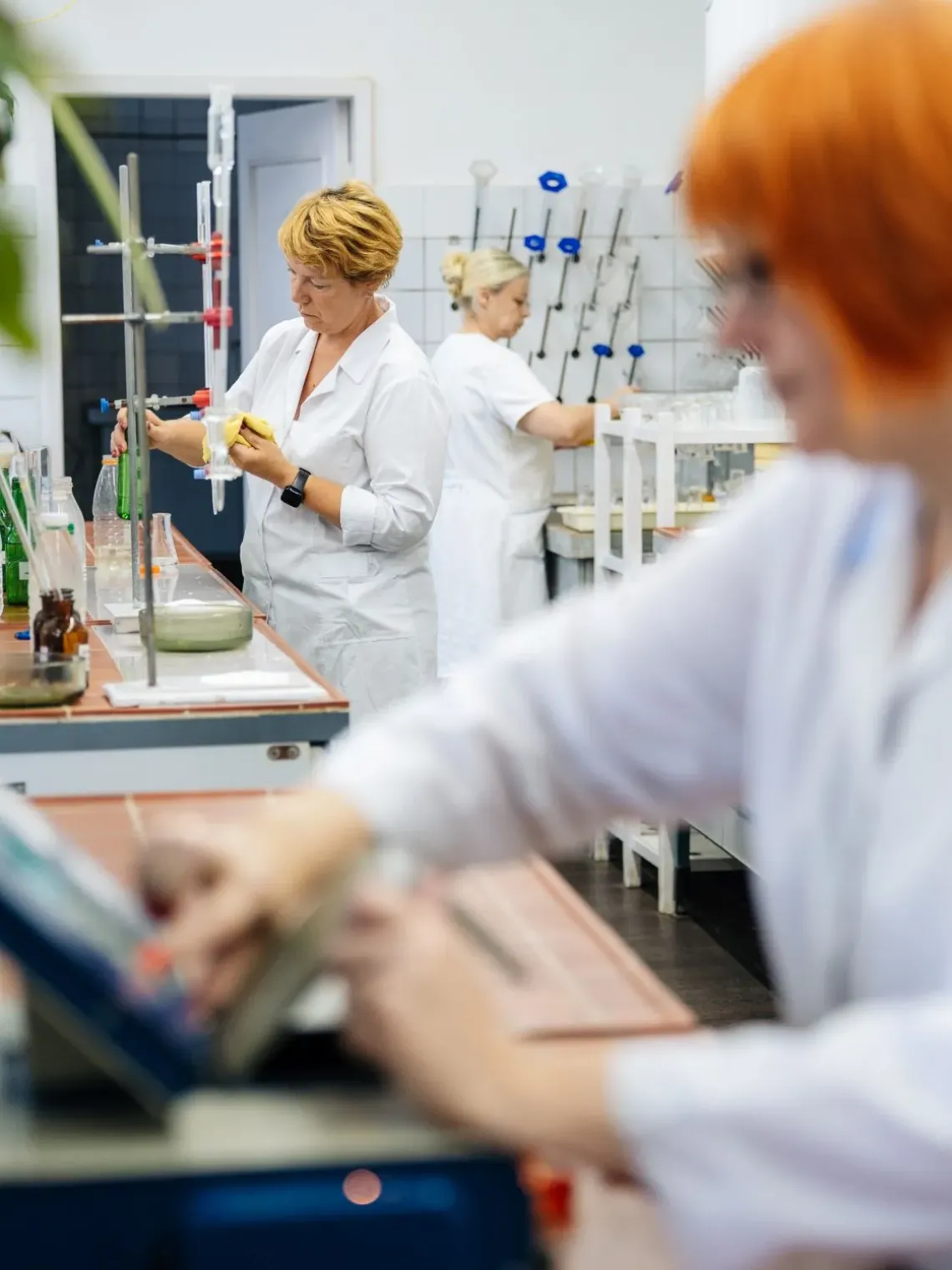
At the Desnianska Water Treatment Plant, which supplies a significant part of Kyiv, water quality is monitored around the clock at every stage of the treatment process. UNICEF has provided the facility with modern laboratory equipment, including pH meters, turbidity meters, dissolved oxygen meters, thermostats, and other instruments.
“Our daily work is focused on one main goal: providing people with high-quality and safe drinking water,” says Antonina, Liuba’s parents’ colleague who works in the plant’s chemical and biological laboratory.




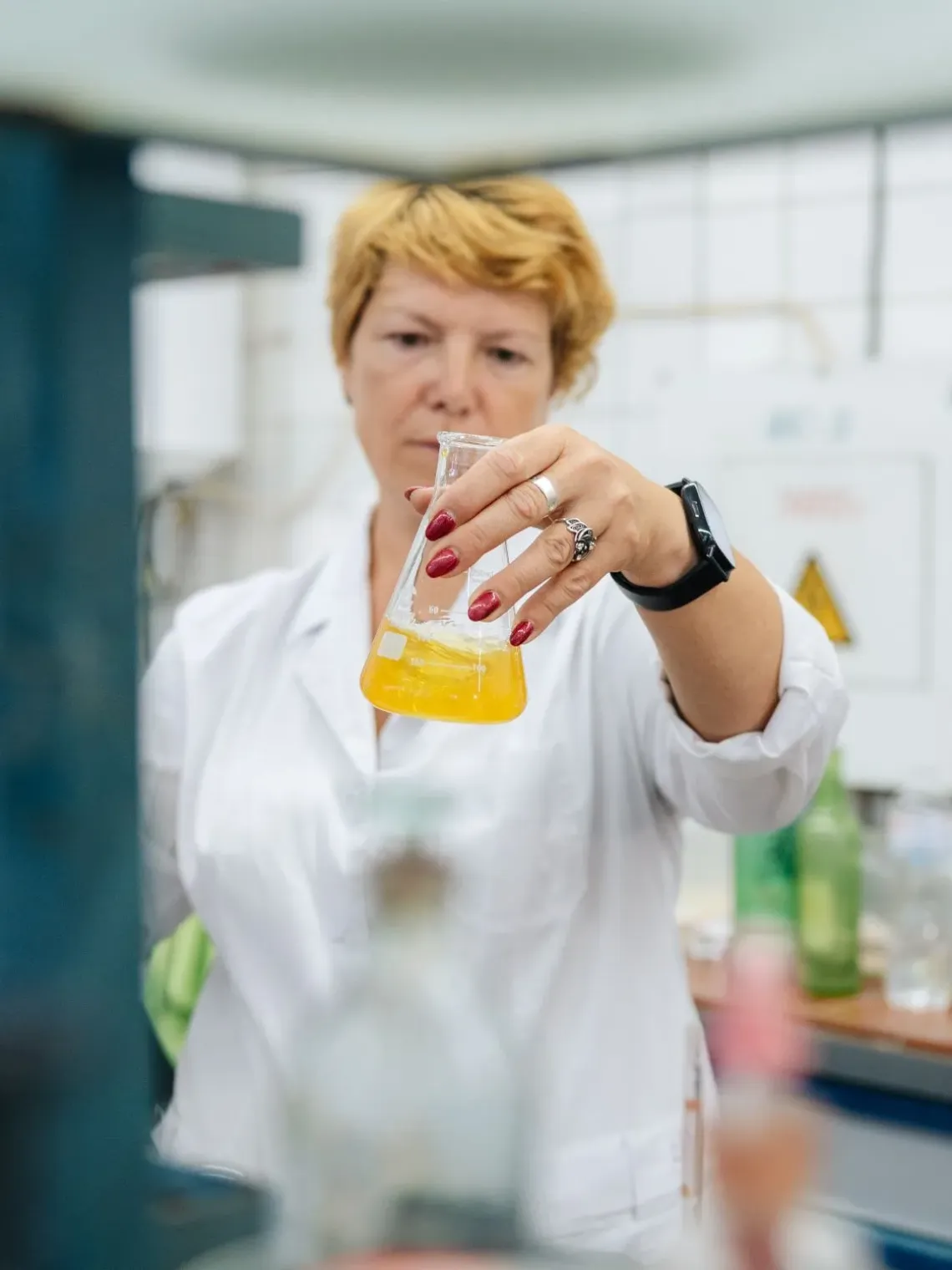
This is especially important for children. Water is essential not only for drinking but also for hygiene at home, as well as for the operation of school cafeterias, toilets, kindergartens, and healthcare facilities.
For Liuba, whose parents work in the water sector, all these complex systems ultimately come down to one simple truth:
“Water is vital to everyone. Always.”
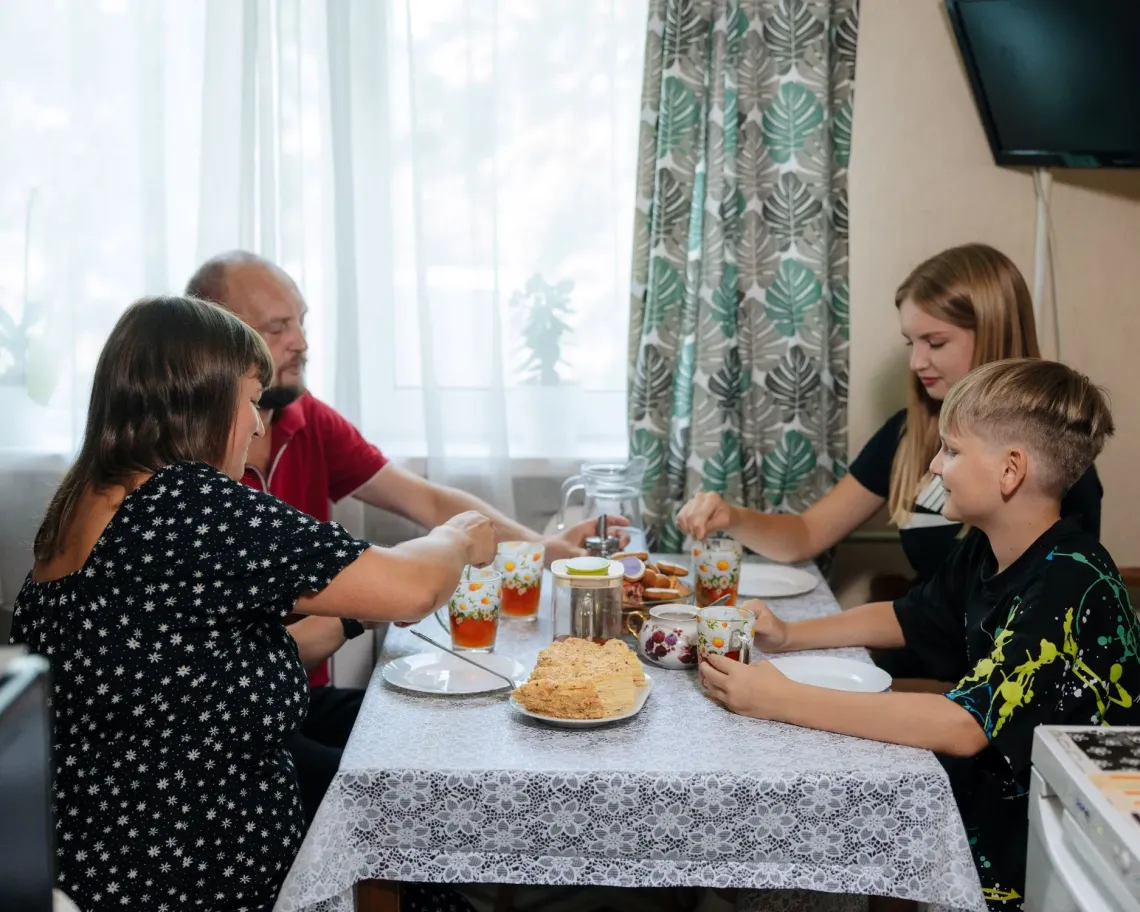
She hopes to travel widely and see different countries one day. But like millions of Ukrainian children, her greatest wish is for peaceful skies.
With financial support from the German Government through the Federal Ministry for Economic Cooperation and Development (BMZ) and KfW Development Bank, UNICEF is supporting the energy efficiency and resilience of essential services across Ukraine.
In the water sector, this support includes modernisation of pumping infrastructure, backup power solutions, water quality monitoring equipment and other measures that help utilities maintain service delivery during power disruptions and attacks on critical infrastructure.
In Kyiv, KfW-funded support is helping Kyivvodokanal strengthen the reliability, efficiency and resilience of key water supply facilities serving the capital's residents.