“I don’t want my son to go through such horrors.”
A mother and her two-year-old son evacuate from from hostilities in Donetsk region

- Українська
- English
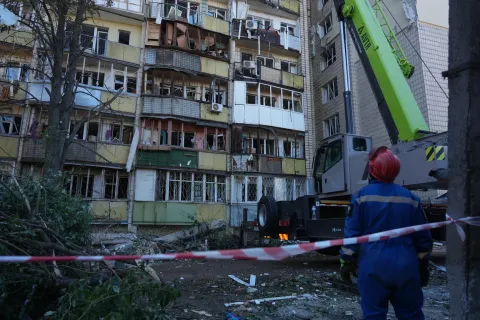
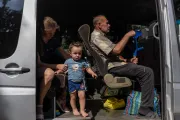
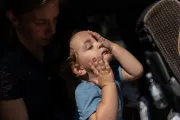
When a drone hit an apartment two floors below their home, Ruslana realised it was time to leave Kramatorsk with her son. Sitting in an evacuation coach with two-year-old Oleksii on her lap, she wipes away tears. Leaving her hometown and heading into the unknown is extremely hard. But the 27-year-old single mother believes she has made the right choice.
Shooting started happening more often, at night and during the day. You go to the shop and you no longer know if it’s safe. I’m an orphan myself, so I know what it’s like to grow up without a mother. And I just don’t want my son to have to go through that kind of horror.
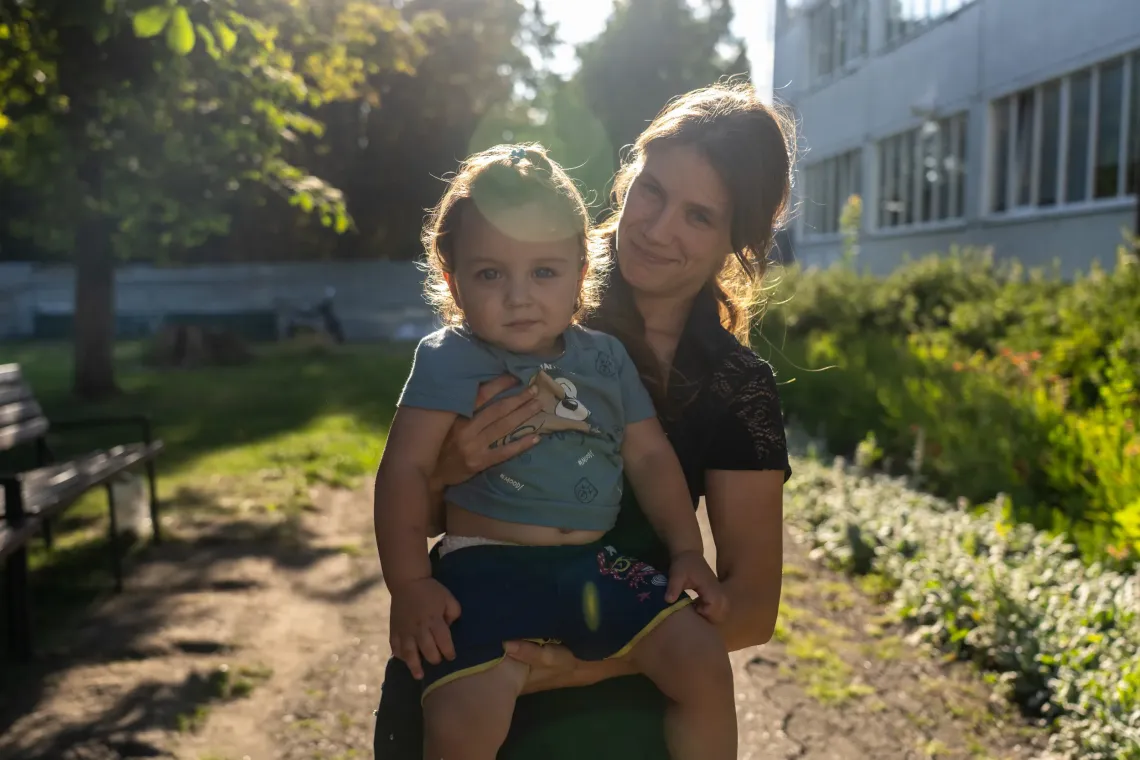
Blue‑eyed Oleksii plays with his favourite teddy, smiles and for now does not realize that they are going on a long journey.
Finding safety and calm
Kramatorsk increasingly resembles the set of a post‑apocalyptic film. Along the main streets, municipal workers have installed concrete triangles called “dragon’s teeth” and wrapping them with coils of barbed wire. Gaps in these barriers are left only for pedestrians going to public transport stops. Nets have been strung over the roads to protect vehicles and people from drone attacks. The front line is gradually drawing closer, and the region’s last large towns are more frequently coming under attack.
Despite this, people remain in the city. According to local authorities, more than 50,000 people still live in Kramatorsk, including nearly 4,000 children. But those figures are falling. Evacuation coaches are taking hundreds of people out of Donetsk region. Like Ruslana, they have decided not to wait for the war to come to their homes.
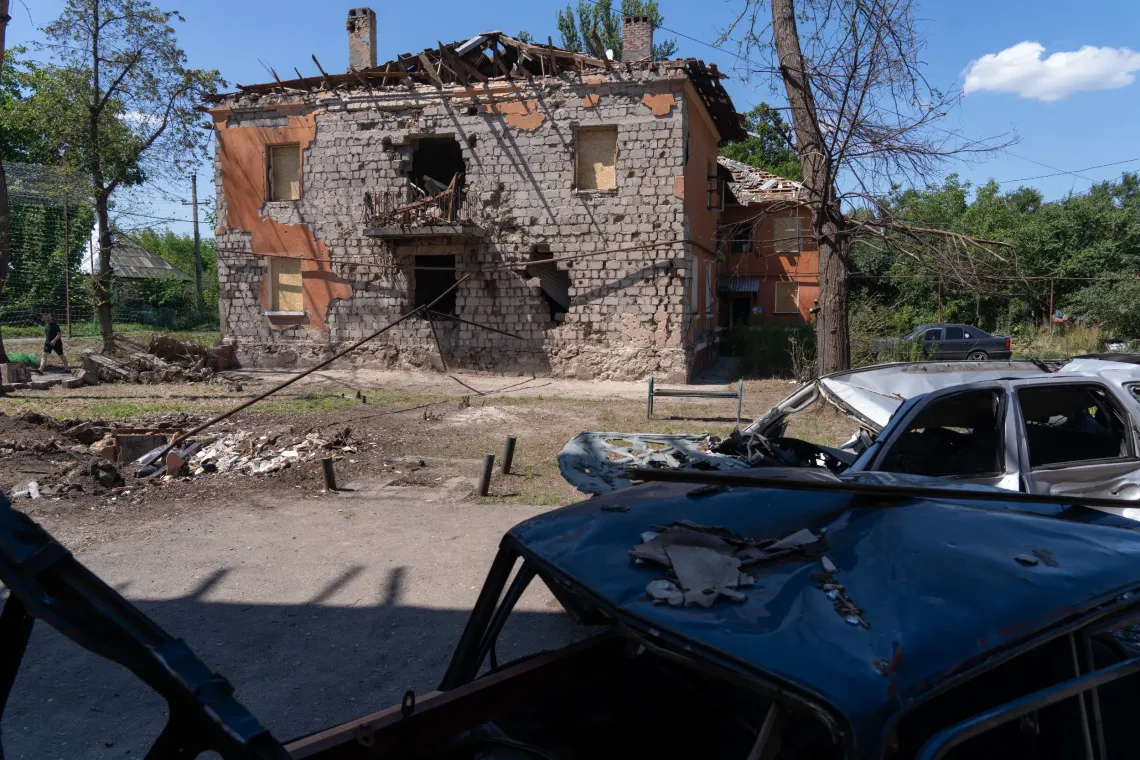
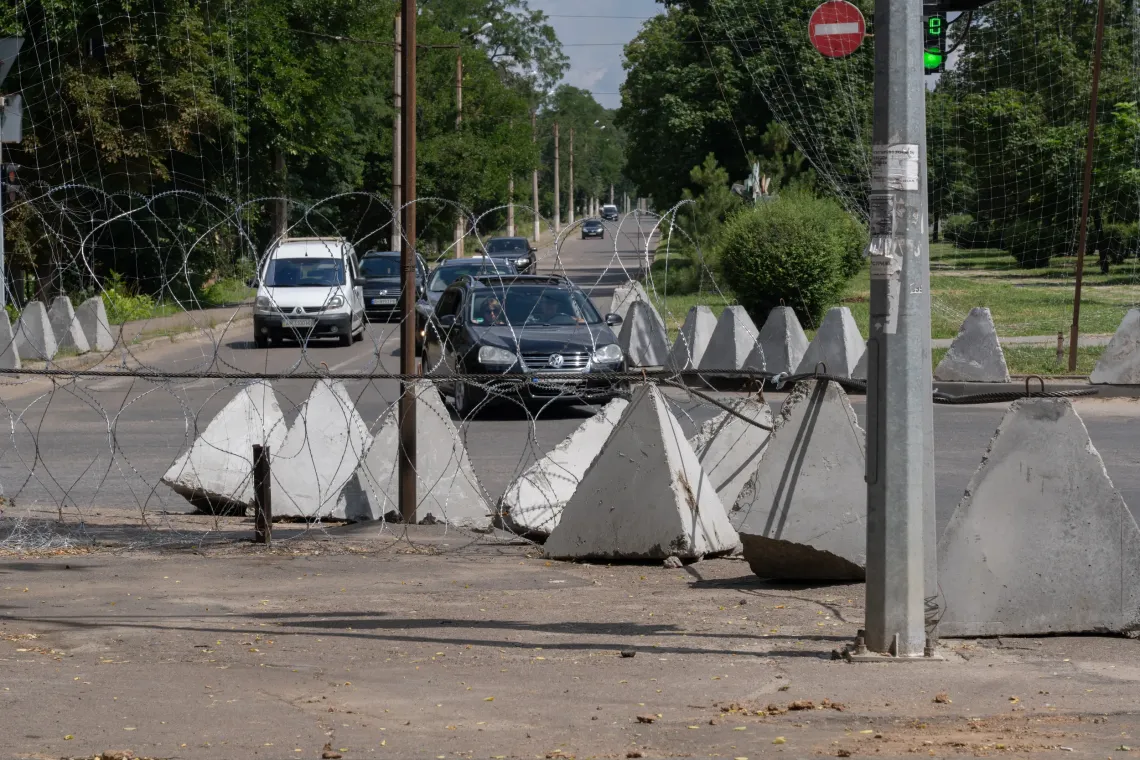
In some districts closer to the front line, the evacuation of children with their parents or caregivers has already been made mandatory by the government.
Our area hasn’t been ordered to evacuate yet, but I didn’t wait for that. Since spring I’ve felt the situation getting worse.
Ruslana for the past two months has been sleeping for only four or five hours because of nighttime shelling and fear for her son’s life.
The drone strike on their block was the last straw. Ruslana sold her old broken car for parts, packed their things, took her son in her arms, and went to the evacuation point.
Humanitarian organisations and volunteers are taking people from Kramatorsk to safer regions and to an evacuation train that leaves Lozova for Lviv every day.
I don’t know where we’re going. We have no relatives or friends who could take us in. I hope the volunteers will help us find a place that’s quiet and safe.


Starting over
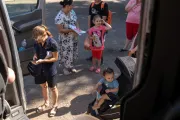
The coach fills with families with children, pensioners and pet carriers with plaintive mewing kittens, and sets off. Minutes after Ruslana and Oleksii leave, Kramatorsk is again hit by guided bombs and artillery. Black smoke rises over the city.
Leaving the frontline region, the evacuation coach passes through long tunnels of anti‑drone nets, passing the burned chassis of vehicles on the roadside. Little Oleksii dozes on his mother’s lap while she dreams of a better future for them both.
I’d really like to rent a house in a village so I could grow vegetables and herbs. So Oleksii could play outside, find friends and grow up safely
She worked as a pastry chef before her son was born.
At the transit centre in Lozova they are temporarily housed in a shared family room. Ruslana receives essential supplies and applies for multi‑purpose cash assistance from UNICEF.
The cash support helps families with children evacuating from frontline areas to cover their immediate needs after evacuation, such as rent, food, medicine and other basic expenses while families settle in a safer place.
I’m on maternity leave and I’m a single mother. I have no savings or steady income, so this help is very important to me. It will allow me to rent a place for us at first while I find work and arrange kindergarten for Oleksii.


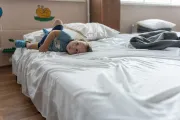
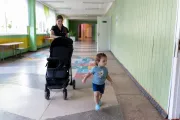
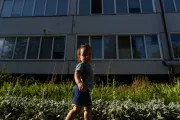
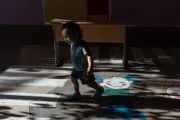
While she completes the paperwork, Oleksii excitedly jumps on the bed in the transit centre. Ruslana still doesn’t know where they will live tomorrow, but she hopes the next place they call home will be quiet and safe.