In frontline areas, access to safe water is a lifeline
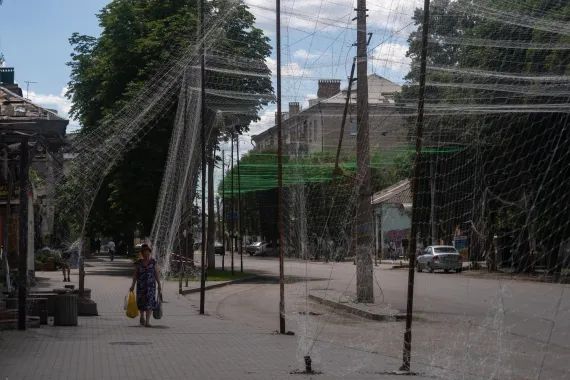
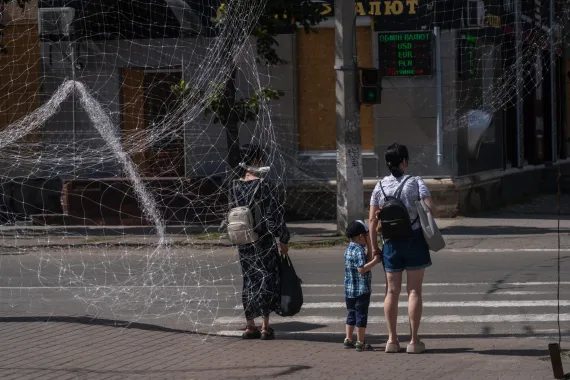
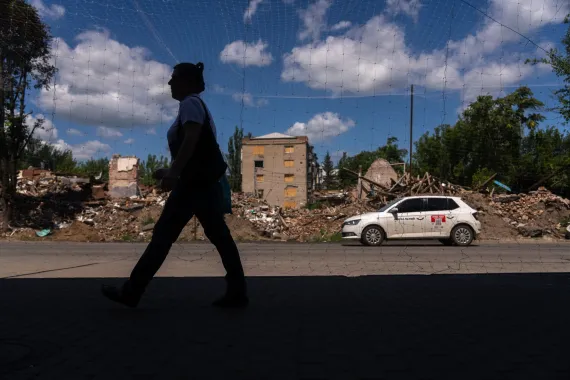
“In our town there are nets because drones fly along the roads. They hunt cars and buses, so they put up nets so drones won’t get onto the roads. The nets protect us,” Sashko explains.

- Українська
- English
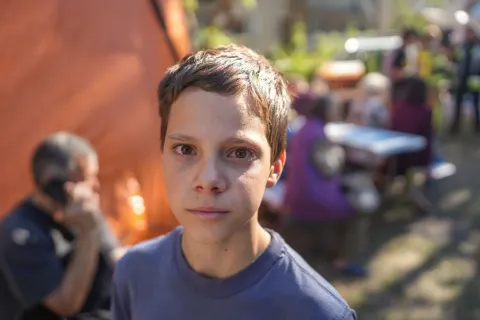
There was another overnight strike in Sloviansk, Donetsk region. By morning the tap barely ran. Nine‑year‑old Sashko habitually picks up a five‑litre plastic bottle to help his mother collect water at the city distribution point. The family walks along a corridor of anti‑drone nets stretched over nearly every street.
“In our town there are nets because drones fly along the roads. They hunt cars and buses, so they put up nets so drones won’t get onto the roads. The nets protect us,” Sashko explains. This is just one of the realities of living in wartime as a child..
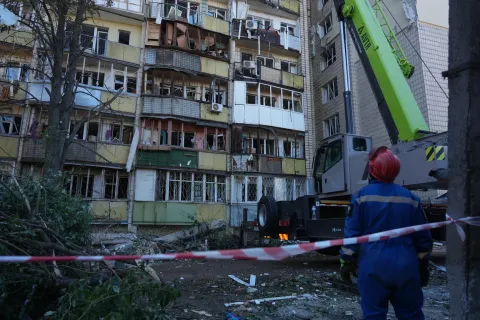
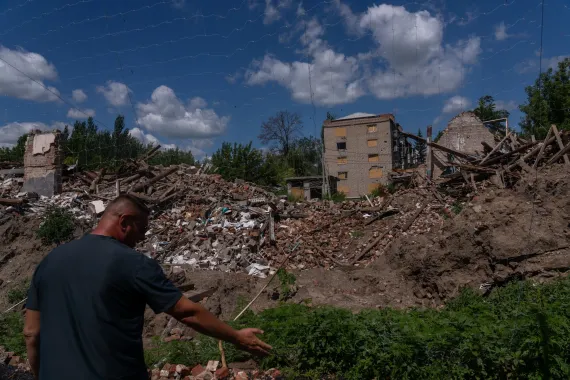
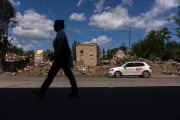
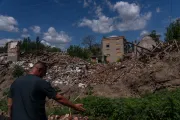
The front line has drawn to within 10–15 kilometres of Sloviansk during the summer. For children in the city, that means sleepless nights, unreliable water supply, intermittent power and phone service, limited medical care, and fewer summer activities.
“It’s hardest to see our hometown fall apart and people I’ve known all my life leave. We’re staying for our elderly relatives and animals, but I see the war stealing my sons’ childhoods. They spend most of their time at home and hardly see friends”
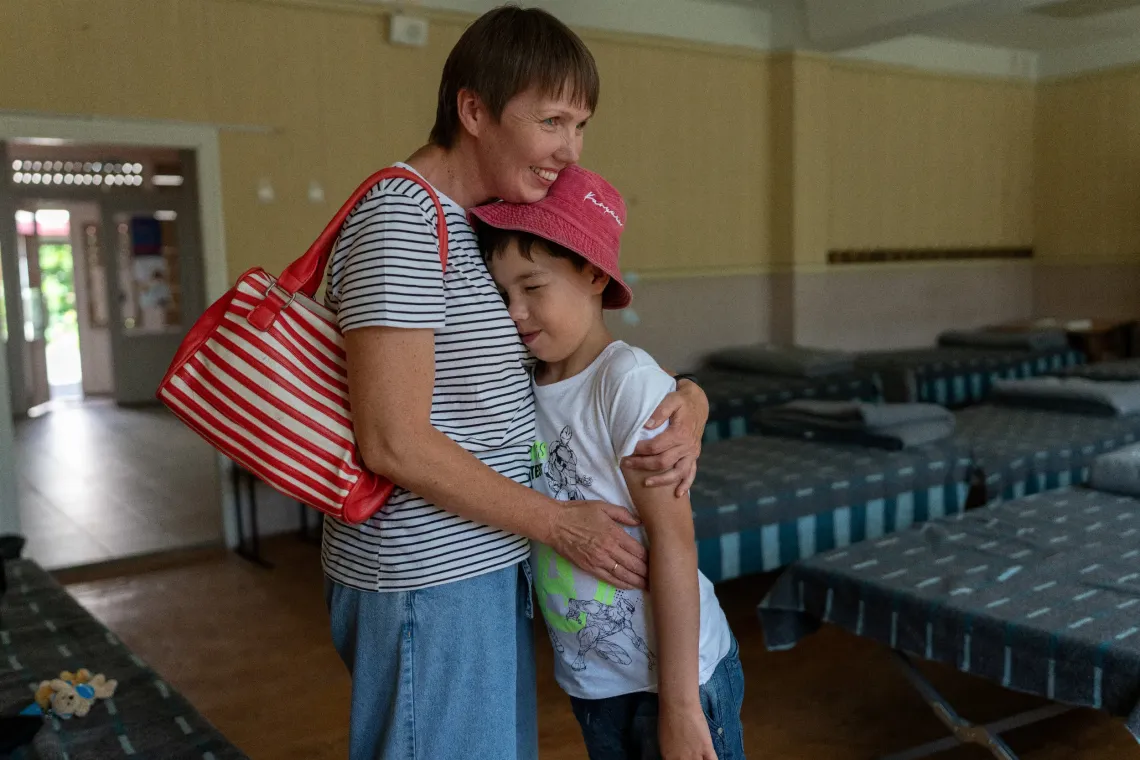
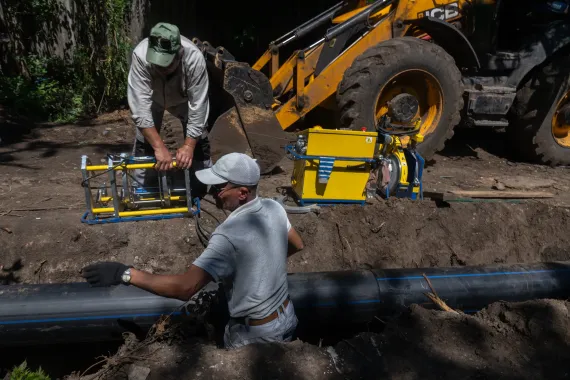
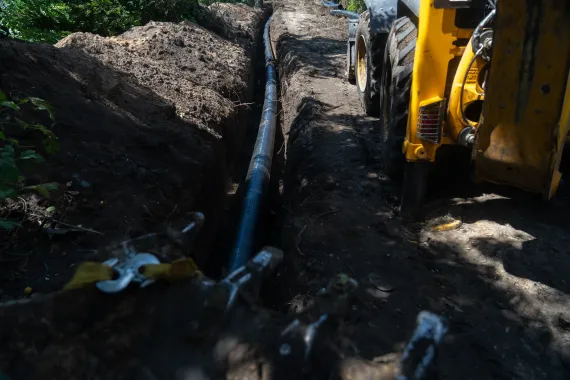
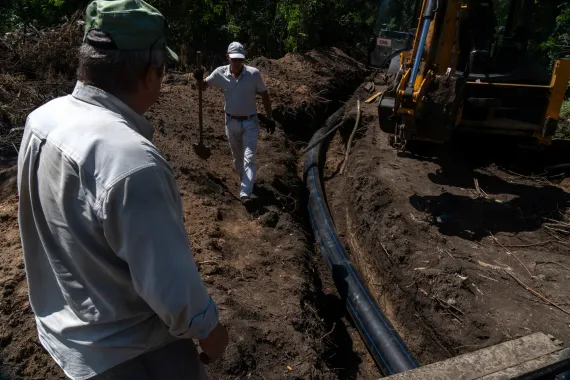
Despite shelling and scorching heat, municipal teams are working to keep water flowing in people’s homes. With UNICEF support, a new main is being built that should substantially improve the water supply. Two other mains that serve the city are repeatedly damaged and need repairs.
When the supply is cut, Sashko helps fetch water either from a private well or, as today, from a Resilience Hub, where large blue tanks supplied under a programme by UNICEF and the city’s water utility are regularly filled with clean drinking water.
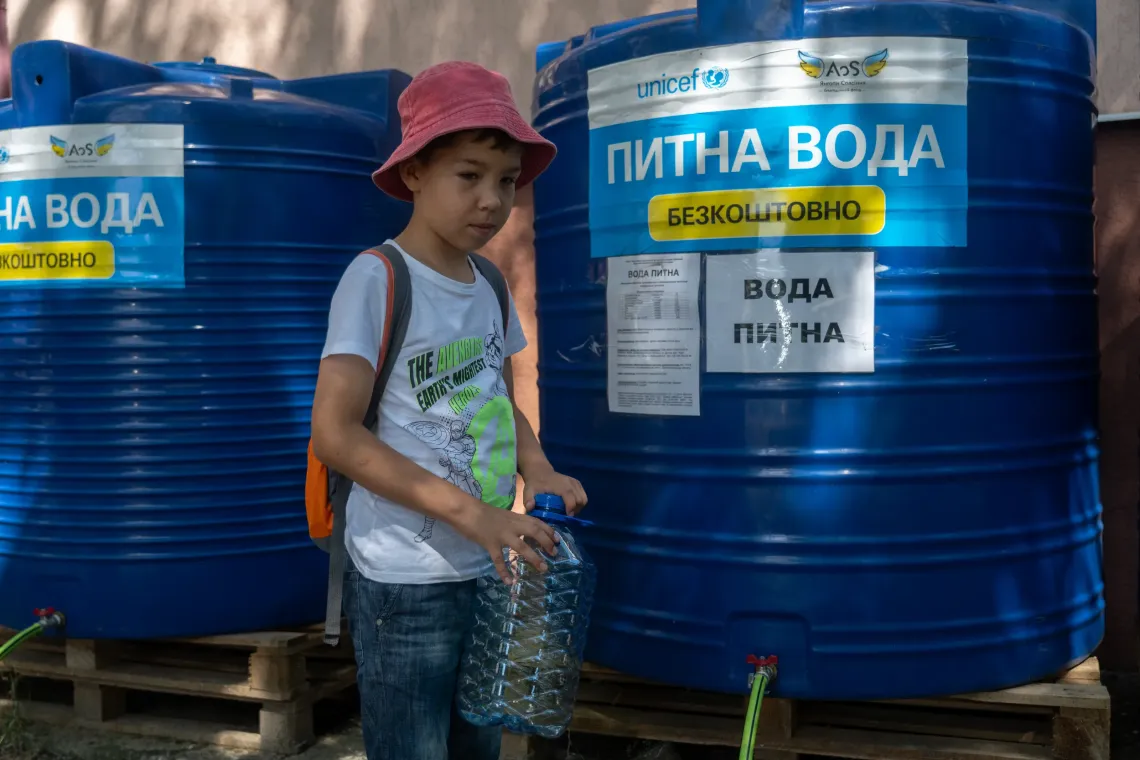
My brother and I split chores: I bring the water, he washes the dishes. Mum heats water and hand‑washes clothes in a tub when there’s no power”
The family recently moved from a fifth‑floor flat to a single-detached house to reduce the risk of a building collapse during an attack, and give the boys more space and contact with their pets. Sashko misses the local lakes at Slovkurort, an old mud spa now closed to visitors.
“I used to draw the lakes with their beautiful blue water. Once we were on the beach and drones came. We hid behind a house and ran home when it was safe”
“The situation is getting worse; there are more strikes and increasing drone incursions”
He adds that around 39,000 people remain in the community, including 3,000 children. Some districts have been affected by mandatory evacuations of children with their parents or caregivers, yet essential services such as hospitals, banks and utilities continue to operate.
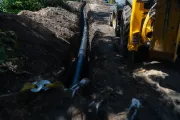
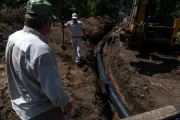
On the town outskirts, construction crews are digging trenches and laying pipes for an alternative water intake so families like Sashko’s will face fewer water shortages.
“So long as people remain here, Sloviansk will live. But that requires water and power”
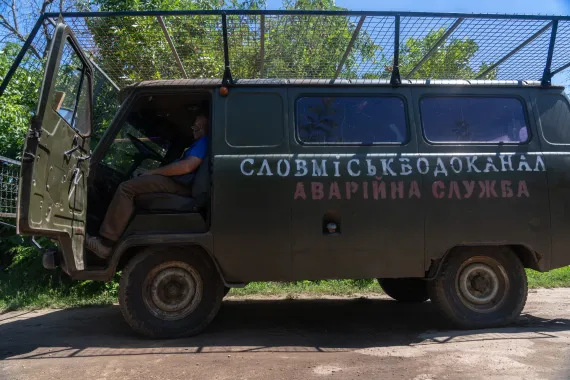
Some equipment has been wrapped in metal mesh to protect them from drone attacks.
Back home, Sashko first fills water bowls for his pets. He takes care of a parrot, a big dog and three cats. He also dreams of becoming an astronaut. Maria worries about the prospect of evacuation: uprooting her children and leaving work, their home, elderly relatives, and pets would be terribly hard. For now, her fervent desire is for the war to not to steal her sons’ childhoods or their home.
UNICEF is helping rehabilitate and improve water supply systems in frontline areas with the support of partners such as the European Union, governments of the United Kingdom and the United States of America, and in partnership with local authorities and water utilities. This helps ensure and safeguard children’s right to safe water and sanitation.