Child casualties in Ukraine reach highest level in almost four years – UNICEF
As families prepare to face winter, verified attacks on energy infrastructure have reached unprecedented levels since the start of the full-scale war
- Українська
- English
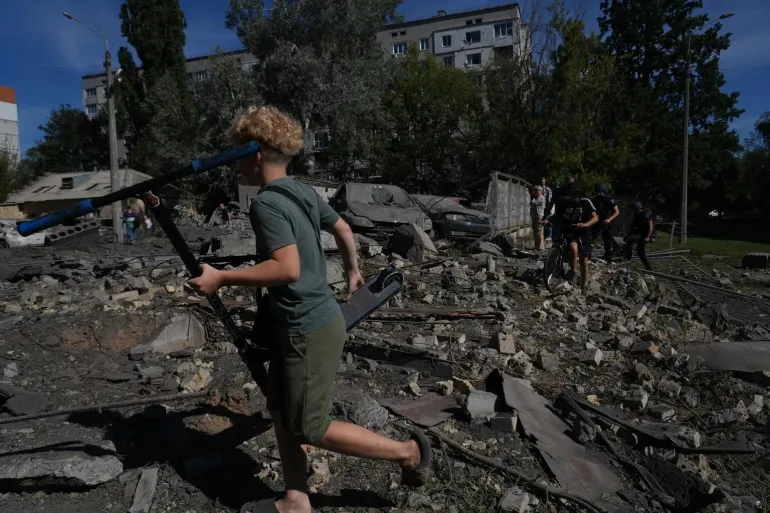
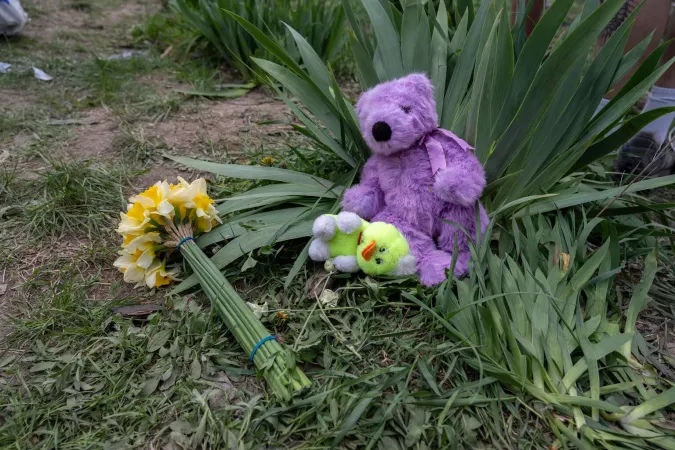
KYIV, 20 November 2026 – At least 1,144 children have been killed or injured in Ukraine in the first ten months of 2026, a higher number of verified child casualties than in any of the past three years. According to the Human Rights Monitoring Mission for Ukraine (HRMMU), at least 114 children have been killed and 1,030 injured between January and October this year. That is an average of more than three children killed or injured every single day. Overnight, large-scale attacks were reported in Kyiv and several other parts of the country, killing and injuring civilians as well as damaging critical infrastructure.
Last month alone, at least 146 children were killed or injured across Ukraine, a 150 per cent increase when compared to the same period last year. These latest figures reflect an alarming escalation in violence affecting children in Ukraine. Attacks involving missiles and armed drones continue to put children and families at risk in their homes, schools, and communities, including far from the frontline.
With two months remaining in the year, the number of children killed in Ukraine in 2026 has already exceeded the total for 2025 by more than 20 per cent, while the number of children injured has risen by almost 60 per cent.
“Children have been paying an unacceptable price for this war for too long. Every child killed is a life and future lost, and every child injured may face lasting physical and psychological consequences. Children must be protected, wherever they are,” said UNICEF Representative in Ukraine, Anne-Claire Dufay. “Today is World Children’s Day, when we should be celebrating children’s rights. But in Ukraine they continue to live in fear in their homes, neighborhoods, and places where they should feel safe.”
Deadly attacks against civilians have indeed continued into this month. On 2 November, a strike on a school compound in Southeastern Ukraine, including an underground shelter where humanitarian assistance was being distributed, reportedly killed 72 people, with four others still missing. On 13 November, a 17-year-old boy was reportedly killed and eight other children injured in attacks on Zaporizhzhia city, underscoring the continued threat to children’s lives and safety.
In addition, verified attacks on energy infrastructure in 2026 are at their highest level since the start of the full-scale war, with 78 per cent more attacks already verified than in all of 2025. Scheduled outages are now in force across most regions, lasting between 4 and 18 hours, with power cuts exceeding 12 hours in early November, as heating and power plants continue to be heavily damaged.
When power is cut, water supplies to homes, schools, and health facilities can also be disrupted, leaving children without safe water for drinking and hygiene and increasing the risk of disease. Last winter, nearly two million children were left without heat, electricity, and water as temperatures fell below minus 20°C.
UNICEF is supporting district energy projects to maintain heating for around three million people in the hardest-hit municipalities. With partners, UNICEF is installing alternative power sources in health facilities to keep essential maternal and child health services running, and solar power at critical water supply sites serving around 2.5 million people.
With the Ministry of Social Policy, UNICEF is also providing winter cash assistance to more than 100,000 households in frontline regions. UNICEF and partners are also repairing damaged education facilities, rehabilitating school shelters, and providing learning, mental health, and psychosocial support to children, young people, and families.
Despite all efforts, too many children in Ukraine continue to be at the sharp end of unrelenting war. UNICEF calls for the protection of civilians, including children, and the infrastructure they depend on, including energy, heating, and water systems, in accordance with international humanitarian law. Safe and unimpeded humanitarian access across Ukraine, including occupied territories, remains critical.
Media contacts
Additional resources
About UNICEF
UNICEF, the United Nations agency for children, works to protect the rights of every child, everywhere, especially the most disadvantaged children and in the toughest places to reach. Across more than 190 countries and territories, we do whatever it takes to help children survive, thrive, and fulfil their potential.
Follow UNICEF on X, Facebook, Instagram and YouTube