

Four years of full-scale war in Ukraine
12 years of war for every child across the east
- Українська
- English
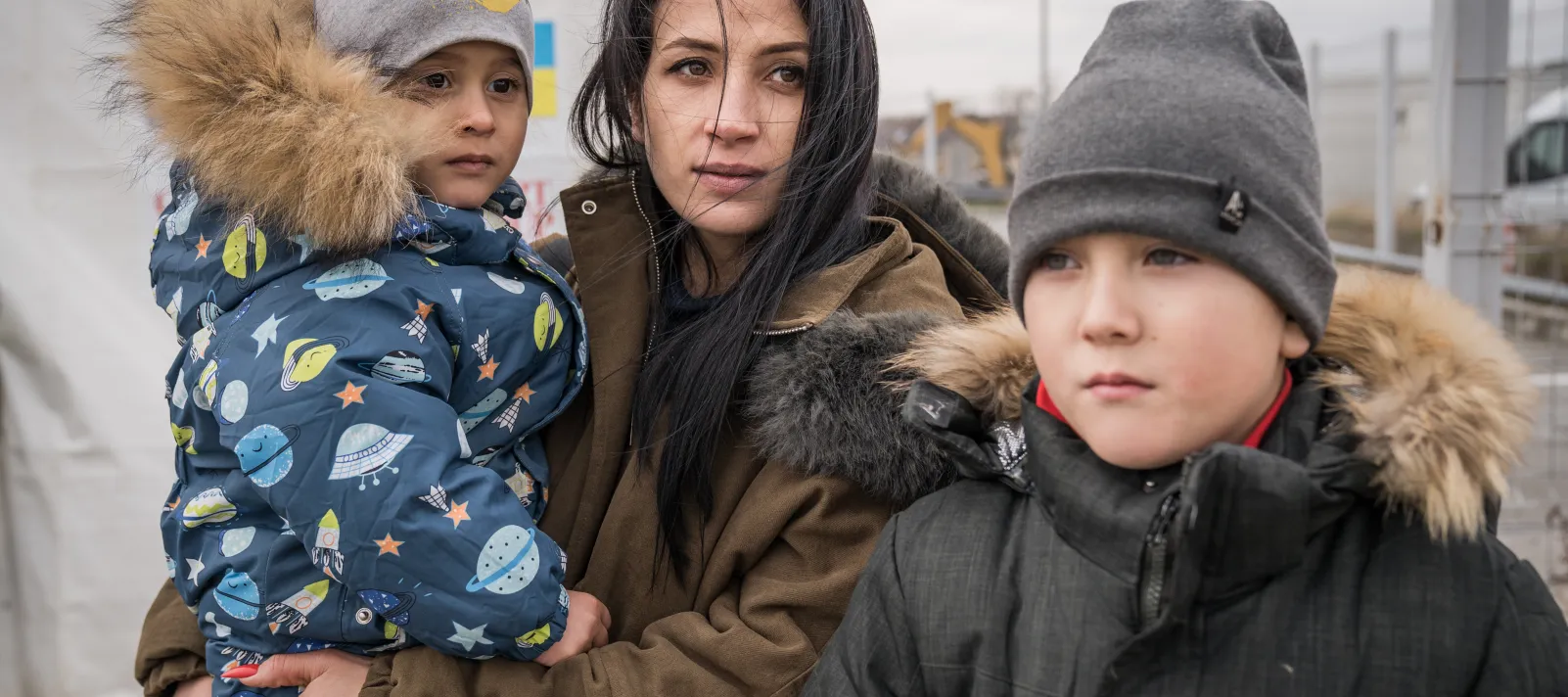
Four years ago, the lives of every child in Ukraine changed forever overnight. One day at home, in class and playing with friends. The next, hiding in shelters, fleeing their homes and in shock. For children already displaced by the now 12 years of war across the east, their childhoods were once again upended.
Since 24 February 2022, more than 3,200 children have been killed or injured and there has been no respite. In 2025, child casualties tragically increased by 10 per cent compared to 2024, in part a result of intensified long-range strikes affecting urban areas and civilian infrastructure. This is the third consecutive year that UN-verified child casualties have increased.
One-third of Ukraine’s children – 2,589,900 – remain displaced as the war in Ukraine enters its fifth year. This includes more than 791,000 children inside Ukraine and nearly 1,798,900 children living as refugees outside the country.
A recent survey conducted by UNICEF found that of those displaced, 1 in 3 children, aged 15-19 years, reported moving at least twice. Safety was cited as the most common reason for fleeing. Half of respondents noted seeking better access to education and skills development as strong drivers for moving home.
For children displaced inside Ukraine, the war has followed them, as attacks continue to hit major cities across the country and devastate the services children rely on.
Incessant strikes on energy infrastructure in winter have resulted in power, heating, and water cuts. Families are struggling to cope amid extreme sub-zero temperatures.
This latest emergency within a crisis is sadly just the latest challenge for children and young people who continue to be shaped by the raging and protracted war and deepening humanitarian needs, impacting their physical and mental wellbeing and outlook.
Four adolescents. Four years. One class.
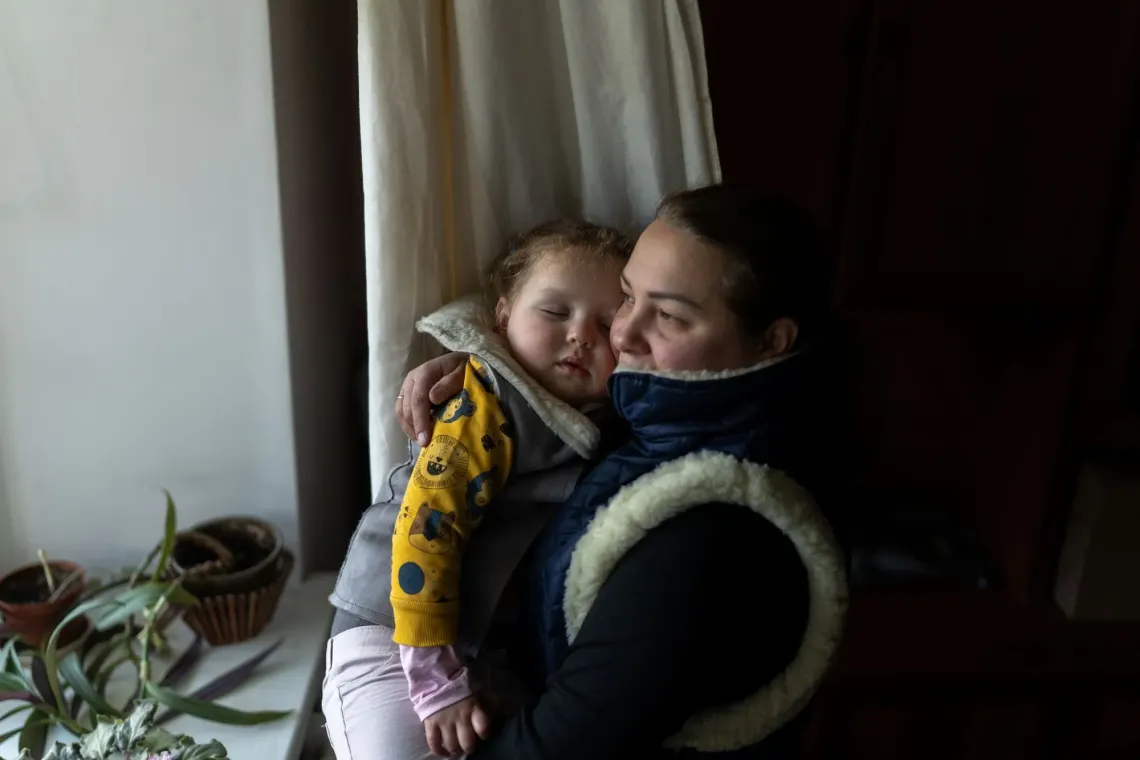
The lives of four teenagers and their classmates at a school in Zlatopil, Kharkiv region, changed forever on 24 February 2022. Over four years of war, their lives, friendships, and education have been disrupted and reshaped in different ways.
Adolescence is a critical period for laying the foundation for lifelong wellbeing, resilience, building meaningful relationships, and the ability to thrive. Yet a survey in 2025 revealed that almost one-third of teenagers reported feeling so sad or hopeless that it stopped them from doing their usual activities, sentiments which are much more common among girls.
A recent UNICEF poll found that one in four adolescents are losing hope of realizing their full potential in Ukraine. A further 40 per cent are unsure, reiterating the urgent need to prioritize and invest today in Ukraine’s children and young people for their futures and that of the country.
The situation demands a sustained and urgent response. Investing in children and young people is investing in Ukraine's future.
“The war took so much from my family. My plans, our sense of safety, our home as it used to be – all of that stayed in the past. But I don’t let darkness take over. My creativity, music and my friends help me resist it. And my dream keeps me going – to help people and make life a little easier in these difficult times.”

UNICEF's humanitarian response
UNICEF continues to work with government and local partners to protect the rights of children, adolescents, and youth and support their wellbeing and development. This work is urgent and non-negotiable to protect and improve young lives today, for their futures, and that of the country.
In 2025, UNICEF's response reached:
- 7 million people, including 2.5 million children, with humanitarian assistance
- 425,900 children and caregivers with access to primary health care
- 546,900 children, adolescents and caregivers with access to mental health and psychosocial support
- 311,100 children with formal or non-formal education opportunities, including early learning
- 4.3 million people with access to safe drinking water
- 216,600 people from 66,554 households with humanitarian cash transfers
UNICEF’s humanitarian response is complemented by its large-scale recovery programme, working with partners to strengthen systems and drive a child- and youth-centred recovery, which engages children and young people, and meets their needs through inclusive and quality local community-based services.