

UNICEF launches "Better Care for Every Child" program
Building a system of safe and nurturing care for all children in Ukraine
- Українська
- English
Our Mission
Children are one of the most vulnerable groups of the population. And they need special attention in the context of the humanitarian crisis that Ukraine is experiencing. As a result of the war, many have been displaced, separated from their families or orphaned.
Every child in the country should be able to enjoy all their rights. The UN Convention on the Rights of the Child emphasizes that any child, regardless of his or her age, gender, health, disability, life experience, family, cultural or ethnic origin, has the right to have his or her best interests safeguarded. And it is primarily the parents and family environment that are able to take proper care of the child's individual needs.
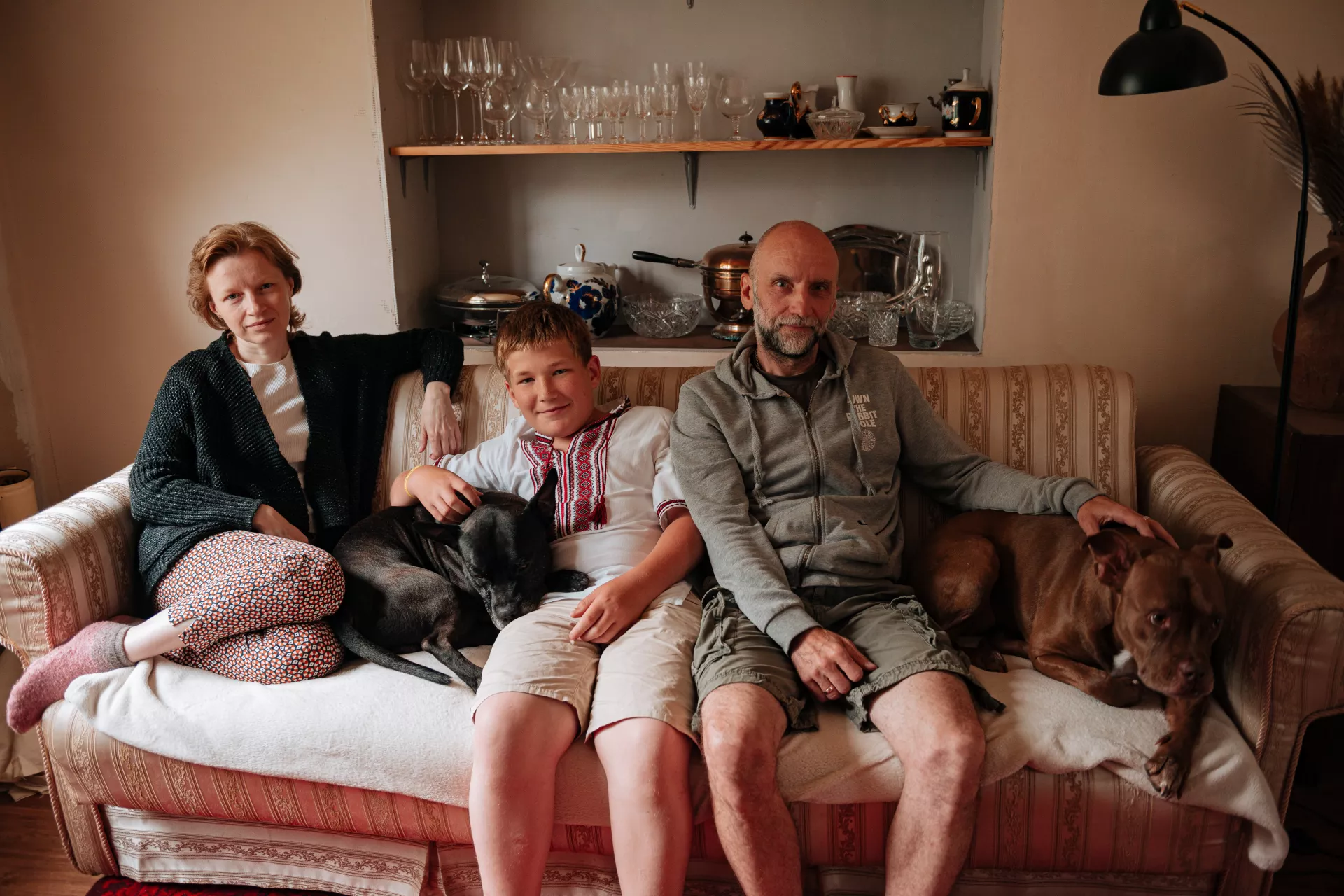
Families are different: large, small, biological, or alternative. Each family is unique, but it is the best environment for a child's harmonious development.
We strive to ensure that every child has a family atmosphere of care, love, and understanding. This is the focus of the "Best Care for Every Child" program developed by the United Nations Children's Fund (UNICEF) to ensure the best interests of every child in Ukraine. The program's activities are focused on the following three areas.
Thee Pillars of the Program

1. Supporting families through the development of integrated social services and benefits, and strengthening the social service workforce.
According to Article 9 of the UN Convention on the Rights of the Child, all efforts of society should aim for child to be brought up in his or her own family. Children should not be separated from their parents unless it is in their best interests(for example, there is a risk to the child's life and health if they remain in the family). In order to preserve the integrity of biological families and prevent unnecessary separation of parents and children, UNICEF supports government and non-government partners in developing a system of integrated social services and benefits, and strengthening the social service workforce. A sufficient number of specialists and their qualifications are important conditions.
Children separate from their families for numerous reasons, and families who are at risk of separation require special attention. Measures, such as financial support, social services, psychosocial assistance, early childhood intervention, inclusive education, crisis intervention, medical and rehabilitation services, etc. can help to mitigate the risks that contribute to family separation.
2. Development of various forms of family-based alternative care.
If the circumstances are such that a child is removed from his or her biological family, it is important to ensure appropriate family care for him or her. To ensure that every child finds a family, UNICEF helps partners to develop various family-based forms of care. These include:
- Family guardianship and foster care;
- Foster families;
- Family-type children's homes;
- Specialized foster care.
As well as child foster care services.
3. Transformation of institutional care facilities.
Ukraine has the large number of children in institutional care facilities (boarding schools, baby homes, children’s homes, etc.).
To prevent children from entering institutional care, it is important to make the necessary changes to the legal framework. It is also important to safely reintegrate children already in institutional care into family care. edirecting funding for institutions to support family-based forms of upbringing and care, will look at developing non-residential models of social, medical, educational and other necessary services, and support social workers and other professionals who provide quality care and development for children at the community level.
UNICEF Strategies to Achieve the Goals

- Piloting and scaling up initiatives. To prevent the unnecessary separation of children and their families, increase the quantity and quality of family-based alternative care, and transform children’s institutions to improve child care, we use the experience of implementing projects in pilot regions, focus on international best practices and adapt them to the Ukrainian context. The focus is on identifying and meeting the needs of families and children who need additional support, including essential services, safe housing, nutrition, inclusive education, and the promotion of positive parenting practices. The pilot project will help develop an evidence-based and comprehensive approach to reforming the care system that can be scaled up across Ukraine.
- Advocacy and public awareness campaign: overcoming negative social stereotypes that family care for children with disabilities is a challenge; positioning social workers as valuable professionals; explaining in an accessible way what social services and various family-based forms of care are.
- Support the government in reviewing the roles, functions and funding of all levels of government in Ukraine.
- Support the creation of mechanisms for monitoring results.
Adults are responsible for the well-being and development of children. The government is able to consolidate the efforts of all partners, including UNICEF, to ensure better care and family environment for every child in Ukraine. Let's work together to create a decent future.