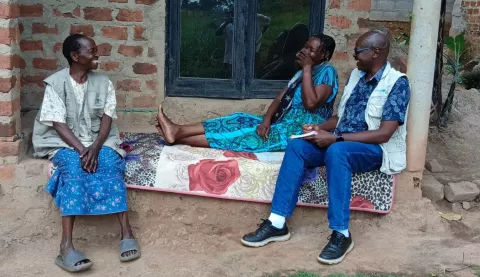
Traditional Healers, key allies in promoting positive social and behaviour change in communities
UNICEF facilitated training for 220 individuals, focusing on providing them with basic facts about EVD and emphasizing their role in Infection Prevention Control measures
When Ebola struck Uganda in September 2022, causing panic and fear among the population, a powerful alliance formed to curb the spread of infection. In collaboration with the Ministry of Health, the United Nations Children's Fund (UNICEF) recognized the crucial role of traditional healers in the communities of Kampala, Wakiso and Mubende districts. Through targeted training and support, these healers became influential change agents, helping to dispel myths, promote prevention measures, and refer suspected cases to health facilities for proper management.
With funding from the Foreign, Commonwealth & Development Office (FCDO) and the Directorate-General for European Civil Protection and Humanitarian Aid Operations (ECHO), UNICEF focused on strengthening community engagement with different stakeholders as one of the pillars of responding to the outbreak.
They worked towards reactivating subcounty taskforces, parish taskforces, and village taskforces, involving influential community figures such as local council chairpersons, religious leaders, traditional healers, cultural leaders, village health teams, women leaders, persons living with disabilities, and adolescent leaders. These individuals became instrumental in mobilizing their communities and fostering a sense of ownership in the government's efforts to combat Ebola.
One group that received special attention during the training were the traditional healers.
With approximately 60% of Uganda's population seeking care from Traditional and Complementary Medicine Providers (TCMPs) before, during, or after visiting formal health sectors, UNICEF's Risk Communication and Community Engagement (RCCE) team, in collaboration with the Ministry of Health (MoH), identified traditional healers and herbalists as key influencers in supporting EVD prevention and control efforts. The MoH with support from UNICEF empowered them with knowledge on case detection, prevention measures, and improved referral systems.
UNICEF facilitated training for 220 individuals, focusing on providing them with basic facts about EVD and emphasizing their role in Infection Prevention Control measures.
The training was a response to the concerning number of index cases who had previously sought treatment from traditional healers, mistaking the disease for witchcraft.
Allen Nabanoba Semambo, a Community Health Consultant with UNICEF Kampala, emphasized the initial lack of awareness among traditional healers, stating, "the traditional healers weren't aware of the outbreak, and many tried to use their local herbs and spiritual consultations to treat individuals presenting with similar symptoms of EVD in the community. This meant that the healers were very exposed to infection, prompting the government to identify traditional healers as key stakeholders in curbing the spread of infection."
Serwadda Eric, a traditional healer from Makerere village in Kampala, shared his experience after the training, saying, "initially, the thought of an Ebola patient was very scary, as it was associated with death, causing a lot of stigma against patients. However, following the training we received with support from UNICEF, we learned that through infection prevention procedures and routine practices like proper handwashing, we can protect ourselves from infection."
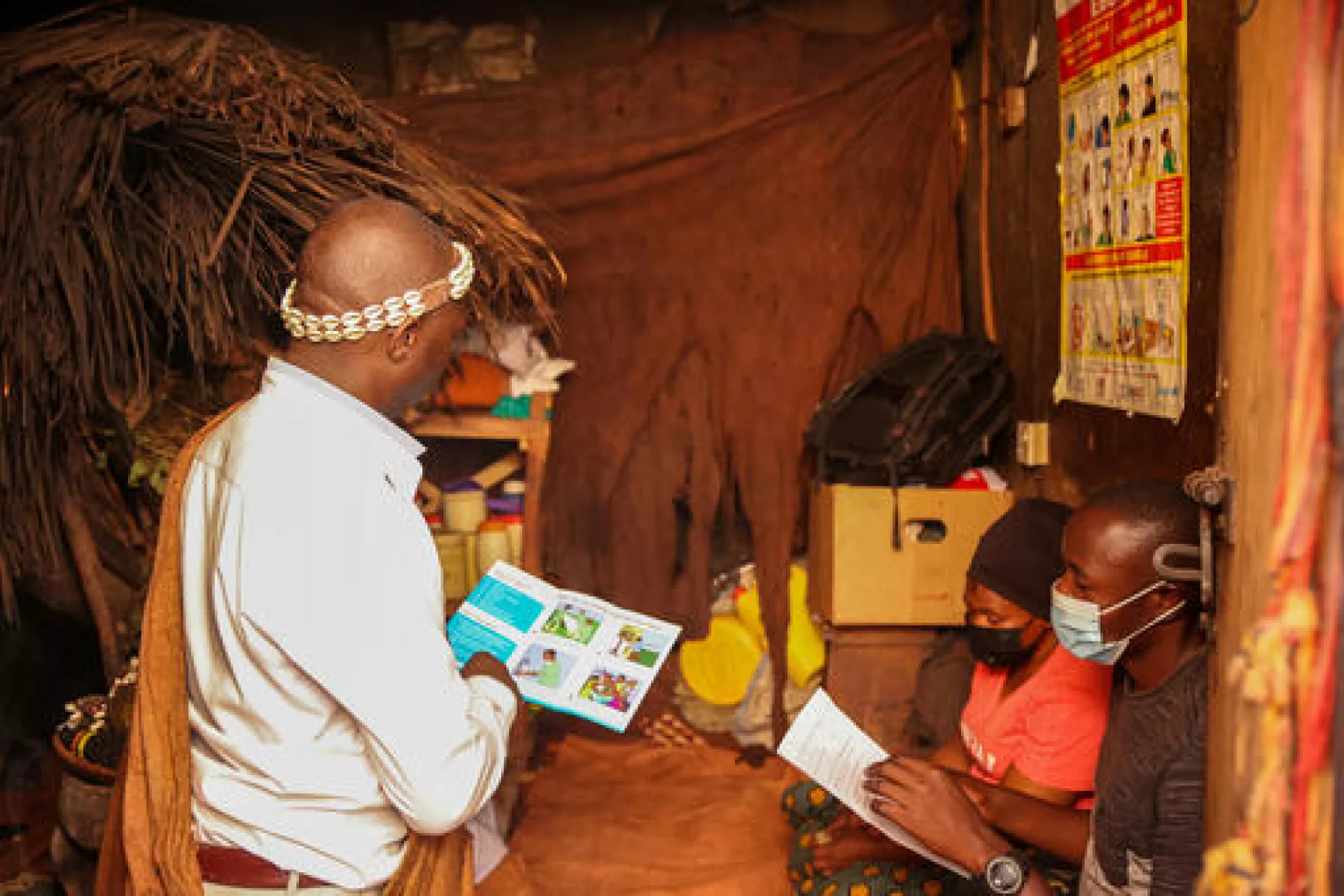
Beatrice Munyansa, a traditional healer in Mpererwe, a suburb of Kampala, highlighted her role in dispelling misconceptions and changing community behaviour. She explained, "following the training received on Ebola from UNICEF, I organized a community meeting in collaboration with the LCI chairperson. Using the education materials provided during the training, I educated people on Ebola symptoms and prevention. I also addressed harmful practices like hugging dead bodies or using clothes of the deceased without disinfection. It took some time to change the mindset of older community members, but eventually, they agreed to follow government guidelines."
Jude Segujja, an herbalist with a background in midwifery, took an innovative approach to engage the community, especially children. He developed a game that simulated the spread of Ebola, using visual aids to educate children about the signs and symptoms. "Using this game, I captured the attention of children and taught them more about Ebola. They became change agents within their households," he explained.
Traditional healers in Wakiso district also played a crucial role in curbing the spread of Ebola. Semakula George William, a traditional healer from Mitala Luube, used posters in his shrine to educate visitors on Ebola symptoms. He also ensured proper handwashing among his clients among other prevention methods.“I paid more attention to patients presenting symptoms of Ebola before treating them, consulted if they had visited a hospital before to seek my services.”
Apart from training, UNICEF provided the traditional leaders with personal protective equipment (PPE) and information, education and communication materials such as banners and posters to share with and educate their clients.
"Now that I have received these protective supplies, I feel proud and well-protected,” said Migadde Vincent, a traditional healer in Kiruma subcounty in Mubende District.
With training from UNICEF and the Ministry of Health, traditional leaders have become change agents in their communities, mobilizing them and promoting positive social and behaviour change focusing on key practices in good personal hygiene and sanitation, early health seeking behaviour in communities.