Celebrating young innovators: A day of tech, creativity, and empowerment.
World Children’s Day was a vibrant celebration of creativity, technology, and youth empowerment featuring innovative projects and inspiring feats of collaboration, demonstrating the incredible potential of young people to drive change and shape the future

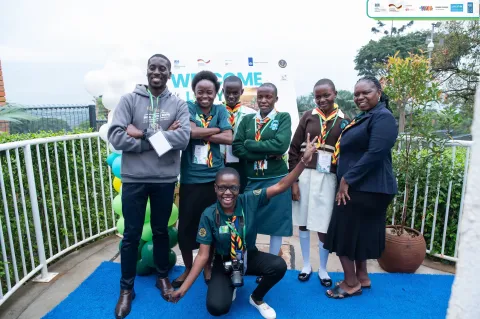
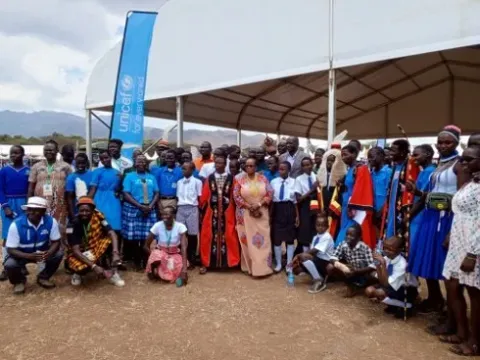
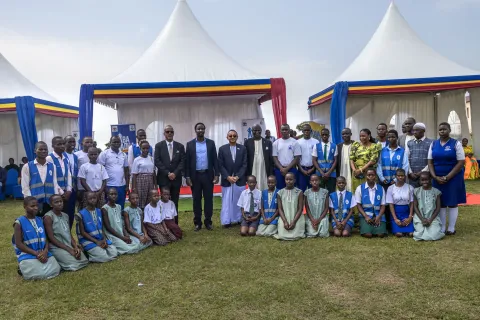
The World Children’s Day 2024 celebration on 20th November 2024, in Kampala was an exciting showcase of the boundless creativity and tech skills of children and young people across Uganda. Coinciding with the 35th anniversary of the Convention on the Rights of the Child, the event, organised by UNICEF in partnership with the Uganda Communications Commission, celebrated access to technology and future skills. The theme of the day, 'Empowering Children in Uganda through Technology and Design,' emphasised the critical role technology plays in shaping the future.
The day’s festivities, which marked the culmination of a nationwide schools’ software design competition organized by UCC and UNICEF, began with an exhibition—a vibrant showcase by students from participating schools, each eager to display their newly acquired skills. A standout moment came from the students from Excellence Junior School in Bulenga, who mesmerised attendees with their ukulele performances. These talented young musicians shared how they taught themselves to play the instrument—a unique one, they explained, native to Hawaii—using YouTube tutorials, made possible by their newfound internet access.
“The fact that they can play this instrument is a beautiful reminder of how technology opens the world for children, allowing them to explore and learn in ways they never could before,” their teacher Christine Kitubi, who accompanied the pupils to the event, said.
Busia Secondary School in Eastern Uganda also stood out with their clever poster designed with Canva, a user-friendly graphic design platform. Their artwork highlighted the growing tech divide between rural and urban students. Nandala Winnie, a student from the school, spoke passionately about the issue: “Some of my classmates come from truly remote areas and don’t even know how to turn on a computer,” she said. "To address this problem, we need access to equipment like computers, and digital content must be translated into our local languages."


Meanwhile, Nabisunsa Girls School in Kampala, one of the competition’s semi-finalists who attended the event, showed off an innovative digital game they built. The game, which teaches online safety and digital etiquette, challenges players to climb a virtual mountain by solving a quiz about staying safe online—a fun yet educational way to engage young people with such an important topic. In a similarly creative vein, UPSHIFT—an accelerator for young social innovators—showcased an impressive incinerator prototype that could turn waste into electricity and a water filtration model, demonstrating how youth-led solutions can address critical environmental issues.
Next up was the main event of the day: the presentation of projects designed by children using the software tool Canva. In this round, the regional finalist schools brought forward meaningful projects that tackled pressing challenges among Uganda’s youth and children.
Mbarara High School in Western Uganda, for instance, presented a thought-provoking anti-bullying poster, illustrating the emotional toll bullying can take on young people. Kyebambe Girls School focused on the sensitive issue of teenage pregnancies, raising awareness about the struggles school-going girls face.
Mengo Senior Secondary School in Kampala also made a powerful statement with their poster, “Different Abilities, Same Potential,” which highlighted the rights of children with disabilities and called for greater love, safety, and empowerment for Uganda's disabled children.


Gulu Secondary School in Northern Uganda joined the conversation by focusing on digital literacy, calling for more digital skills education across Uganda. Their counterparts from northern Uganda, Gulu High School, presented a poster condemning child torture, arguing that disseminating information through social media would be an effective way to advocate for children's rights in their communities.
Trinity College, Nabbingo in Central Uganda, the eventual winner, stole the show with a powerful poster advocating for children's empowerment to protect themselves and shape their futures. This poignant message perfectly aligned with Dr. Robin Nandy, UNICEF Representative to Uganda's statement on the vital role of technology in improving children's lives. He emphasised that children are not just the future but the present, deserving of their voices being heard.
At the event, attendees also learnt about the SAUTI 116 helpline and chatbot—a vital psychosocial support tool for adolescents—and heard a moving testimony from a young person with disabilities who had benefitted from UNICEF’s Fair Chance Programme, which helps disabled youth acquire essential 21st-century skills, including social innovation and entrepreneurship, empowering them to make a difference in their communities.
Key figures from Uganda’s tech sectors took the stage to share their insights on the event’s significance. Dr. Aminah Zawedde, Permanent Secretary for the Ministry of ICT and National Guidance spoke candidly about the challenges children face when it comes to accessing the internet. She highlighted that many children’s talents remain untapped simply because they don’t have the means to connect to the digital world. "We are working on a digital transformation roadmap to ensure that children can safely use the internet for learning and innovation," she explained. It was a promising message, signaling that efforts are underway to bridge the digital divide.


Hon. Nyombi Thembo, Executive Director Uganda Communications Commission also shared his thoughts, reminding everyone of the incredible potential that digital tools offer—whether in the form of interactive classrooms or new learning platforms. He stressed the urgent need for stronger safeguards to shield children from online abuse and harassment, an increasingly pressing issue in today’s digital age.
As the day came to a close, Swedish Ambassador to Uganda H.E. Maria Håkansson took to the stage and echoed the sentiments of many in the room. She urged all partners to work together to ensure children have a safe and supportive environment in which they can innovate and grow. “Let’s end all forms of violence against children, both online and offline,” she declared, reinforcing the central message of empowerment and protection for all children.
The event wrapped up on a high note with a moving testimony from Edward Ssekintu. He recounted how the MUBS ICT Centre, in collaboration with UNICEF Uganda, initiated digital skills training for vulnerable youths and adolescents from Kampala slums, including himself. This program became a turning point in his life; once a school dropout, Edward now offers video editing services, exemplifying how digital skills can transform lives and open doors to new opportunities.
In the end, the celebration wasn’t just about the incredible projects and posters—it was a powerful reminder of the importance of digital literacy and creativity in shaping a brighter future, one where Leonard Zulu, UN Resident Coordinator in Uganda, called for renewed commitment to children’s rights, saying, “By leveraging technology, we empower children to become problem-solvers and innovators.”