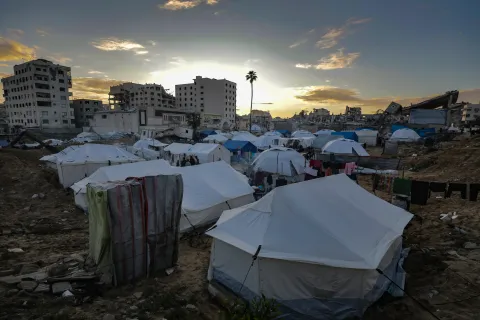
Gaziantep’s Digital Leap in WASH: Smart Water Management in a Changing Climate
In Gaziantep, facing climate change, drought, and rapid population growth pressures, UNICEF and GASKİ have transformed the growing urban water network into an advanced, intelligent drinking water system.

- Türkçe
- English
In Gaziantep, the challenge of managing a growing urban water network has met a groundbreaking solution. The drinking water network managed by GASKİ (Gaziantep Water and Sewerage Administration), is now being upgraded into an advanced, intelligent system thanks to close collaboration with UNICEF’s WASH (Water, Sanitation and Hygiene) department.
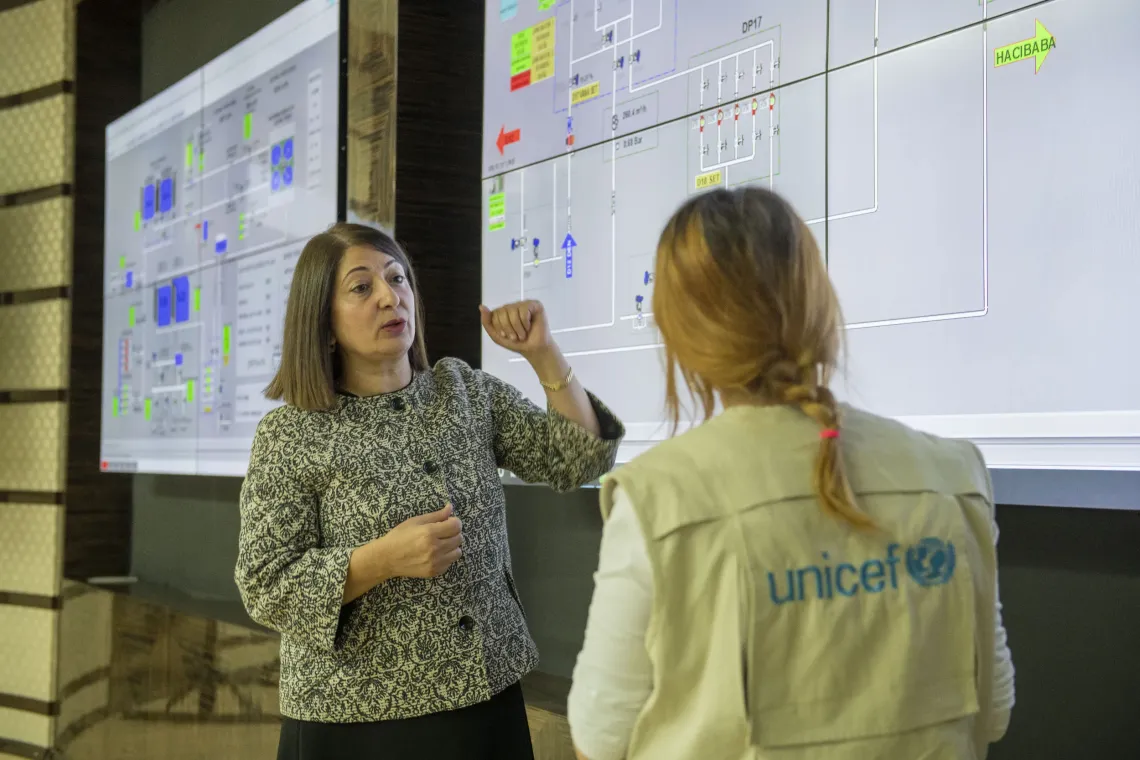
The city’s Drinking Water SCADA (Supervisory Control and Data Acquisition) Branch, has accordingly implemented an advanced AI-supported system designed to optimize water distribution, reduce losses, and ensure sustainable management for years to come.
“The project we are carrying out in Gaziantep is a digital water transformation initiative aimed at managing water efficiently, safely, and sustainably. This project is about more than monitoring water—It is a pioneering step in terms of both institutional transformation and water efficiency,” explains İslim Arıkan, Electrical and Electronics Engineer and Head of the SCADA Branch at GASKİ General Directorate. “With rising population and increased pressure on water resources due to climate change, we needed to move beyond traditional approaches.”
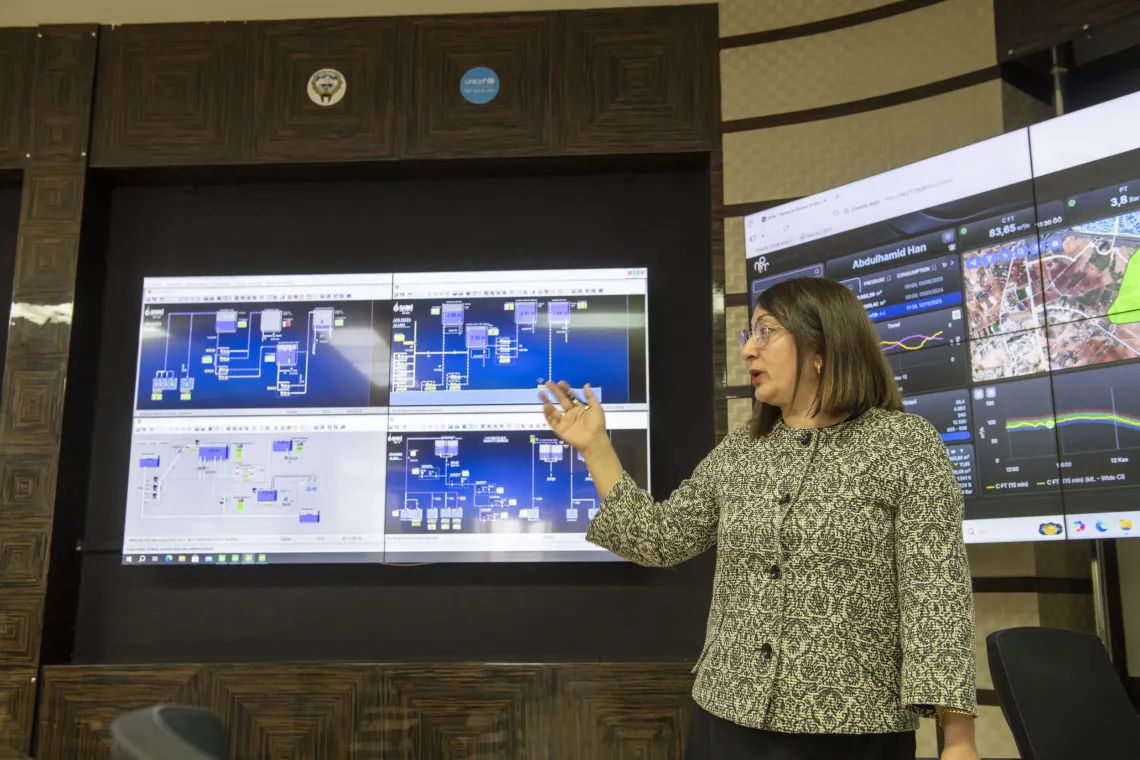
The new system brings all water monitoring tools into one digital platform, giving GASKİ a clear picture of how water moves across the city, from source to tap, and helping the city manage water more carefully at a time when resources are under growing pressure.
“Thanks to AI-powered analysis tools and real-time monitoring, we can detect anomalies based on consumption patterns, identify possible leaks, and prevent failures before they happen. As a result of the work carried out in the pilot areas, leak detection is now much faster, and response times have been significantly reduced,” Arıkan notes. This predictive capability extends beyond DMA (District Mattered Area) regions to main reservoirs and pumping stations, allowing both operational and strategic decisions to be fully data-driven.
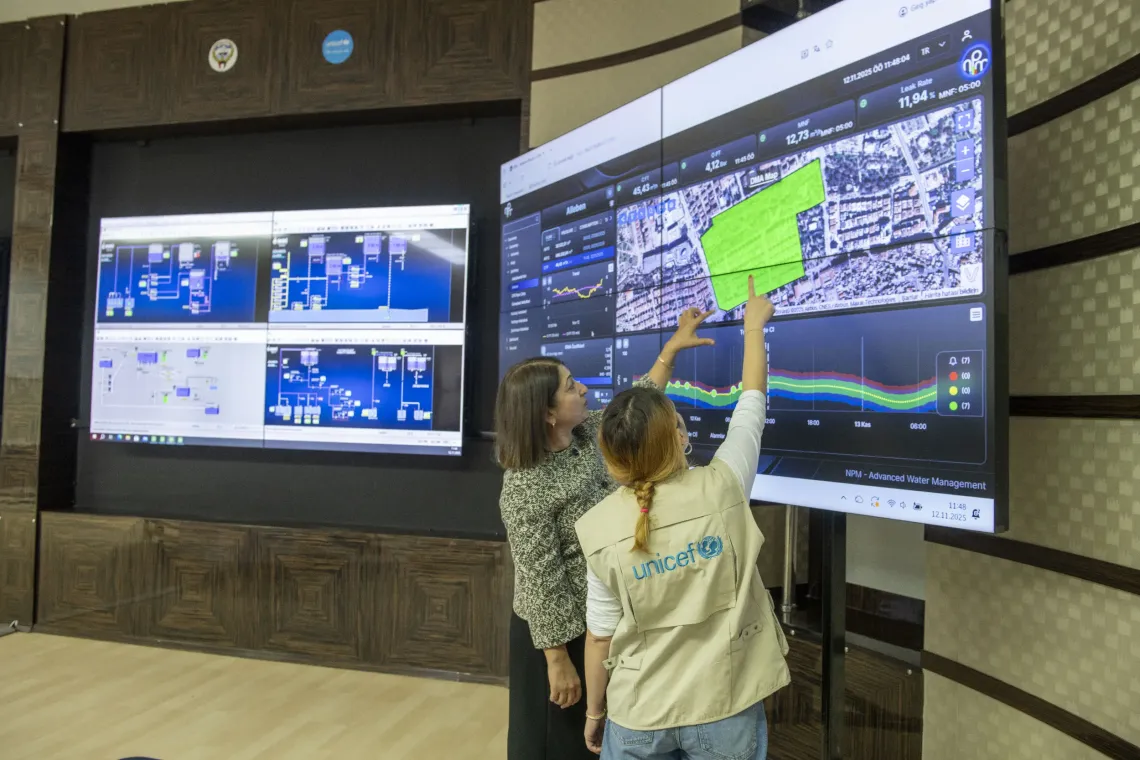
UNICEF played a key role in the project, not only providing financial and technical support but also enhancing its social impact. “Working with UNICEF allowed us to carry out water monitoring and analysis in selected schools,” Arıkan says. “We wanted children to understand the value of water from an early age, fostering long-term sustainable consumption habits, and also providing students with education on energy and water efficiency.” The collaboration shows how digital tools can help cities adapt to climate change while protecting access to safe water for children and communities.
UNICEF WASH Officer Zerrin Alkan Yelmen added that “In today’s world, where every drop of water is precious, Gaziantep is one of the provinces facing the risk of drought. Through our WASH and climate change programming and close collaboration with GASKİ, while supporting post-earthquake recovery efforts, we strengthened our risk reduction and preparedness work through the use of artificial intelligence technologies, elevating the system to a significantly more advanced level.”
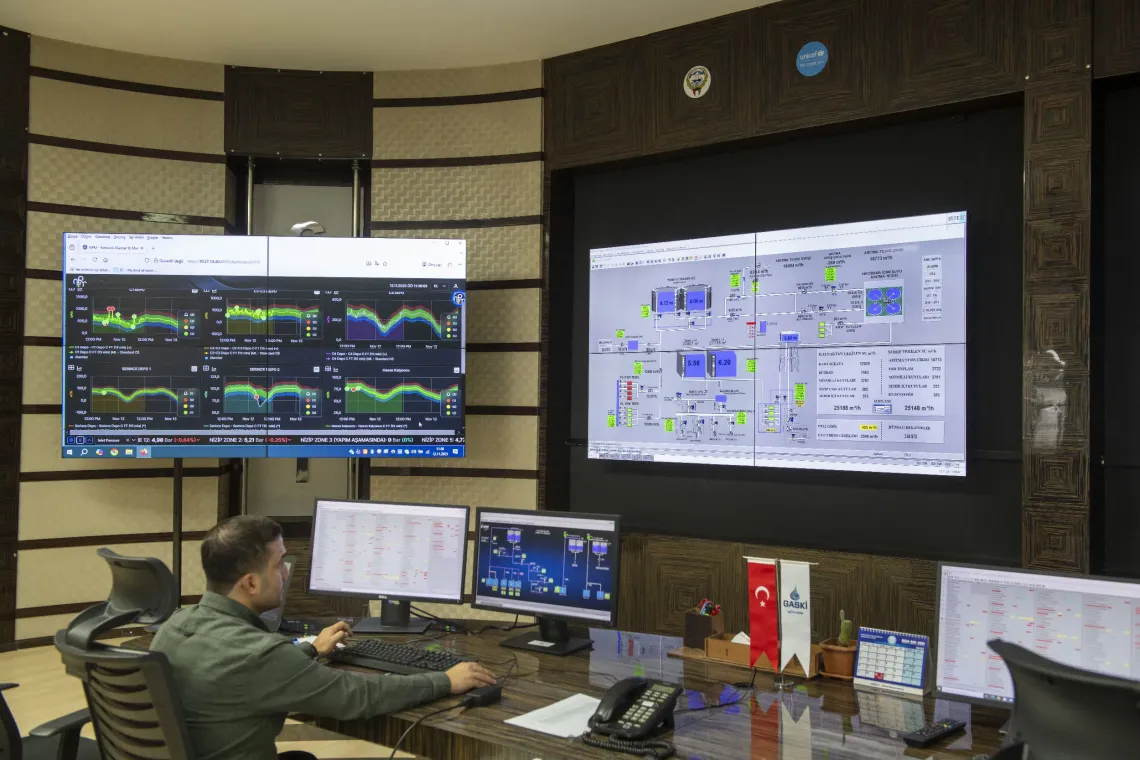
The first phase of the project integrated existing DMA regions into the Network Performance Management with AI (NPM-AI) platform, laying the foundation for a fully digital water network. Looking ahead, GASKİ plans to create a digital system for the entire city network, expanding DMA coverage and rolling out the advanced management platform across Gaziantep. “This marks the start of a smarter, more efficient, and sustainable era for water management in our city,” Arıkan emphasizes.
The benefits are tangible: Properly managed DMA regions mean fewer interruptions, longer infrastructure life, and uninterrupted access to safe, high-quality drinking water for citizens. Monthly water-balance reports help identify waste, leak detection is faster and more accurate, and strategic decisions are grounded in real data, guiding both technical interventions and strategic policy decisions.
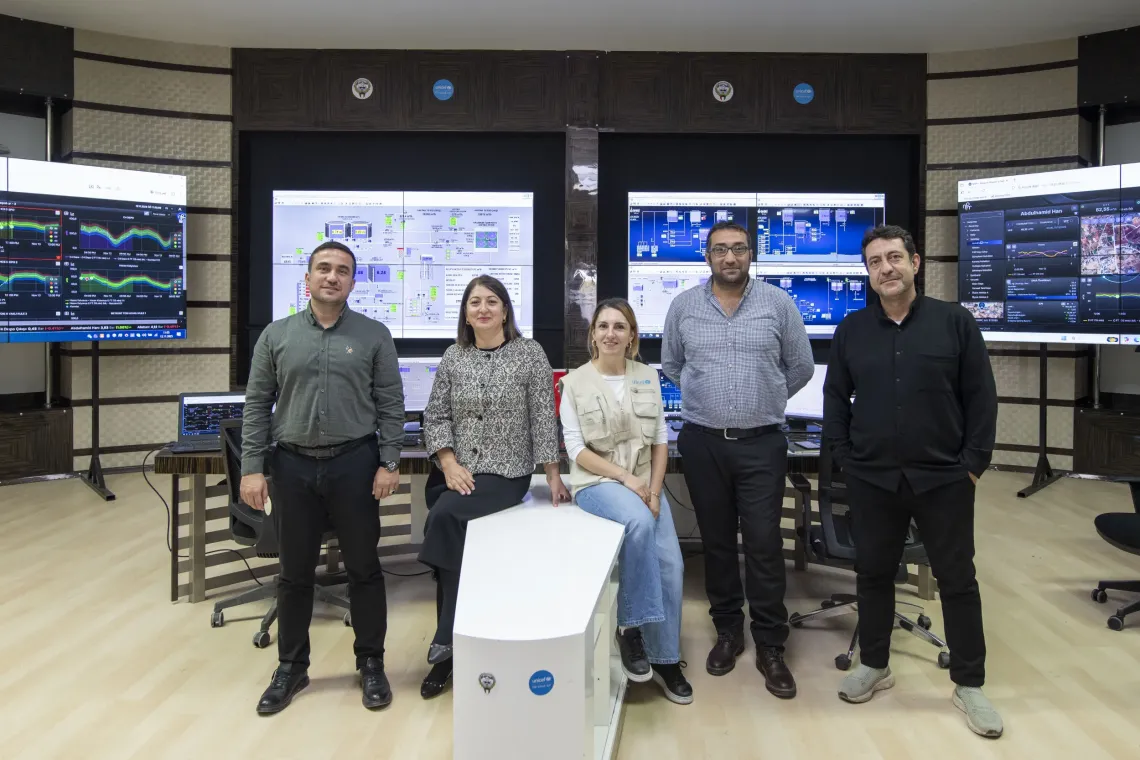
The system also positions Gaziantep as a national example. “Integrated, AI-supported water management platforms are not yet widely implemented in Türkiye,” Arıkan observes. “Our approach provides a learning, adaptive, and evidence-based model that other cities can follow.”
This project aligns with national goals around climate resilience, sustainable water management, and energy efficiency. Gaziantep’s model, supported by UNICEF’s WASH department, is paving the way for other municipalities. The success of this innovative system was made possible thanks to the generous financial contribution of the State of Kuwait.
Started in January 2025 with a 150,000 USD investment, the project soon delivered measurable results, and by late August 2025 savings from prevented leakages and reduced energy use had reached nearly 1,000,000 USD.
Ultimately, this project demonstrates that digital transformation in water management is more than a technical upgrade—it’s a cultural shift. By combining cutting-edge technology, strategic planning, and community engagement, Gaziantep is pioneering a future where water is managed smarter, sustainably, and responsibly strengthening the city’s ability to adapt to climate change and increasing water scarcity. This approach fosters a culture of sustainability, data-driven management, and child-friendly education. With this partnership, the future of water management is clear: smarter, greener, and inclusive of children’s voices.