Toilets help to restore learning, health, safety, and dignity for students
Toilets help to restore learning, health, safety, and dignity for students

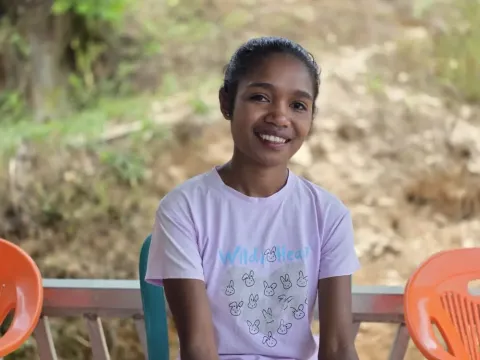
Lospalos, 14 November 2025 - At just eleven years old, Michaela dreams of something simple yet powerful: finishing school and one day going to college. A bright and determined student at Basic Education Branch School (EBF) in Lospalos, she is disheartened that her learning is often interrupted.
“Each day, I have had to leave the class for about 30min to go to the bush to relieve myself,” Michaela recalls. For six long years, this routine stole valuable learning time because her school had no basic toilet facilities.
“By the time I returned to the classroom, the teacher would have moved ahead with the lesson, and then I struggle to catch up.”
But this precious time lost was merely one aspect of a much bigger challenge. The spot that Michaela, other students and the teachers use is also frequented by villagers.
“I was also afraid that someone would see me, and I was also afraid of the dogs and other animals in the bush,” she says coyly.
According to the 2021 Education Management Information System (EMIS) Report, more than 66 percent of schools lack toilets entirely, leaving children vulnerable to waterborne diseases. In schools where toilets do exist, the ratio of students per facility often far exceeds recommended standards, and many toilets are in poor condition because of inadequate maintenance.
This lack of facilities leads to loss of learning time, health risks which increase absenteeism and also compromises the safety and dignity of students and teachers alike.
Michaela’s six-year struggle without proper sanitation at her school has finally come to an end. Thanks to the generous support of UNICEF and the Government of Japan, the school now has a fully equipped toilet facility, ensuring a safer and more dignified learning environment for all students.
Under this support from the Government of Japan, UNICEF rebuilt and rehabilitated inclusive toilets with handwashing facilities at 10 schools in Lautem and Manufahi municipalities. Each block of toilet block consists of inclusive, gender disaggregated flush toilets, which have handwashing basins. This means good sanitation is now within the reach of the students and the teachers.
To complement the construction and rehabilitation of the toilets at the targeted schools, students and teachers have been sensitised on basic sanitation and hygiene practices, which will help to maintain good standards of cleanliness of the toilets.
Girls from the schools are also benefiting from menstrual hygiene management information and they have also been trained on the use of reusable pads.

“It feels good to have a toilet at our school. The toilet is close to the classrooms, which means we do not waste time away from our lessons. We have also been taught how important it is to wash our hands after using the toilet and have also been taught on the importance of keeping the toilets clean and smart,” says Michaela, as she explains the lessons she has picked up about good hygiene and sanitation practices at school.
These improvements at the school extend beyond mere convenience. They safeguard health, ensure safety, and uphold the dignity of students and teachers, creating an environment where learning can take precedence over basic concerns.
///Ends