Parenting Programme in Ermera Municipality targets holistic early years development for every child
Parents and caregivers provided with tips and skills to support children’s academic, social and physical development in the early years
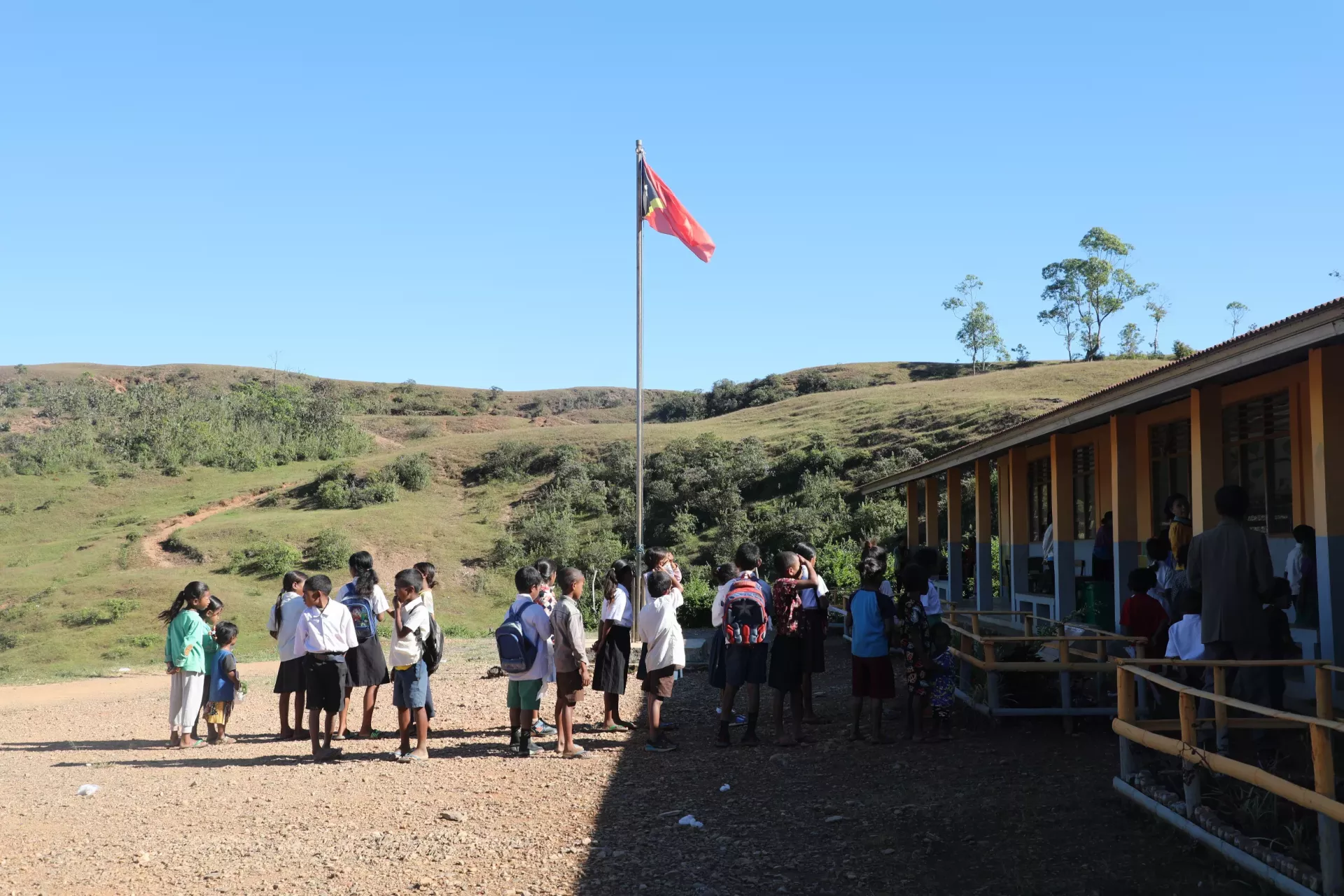
Ermera, 07 July 2024, Lebululi, a remote village in Ermera Municipality, is a place where life moves slowly along its bumpy and muddy roads. A 6-hour journey from Dili, this village is home to Eskola Ensinu Báziku Filiál (EBF) 12 Lebululi, a small primary school that becomes a learning base for a different set of students every Saturday morning. Around 9 am, Teresinha Cardoso joins 14 other parents in a small classroom, all eager to learn how to become better parents. She has braved a 20-minute walk from her home to reach the classroom, enduring the intense morning heat, but determined to get the best from these sessions, which she has so far attended four sessions of this training, which was introduced 3 months ago in their village.
“My firstborn, Anderson Cardoso, is 5 years old. Since becoming a mom, I never knew there were certain important skills, knowledge, and practices that can help me to be a better parent to Anderson and his sibling,” says Teresinha, a 24-year-old mother of two.
In Lebululi, like many parts of Timor-Leste, parents’ interactions with their children are often unresponsive to their needs for good nurturing care, support, protection from harm. Instead, harmful practices such as corporal punishment, yelling, failing to provide nutritious food, and not devoting time to the simple joys of playing are widespread.
Despite parents being central to a child’s early experiences, which will shape their paths for better outcomes, many parents often lack the skills, knowledge, and support to stimulate the healthy development of their children. Competing priorities, which include housework and work in the coffee plantations, often leaves parents with a struggle to fit in their parenting responsibilities.
With limited access to alternative sources of information, Teresinha has raised her children solely based on the knowledge that she has on how she was raised and on how she sees other parents in her village raising their children. Teresinha admits that she has often harshly dismissed her son’s curious and energetic approaches to her, often yelling at him to sit down and stop disturbing her. She has seen how this has affected the child’s confidence and his trust in her and wishes for this to change.
"Oftentimes, I yell at him when he comes to me while I am busy with house chores. I do not have time to play with him. I ignore him when he asks questions. I feel quite bad, but I wish to change this approach." Said Teresinha.
These Saturday morning sessions are now transforming Teresinha’s parenting skills and giving her practical skills to parent her two children.
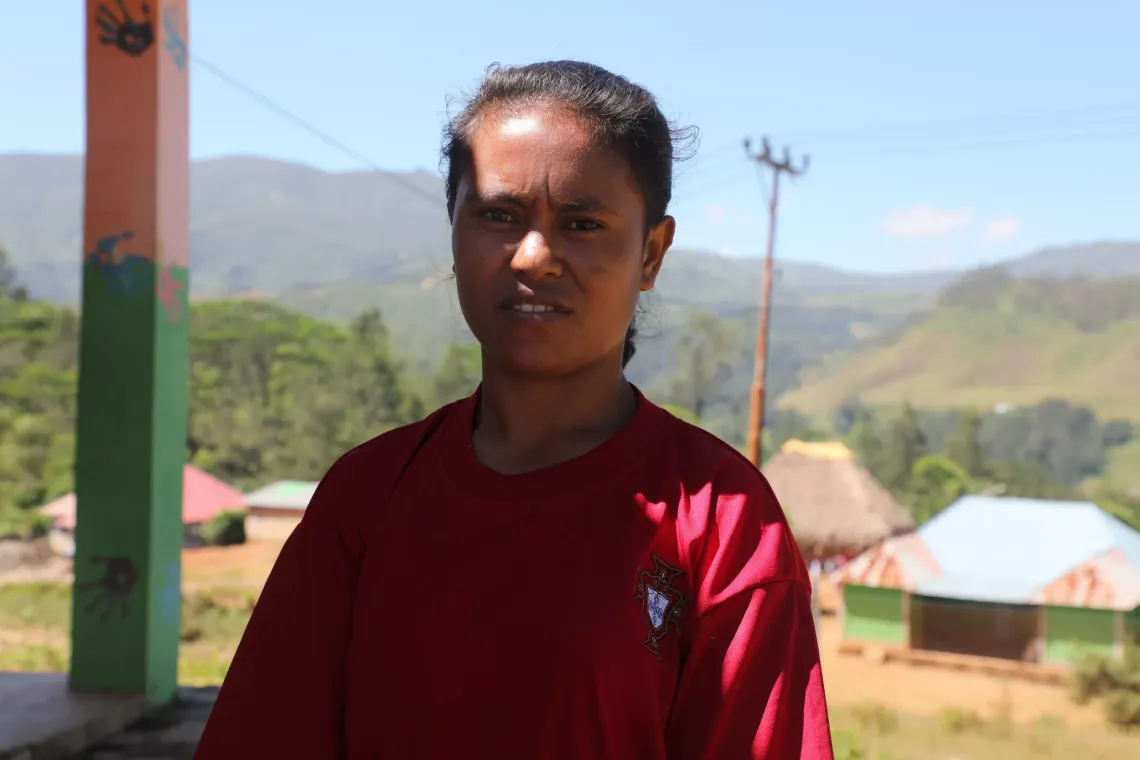
Teresinha notes that “If I stay at home, I do not understand the importance of playing with my children and taking good care of them. I do not understand how to shower them properly, feed them nutritious food, and play with them. I therefore appreciate the lessons I am getting at these parenting classes; they are making a huge difference in my life and in my children’s lives.”
UNICEF, with support from UNICEF South Korea, the Government of New Zealand, and the Australian Government through the Australian NGO Cooperation Program (ANCP), has trained 15 facilitators from the Ministry of Social Solidarity and Inclusion (MSSI) and the Alola Foundation to deliver parenting sessions to parents and caregivers who have children aged 0-8 years. The information shared with parents includes the importance of early stimulation, child protection, children’s wellbeing, support in early learning, and health. The programme targets 20 parents in 11 primary schools and 10 preschools across Ermera Municipality.
Each session starts with the facilitator setting the house rules and explaining the lessons using Information, Education, and Communication (IEC) materials, such as flipcharts and posters, to deliver the topics. Then, the parents are divided into groups for discussions and presentations. During the session, they also sing, dance, and engage in drama and role plays.

“This is also new knowledge, and I want to make sure I share it widely with my community, especially with all the mothers and fathers who have children below 8 years old, so they can take better care of their children,” says Natalia Asia Maia, MSSI’s facilitator for the Parenting Programme for Lubululi school in Ermera Municipality.
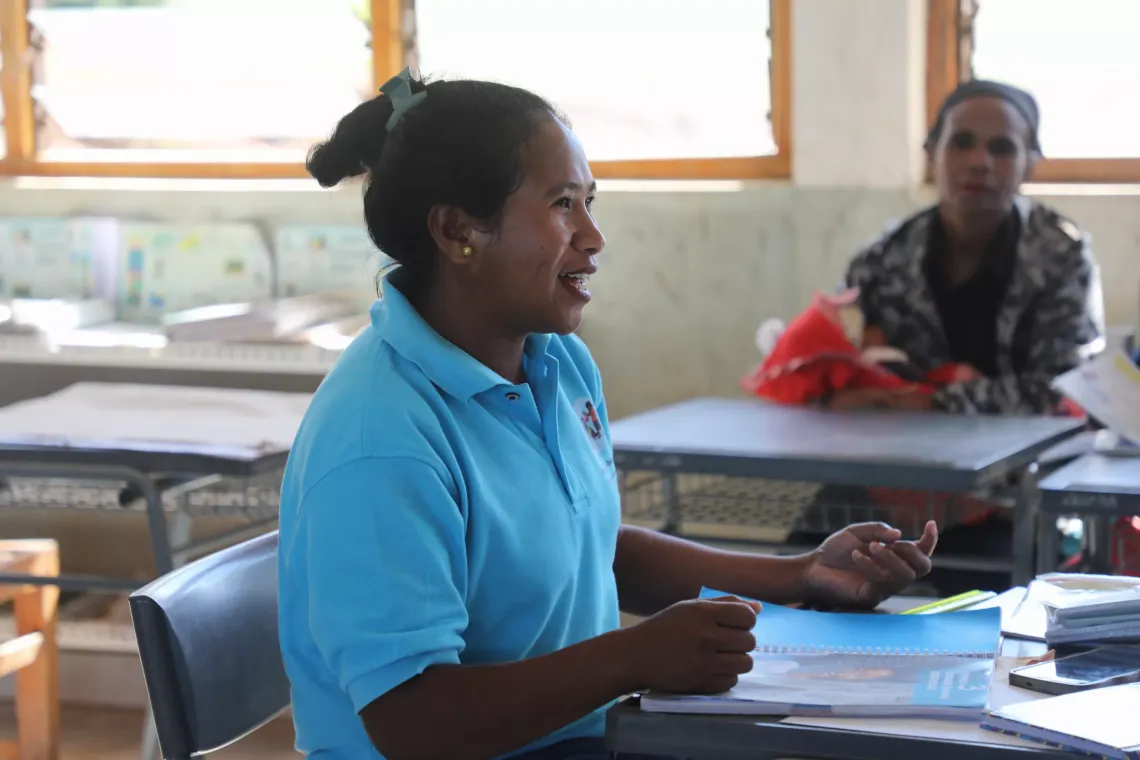
As one of the 15 parents attending the sessions, Teresinha benefits greatly from this programme. The programme is designed for parents and caregivers to acquire knowledge about parenting to support their children’s early development.
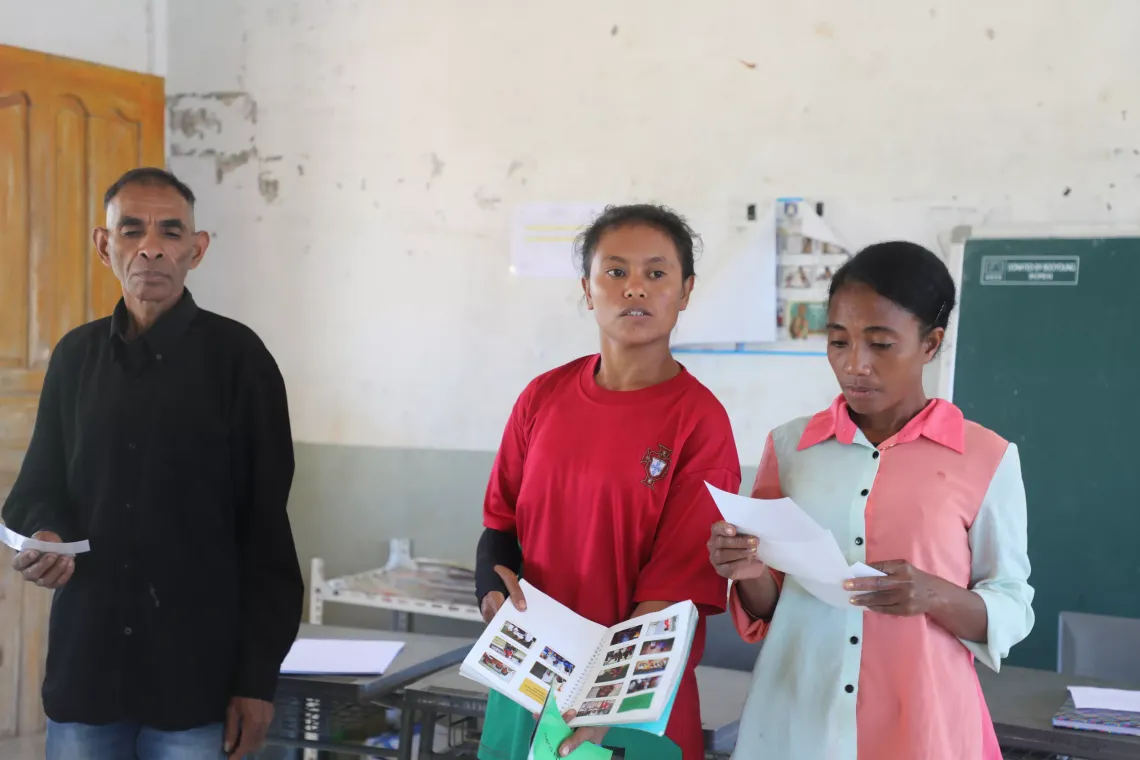
“Parental involvement in early childhood development plays a crucial role in fostering emotional security, cognitive development, social skills and lays the foundation for future success. UNICEF therefore invests in promoting positive parenting practices as part of our programs for children.” Mentioned Umasree Polepeddi Chief of Education, UNICEF Timor-Leste.
This project is expected to expand to other municipalities across Timor-Leste, with the hope that there will be more stories like Teresinha across the country because everyone wants the best for their children.
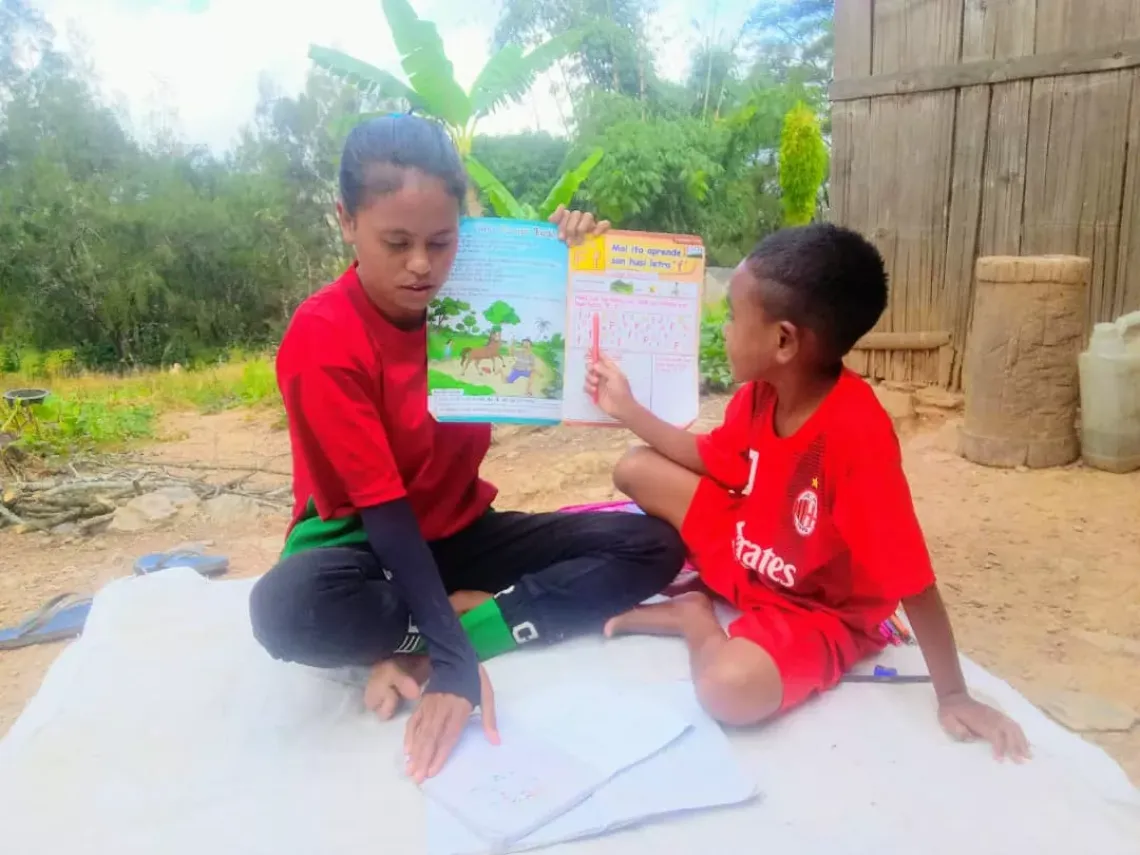
“I now understand the importance of early stimulation and play. My son loves reading and telling stories from the pictures in books. He also loves playing ball and singing,” says Teresinha, who says she has now organized her schedule at home to ensure that there is enough time for her to play, nurture and create fond memories with her children.
###Ends