Nature-based water catchment system saves water and protects the environment
Livia learned from UNICEF the benefits of retention ponds and terraces to cope with climate change

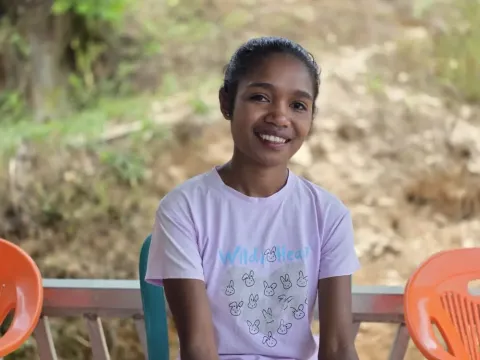
Aileu Municipality, 25 March 2026 - “I was involved in the training activities related to Nature-based Solution (NbS) water catchment that was conducted in 2025. As a youth, I learned how to make retention ponds, terracing and how to conserve water”, says Livia Mendonça, 24 years old. She lives in Lismori, Madabeno village, the second of six siblings. She has completed her high school and is currently helping her family at home.
Madabeno’s total population is around 54,000, according to the 2022 Timor-Leste Population and Housing Census, with agriculture as the main livelihood for most residents.
”As a youth, I benefited from the training because I could apply the knowledge I gained. The retention pond is important for preventing landslides and conserving water. That water can then fill the water sources at the foot of the hills,” adds Livia.
The retention ponds in Livia’s village have been storing rainwater during the wet season and slowly infiltrating into the ground, which helps increase the yield of water sources in the future, especially in the dry season.
The pond is supplying water to at least three water sources in her village. Those water sources have never been dry since the water catchment system was introduced in her village in 2025. Even during the dry season, the water sources remain full, preventing people from needing to buy drinking water.
Through the training she received, the benefits have extended not only to the community members but also to herself. For example, the water conservation activities that she and other youth carried out—such as building ponds, terraces, and check dams—have helped strengthening existing water sources. The community has also recognized how important these activities are for ensuring future access to water.

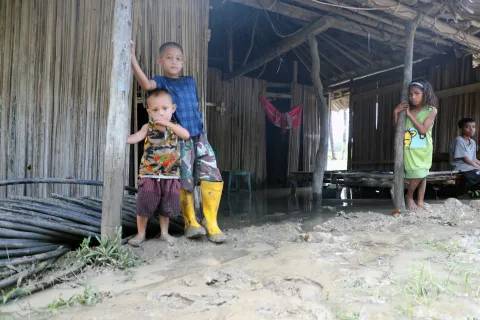
Water conservation through nature-based solutions has been benefiting the population in Madabeno village. Before they had retention ponds, people had to pay for drinking water during the dry season. They also could not water their vegetables during the dry season either, due to a lack of water.
Water conservation through the NbS programme has been benefiting community members by helping people cope with climate change impacts, such as ensuring enough water for the whole year, preventing landslides and downstream flooding, and protecting homes, farmland, and infrastructure.
The community members learned that the retention ponds help supply water to their fields. From Livia’s perspective, the elderly are not yet familiar with water conservation practices. However, they have been very supportive of the project by allowing their land to be used for constructing water retention structures.
The terraces help the community save on their economic expenses and agricultural plants
“Since 2025, after the terracing system was introduced in this village, people can grow green vegetables and other agricultural products like pineapples, taro, and corn because they have enough water for their plants, even in the dry season,” says Livia. These crops are used both for household consumption and for selling. They also plant grass, which helps improve soil fertility.
“After we created these natural check dams and terraces, people stopped burning their gardens and cutting the trees because they are aware that this helps to prevent the check dams and terraces from being destroyed, and it contributes to conserving water,” Livia adds. Each year, the community continues to maintain these solutions because they recognize its importance and benefits.
The benefits and importance of the water conservation activities have truly strengthened the community’s resilience to climate impacts. Without terraces, heavy rainfall would cause widespread landslides. There has also been a significant improvement since the project began.

Throughout the project, both women and men participated. For people with disabilities, it was difficult to participate in constructing the terraces, dams, and natural check dams due to the steep and challenging terrain.
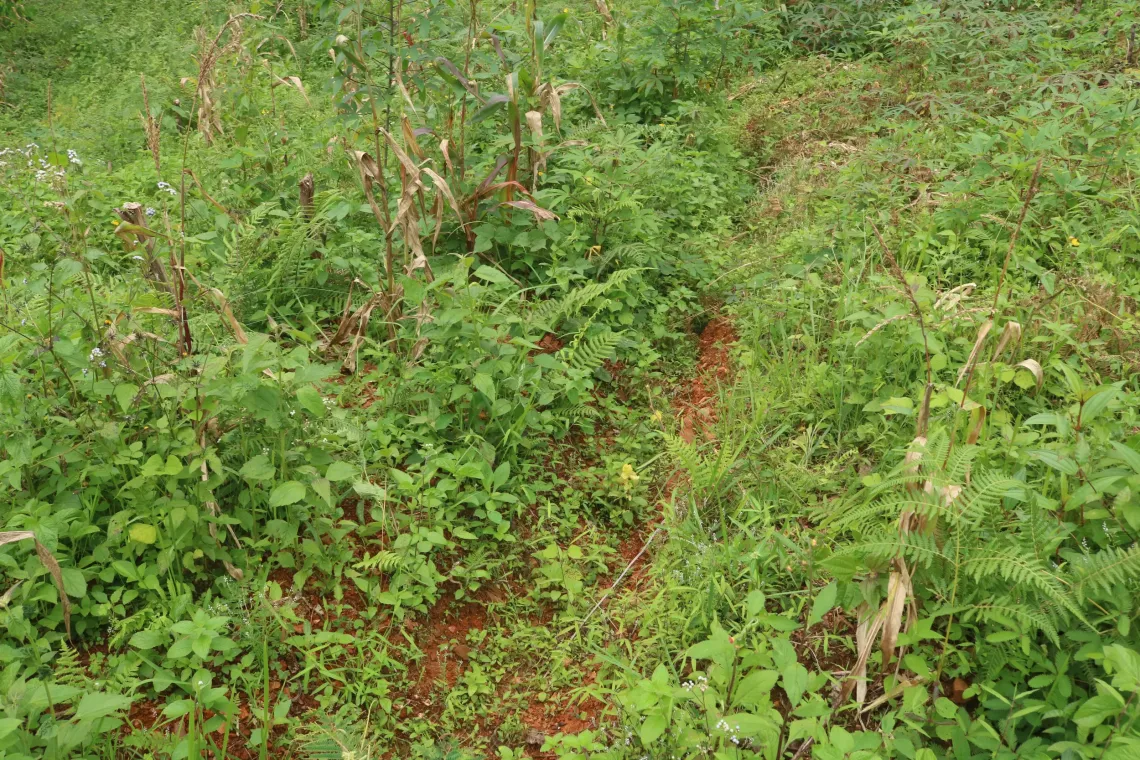
Through the training that they received from Permatil, with support from UNICEF and the New Zealand International Development Cooperation Programme, Livia and her youth colleagues are now able to support the community in maintaining these structures, helping to prevent future water shortages. The nature based solutions also contribute to reducing landslides and increasing water availability.
### Ends