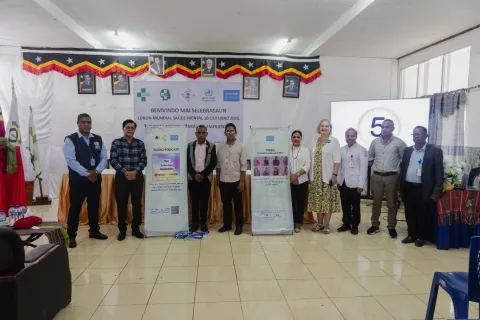
Idea to Action: Mediverse Grows Healthier Futures in Timor-Leste
Young innovators transform malnutrition into a community-led solution

When a group of university students came together during a hackathon, they were united by a concern that extended far beyond the classroom.
As students of medicine and health sciences, they had learned that nearly 70% of children aged 5 to 16 in Timor-Leste experience some form of malnutrition. While poverty and economic hardship contribute to the problem, through research and community engagement, the team discovered another important challenge: many children and families simply lack access to clear, practical information about nutrition and healthy eating.
"We realized that nutrition challenges are not only about access to food," recalled Milenia, the team leader of Mediverse, formerly known as Nutriskolar. "Many children and families do not fully understand what nutritious food is, why it matters, or how small changes in daily habits can improve their health. We wanted to help them make informed choices about the food they eat."
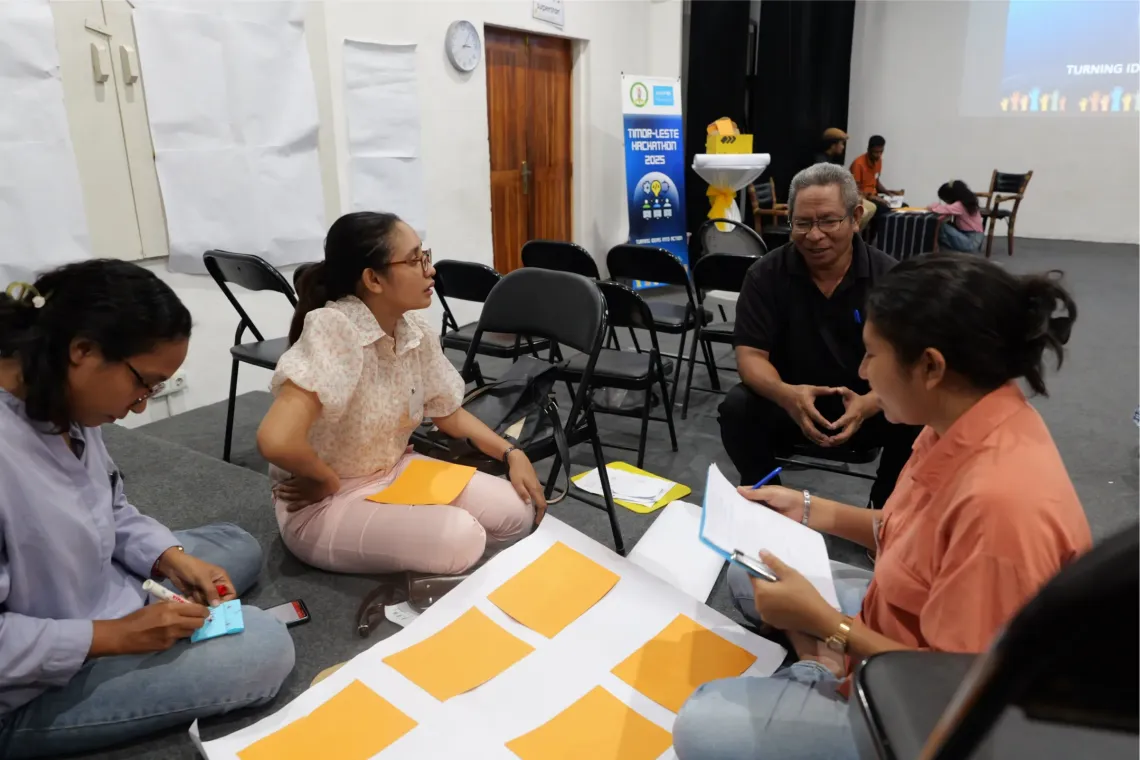
June 2025, the team entered a Hackathon in Dili with a simple goal: find a practical way to help children learn about nutrition. But as they progressed through the competition, they quickly realized that solving community challenges required more than technical knowledge.
Most team members came from health and medical backgrounds. They understood the science behind nutrition but had limited experience in project design, community engagement, education, or agriculture.
Through training, with Human-Centered Design approach, the team learned how to look beyond the problem itself and focus on the experiences of the people affected by it, and to design projects that directly respond to the needs of the people.
"The training and interactions taught us to listen first," the team leader said. "Instead of assuming what people needed, we learned how to understand their daily realities and design solutions together with them."
The experience also challenged the team to think creatively about how children learn.
Initially, they considered developing a traditional nutrition awareness campaign. But after discussions with mentors and fellow participants, they realized that simply providing information would not be enough.
"Children learn by doing," Milenia explained. "Healthy living must be practiced, not only written in the textbook."
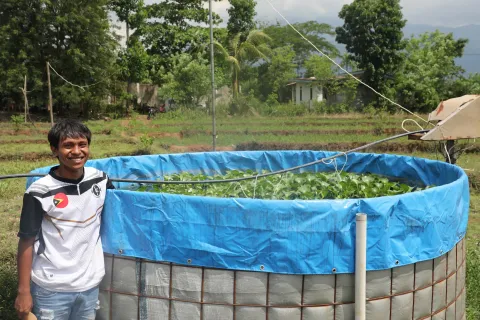
The team developed a project that combined nutrition education with a school gardening component, allowing students to learn about healthy food while growing vegetables themselves. Although they had limited agricultural expertise, they reached out to students from the Faculty of Agriculture at National University of Timor Lorosa’e and collaborated with young people from different disciplines around a shared vision.
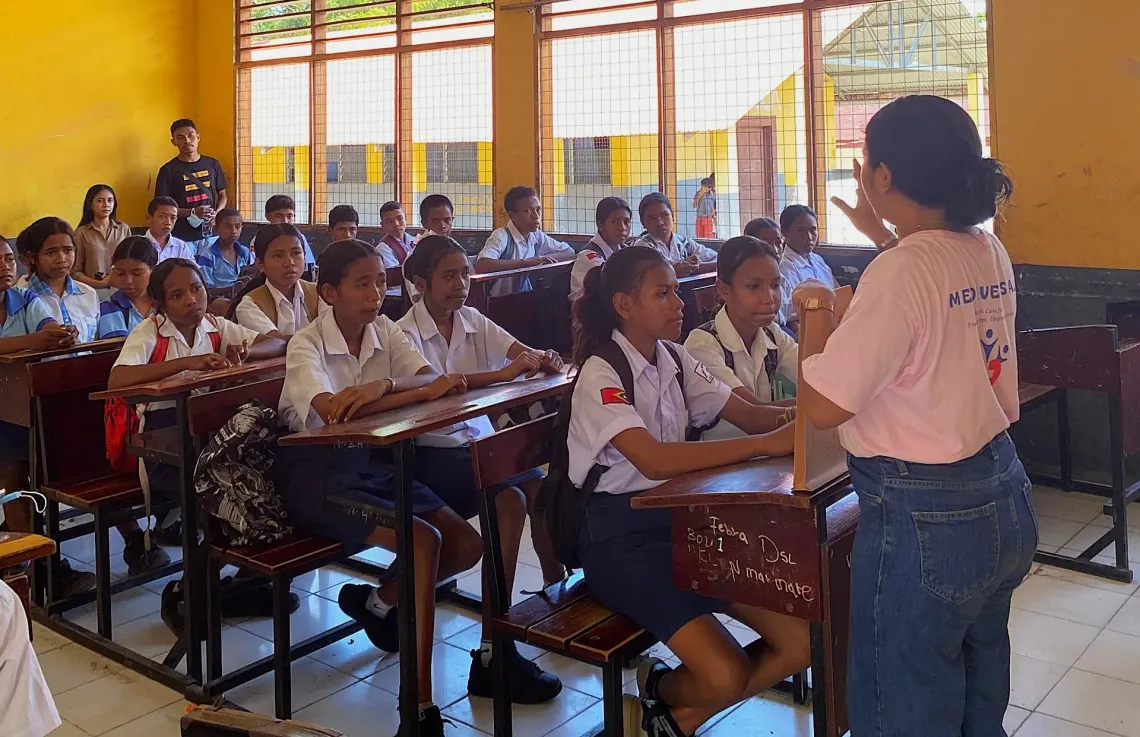
This led to the team winning the Hackathon Dili 2025. They then brought their idea to the primary school EBC1.2.3. Liquica in Suco Dato, where they partnered with teachers and school leaders to implement a five-week programme that combines nutrition lessons, quizzes, games, dietary monitoring, and a micro-kitchen garden. A total of 50 grade 9 students participated in the programme: 33 females and 17 males.
From the beginning, the school welcomed the initiative. The school principal, Calisto da S. Oliveira, explained that nutrition is closely linked to students' physical health, learning abilities, and critical thinking skills.
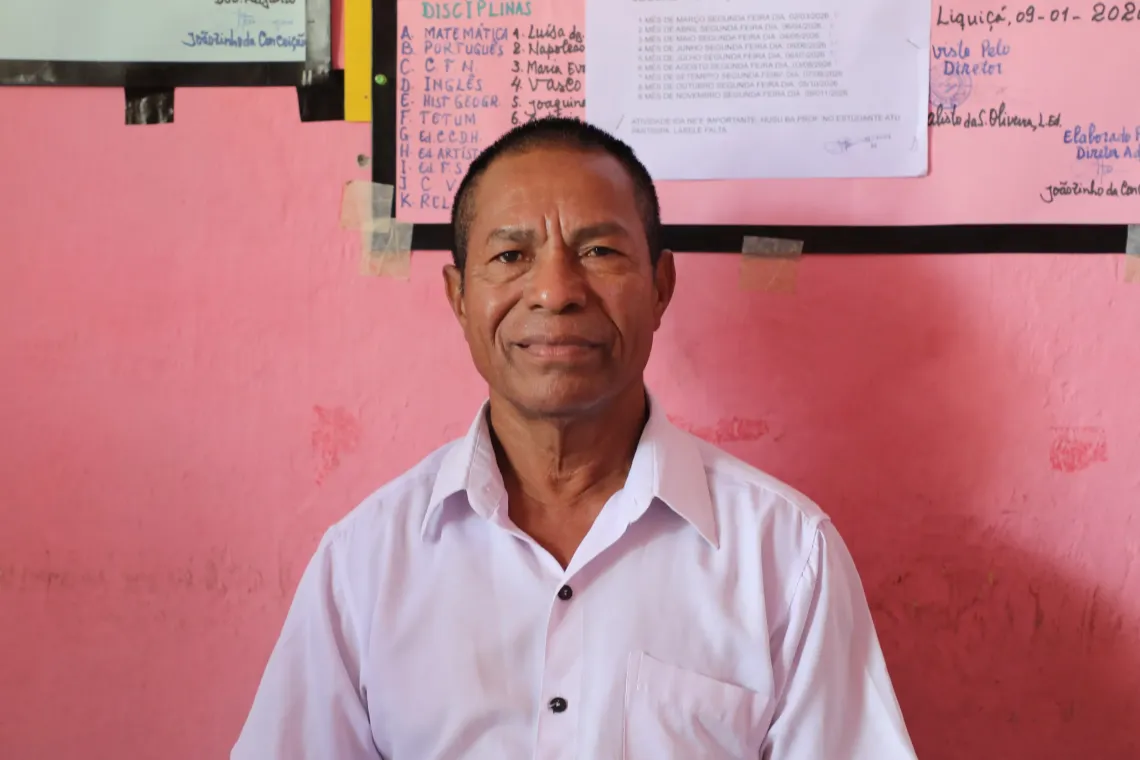
"Nutrition affects everything," he said. "It affects students' health, their concentration, and their ability to learn. That is why we place great importance on the ingredients of the school feeding programme and on helping students understand the value of healthy food."
For a school serving a large student population with limited resources, partnerships like the one with Mediverse provided additional opportunities to support student wellbeing. The principal noted that some students have limited access to diverse and nutritious foods at home, making nutrition awareness particularly important.
"Projects like this made it possible for students to contribute to their own menu in school feeding." He explained.
The programme's activities were designed to be interactive and engaging. Students learned about food pyramids and the golden proportion of different nutrients through games, discussions, and practical gardening activities involving vegetables such as tomatoes, carrots, lettuce, eggplant, and water spinach.
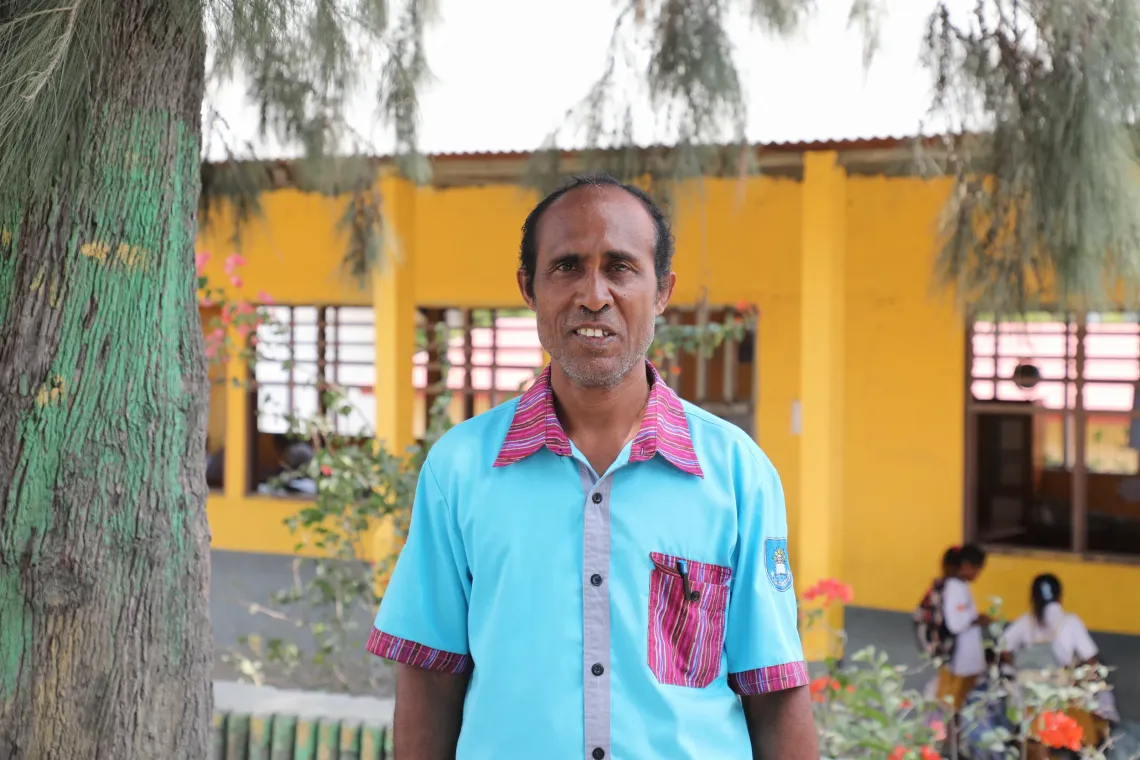
"The topic was new and interesting for them," said Antonio dos Santos, the teacher supporting the project. "The students were curious and excited. They asked many questions and remained engaged throughout the activities." The team's own observations matched what teachers were seeing.
"Some students continued searching online for information about nutrition after the sessions," Milenia said when asked about the most memorable moment. "That showed us they were genuinely interested and wanted to learn more."
The experience reshaped the team as much as it benefited the students. For many members, it was the first time working directly with children and adolescents in a community setting.
"We learned that patience is very important," Milenia reflected. "You cannot communicate with children the same way you communicate with adults. We had to adapt, be creative, and find ways to make learning enjoyable."
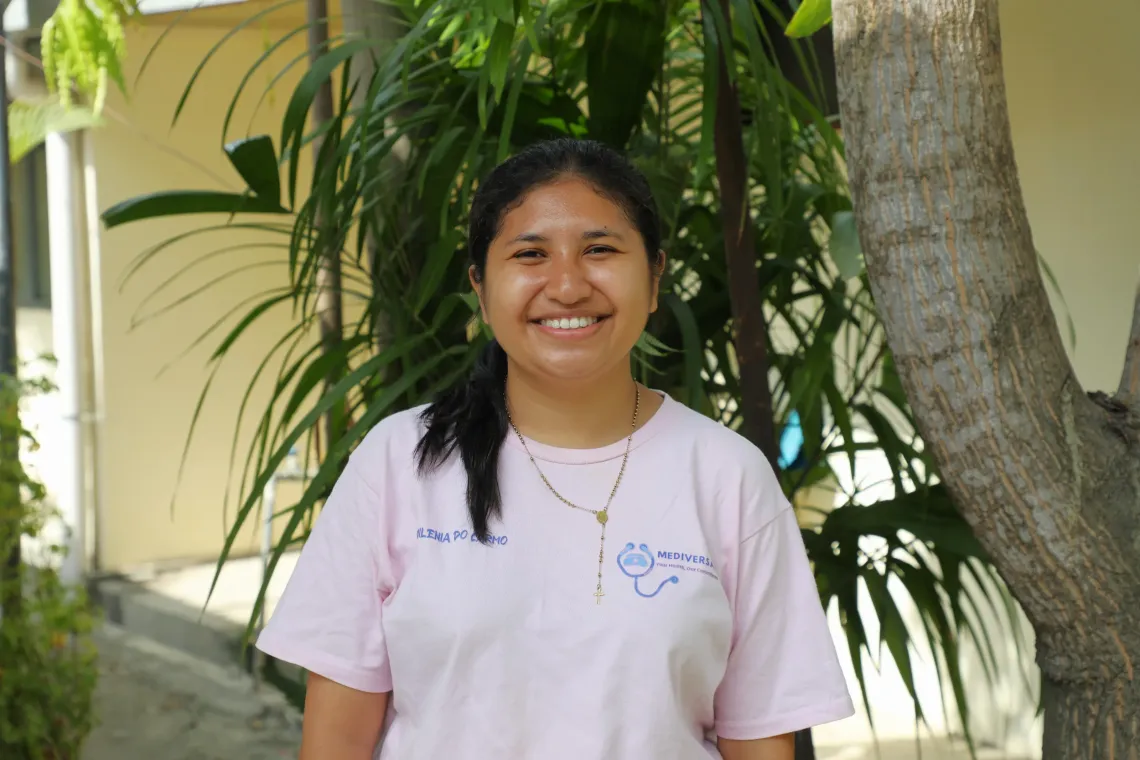
Assessments conducted before and after the intervention showed that 84 per cent of participating students improved their nutrition knowledge, while over half reported improvements in their eating habits during the follow-up period.
Teachers also observed encouraging changes in student behaviour. Before the project, some students regularly purchased fried bananas and cassava during lunch breaks instead of participating in the school feeding programme, which provides a balanced diet.
"After the nutrition training, we noticed that more students started joining the school feeding," the teacher explained. "They became more aware of nutritious foods and more interested in making healthier choices."
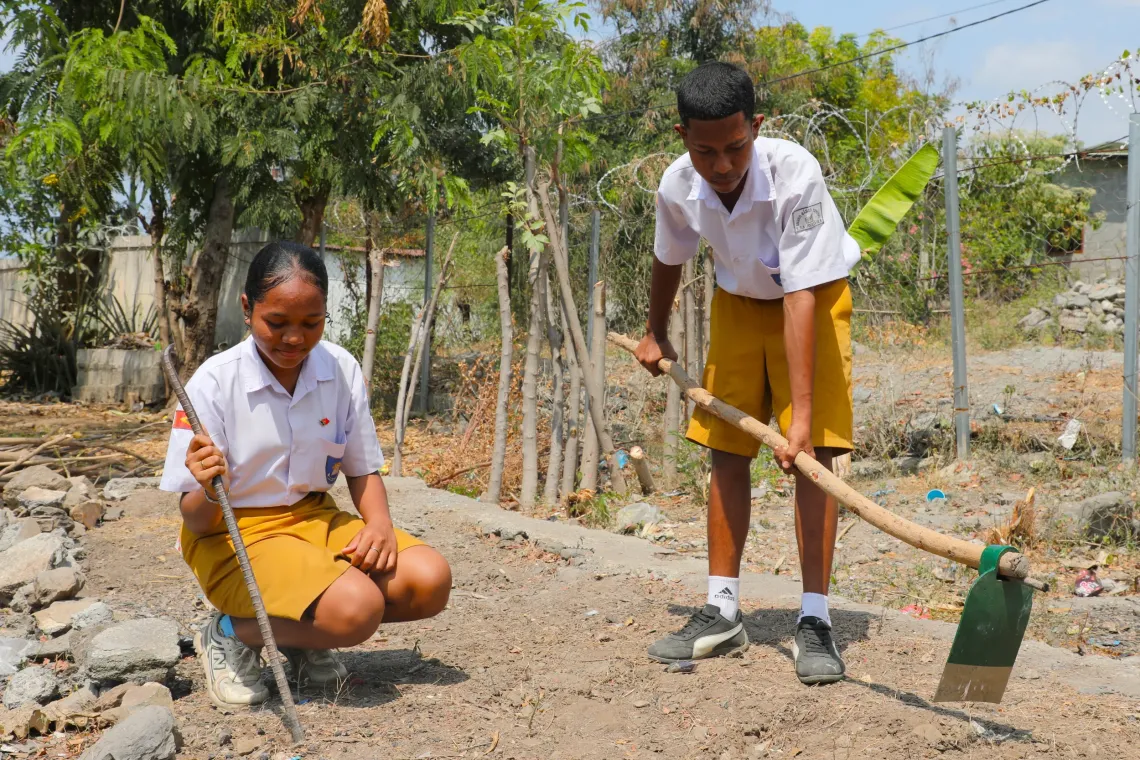
Two grade 9 students from that school spoke enthusiastically about what they had learned. One student, Desthania, said the project helped them better understand the difference between healthy and unhealthy foods. "Now I know why I cannot be picky," she shared. "I also tell my family of my new eating habit."
Another student, Henrique, said their favourite activity was working in the school garden. "When we learn outside the classroom, I feel our voices are heard," he explained. "I want to continue gardening at school and at home."
"Neighbours can work together through community gardening," Desthania said. However, the journey was not without challenges.
Soon after planting, school holidays interrupted the maintenance of several crops. The school also lacked fencing, leaving plants vulnerable to roaming animals. Many vegetables were damaged before reaching maturity.
Distance presented another challenge. Based in Dili, the Mediverse team found it difficult to conduct regular monitoring visits to Liquiçá, and internet connectivity sometimes limited communication with school staff.
Yet these setbacks became some of the team's most valuable lessons. "We learned that sustainability is equally important. We need to think about ownership, maintenance, and long-term support from the beginning." Milenia said.
The principal explained that teachers have already begun preparing black soil, manure, and protective materials to strengthen future gardening efforts.
"We want to continue because the garden is not only about vegetables. It teaches responsibility, creativity, teamwork, and practical skills that students can use throughout their lives," he said.
For Mediverse, this commitment represents something much bigger than a successful project.
Today, the organization has evolved significantly from the idea first presented during Hackathon Dili 2025. What began as Nutriskolar has grown into Mediverse, a youth-led initiative committed to promoting health education, innovation, and community engagement.
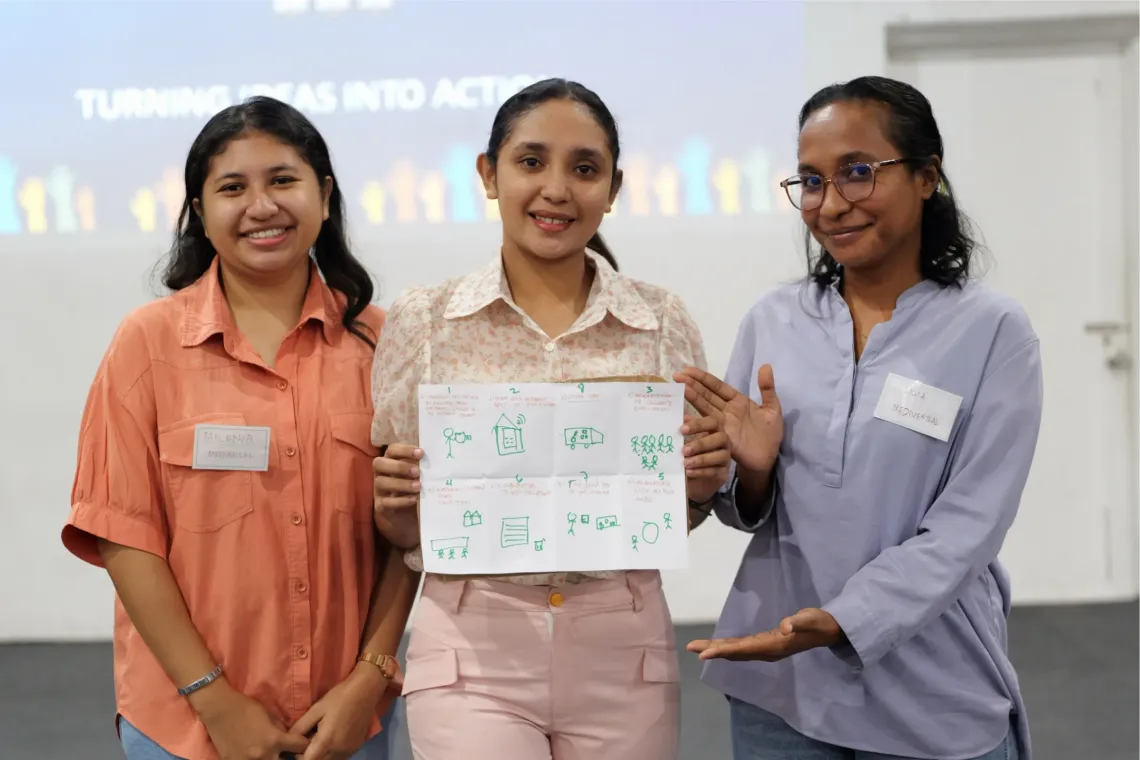
"The Hackathon gave us more than funding," Milenia reflected. She is credited with the training session. "It gave us confidence, skills, mentors, and the opportunity to turn an idea into reality."
Their vision remains rooted in a simple belief: that young people can be powerful agents of change when given the opportunity to lead. "Change does not always start with large programmes," Milenia said. "Sometimes it starts with a group of young people who care enough to take the first step."
Through Mediverse, those first steps are helping children build healthier habits, helping schools strengthen learning opportunities, and proving that youth-led innovation can create lasting impact for communities across Timor-Leste.