How integrated care is transforming birth for mothers and newborns
A safe start in Ossu village

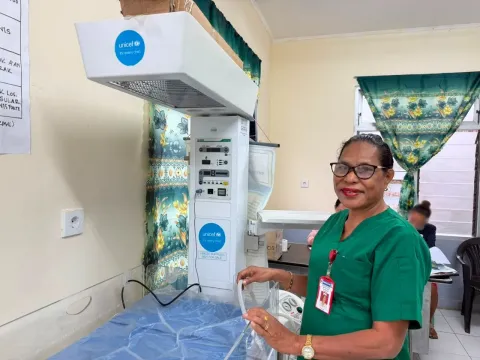
Just after dawn in Ossu, Alfer watches his newborn daughter closely. His eyes move between her tiny chest and the infant warmer temperature, checking that she is breathing, that she is warm, and that she is safe. He is anxious because the last time his wife gave birth to a daughter, she lived for less than an hour.
This time, things are different. At the Ossu Community Health Center, Juliana has just given birth to their daughter, Maia. “The delivery was fast, after a long labour through the night and a walk to the clinic in the dark,” the father, Alfer, says. The welcoming and ready staff at the clinic changed everything.
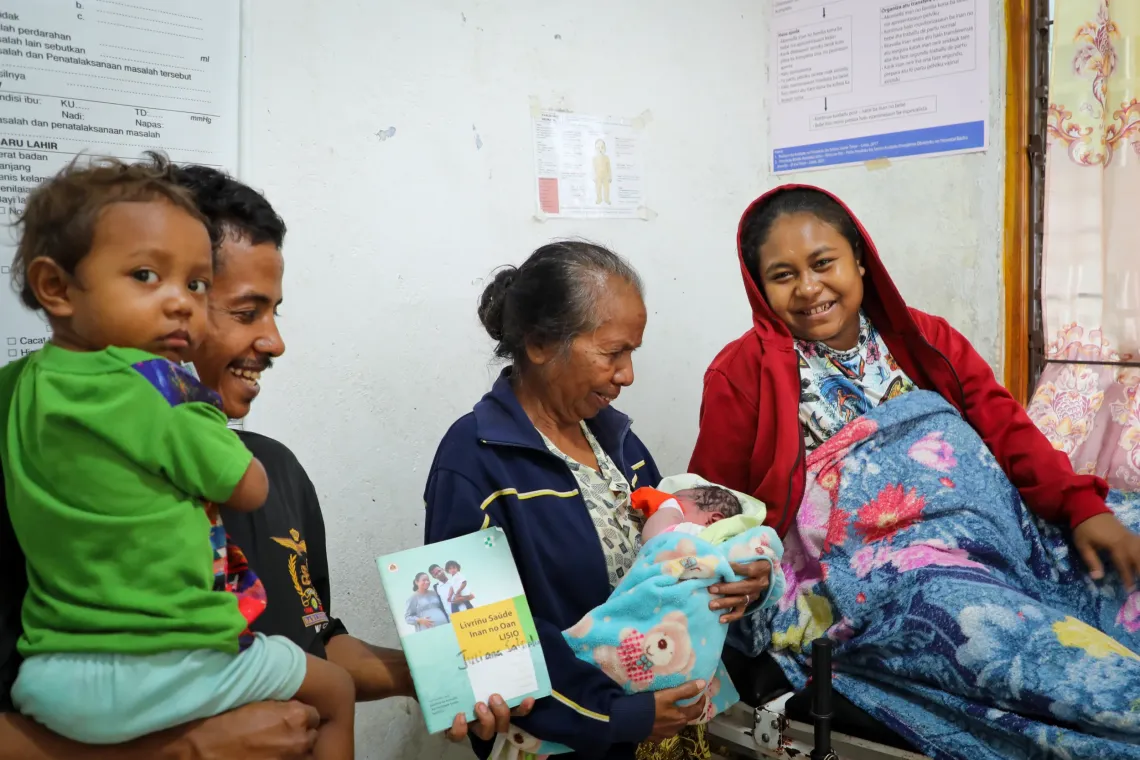
“I feel safe giving birth at the facility,” Juliana says softly. “The nurse and midwife are with me. I was supported the whole time.” That support began long before the delivery. “The mother support group has been visiting me at home,” Juliana explained. “They provided information on how to keep healthy, care for my baby and what to do after the birth.”
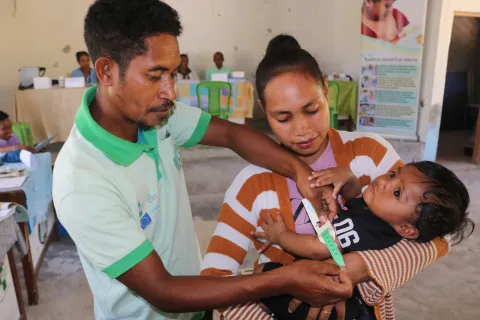
At the health centre, that continuity of care is conducted seamlessly. “Within the first hour, Maia was placed on her mother’s chest and breastfed. Within two hours, her birth was officially registered. Soon after, she received her first vaccines,” says Simão, the attending nurse. The vaccines are readily stored through a UNICEF-supported cold chain system that ensures every dose remains effective. The Health Center ensure that each child receives a LISIO book, Livru Saude Inan no Oan, this is the Mother and Child Health Handbook that the caregiver keeps to track maternal health, child growth, immunizations, and essential medical care from pregnancy through early childhood. This booklet is used for the child to receive a birth certificate.
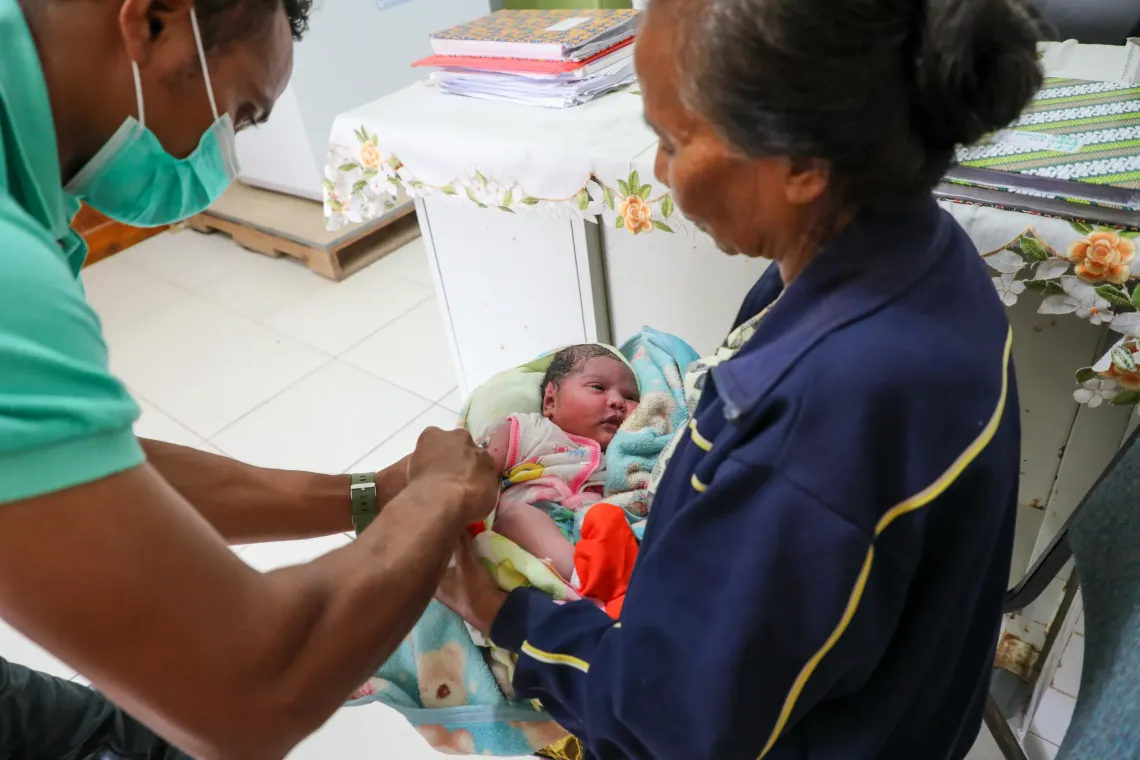
Here, services are not delivered in isolation. They are connected. Each week, the health facility supports up to five deliveries. Nurses and midwives provide skilled delivery of care, immediate newborn support, immunization, and follow-up guidance. Health workers are trained in the Integrated Management of Childhood Illness to ensure that care continues beyond birth, supporting children through their earliest and most vulnerable years.
For Juliana’s family, this integrated system is deeply personal. Maia is their third child. They have a son and unfortunately lost their first daughter shortly after birth. Today, as Juliana holds Maia, that loss still lingers, but it no longer defines the moment. Standing nearby, Juliana’s mother, Ana Rosalia, smiles.
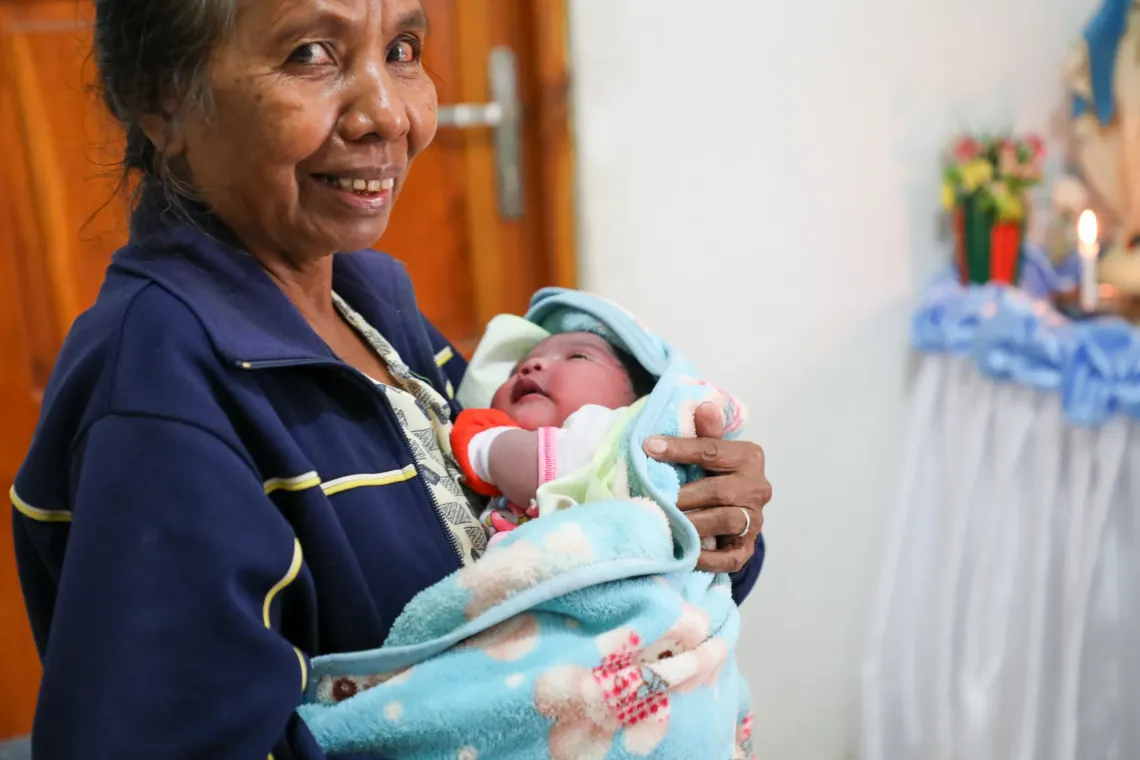
“I am the only female in my generation in the family,” she said. “Now my only son has a new baby sister. I’m very happy about the birth.” That happiness is rooted in something deeper than joy. It is built on trust. At Ossu Community Health Center, that trust is growing because the system is working together.
“UNICEF is the clinic’s biggest supporter,” said Azevedo, the Ossu Clinic Chief of Health. “This includes ongoing training of health activities, WASH services, immunization systems, cold chain, mother support groups and delivery room construction and furnishings.”
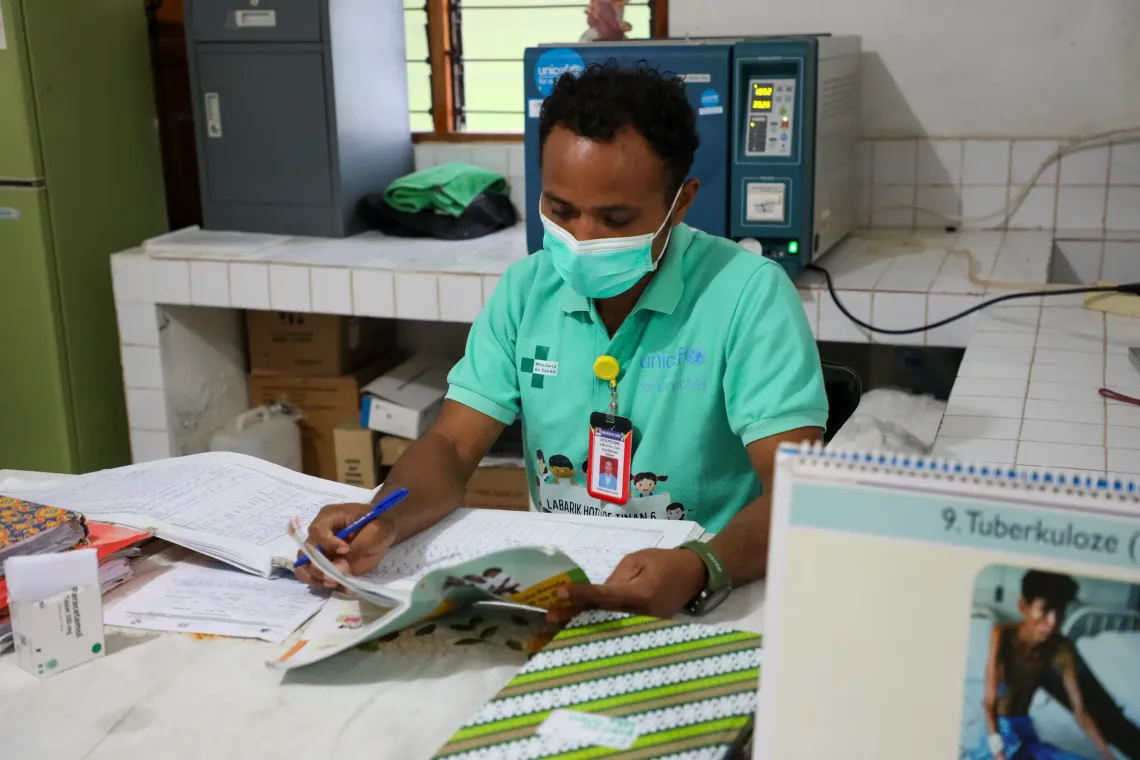
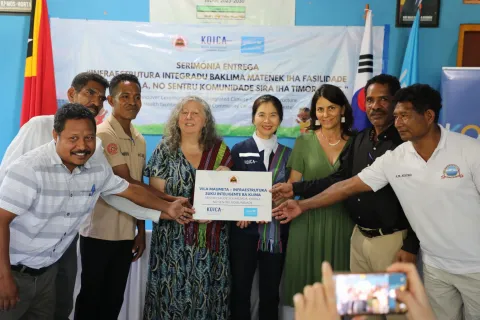
With support from UNICEF Australia and the United Kingdom’s Foreign, Commonwealth and Development Office (FCDO), the Ossu Community Health Clinic can provide reliable, continuous care. Even in modest conditions with limited resources, the system is delivering what matters most: safe, integrated care that reaches families when they need it. For families like Maia’s, that makes all the difference.
As Maia sleeps quietly in the arms of her grandmother, Alfer’s attention seems to soften. This time, his new daughter is safe.