When Girls Feel Safe:
How adolescent friendly services are transforming lives in Songwe

Sikitu Omary, a nurse at Hatelele Dispensary in Songwe Region, still remembers the day a severely ill 19 year old adolescent girl with a sexually transmitted infection (STI) came to the dispensary 2 years ago.
“She had hidden it even from her parents, ashamed of her illness, I had never seen a patient suffer from an STI to the extent that she had.” recalls Sikitu, who has served at the facility for over a decade.
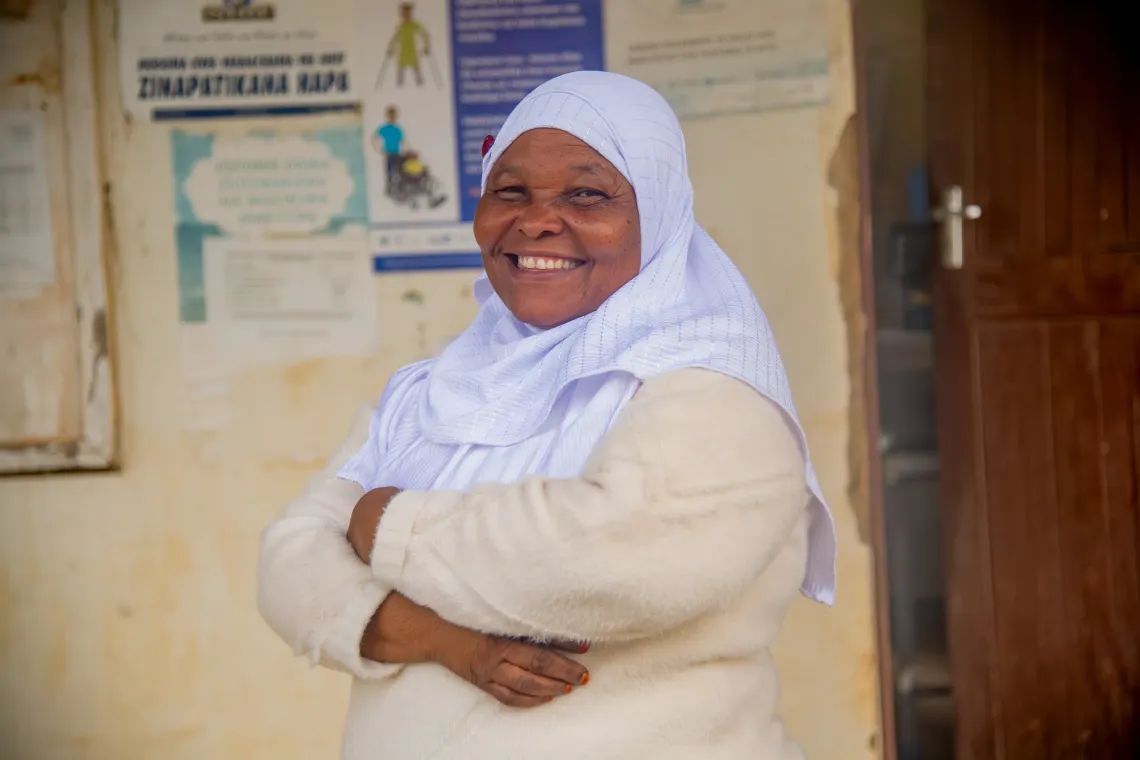
“If she had not come here, she would have lost her life.”
“She received proper care and counselling. Today, she is doing well and has a child,” Sikitu says.
This example reflects a broader challenge around adolescent sexual and reproductive health in Songwe including teenage pregnancy. According to the Tanzania Demographic Health Survey 2022 reports that Songwe region has one the highest rate of teenage pregnancy in the country at 44.7 per cent, nearly double the national average of 22 per cent.
Through Kijana Imara, which translates to ‘Strong Youth’, a five-year initiative implemented by the Government of Tanzania with support from Global Affairs Canada (GAC) in partnership with UNICEF and UNFPA, health workers are trained to provide respectful, confidential and adolescent-friendly services. The programme is expanding equitable access to quality sexual and reproductive health and rights (SRHR) for adolescent girls in Mainland Tanzania and Zanzibar.
“At first, we used to mix adolescents with other patients,” Sikitu explains. Without a dedicated space for adolescents, many worried about being recognized by people in their community when they came for care, they would say, “I will be seen, people might say something is wrong with me.”
“I will be seen, people might say something is wrong with me.”


For many years, adolescent girls faced stigma, fear and silence when seeking sexual and reproductive health services. Today, the dispensary provides health care for adolescents in a dedicated space, including after-hours services to ensure privacy.
The change has been visible.
“The response is different now,” Sikitu explains. “More adolescents are coming for services. The fear has reduced.”
Beyond the facility walls, outreach teams working alongside Community Health Workers (CHW’s) visit schools and communities with an integrated package of services including HPV vaccination, reproductive health education and awareness on gender-based violence.
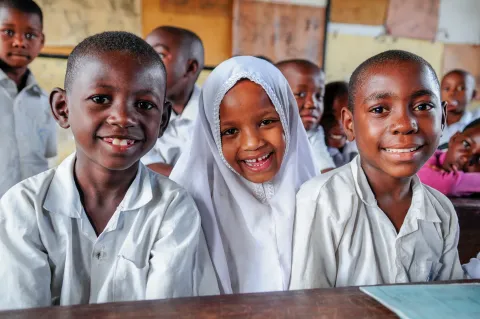
At Makua Primary School, 13-year-old Irene and her 11-year-old sister Lebina sit side by side in their blue uniforms. Recently, Irene learned how to manage her menstrual health for the first time when CHWs and health workers visited her school during an outreach session.
“I am very happy, I now understand how important it is and how to take care of myself.”


Her younger sister told of a different challenge that many face. When the school announced that health workers would come to provide HPV vaccination, their parents initially told them to refuse and even hide to avoid receiving the shot.
But after health workers explained the importance of the vaccine, which protects against HPV and reduces the risk of cervical cancer, the sisters took the message home.
“As we were guided, we also went and discuss with our parents,” she says.
Reluctantly at first, their parents agreed.
Though they are still young, the sisters say they feel empowered knowing what to expect in the future. “We have learned so much," they say. "We are grateful.”
For Sikitu, these shifts represent hope.

“When I look at adolescent girls in Songwe today,” says Sikitu, “I see the progress we have made. When girls feel safe, they no longer suffer in silence. They step forward with confidence.”